VALLE DEL CAUCA, COLOMBIA — In the wake of a powerful seismic event that left widespread destruction across the region’s infrastructure, the departmental government of Valle del Cauca has launched an aggressive, comprehensive rescue plan to revitalize its vital tourism sector. Spearheaded by the departmental administration under Governor Dilian Francisca Toro and the Secretariat of Tourism led by Miyerlandi Torres, the multifaceted initiative seeks not only to rebuild damaged assets but to strategically position Valle del Cauca as a premier destination for domestic and international travelers through targeted solidarity campaigns, urban and economic revitalization, medical tourism promotion, and critical enhancements to regional and national air connectivity.
Main Facts
The urgency of the government’s intervention is underscored by the sheer scale of the natural disaster. The recent earthquake inflicted severe damage on 1,871 tourism establishments throughout the department. Of this total, local authorities classified 1,167 structures as suffering from severe or critical damage, effectively halting normal operations for dozens of hotels, boutique lodges, restaurants, tour operators, and adventure sports enterprises.
To combat the economic paralysis facing these communities, the departmental administration has deployed an array of immediate and structural interventions:
- Caravanas Solidarias (Solidarity Caravans): Organized promotional road trips designed to drive immediate foot traffic and revenue to hard-hit municipalities, having already successfully rolled through Sevilla and Buenaventura, with upcoming deployment slated for Calima-El Darién.
- Roldanillo al Aire Libre: A localized recovery and development blueprint executed in the designated "Pueblo Mágico" (Magical Town) of Roldanillo. Partnering with the local mayoral office, private enterprises, and commercial allies, the project introduces commercial containers, upgrades to the Coliseo de Ferias (Fair Coliseum), and the distribution of forgivable loans targeting 350 local entrepreneurs.
- Medical Tourism Expansion: Leveraging Cali’s status as Colombia’s second-most important medical tourism destination, capitalizing on foreign patient influxes—which accounted for nearly 28% of the national total between January and August 2026.
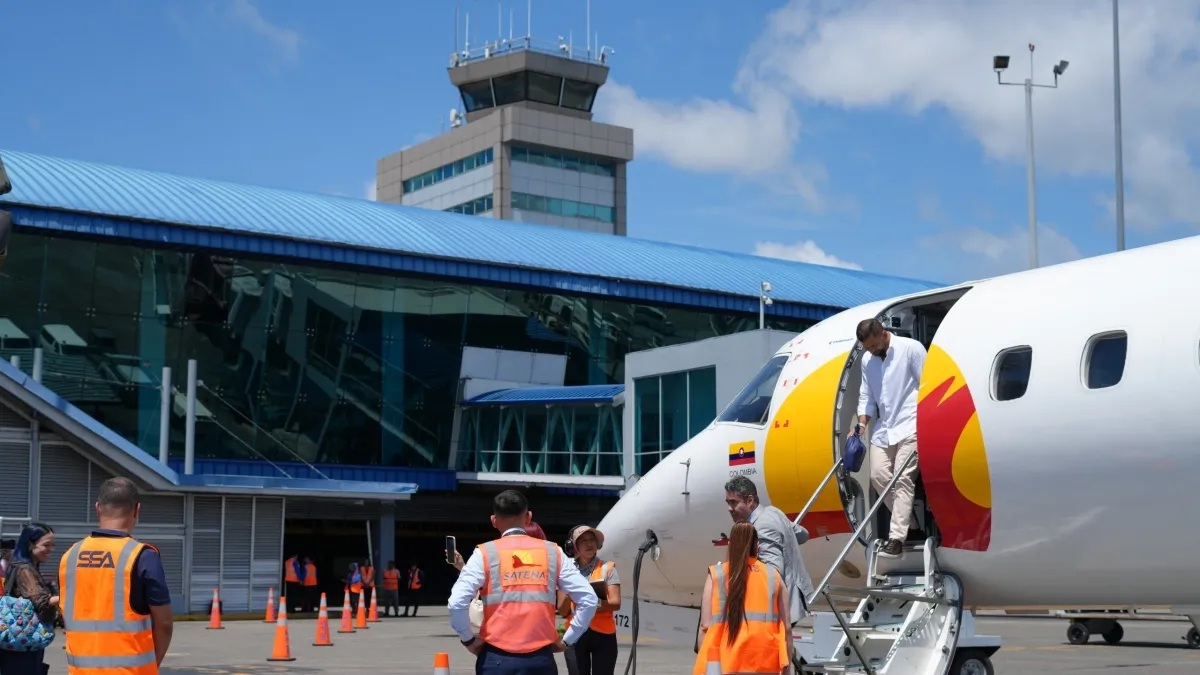
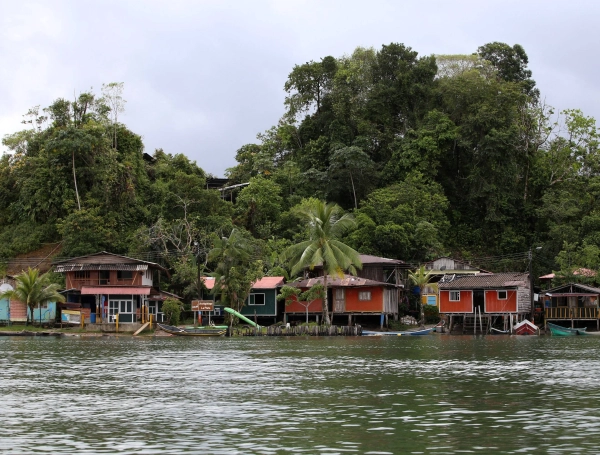
- Infrastructure and Air Connectivity Overhauls: Joint working groups involving the departmental government, the Ministry of Transportation, and the Colombian Civil Aviation Authority (Aeronáutica Civil) to optimize airport operational conditions, tax frameworks, and regional connectivity—including expansions at the Cartago airport and potential route implementations toward Juanchaco and Ladrilleros on the Pacific coast.
Chronology of the Crisis and Response
The trajectory from immediate disaster response to economic recovery highlights a rapid, policy-driven pivot by local authorities:

- The Seismic Event and Initial Impact: Following the tremors, emergency response teams immediately prioritized search-and-rescue protocols, structural assessments of residential neighborhoods, and humanitarian aid distribution. Initial reports quickly revealed that the region’s economic engine—heavily reliant on hospitality, eco-tourism, and cultural visitors—was facing unprecedented jeopardy due to the 1,871 damaged commercial properties.
- Phase One: Humanitarian Relief and Structural Assessment (Weeks 1–4): Governor Dilian Francisca Toro’s administration focused on emergency housing assistance, basic needs fulfillment, and stabilizing displaced families. Concurrently, technical teams conducted exhaustive structural audits of the 1,167 critical tourism infrastructure assets, categorizing damages to design subsequent reconstruction frameworks.
- Phase Two: Launch of the Caravanas Solidarias (Months 2–3): Recognizing that prolonged closures would lead to permanent business insolvencies, the Secretariat of Tourism initiated the Caravanas Solidarias. These promotional excursions successfully redirected weekend travelers and media attention to municipalities like Sevilla and Buenaventura, injecting immediate liquidity into local micro-economies.
- Phase Three: Targeted Municipal Interventions (Current Operations): The rollout of specialized programs such as Roldanillo al Aire Libre began bridging the gap between temporary relief and long-term economic autonomy. By deploying commercial containers and forgivable micro-loans, the government ensured that entrepreneurs could resume trading ahead of peak seasonal travel windows.
- Phase Four: Structural Economic Diversification and Connectivity Talks (Ongoing): Parallel to physical reconstruction, the government pivoted toward scaling high-value tourism verticals, specifically medical tourism in Cali, alongside high-level negotiations with national aviation regulators to restructure regional airport concessions and open new coastal flight paths.
Supporting Data and Economic Metrics
The resilience and potential of Valle del Cauca’s tourism market are heavily supported by recent statistical tracking from national authorities, illustrating both the magnitude of the recent shock and the robust baseline demand for the region’s specialized offerings.
According to data compiled by the Asociación Colombiana de Agencias de Viajes y Turismo (Anato), the medical tourism sector has proven to be a vital economic buffer. Between January and August of 2026, Cali welcomed 5,889 foreign non-resident travelers whose primary purpose of entry was medical treatment or health procedures.
To contextualize this performance:
- National health-related entries for the same period stood at 21,034 travelers.
- Cali’s arrivals accounted for 28 percent of the entire country’s medical tourism volume, reinforcing the capital city’s position as the nation’s second-most prominent hub for international health services.
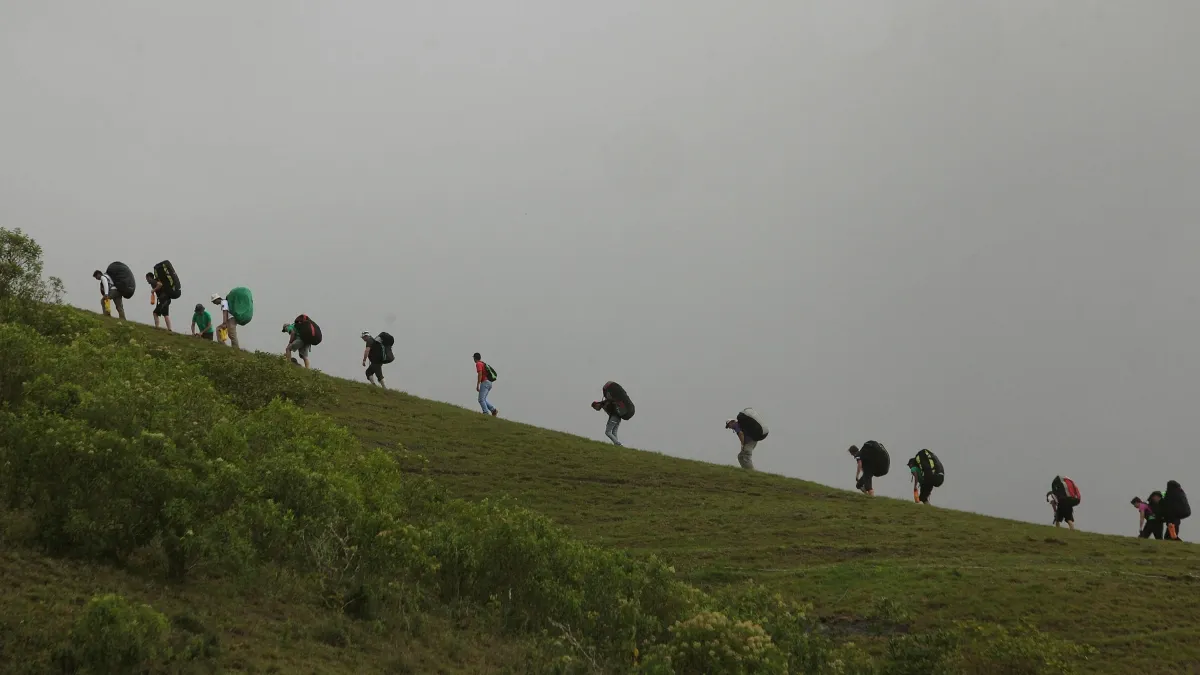
Conversely, the disaster’s footprint across the broader department exposed vulnerabilities in small-scale hospitality networks. Of the 1,871 affected establishments, the concentration of 1,167 severe or critical cases meant that nearly 62.3% of the damaged tourism infrastructure faced existential threats, placing thousands of direct and indirect jobs at risk across rural and semi-urban landscapes famous for coffee, paragliding, and natural heritage.
Official Responses and Stakeholder Perspectives
The execution of Valle del Cauca’s recovery blueprint relies heavily on coordinated governance and public-private synergy. Regional leaders have repeatedly emphasized that rebuilding must encompass both brick-and-mortar restoration and the strategic modernization of the department’s tourism product.
Governor Dilian Francisca Toro addressed the dual imperative of humanitarian aid and economic reactivation during a recent press briefing on regional recovery efforts:
"Desde el primer día de esta emergencia hemos venido trabajando para reconstruir y recuperar la vida de los vallecaucanos que lo perdieron todo, de quienes resultaron afectados. Lo primero fue la asistencia humanitaria, la reconstrucción asistida de las viviendas y devolver la dignidad a las familias. Hay que recuperar los empleos y posicionar nuestros municipios a través del turismo, generando ingresos para los vallecaucanos."
(“From the very first day of this emergency, we have been working to rebuild and recover the lives of the people of Valle who lost everything, of those who were affected. The first priority was humanitarian assistance, the assisted reconstruction of housing, and restoring dignity to families. We must recover jobs and position our municipalities through tourism, generating income for the people of Valle.”)
Echoing the Governor’s focus on diversifying tourism yields, Miyerlandi Torres, Secretary of Tourism for Valle del Cauca, underscored the sophisticated approach being applied to the medical tourism sector to ensure that international patients receive holistic experiences rather than isolated clinical interventions:
"La oportunidad radica en que cada paciente internacional encuentre no solo servicios médicos de excelencia, sino un destino preparado para atender toda su experiencia de viaje. Así, el turismo en salud se convierte en una fuente de desarrollo económico que va mucho más allá de los consultorios y hospitales."
(“The opportunity lies in ensuring that every international patient finds not only medical services of excellence, but a destination prepared to cater to their entire travel experience. Thus, health tourism becomes a source of economic development that goes far beyond clinics and hospitals.”)l
To support this vision, the Secretariat of Tourism has rolled out rigorous training programs focused on tourism service quality, diagnostic evaluations of hospitality facilities, and cross-sector working groups designed to streamline logistics for foreign medical visitors from the moment they touch down in Cali through their recovery and leisure excursions.

Implications for the Future of Regional Tourism
The comprehensive intervention unfolding in Valle del Cauca carries profound implications for the future governance of disaster-prone tourism destinations in Colombia. By refusing to treat the seismic event as a localized tragedy and instead utilizing it as a catalyst for systemic modernization, the departmental administration is reshaping the region’s economic landscape.
1. Diversification as a Risk Mitigation Strategy
The heavy blow dealt to traditional nature, adventure, and cultural tourism in municipalities like Sevilla, Calima-El Darién, and Roldanillo exposed the dangers of economic monoculture within rural destinations. By simultaneously fortifying urban-based economic pillars—such as Cali’s thriving medical tourism ecosystem—the department is creating a diversified economic cushion. If a natural disaster impacts outdoor recreational assets, urban and institutional tourism streams can help sustain the broader departmental economy.

2. Upgrading Regional Supply Chains and Entrepreneurship
The deployment of forgivable loans and modern commercial infrastructure (such as the containerized modules in Roldanillo) represents a shift toward resilient entrepreneurship. Rather than merely handing out temporary subsidies, the government is co-investing in the modernization of local businesses, ensuring that when travelers return, they encounter upgraded, safer, and more competitive amenities.
3. Resolving Historical Bottlenecks in Connectivity
For years, regional tourism leaders have pointed to high operational taxes, parking constraints, and limited regional flight paths as structural growth inhibitors. The ongoing high-level working sessions between the departmental government, the Ministry of Transportation, and Aeronáutica Civil point toward a long-overdue overhaul of Valle del Cauca’s aviation logistics. If successful, modernizing the primary departmental airport infrastructure, upgrading the Cartago airport for regional traffic, and opening direct routes to Pacific coastal zones like Juanchaco and Ladrilleros will fundamentally alter visitor transit times and unlock hitherto underexploited biodiversity hotspots.

Ultimately, Valle del Cauca’s strategy serves as a blueprint for crisis recovery: moving swiftly from emergency humanitarian rescue to structural economic reinvention, ensuring that the department not only recovers its lost ground but emerges as a more resilient, connected, and diversified tourism powerhouse in Latin America.