INTERNATIONAL DESK
Published: October 28, 2026, 4:16 PM
Updated: October 28, 2026, 4:33 PM
Main Facts
The high-profile federal criminal case involving narco-terrorism, corruption, and international drug trafficking charges against the ousted Venezuelan leader Nicolás Maduro has undergone a pivotal transition within the United States judicial system. According to formal court documents reviewed by legal analysts, the prosecution has officially been reassigned to U.S. District Judge Analisa Torres.
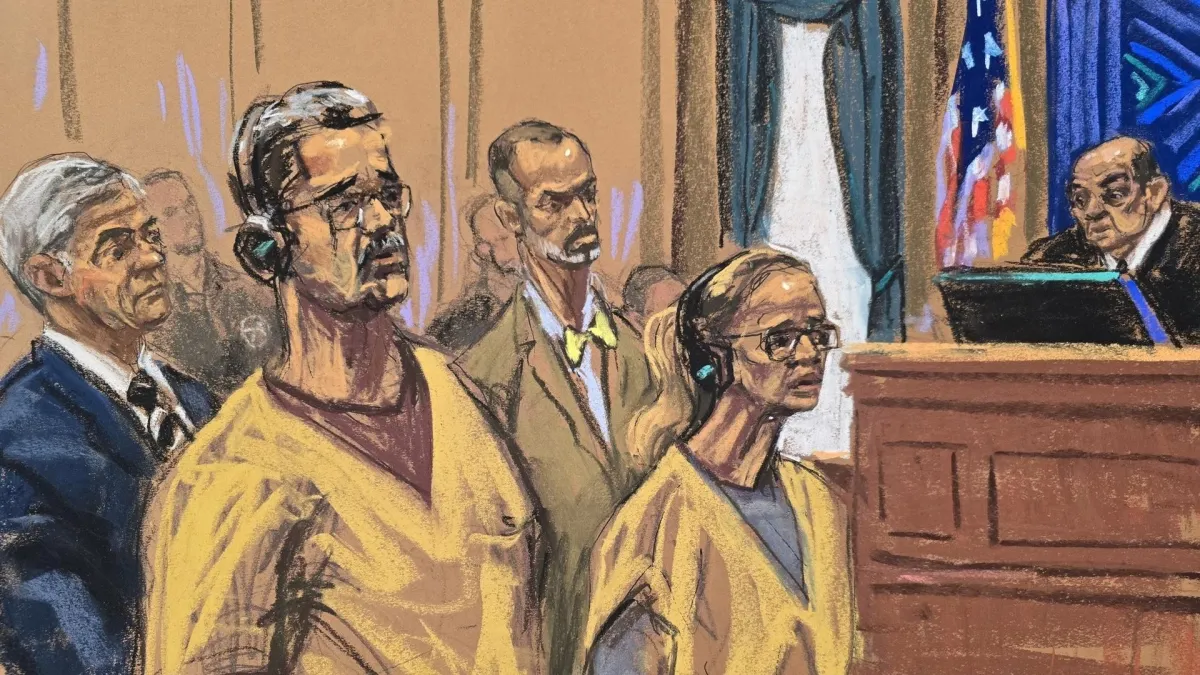
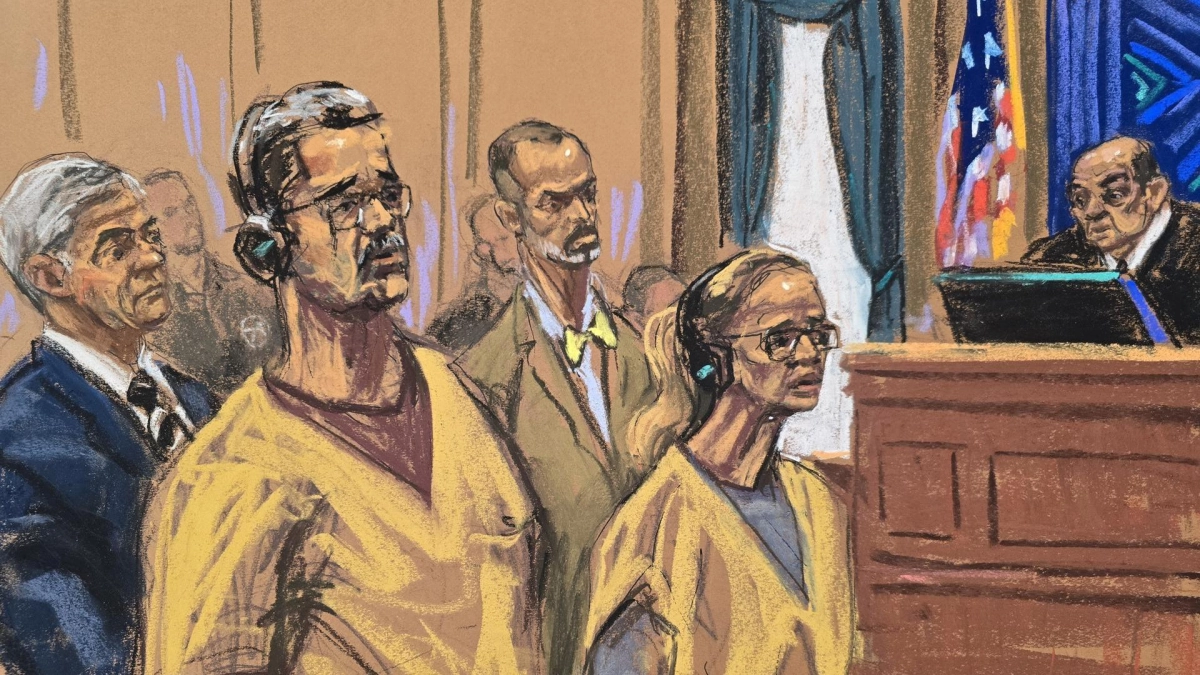
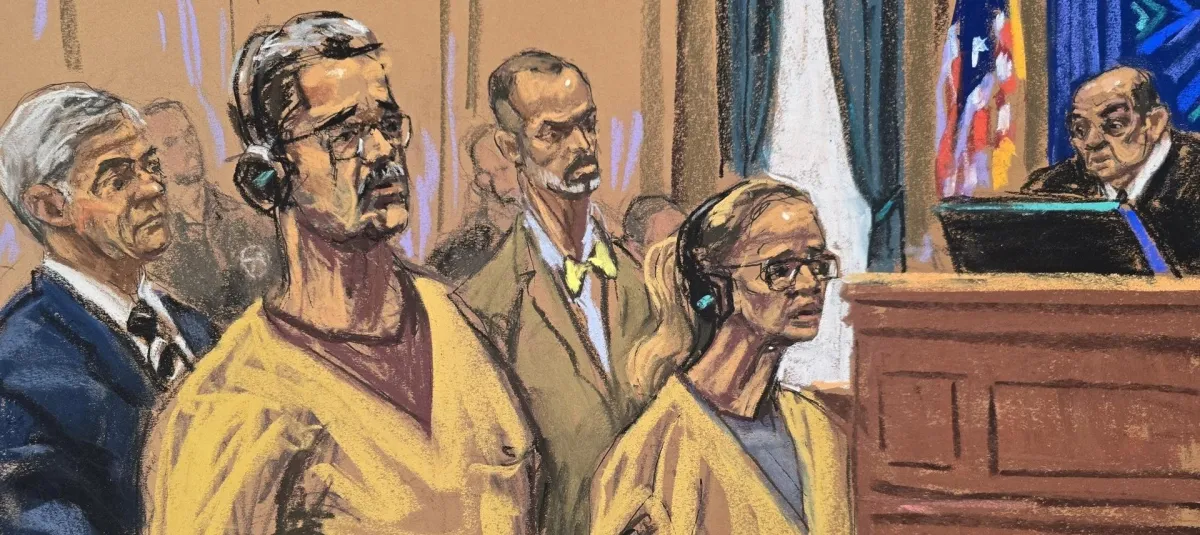
This major procedural shift comes in the wake of the death of federal judge Alvin K. Hellerstein, who had previously presided over the preliminary phases of the historic proceedings against Maduro and his wife, Cilia Flores. Judge Hellerstein, a veteran magistrate of the U.S. District Court for the Southern District of New York, had managed the initial arraignments and schedule-setting conferences that drew intense global media scrutiny, characterized famously by courtroom sketches depicting the defendants listening intently to the bench.
With Judge Torres now at the helm of the docket, the judicial calendar moves forward under a new authority. Court records confirm that the next crucial milestone in the proceedings—a scheduled pre-trial or status hearing—remains firmly locked on the court’s calendar for December 17. Legal scholars note that while changes in judicial assignment can occasionally introduce procedural delays, the transition to Judge Torres is expected to maintain the rigorous momentum established under the Southern District of New York’s strict case-management protocols.
Chronology of Events: From Caracas to the Southern District of New York
To understand the gravity of the current judicial realignment, it is essential to trace the unprecedented timeline that brought the former Venezuelan head of state into the crosshairs of the U.S. federal judiciary.
- March 2020 (The Indictment): The U.S. Department of Justice, under then-Attorney General William Barr, unsealed sweeping federal indictments against Nicolás Maduro and top-tier members of his inner circle. The charges alleged active participation in a narco-terrorism partnership with the Revolutionary Armed Forces of Colombia (FARC) designed to flood the United States with cocaine.
- The Years of Stalemate (2020–2025): For years, the indictments remained a diplomatic and legal sword of Damocles. Maduro retained de facto control over the Venezuelan state apparatus, insulated by military loyalty, domestic crackdowns, and deeply strained international relations, rendering direct extradition or apprehension virtually impossible through conventional diplomatic channels.
- The Regime’s Fall and Subsequent Arrest: Following years of mounting internal pressures, contested domestic transitions, and shifting geopolitical landscapes, the architecture of the Venezuelan regime collapsed. The subsequent enforcement of international warrants and coordinated multi-agency operations led to the dramatic apprehension of Maduro and Cilia Flores, paving the way for their transfer to U.S. soil to face long-standing federal charges.
- Arraignment and Judge Hellerstein’s Tenure: Upon arrival in New York, the defendants were brought before U.S. District Judge Alvin K. Hellerstein. During these initial hearings, iconic courtroom sketches—such as those rendered by artist Jane Rosenberg—captured the historic reality of a deposed South American leader sitting inside a federal courtroom in lower Manhattan, listening through interpreters to the litany of severe federal offenses levied against him.
- October 2026 (Judicial Reassignment): Following the passing of Judge Hellerstein, court files formally designated U.S. District Judge Analisa Torres as the new presiding judge over the multi-count federal indictment, setting the stage for the upcoming December 17 hearing.
Supporting Data and Legal Framework
The prosecution of Nicolás Maduro rests on complex statutory frameworks designed to target transnational organized crime and state-sponsored terrorism. The foundational charges center on violations of U.S. narco-terrorism statutes, which carry mandatory minimum sentences and formidable sentencing guidelines.

Key Charges in the Indictment:
- Narco-Terrorism Conspiracy: Prosecutors allege that Maduro and his co-conspirators leveraged state power, military infrastructure, and diplomatic protections to coordinate multi-ton shipments of cocaine destined for North America, utilizing guerrilla groups like the FARC as proxy enforcers.
- Conspiracy to Import Cocaine: Federal statutes under Title 21 of the U.S. Code form the bedrock of the drug trafficking allegations, penalizing concerted efforts to bypass international maritime and aerial interdiction efforts.
- Weapons Offenses: Additional counts involve the possession and distribution of military-grade weaponry—including machine guns and destructive devices—in furtherance of drug trafficking conspiracies.
Judge Analisa Torres: Profile and Judicial Track Record
Judge Analisa Torres, appointed to the U.S. District Court for the Southern District of New York, brings an extensive background in complex civil and criminal litigation to the Maduro docket. Known for managing high-stakes, globally watched litigations—including prominent financial and regulatory enforcement actions—legal observers anticipate that Judge Torres will maintain tight control over the courtroom schedule. Her handling of the December 17 hearing will provide the first concrete indication of how the defense and prosecution intend to structure pre-trial motions, evidentiary discovery, and potential challenges regarding sovereign immunity and jurisdictional boundaries.
Official Responses and International Reactions
The transition of the case has reignited international diplomatic debates and statements from key stakeholders across the Americas and Europe.

- United States Department of Justice: Federal prosecutors have consistently maintained that no individual, regardless of former or current title, is immune from prosecution for international drug trafficking and narco-terrorism. In preliminary statements following the initial arraignment, the DOJ underscored its commitment to holding corrupt leaders accountable for crimes that directly impact the safety and security of American communities.
- Venezuelan Political Landscape: Inside Venezuela, the ongoing judicial process in New York continues to generate deep polarization. Remnants of the ruling apparatus and allied factions have consistently denounced the proceedings as an illegal, politically motivated "extradition kidnapping," arguing that foreign courts lack jurisdiction over a former head of state. Conversely, various factions of the Venezuelan democratic opposition have welcomed the judicial proceedings, viewing the U.S. federal court system as a crucial instrument for securing accountability where domestic institutions were historically compromised.
- International Observers: Human rights organizations and international legal experts are monitoring the case closely. The trial is widely regarded as a watershed moment for the doctrine of universal jurisdiction and the enforcement of international criminal law against sitting or recently deposed autocrats accused of systemic corruption and drug trafficking.
Implications of the Case Reassignment
The shift from Judge Hellerstein to Judge Torres carries several critical implications for the trajectory of the trial:
1. Procedural Timeline and Momentum
With the next hearing officially marked for December 17, Judge Torres inherits a complex discovery phase. Defense attorneys are expected to file extensive pre-trial motions challenging the legality of the apprehension, the applicability of head-of-state immunity, and the evidentiary foundations of the government’s classified and unclassified disclosures. Judge Torres’s rulings on these initial motions will dictate whether the trial moves toward a substantive jury selection phase in 2027 or gets bogged down in prolonged interlocutory appeals.

2. Security and Logistical Complexities
The Southern District of New York is no stranger to high-security international trials—having previously managed cases involving foreign heads of state, major cartel leaders, and international terrorists. However, managing the security apparatus surrounding Nicolás Maduro and Cilia Flores presents unique logistical challenges. The transition in judicial leadership requires seamless coordination among the U.S. Marshals Service, homeland security agencies, and court administration to ensure the safety of all participants while safeguarding the constitutional rights of the defendants.
3. Precedent for Transnational Accountability
Beyond the immediate courtroom drama, the Maduro prosecution under the supervision of Judge Torres establishes a powerful legal precedent. It reinforces the capacity of domestic federal courts to adjudicate international crimes committed by foreign leaders who utilize the apparatus of a sovereign state to facilitate illicit narcotics distribution. As the December 17 hearing approaches, international jurists, diplomats, and citizens across the globe will be watching Manhattan to see how this historic chapter in international criminal law unfolds.