In an era defined by rapid digital consumption and the constant influx of information, the value of interactive learning has never been more pronounced. Science centers and educational institutions are increasingly turning to gamified content to bridge the gap between complex scientific concepts and the general public. This week, the renowned Maloka Interactive Center continues its tradition of public engagement by launching a comprehensive trivia challenge centered on the marvels of the animal kingdom.
Designed to test the mettle of nature enthusiasts and casual readers alike, this week’s installment invites participants to explore the intricate lives of creatures that share our planet. From the apex predators prowling the dense jungles of Bolivia to the subtle adaptations that allow species to thrive in extreme environments, the quiz serves as both a benchmark for knowledge and a catalyst for curiosity.
Main Facts: The Intersection of Science and Play
The core philosophy driving Maloka’s initiative is that knowledge is not merely a static collection of facts, but a dynamic process of discovery. The current trivia session focuses on biodiversity—a critical subject in today’s climate-conscious world. By presenting questions that delve into animal behavior, physiological traits, and ecological roles, the organizers aim to foster a deeper appreciation for the delicate balance of life.
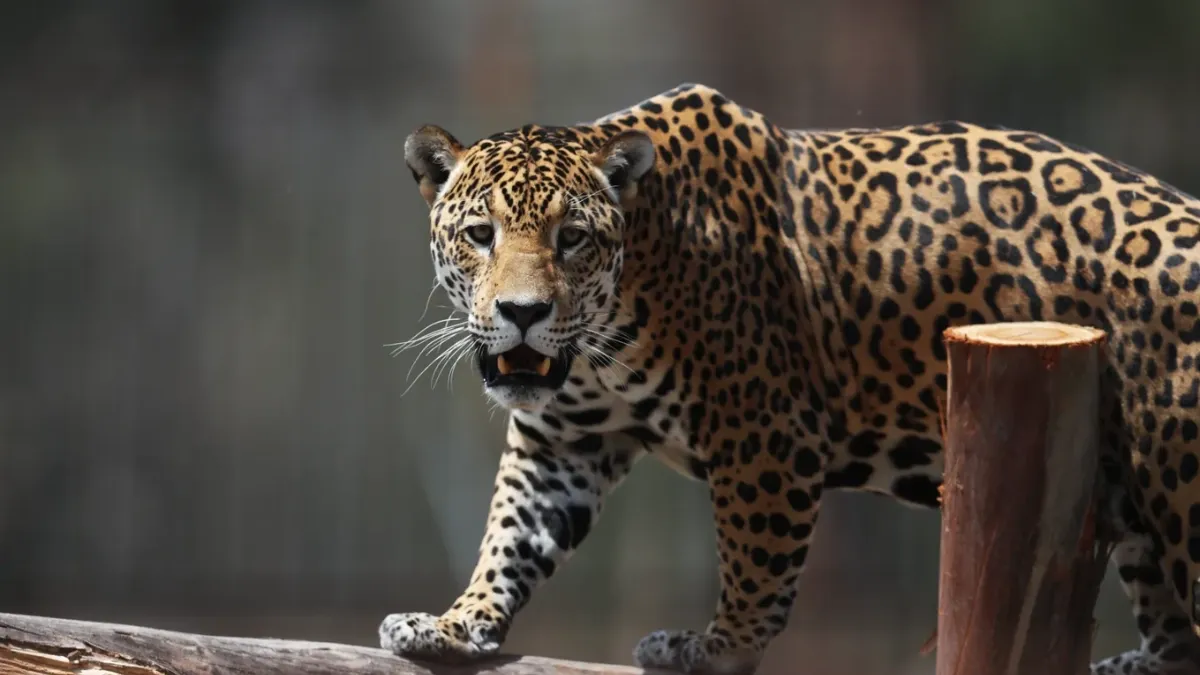
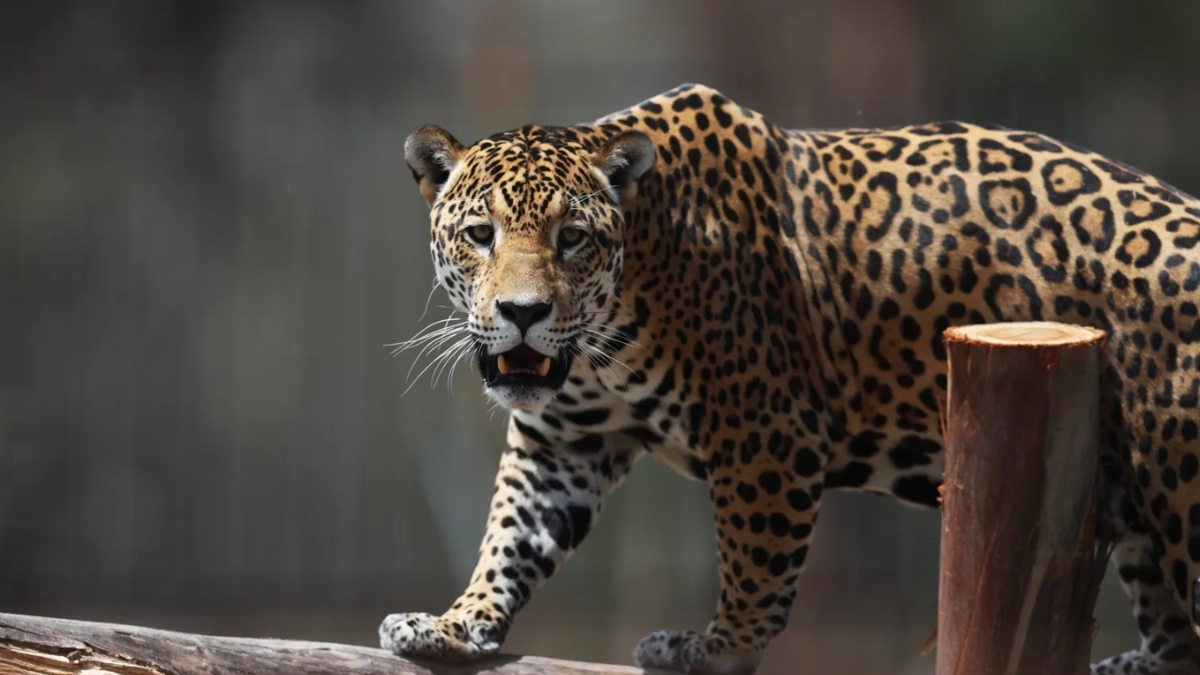
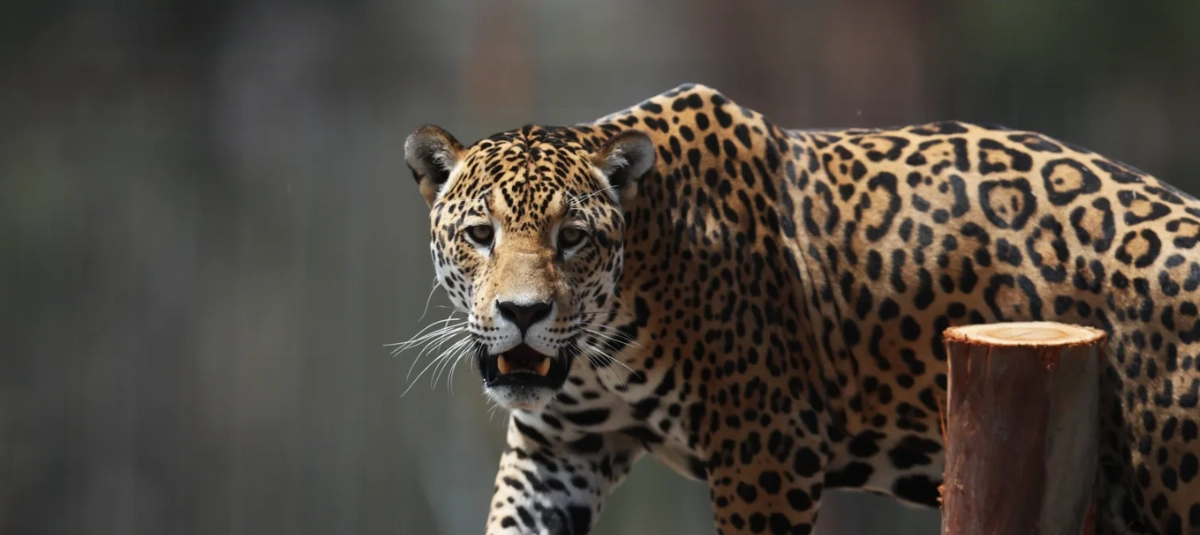
The featured imagery—a striking photograph of a jaguar in the Bolivian wilderness—serves as a poignant reminder of the majesty of the natural world. Jaguars (Panthera onca), the largest cat species in the Americas, are not just symbols of strength; they are keystone species. Their presence in an ecosystem indicates a healthy, functioning environment. When participants engage with questions about such animals, they are encouraged to look beyond the surface and consider the conservation challenges these species face, including habitat loss and human-wildlife conflict.
A Chronology of Engagement: How Maloka Educates
To understand the impact of these initiatives, one must look at the evolution of Maloka’s digital content strategy. Over the past decade, the center has transitioned from being a physical space for exploration in Bogotá to a digital hub accessible to anyone with an internet connection.
- 2020-2022: The Digital Pivot: Following the global shift toward remote learning, Maloka accelerated its digital content production. This era marked the birth of the "Weekly Trivia" format, aimed at maintaining public interest in science during periods of isolation.
- 2023: Integration of Multimedia: The incorporation of high-definition visuals, audio summaries, and interactive feedback loops became the standard, ensuring that users were not just reading, but interacting with content.
- 2024-2025: Focus on Specialized Themes: The curriculum expanded to include specialized topics such as aerospace engineering, climate change, and marine biology, demonstrating a commitment to diverse scientific literacy.
- 2026: The Current Landscape: Today, the platform functions as a sophisticated testing ground for public knowledge. The October 2026 series represents the culmination of years of iterative design, featuring refined response times and a more robust database of educational material.
Supporting Data: Why Biodiversity Matters
Why does it matter if a reader knows how many spots a jaguar has or what diet is required for a specific apex predator? The data suggests that cognitive engagement with wildlife biology correlates strongly with pro-environmental behaviors.
According to studies on informal science education, individuals who participate in gamified learning are 40% more likely to retain facts about environmental conservation compared to those who consume traditional articles. Maloka’s trivia system utilizes "spaced repetition," a technique where questions are spaced out by a five-second interval, allowing the brain time to process the information and reinforce the learning experience.
Furthermore, the diversity of the quiz topics—ranging from physics (why airplanes fly) to zoology—creates a "cross-pollination" of knowledge. A user who visits the site to learn about aviation might stay to answer questions about the jaguar, effectively broadening their general knowledge base in a single session.
Official Perspectives: The Value of Informal Education
Experts from the Maloka educational team emphasize that the goal of the trivia is not to grade the user, but to spark an interest that lasts beyond the session. "The digital space is cluttered," one coordinator noted in a recent internal briefing. "Our objective is to provide a ‘slow-learning’ experience. By slowing down the delivery of questions, we encourage the user to step back, reflect, and appreciate the complexity of the subject matter."

The pedagogical strategy is rooted in the concept of "low-stakes testing." By removing the pressure of a formal academic environment, users are more willing to guess and, consequently, more open to learning from their mistakes. The platform is designed to provide immediate corrections, ensuring that if a user selects the wrong answer, the correct information is provided instantly, turning failure into a teaching moment.
Implications for Future Learning
The success of the Maloka Trivia series has significant implications for how we view the future of educational media. As we look toward the remainder of 2026 and beyond, several trends are emerging:
1. The Gamification of Science
The move toward interactive quizzes is part of a larger trend known as "edutainment." By integrating high-quality imagery, such as the EFE-provided jaguar photograph, with challenging, well-researched questions, institutions can maintain high engagement rates while fulfilling their mission of public enlightenment.

2. Accessibility and Inclusivity
One of the primary advantages of this digital format is its accessibility. Whether a student is in a rural area or an urban center, they have access to the same high-quality information. The inclusion of mobile-responsive designs ensures that the learning experience is seamless across devices, from smartphones to desktop computers.
3. Community Building
Through newsletters and social media integration (Facebook and X/Twitter), Maloka is building a community of "citizen learners." These platforms allow participants to share their results, discuss the answers, and engage in a dialogue about the science behind the questions. This fosters a sense of belonging and collective growth, which is essential for long-term engagement.
How to Participate and Why You Should
For those ready to test their knowledge, the process is straightforward. The current quiz is hosted on the Maloka portal, integrated within a user-friendly interface that prioritizes clarity and focus. Users are encouraged to approach the quiz not as a test of their ego, but as a journey of exploration.

"Do not worry if you do not know the answer," the organizers reiterate. "The goal is to leave the session knowing more than you did when you arrived." This sentiment captures the essence of the scientific method: it is not the absence of questions that defines a scientist, but the persistence in seeking the answers.
As you navigate through the questions—perhaps pondering the habits of the jaguar or the mysteries of the cosmos—remember that every correct answer is a piece of the puzzle that makes up our understanding of the universe. The trivia is not just a way to kill time; it is a way to sharpen the mind and deepen our connection to the world around us.
Conclusion: A Continuous Journey
The intersection of technology and biology has created a unique opportunity for global citizens to stay informed. Through the collaborative efforts of Maloka and media partners like El Tiempo, the public is invited to engage with science in a meaningful, structured, and enjoyable way.

Whether you are a student, a professional, or simply a curious mind, these weekly challenges offer a sanctuary for learning. By staying updated through official newsletters, mobile apps, and direct interaction with educational platforms, you ensure that you remain a part of the conversation.
The jaguar in the photograph waits for no one, but the knowledge it represents is there for everyone to grasp. We invite you to step into the digital classroom that is Maloka’s trivia. Challenge yourself, share the experience with others, and most importantly, keep learning. Because in the vast, complex, and beautiful world we inhabit, the pursuit of knowledge is the most important journey of all.
Stay updated with all the latest developments in science, geography, and history by subscribing to the official El Tiempo newsletters. Follow our social media channels to join a community dedicated to lifelong learning and discovery.