By Edwin Caicedo, Environmental and Health Correspondent
September 26, 2026
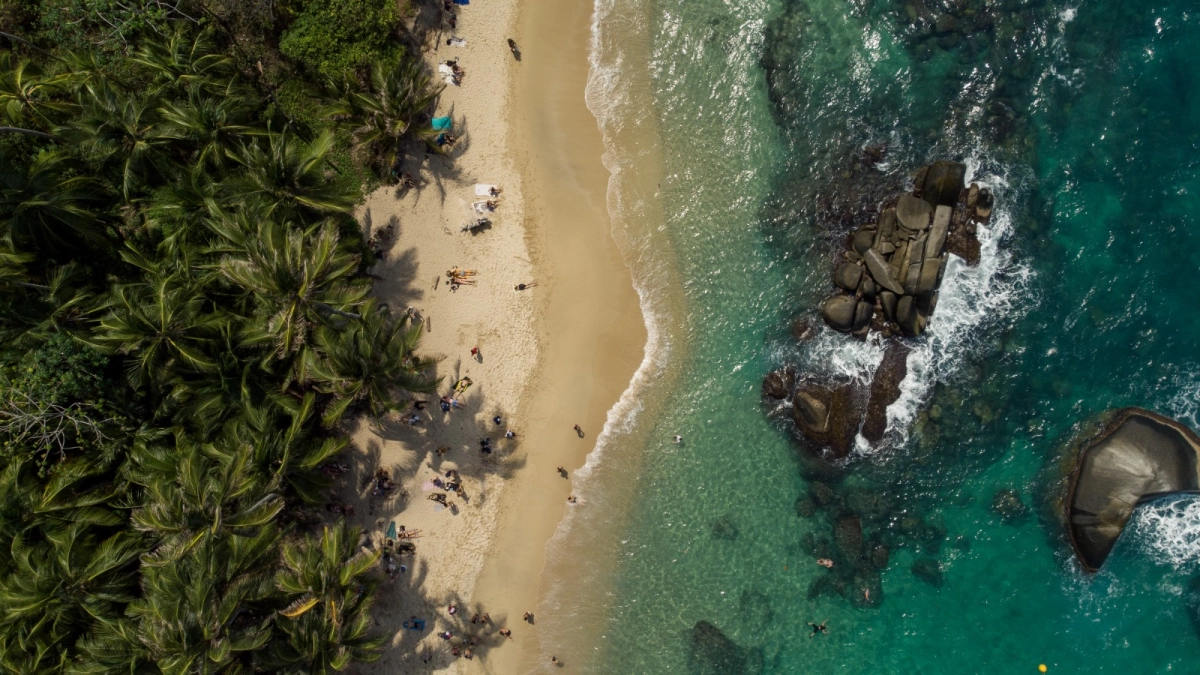
In response to the volatile security landscape currently unfolding in the Santa Marta region, the Colombian Ministry of Environment and Sustainable Development, in coordination with the National Natural Parks (PNN) authority, has officially triggered emergency risk protocols and contingency plans. These measures are designed to safeguard the integrity of visitors, staff, contractors, and the indigenous communities residing within the protected ecosystems of the Tayrona National Natural Park and the Sierra Nevada de Santa Marta.
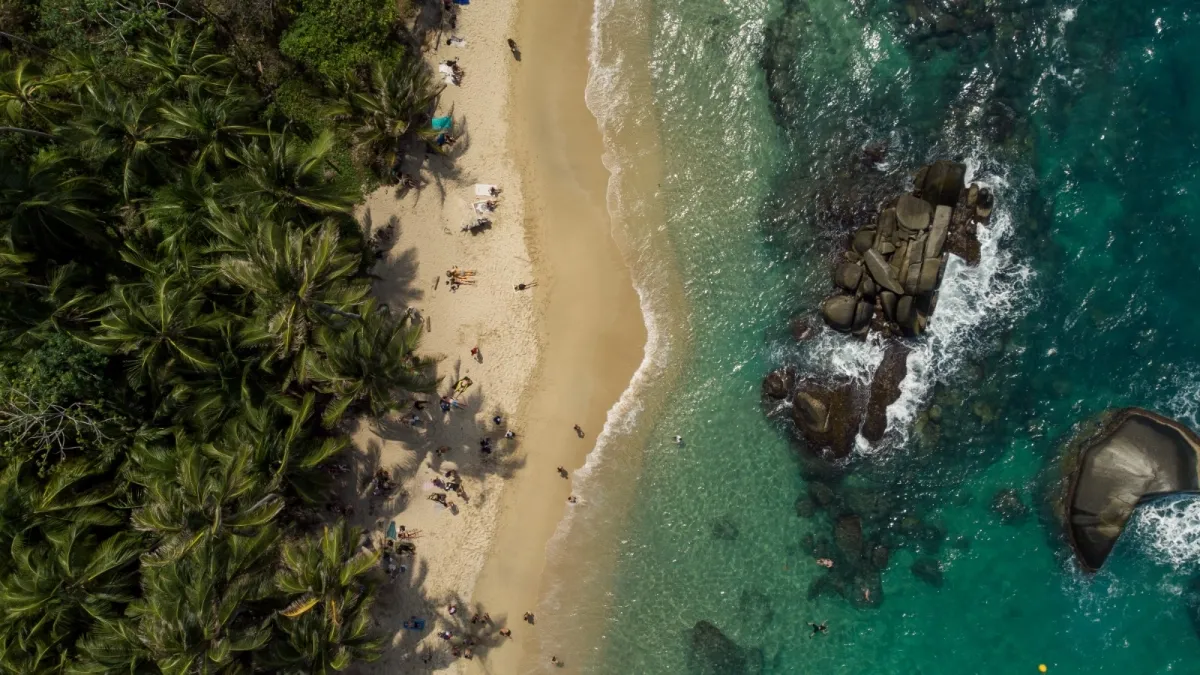
As of this morning, authorities have confirmed that no physical harm or security incidents involving PNN personnel or contractors have been reported. However, the situation remains fluid, necessitating a shift in administrative and operational strategies to mitigate risks to human life and the environment.
Main Facts: A Balanced Approach to Security and Conservation
The regional security crisis, characterized by mobility restrictions along the Troncal del Caribe highway and localized civil unrest, has forced a recalibration of how these natural sanctuaries operate. While the government emphasizes that the nation’s natural heritage must remain shielded from the complexities of public order conflicts, the logistical reality on the ground has required immediate intervention.

The core of the current directive is twofold: maintaining continuity for tourism where safe, and ensuring total protection for the human capital managing these regions. In the Tayrona National Natural Park, this translates to a "conditional" operational status. Meanwhile, the Sierra Nevada de Santa Marta—a region of profound ecological and cultural sensitivity—has moved to a total suspension of field operations to avoid exposing staff to potential confrontations.
Chronology of the Response
The escalation of tension in the Santa Marta corridor during the last 72 hours prompted a rapid response from national authorities.
- September 24: Reports of increased mobility restrictions along the Troncal del Caribe began impacting logistics for local supply chains and park access.
- September 25: Following a series of security briefings, the Ministry of Environment, led by Minister Fabio Arjona, ordered the formation of an internal Puesto de Mando Unificado (PMU)—a Unified Command Post—to coordinate with the Army, National Police, and regional government entities.
- Early Morning, September 26: The decision was finalized to restrict access to the Tayrona park to those with pre-existing, confirmed reservations, and a total cessation of non-essential field tasks was mandated for the Sierra Nevada sector.
- Ongoing: The PMU remains active on a 24/7 basis, evaluating incoming intelligence from the Magdalena department and the immediate surroundings of the parks.
Supporting Data and Operational Status
The operational landscape is currently divided by the specific risk profiles of each location.
The Tayrona National Natural Park
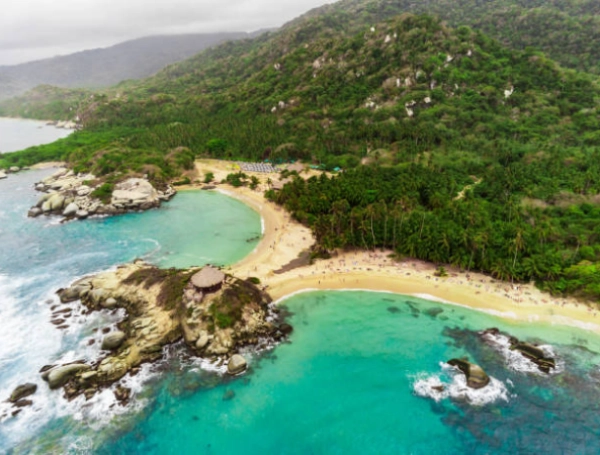
Despite the surrounding instability, the PNN has opted to keep the gates open, provided that visitors adhere to strict entry protocols. This move is designed to support the local tourism economy, which is a vital lifeline for thousands of Santa Marta residents.
- Monitoring Sectors: Special focus is being placed on the corridors of Calabazo, Palangana/Neguange, Arrecifes, Cañaveral, Playa Brava, Bahía Concha, Cabo San Juan, and Zaino.
- Access Policy: Entry is strictly limited to individuals with confirmed, pre-booked reservations. The sector of Calabazo remains under particularly intense surveillance due to its proximity to sensitive transit routes.
The Sierra Nevada de Santa Marta
The approach here is far more conservative. Given the vastness of the mountain range and the logistical difficulty of securing remote field sites, the decision to suspend field activities was deemed essential. This measure directly impacts ongoing conservation, research, and infrastructure maintenance projects, which will remain on hold until the security environment stabilizes.
Official Responses: The Stance of the Ministry
Minister of Environment and Sustainable Development, Fabio Arjona, addressed the public early this morning, underscoring the government’s dual responsibility: the protection of human life and the preservation of biodiversity.
"Our priority is to protect the lives of the communities, our park rangers, and all the personnel who dedicate themselves to the care of our National Parks," Arjona stated. "Our message is unambiguous: nature cannot be caught in the crossfire of conflict, nor should it be put at risk by situations that threaten public order. We are working in lockstep with local and national authorities to ensure that those who guard these treasures, and those who call them home, remain safe."
The Ministry’s approach highlights a growing concern in Colombia regarding the intersection of environmental governance and regional conflict. By embedding the PNN within a PMU structure, the government is attempting to ensure that environmental authorities have a seat at the table when security decisions are made, preventing a "blind spot" in the management of protected areas.
Implications for Indigenous Communities and Regional Security
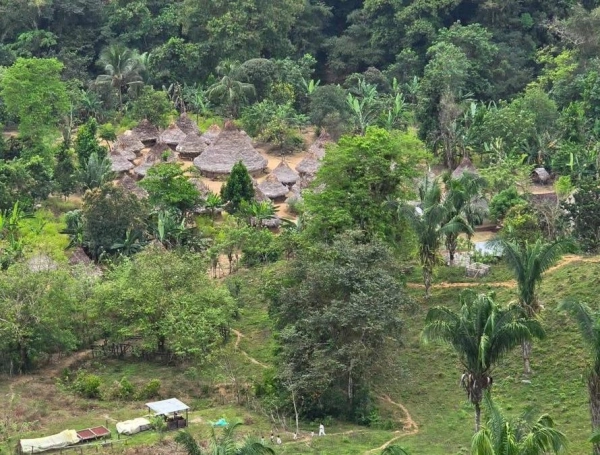
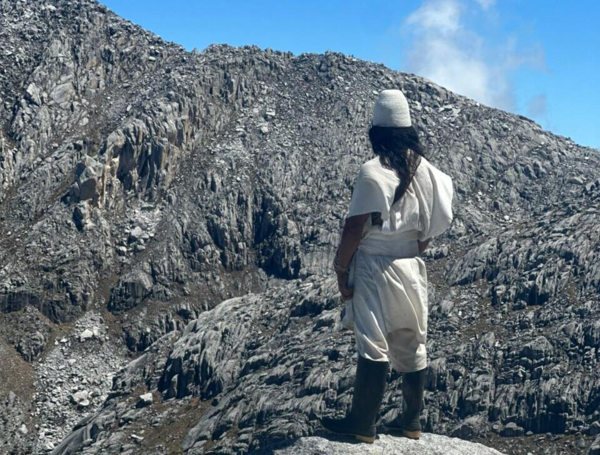
A significant portion of the government’s efforts is focused on the safety of the indigenous Arhuaco and Kogui communities. These populations are not only inhabitants of the Sierra Nevada but are also critical partners in the conservation of the range.
The PNN has reported that, as of now, there have been no incidents involving these communities. However, the presence of various armed actors in the surrounding lowlands creates a high-stakes environment for the indigenous authorities, who maintain their own traditional governance systems. The inclusion of indigenous leadership in the PMU is a strategic move to ensure that the state’s security protocols do not infringe upon indigenous autonomy while providing a layer of protection against the spillover of regional violence.

Future Outlook: The Role of the Unified Command Post (PMU)
The PMU acts as the nerve center for the current crisis. Its composition reflects the multi-dimensional nature of the threat:
- Security Forces: The National Police and the Army provide the intelligence and boots-on-the-ground support required to assess route safety.
- Governmental Oversight: The Governor of Magdalena and the Mayor of Santa Marta facilitate communication with the urban centers that serve as hubs for the parks.
- Humanitarian Advocacy: The Defensoría del Pueblo (Ombudsman’s Office) ensures that human rights, particularly those of vulnerable populations, are at the forefront of all decision-making.
The sustainability of these operations depends entirely on the evolution of the security situation in the coming days. If the mobility restrictions on the Troncal del Caribe continue to persist, the PNN may be forced to escalate its response, potentially moving toward a temporary closure of the Tayrona park—a move that would be a significant blow to the local tourism industry but a necessary one for public safety.
As the situation remains volatile, the Ministry of Environment has pledged to maintain transparency. Updates will be provided to the public as the security assessment changes. For now, the "wait and watch" approach in the Tayrona and the "precautionary suspension" in the Sierra Nevada represent the best available strategy to balance the competing interests of economic stability, human safety, and environmental stewardship.
Final Assessment
The current crisis underscores the vulnerability of protected areas in Colombia. While the parks themselves are not the intended targets of the conflict, their geographic location often places them at the center of the crosshairs. The success of the current contingency plan will be measured by its ability to prevent any harm to the park personnel and to allow for a swift return to normal operations as soon as the broader security situation in Santa Marta is normalized.

The Ministry of Environment remains clear: while the nature of the crisis is political and security-related, the impact is environmental, and the response must be as comprehensive as the challenges faced by the region. As of today, the natural wonders of the Sierra Nevada and the Tayrona remain under the watchful eye of the state, awaiting a return to the peace and tranquility necessary for their continued stewardship.