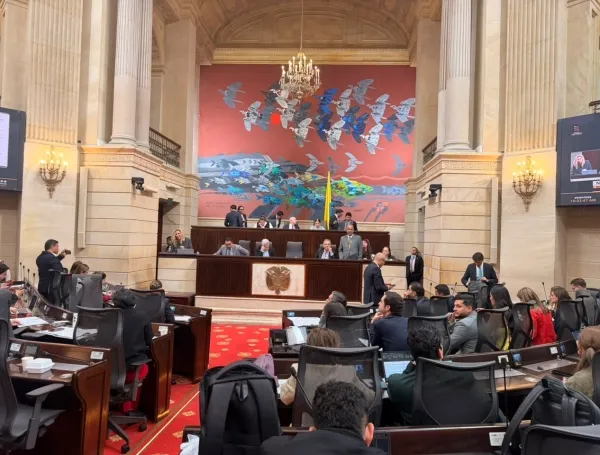
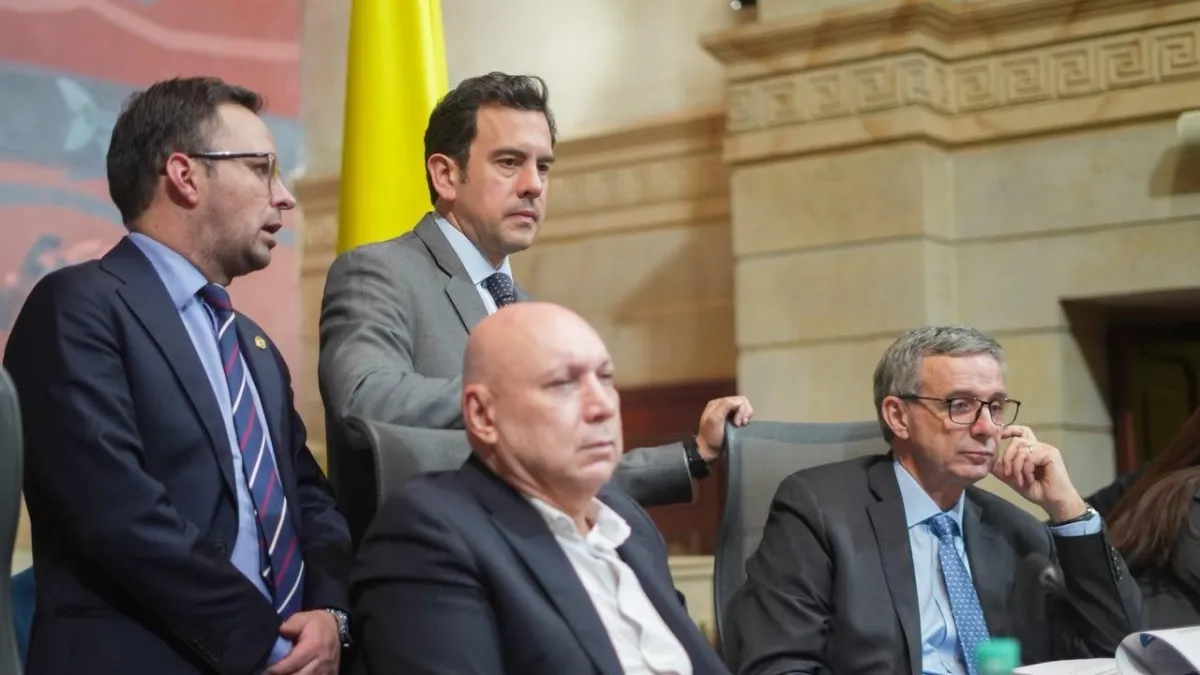
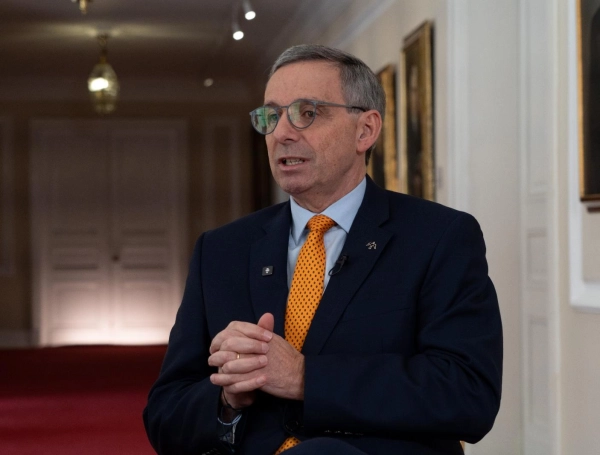
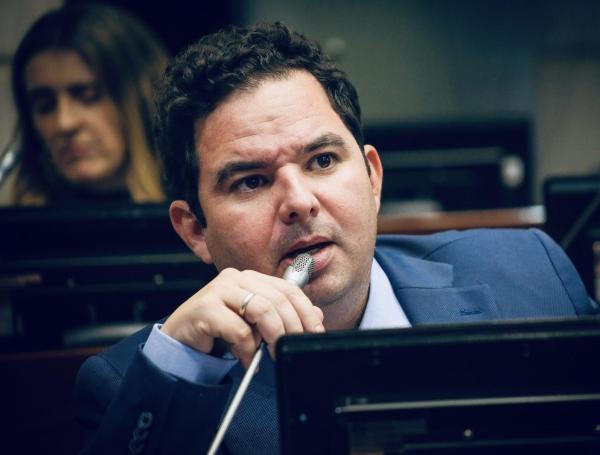
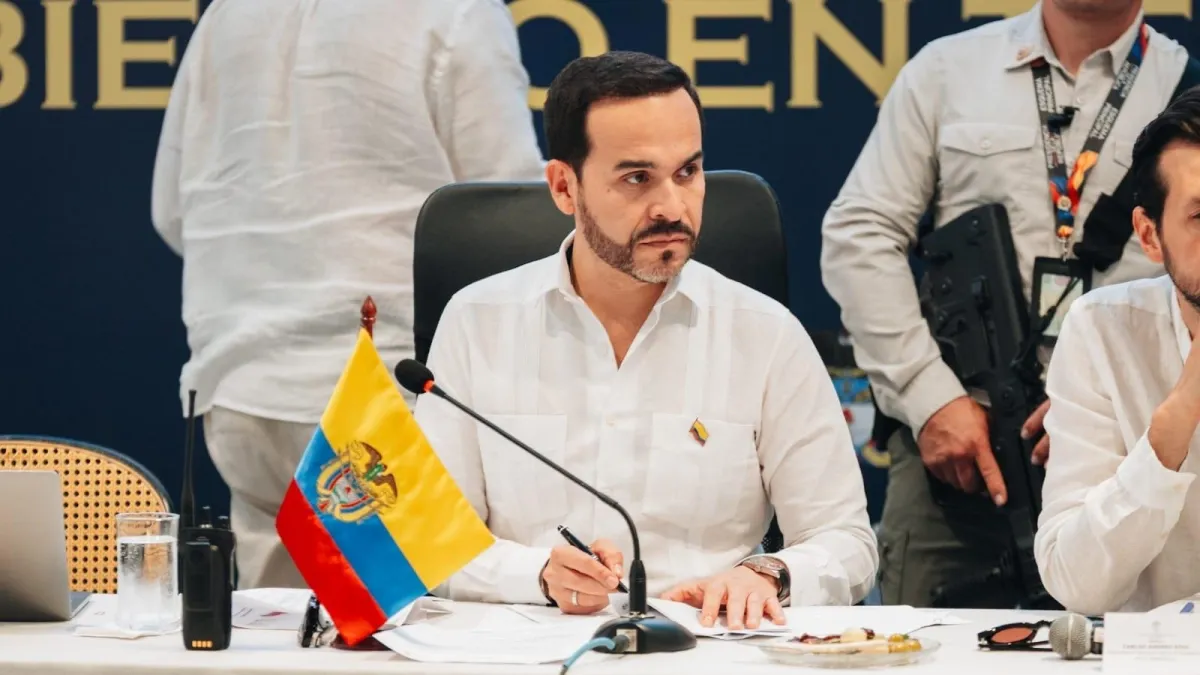
BOGOTÁ — Following a tense and highly scrutinized legislative debate, the Economic Committees of the Senate and the House of Representatives have given the green light to a staggering $634.9 trillion general national budget for the year 2027. However, the hard-fought victory for the administration of President Abelardo De La Espriella is far from an open checkbook.
Lawmakers from across the political spectrum made it explicitly clear that their final, definitive endorsement of the fiscal package is conditional. The legislative branch is demanding concrete spending cuts, structural corrections to the state’s financial architecture, and the submission of a comprehensive fiscal adjustment law before the budget formally takes effect.
As the executive branch embarks on weeks of intense negotiation leading up to the constitutional deadlines, the administration faces the dual challenge of funding critical national development goals while appeasing a wary Congress determined to rein in a persistent fiscal deficit.
Main Facts
The core legislative battle concluded on Monday when the joint Economic Committees approved the overarching monetary amount of $634.9 trillion for the 2027 national budget. While the administration views this initial vote as a vital milestone and a vote of confidence, it has triggered a complex series of negotiations regarding how these funds will be distributed sector by sector.
Key components of the political stalemate and subsequent negotiations include:
The Stance of the Executive: Minister of Finance Miguel Gómez acknowledged that while the approved budget is far from optimal, it represents the maximum fiscal allowance the national economy can sustain under current macro-financial constraints.
Legislative Guardrails: Major political factions, including the Centro Democrático and Salvación Nacional, have emphasized that approving the macro-figure does not equal a blank check for the executive’s spending habits.
Demands for Fiscal Adjustments: Congress is pressing for immediate transparency regarding upcoming budget cuts, structural reforms, and a forthcoming "rescue law" designed to rescue public finances from a widening deficit that currently hovers near 9% of the Gross Domestic Product (GDP).
Upcoming Legislative Hurdles: The administration has until October 20 to secure absolute approval in congressional plenaries, navigating a delicate path of compromises concerning public operational expenditures versus strategic public investments.
Chronology of the Budgetary Process
The pathway toward finalizing the 2027 national budget follows a rigid constitutional and legislative timeline, leaving very little margin for error or delay between the executive cabinet and Capitol Hill.
September 14, 2026: The Joint Economic Committees of the Senate and House of Representatives officially approve the overarching budget total of $634.9 trillion after intensive hearings featuring various ministries, including Labor, ICT, Health, and the National Electoral Council.
September 15 to September 25, 2026: The current phase of intense coordination and debate. The government, led by Minister of Finance Miguel Gómez and Minister of the Interior Rodrigo Lara, must work alongside congressional coordinators and project ponentes to draft a refined article-by-article breakdown. This phase will determine sector-specific allocations and evaluate proposed spending cuts.
Late September – October 20, 2026: The budget project transitions from the economic committees to the full legislative plenaries for its definitive discussion and voting process.
October 20, 2026: The ultimate constitutional deadline for Congress to approve the budget law with any incorporated modifications. Should the legislative branch fail to meet this deadline, the original project presented by the executive will automatically take effect, as dictated by Article 348 of the Colombian Constitution.
Post-October / Late December 2026: If modifications are successfully passed and sanctioned by President Abelardo De La Espriella, the government will officially issue the Liquidation Decree before the end of the calendar year, enabling state entities to legally utilize the allocated resources starting January 1, 2027.
Supporting Data and Economic Context
The fiscal landscape facing the De La Espriella administration is defined by tight margins, high debt servicing, and an alarming macroeconomic backdrop. According to projections cited during the committee debates, Colombia’s fiscal deficit remains a central vulnerability.
The Deficit Dilemma: Lawmakers from the opposition and independent parties have sounded alarms over a fiscal deficit hovering near 9% to 9.2% of the GDP. Senators have warned that without immediate structural intervention, these figures could destabilize the nation’s sovereign credit rating and compromise long-term economic stability.
Operational vs. Investment Spending: Critics within the legislature argue that too much public capital is tied up in routine operational costs rather than high-impact infrastructure and social development. Demands have been formally tabled to systematically reduce state bureaucracy while scaling up investments in energy, social development, housing, healthcare, and education.
The Broader Legislative Package: The general budget is treated by the administration as merely the first structural sketch of a wider economic overhaul. Minister Gómez has confirmed that upcoming initiatives—including a much-anticipated "rescue law" and the forthcoming National Development Plan—will be required to fill in the missing pieces of the executive’s ambitious economic transformation agenda.
Official Responses and Political Posture
The parliamentary debate yielded a mixture of cautious optimism from the executive branch and firm, conditional backing from key congressional leaders.
The Executive Branch
Minister of Finance Miguel Gómez expressed gratitude to the legislature for granting the administration a foundational "vote of confidence," despite recognizing the inherent limitations of the fiscal package.
"This presupuesto is not optimal… but it is the one we can afford given the conditions in which the national economy finds itself," Gómez stated following the vote. He added that the administration views this vote as the starting line for weeks of intensive collaboration, stating, "Everything starts with a first step… Coming up are other important moments: the rescue law and the National Development Plan that will complete what is the sketch of a structural change in our economic policy."
Echoing the sentiment of fiscal austerity and administrative efficiency, Minister of the Interior Rodrigo Lara emphasized the government’s commitment to cutting waste. Taking to social media platform X (formerly Twitter), Lara championed the necessity to "detect politicking, waste, and cut them," vowing that savings realized from slashing inefficient expenditures would be redirected to safeguard social programs and critical public investments.
The Legislative Branch
Despite the government’s conciliatory tone, members of Congress established non-negotiable boundaries.
Senator Carlos Meisel (Centro Democrático): Expressed his party’s willingness to support the executive but insisted on accountability. "We want to ratify to the Government our vote of confidence, but with rules. That is why the Centro Democrático is going to file a proposition that allows us to know, before this budget law enters into force, the precise cuts and the fiscal adjustment law," Meisel declared, stressing that Colombia cannot sustain a deficit approaching 9% of GDP.
Senator Christian Garcés (Centro Democrático): Highlighted the compounding pressure of national emergencies—such as post-earthquake reconstruction—alongside demands for heightened security and social spending. Garcés urged the executive to aggressively seek international cooperation to reperfile or renegotiate public debt, freeing up vital fiscal space for regional development.
Senator Sara Castellanos (Salvación Nacional): Explicitly warned that approving the global monetary ceiling does not translate to an automatic green light for resource distribution. Castellanos demanded immediate reductions in operational spending and an influx of resources into strategic sectors like energy and social services, reiterating that a comprehensive fiscal adjustment law must accompany the budget to prevent the deficit from worsening to 9.2% of GDP.
Implications and Outlook
The coming weeks will test the political capital and negotiation acumen of the De La Espriella administration. By linking their final approval to concrete promises of austerity, structural state downsizing, and fiscal modernization, the legislative branches have effectively turned the budget approval into a referendum on the government’s broader economic strategy.
If the executive successfully collaborates with congressional coordinators to draft a satisfactory compromise before the October 20 deadline, it will secure a stable fiscal roadmap for 2027 alongside a legislative consensus for its upcoming rescue and development laws. However, failure to deliver credible spending cuts and meaningful structural adjustments risks deepening legislative gridlock, intensifying macroeconomic pressures, and straining relations between the Casa de Nariño and a fiercely independent Congress.
BOGOTÁ, Colombia — In a move that underscores a distinct division of labor within Colombia’s executive branch, President Abelardo De La Espriella has finalized preparations with Vice President José Manuel Restrepo for the upcoming United…
Bogotá, Colombia – July 17, 2026 – Colombia’s newly formed government coalition faces its first significant test, even before President-elect Abelardo de la Espriella takes office. Daniel Briceño, the highest-voted congressman-elect for the Democratic Center…
Bogotá, Colombia — In a move that signals a significant departure from traditional military appointments, the administration of President Abelardo De La Espriella has officially published the nomination of Lucas Eduardo Ariza as the new…