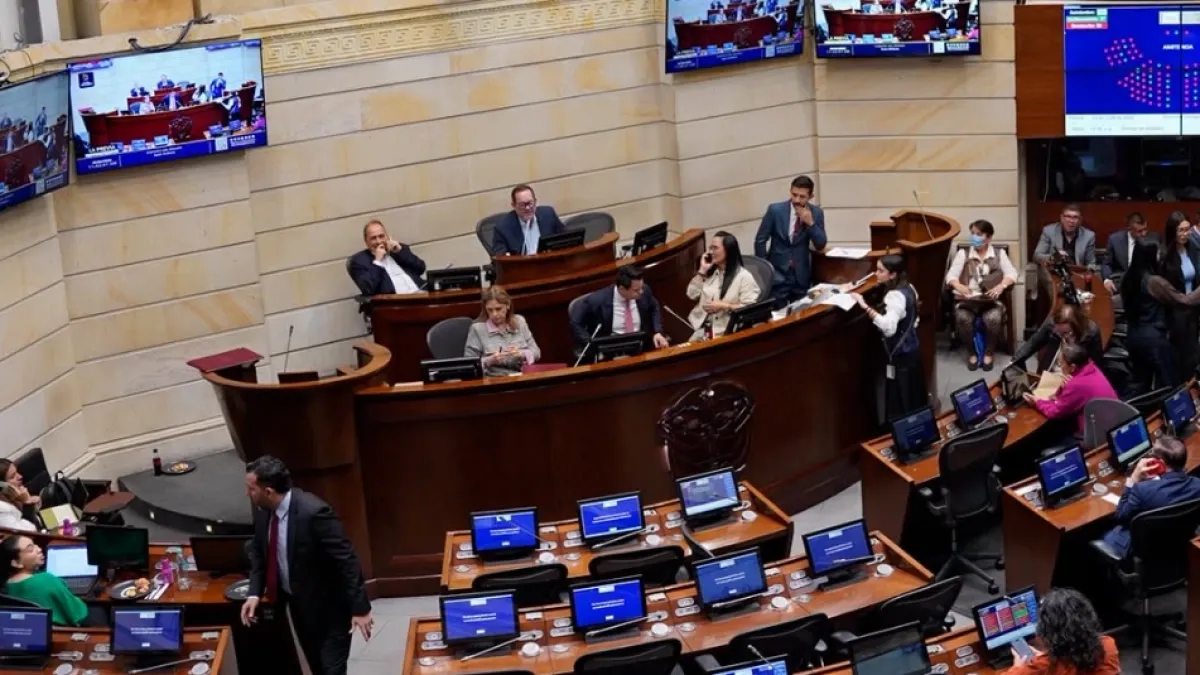
Bogotá, Colombia – July 16, 2026 – As the countdown to the new legislative period intensifies, Colombia’s political landscape is abuzz with fervent negotiations and strategic maneuvering. With the official installation of the Congress of the Republic slated for July 20th, party leaders are locked in critical discussions to determine the composition of the directorial boards for both the Senate and the House of Representatives. These high-stakes talks extend beyond the ceremonial presidencies, encompassing the crucial leadership of constitutional committees and several of the legislature’s most influential administrative posts. The outcomes of these backroom dealings are set to profoundly shape the legislative agenda of President-elect Abelardo De la Espriella and define the power dynamics within the nation’s deliberative body for the coming term.
The discussions are not merely about power distribution but also about laying the groundwork for the government’s ability to navigate its reform proposals through a potentially fractious Congress. Key positions, including the general secretariats and administrative directorates, hold significant sway over legislative processes, resource allocation, and personnel management, making them coveted prizes in the ongoing political chess match.
Main Facts: A Battle for Legislative Control
The immediate focus of Colombia’s political class is the strategic allocation of leadership roles within the upcoming legislative session. With President-elect Abelardo De la Espriella preparing to take office, the control of the Senate and House of Representatives’ presidencies, as well as the chairs of the constitutional commissions, is paramount for advancing his administration’s legislative agenda. These positions dictate the pace, priority, and ultimate fate of bills, including critical reforms.
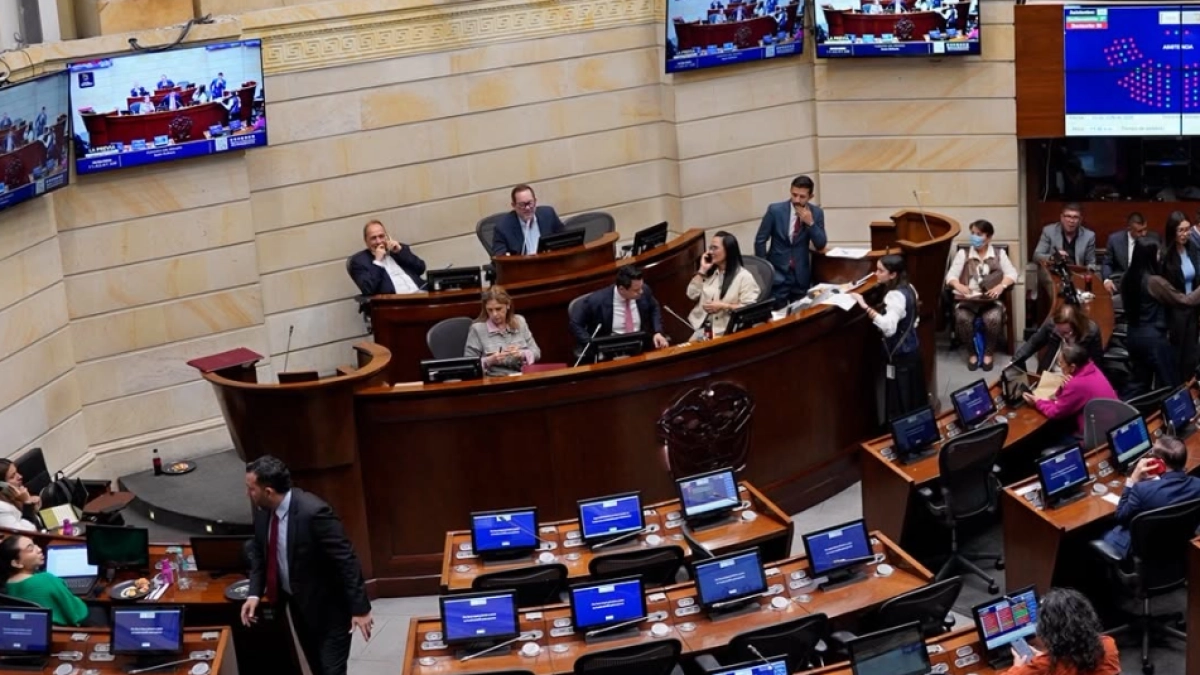
The Centro Democrático (CD), a prominent opposition party, has firmly staked its claim to the Senate presidency, advocating for Senator Honorio Henríquez. This bid, championed by CD director Gabriel Vallejo, is presented as a "legitimate right" based on the party’s numerical strength within the legislative body. However, this aspiration clashes directly with the backing of President-elect De la Espriella, who supports Senator Alfredo Deluque of the Partido de ‘la U’ for the same position. The endorsement of Deluque by the incoming president highlights a strategic alignment aimed at consolidating government support within Congress.
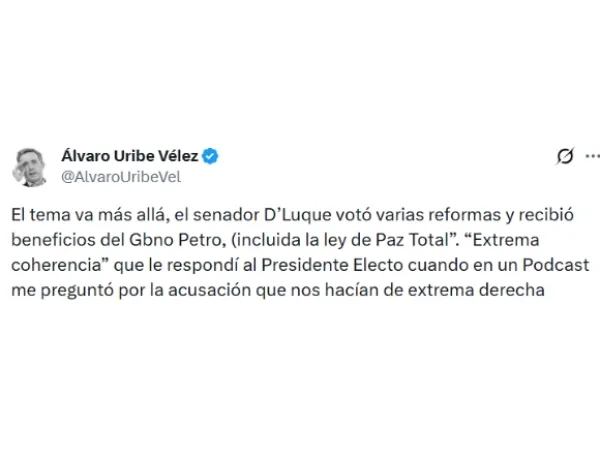
Further complicating the scenario, former President Álvaro Uribe Vélez, a towering figure within the Centro Democrático, publicly criticized Deluque. Uribe’s social media post resurrected an old voting record, noting Deluque’s past support for reforms under the previous Petro administration, including the controversial "total peace law," and implying that Deluque had "received benefits" from that government. This intervention signals a deeper ideological struggle and an attempt to discredit Deluque’s candidacy from the opposition’s perspective.
In response, Rodrigo Lara, the designated Minister of Interior for the De la Espriella administration, publicly urged support for Deluque, while also issuing a stark warning to the Centro Democrático. Lara suggested that if the CD were to pursue a "voto limpio" (clean vote) strategy on July 20th without prior consensus, it would inevitably imply an alliance with the opposition Pacto Histórico, led by former President Petro, a move he seemed to view as politically contradictory for the CD.

Beyond the presidencies, the Administrative Directorate of the House of Representatives has emerged as another focal point of intense negotiation. This position, described as one of the most influential administrative roles, manages a substantial portion of the legislative budget, oversees contracting processes, human resources, infrastructure, and logistical operations. The current director, John Abiud Ramírez of the Partido de La U, is expected to retain his post, despite facing an ongoing disciplinary process by the Procuraduría General de la Nación for alleged irregularities during his tenure as mayor of Girón (Santander), and a mention in testimonies related to the high-profile UNGRD corruption scandal. His retention underscores the complex interplay of political agreements and institutional concerns.
Meanwhile, the Partido Conservador has successfully secured the presidency of the House of Representatives for the initial year of the new legislature, nominating Representative Nicolás Barguil. This represents a significant political victory for the conservatives, outmaneuvering other aspirants like the Centro Democrático and Cambio Radical, and consolidating a crucial share of legislative power within the established four-year agreements. Other administrative positions, such as the re-election of Diego González as Secretary General of the Senate, the Liberal Party’s likely assumption of the Secretary General of the House, and the Centro Democrático securing the sub-secretary role, are also part of these extensive cross-party negotiations.
Chronology of Pre-Legislative Maneuvers
The political calendar dictates a rapid succession of events leading up to the July 20th congressional installation. The current flurry of activity began weeks ago, intensifying as the date drew near, with parties holding numerous closed-door meetings and public pronouncements shaping the narrative.
Early July 2026: Informal discussions commence among party leaders, sounding out potential alliances and identifying key candidates for the legislative directorships. Initial reports suggest a crowded field for both Senate and House presidencies.
Mid-July 2026 (Leading up to July 16th):
- Formal Candidacies Emerge: The Centro Democrático officially puts forward Senator Honorio Henríquez for the Senate presidency. Concurrently, Senator Alfredo Deluque of the Partido de ‘la U’ gains significant traction, reportedly securing the endorsement of President-elect Abelardo De la Espriella.
- CD’s Public Defense: Gabriel Vallejo, director of the Centro Democrático, engages with media, including an interview with EL TIEMPO, to articulate his party’s "legitimate right" to lead the Senate, emphasizing their numerical strength as the largest opposition bloc. He frames their bid not as a "dispute" but as a natural assertion of representation.
- Uribe’s Intervention: Former President Álvaro Uribe Vélez leverages his substantial influence, posting a critical message on X (formerly Twitter) targeting Alfredo Deluque. Uribe specifically highlights Deluque’s past votes in favor of reforms under the Petro government, including the "total peace law," suggesting a history of alignment with the previous administration that the Centro Democrático vehemently opposed. This move is widely interpreted as an attempt to undermine Deluque’s credibility among certain sectors.
- Government’s Counter-Narrative: Rodrigo Lara, De la Espriella’s designated Minister of Interior, publicly calls for support for Deluque’s aspiration. He directly addresses the Centro Democrático’s stance, warning that a "clean vote" on July 20th, without prior political agreements, would be tantamount to an alliance with the Pacto Histórico, implying a political inconsistency for the CD given their strong opposition to the previous government.
- House Presidency Agreement: Amidst the Senate negotiations, the Partido Conservador successfully secures the presidency of the House of Representatives for the first year of the new legislative period. Representative Nicolás Barguil is formally designated as their candidate, signaling a crucial political agreement that has bypassed aspirations from the Centro Democrático and Cambio Radical for this specific role.
- Administrative Posts Discussions: Conversations solidify around other vital administrative positions. The re-election of Diego González as Secretary General of the Senate is reportedly on track. The Partido Liberal is positioned to assume the Secretary General of the House, with the Centro Democrático slated for the sub-secretary role, indicating a broader distribution of administrative influence across various parties.
- Controversy Surrounding John Abiud Ramírez: The ongoing discussions confirm that John Abiud Ramírez, the current Administrative Director of the House, is expected to retain his position with the backing of the Partido de La U. This decision comes despite public knowledge of a disciplinary process initiated by the Procuraduría General of the Nation in 2023 for alleged irregularities during his mayoral term in Girón, and mentions of his name in 2024 within testimonies related to the high-profile UNGRD scandal, though he has not been formally investigated in the latter.
July 20, 2026: The new Congress is formally installed, and the directorships are expected to be officially voted upon, concluding the intense period of pre-legislative negotiations.

Supporting Data: The Intricacies of Congressional Power
The allocation of these congressional leadership roles is far from a mere formality; it represents a critical juncture that will define the legislative landscape for the incoming administration and the overall functioning of the Colombian state. Understanding the specific powers and historical context of these positions is essential to grasp the significance of the ongoing political struggle.
The Presidencies of the Senate and House of Representatives:
These are arguably the most powerful positions within the legislative branch. The President of each chamber sets the agenda, presides over debates, manages the legislative process, and has significant influence over which bills are prioritized and brought to a vote. They also represent their respective chambers in official capacities and are crucial for fostering dialogue between the executive and legislative branches. Historically, these positions are often distributed among the major parties over the four-year legislative term, usually following pre-established agreements to ensure broader political participation and stability. For President-elect De la Espriella, having an ally like Alfredo Deluque in the Senate presidency would streamline the passage of his government’s reform agenda, offering a crucial bulwark against potential obstruction.
Presidencies of Constitutional Committees:
Colombia’s Congress operates through permanent constitutional committees, each responsible for specific areas of legislation (e.g., First Committee for Constitutional Affairs, Third Committee for Economic Affairs, Seventh Committee for Social Affairs). The chairs of these committees wield immense power, as they control the initial debate, modification, and approval of bills before they reach the full plenary. Securing these presidencies is vital for any government aiming to pass complex reforms, as it allows them to guide the legislative process from its early stages, ensuring that bills align with their policy objectives.
The Administrative Directorates:
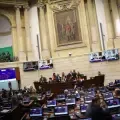
The Administrative Directorate of each chamber, particularly that of the House of Representatives, is a position of immense influence, despite its seemingly bureaucratic title. This office manages a substantial operational budget, overseeing all contracting processes, human resources, maintenance of legislative infrastructure, and logistical support for the entire chamber. This involves significant financial flows and the power to hire and manage staff, making it a highly sought-after post due to its administrative control and patronage potential. The controversy surrounding John Abiud Ramírez, expected to retain this position, underscores the ethical dilemmas and challenges related to transparency and accountability within the legislative branch. His ongoing disciplinary process by the Procuraduría General for alleged irregularities in the "sobretasa bomberil" (firefighter surtax) during his mayoral term, and the mention of his name in the UNGRD scandal, cast a shadow over his continued tenure and raise questions about the criteria used for retaining such powerful administrative figures. The fact that he is supported by the Partido de La U suggests that political loyalty and coalition agreements often override concerns about past conduct in the pursuit of legislative stability.
The General Secretariats:
The Secretary General of each chamber is responsible for the legislative record, ensuring the proper functioning of sessions, and managing the vast documentation associated with congressional activity. This position requires deep institutional knowledge and impartiality, as the Secretary is the custodian of the legislative process’s integrity. The potential re-election of Diego González in the Senate and the Liberal Party’s expected role in the House underscore the importance of experienced, politically aligned figures in these crucial procedural roles.
Party Arithmetic and Alliances:
Gabriel Vallejo’s argument for the Centro Democrático’s "legitimate right" to the Senate presidency hinges on the concept of party arithmetic, where the largest opposition bloc, by convention, might expect to lead a chamber at some point in the four-year cycle. However, the Colombian political system is characterized by shifting coalitions and the necessity for governments to build majorities. The backing of Alfredo Deluque by President-elect De la Espriella, combined with the support of the Partido de ‘la U’, illustrates the formation of a government-aligned bloc. Rodrigo Lara’s warning about a "voto limpio" highlights the delicate balance. A "clean vote" could force parties to reveal their true alignments, potentially exposing a fragmented opposition or unexpected alliances, which could complicate the government’s legislative strategy. The Conservative Party’s success in securing the House presidency for Nicolás Barguil demonstrates the effectiveness of pre-negotiated power-sharing agreements that distribute leadership roles across various political forces to ensure broader governability.
Profiles of Key Figures:
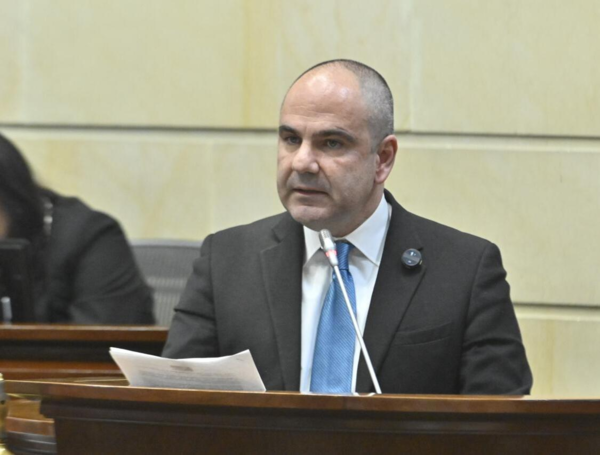
- Alfredo Deluque (Partido de ‘la U’): A seasoned politician, his past votes on key reforms under the Petro administration, particularly the "total peace law," make him a target for the hardline opposition. His current backing by the President-elect signifies a strategic choice to bring a more centrist, established party into the government’s fold, leveraging his experience and the numerical strength of ‘la U’.
- Honorio Henríquez (Centro Democrático): A staunch member of the Uribista movement, Henríquez embodies the opposition’s firm stance against the previous administration and potentially against aspects of the incoming one. His candidacy is a clear assertion of the Centro Democrático’s identity and its desire to lead legislative oversight.
- John Abiud Ramírez (Partido de La U): His retention as Administrative Director despite legal controversies underscores the enduring power of political agreements. The allegations against him relate to financial mismanagement and potential corruption, raising significant concerns about ethical governance and transparency within an institution that manages public funds.
- Nicolás Barguil (Partido Conservador): His selection for the House presidency signifies the Conservative Party’s pivotal role in the new political configuration. Barguil’s leadership will be crucial in navigating the House’s agenda and potentially mediating between government and opposition.
- Daniel Briceño (Centro Democrático): A rising figure known for his active presence and critical voice, Briceño represents a new generation within the Centro Democrático. His potential aspiration for the House presidency, though deferred in favor of the Senate bid, highlights the party’s strategic calculation and their desire to nurture new leaders.
Official Responses: Statements and Counter-Statements
The period leading up to the congressional installation has been marked by a series of definitive statements and pointed counter-arguments from key political figures, each attempting to shape public opinion and exert influence over the negotiation process.
Gabriel Vallejo, Director of the Centro Democrático, on the Senate Presidency:
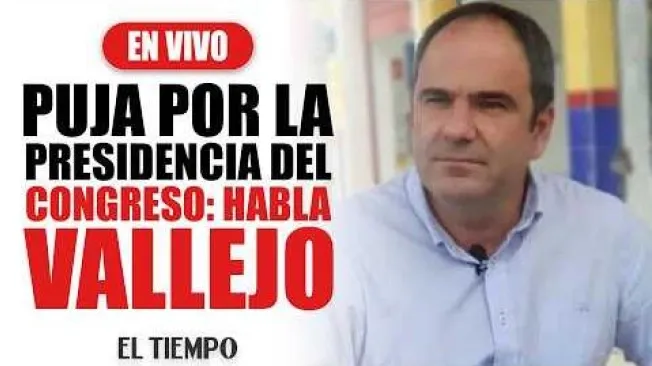
Vallejo has been the most vocal proponent of Senator Honorio Henríquez’s candidacy for the Senate presidency. In his interview with EL TIEMPO, he articulated the Centro Democrático’s position with conviction, framing it as a non-negotiable right based on political arithmetic. "This is because the Centro Democrático, an opposition party to the government of Gustavo Petro, considers that we have the legitimate right, among other things, because this is an arithmetic exercise—not a political one—and we are the largest government bench," Vallejo stated, emphasizing the party’s numerical strength. He explicitly rejected the notion of a "struggle" or "dispute," preferring to characterize their move as simply "putting forward the name of Honorio Henríquez for consideration by the Congress of the Republic, by the plenary of the Senate, to preside over the Senate of the Republic starting July 20th." Vallejo’s remarks also conveyed confidence that existing agreements and the mathematical realities of Congress would be respected, downplaying any "objections or declarations from other parties, such as the Conservative Party."

Former President Álvaro Uribe Vélez on Alfredo Deluque’s Candidacy:
Uribe’s intervention came via his widely followed X account, where he launched a direct criticism of Alfredo Deluque, the main contender for the Senate presidency with the President-elect’s backing. Uribe’s post was concise yet impactful: "Senator Deluque voted for several reforms and received benefits from the Petro government (including the total peace law)." This statement was a clear attempt to associate Deluque with the previous administration, which the Centro Democrático fiercely opposed, thereby questioning his suitability to lead the Senate from an opposition perspective. The historical reference to the "total peace law" is particularly significant, as it was a cornerstone of the Petro government’s agenda and a source of considerable political division.
Rodrigo Lara, Designated Minister of Interior, on Deluque and the CD:
Lara, representing the incoming De la Espriella administration, swiftly responded to the Centro Democrático’s stance and Uribe’s criticism. On Thursday, he publicly called for support for Deluque’s aspiration, countering the narratives put forth by the Centro Democrático. More critically, Lara issued a veiled warning to the CD: "I refuse to believe that the version that the Centro Democrático will go to a ‘clean vote’ on July 20th is true, because that implies an alliance with the Petro government, with the Pacto Histórico." This statement was a strategic move, implying that if the CD did not engage in consensus-building and forced a vote without a pre-agreed distribution of power, it would inadvertently align itself with the very political forces it claims to oppose. This put pressure on the CD to reconsider its potentially confrontational approach.
Gabriel Vallejo on Daniel Briceño and the House Presidency:
When asked about sacrificing the Centro Democrático’s aspirations for the House presidency, specifically regarding Representative Daniel Briceño, in favor of the Senate bid, Vallejo clarified the party’s strategic decision. He explained that simultaneous leadership of both chambers by the same party is not typically feasible. "What happens is that, since we aspire to preside over the Senate, we could not aspire to the presidency of the House," Vallejo stated. He unequivocally denied any "political payment" or "sacrifice": "But we have not sacrificed anything here, nor are we collecting anything, we are simply exercising our legitimate right as the majority party." Furthermore, Vallejo took the opportunity to endorse Briceño’s future political trajectory, recognizing his capabilities: "Daniel’s leadership must be protected and projected."
The Conservative Party on Nicolás Barguil and the House Presidency:
The Conservative Party officially confirmed their successful securing of the House of Representatives presidency for the first year of the new legislature. Following internal consultations, Representative Nicolás Barguil was designated as their candidate. This announcement signaled the consolidation of necessary support for the conservatives to lead the chamber, marking a clear political victory over other parties like the Centro Democrático and Cambio Radical who also sought the position. This agreement underscores the intricate power-sharing deals that are integral to Colombian legislative politics.
Implications: Shaping De la Espriella’s Mandate and Congressional Dynamics
The outcome of these intense negotiations will have profound implications for the legislative effectiveness of President-elect Abelardo De la Espriella’s administration, the power dynamics within Congress, and the overall stability of Colombia’s political landscape.
Impact on De la Espriella’s Legislative Agenda:
The most immediate and significant implication concerns the President-elect’s ability to implement his government’s reform agenda. Having allies in the presidencies of both the Senate and the House of Representatives, as well as in key constitutional committees, is crucial for streamlining the legislative process. Leaders aligned with the government can prioritize bills, manage debate efficiently, and steer legislation through potential roadblocks. Conversely, an opposition-controlled Senate presidency, as the Centro Democrático desires, could significantly complicate the passage of De la Espriella’s key initiatives, potentially leading to legislative gridlock and a weakening of the government’s mandate. The backing of Alfredo Deluque by the President-elect clearly indicates a strategy to ensure a more favorable legislative environment.
Power Dynamics and Coalition Building:
The distribution of these leadership roles reflects the delicate balance of power among Colombia’s diverse political parties. The Conservative Party securing the House presidency, and the Liberal Party eyeing the Secretary General of the House, demonstrate the necessity of forming broad coalitions to achieve governability. These agreements are not just about positions but also about securing commitments and votes for future legislation. The Centro Democrático’s assertion of its "legitimate right" to the Senate presidency, while numerically strong as an opposition, tests the limits of traditional power-sharing and highlights the challenges of integrating a significant opposition force into the legislative leadership structure. The negotiations underscore that legislative control is not solely about winning elections but about the continuous process of building and maintaining alliances within Congress.
Transparency and Governance Concerns:
The expected retention of John Abiud Ramírez as Administrative Director of the House, despite ongoing disciplinary processes and mentions in corruption scandals, raises serious concerns about transparency, accountability, and ethical governance. This decision, driven by political agreements, could be perceived as prioritizing political expediency over public trust and institutional integrity. It signals a tolerance for individuals with questionable pasts in powerful administrative roles, potentially undermining efforts to combat corruption and foster clean governance. This situation could attract scrutiny from civil society and independent oversight bodies, potentially creating a credibility challenge for the new legislative period.
Future Legislative Priorities and Management:
The individuals chosen to lead the chambers and committees will directly influence which legislative topics receive priority and how they are managed. For instance, a particular committee chair might push for specific reforms within their jurisdiction, reflecting their party’s or their own personal agenda. The leadership’s effectiveness in managing debates, fostering consensus, and ensuring procedural fairness will be critical for the overall productivity and legitimacy of Congress. The ability of the new leaders to navigate complex political currents and mediate between competing interests will be key to preventing legislative paralysis.

Political Stability and Opposition Role:
The intense jockeying for positions, particularly the strong push by the Centro Democrático for the Senate presidency, signals a potentially confrontational legislative environment. While a robust opposition is vital for democratic health, an overly confrontational approach could lead to instability and hinder the government’s ability to govern effectively. Rodrigo Lara’s warning about the Centro Democrático’s "voto limpio" strategy highlights the political risks of such a move, potentially forcing parties into uncomfortable alliances and revealing deeper ideological rifts. The ability of the new leadership to manage these tensions and facilitate constructive dialogue will be crucial for maintaining political stability in the coming years.
As July 20th approaches, the political temperature in Bogotá remains high. The outcome of these negotiations will not only determine who sits in the coveted chairs but will also cast a long shadow over the legislative prospects of President-elect De la Espriella’s administration and the very character of Colombian democracy. The intricate dance of power, principles, and pragmatism continues, with the nation watching closely to see how its legislative future will be shaped.