By Angie Rodríguez | Travel & Trends Desk Published: October 5, 2026
For families across Colombia, the upcoming Semana de Receso (October Recess) stands out as a prime opportunity to escape routine, embark on a much-needed vacation, or explore new destinations within and beyond the country’s borders. Scheduled from October 5 to October 11, 2026, and culminating on the Monday holiday of October 12, this mid-term break concentrates a massive volume of travelers onto highways, airports, and tourist hotspots.
While the prospect of travel brings excitement, the reality of high-density seasonal movement requires meticulous advanced planning—particularly for parents journeying with minors. Experts emphasize that reviewing legal paperwork, understanding health requirements at the destination, managing tight financial parameters, and creating robust safety nets for unexpected scenarios are foundational steps to safeguarding a seamless family getaway.
Main Facts: What Families Need to Know for the 2026 October Recess
As millions prepare to mobilize, navigating logistics efficiently is paramount. The peak travel window brings heightened airport queues, heavily booked accommodations, and increased scrutiny at international borders.
Key Priorities for Travelers:
The Recess Window: The official academic break runs from October 5 to October 11, extending through the holiday Monday on October 12, 2026.
Minor Travel Regulations: Children traveling internationally without both parents must carry precise documentation, including a valid birth certificate and an authenticated exit permit from the non-traveling parent.
Health Precautions: Health authorities maintain active warnings regarding yellow fever vaccination requirements for specific national and international zones.
Financial Strategy: Experts recommend splitting travel funds into daily limits, designating a specific emergency cash reserve, and auditing payment card commissions prior to departure.
Luz Doris Bustamante, Country Manager for Universal Assistance Colombia, underscores that comprehensive preparation must incorporate scenarios capable of derailing even the most carefully crafted itineraries.
"Reviewing documents, understanding destination conditions, identifying emergency points of contact, and securing proper assistance are decisions that can make all the difference when a trip doesn’t go exactly as planned," Bustamante notes.
Chronology of Preparation: A Timeline for a Stress-Free Trip
To ensure that last-minute oversights do not disrupt the holiday, travel logistics specialists recommend staging preparations well in advance of departure day.
30 Days Before Departure: The Documentation Audit
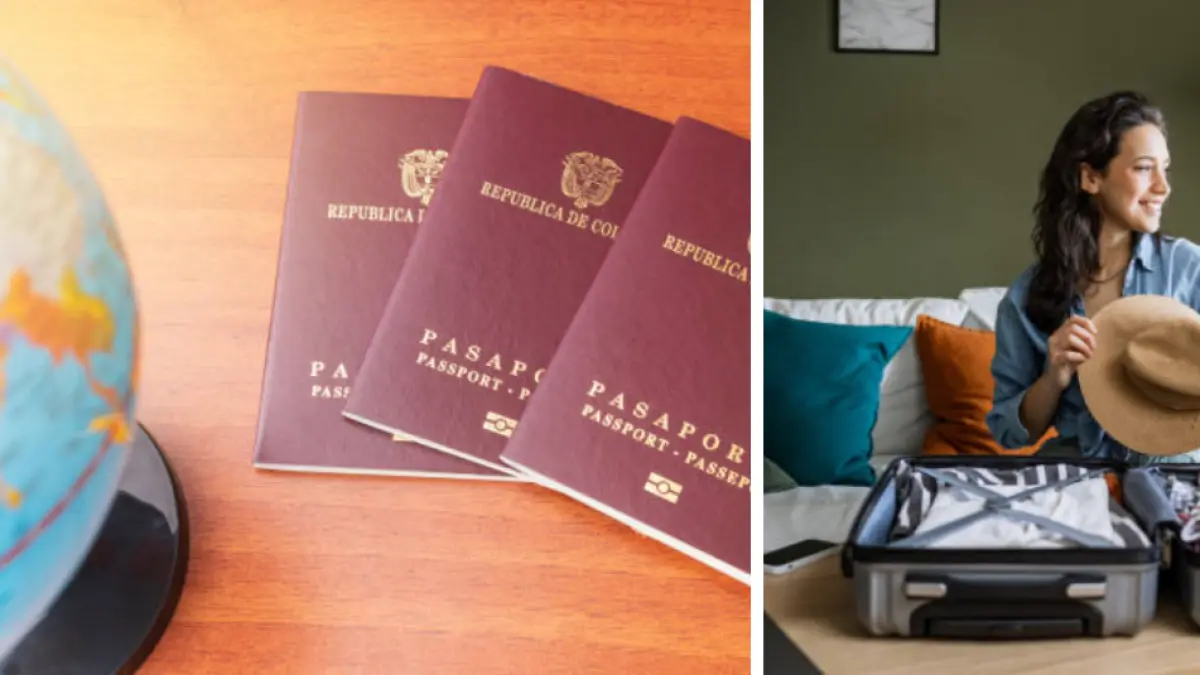
Passports and IDs: Check the expiration dates of all family members’ passports. Many international destinations require a minimum of six months’ validity remaining from the date of entry.
Minor Exit Permits: If a child is traveling with only one parent or with a third party, initiate the legal paperwork for the notarized exit permit immediately. Drafting, signing, and authenticating these documents can experience bureaucratic delays during peak seasons.
15 Days Before Departure: Health and Medical Checks
Vaccination Records: Verify whether the chosen destination requires specific inoculations. The Ministry of Health mandates that travelers heading to yellow fever endemic zones receive the vaccine at least 10 days prior to arrival for full efficacy.
Medical Assistance Plans: Review health insurance policies or purchase temporary international/domestic travel assistance plans that cover unexpected medical events, evacuations, or trip interruptions.
7 Days Before Departure: Financial Allocation and Budgeting
Setting Spending Caps: Establish a strict total budget for the trip using financial tools or platforms like Global66. Divide the total sum across the exact number of days intended for travel.
Card Verification: Contact banking institutions to verify that debit and credit cards are cleared for international use (if traveling abroad) and to understand foreign transaction fees.
48 Hours Before Departure: Final Packing and Contingency Review
Digital Backups: Scan and store digital copies of all vital documents (passports, IDs, insurance policies, hotel reservations, and emergency contact numbers) in a secure cloud repository.
Emergency Fund Segregation: Separate the designated emergency cash fund from daily spending money to ensure it remains untouched unless an unforeseen crisis arises.
Supporting Data and Financial Insights
Navigating household economics during a high-demand holiday season requires financial discipline. According to analyses from global fintech platforms like Global66, failing to budget for incidental costs is one of the leading causes of post-vacation financial stress for families.
Budget Breakdown Recommendations:
Lodging and Transport (40-50%): Flights, gas, tolls, and hotel bookings generally command the largest share of the travel envelope and should be prepaid whenever possible.
Food and Daily Sustenance (25-30%): Factoring in dining preferences, local markets, and hydration needs prevents overspending on impulsive restaurant choices.
Activities and Entertainment (15-20%): Pre-purchasing tickets to museums, parks, or tours locks in exchange rates and avoids seasonal price spikes at the gate.
Emergency Reserve (10%): A dedicated financial buffer designed exclusively for unbudgeted expenses.
Why an Emergency Fund Matters
Unexpected situations during family travel rarely announce themselves. A dedicated contingency fund safeguards against:
Transport Disruptions: Missed connections, delayed flights, or unexpected car repairs.
Health and Wellness: Out-of-pocket expenses for sudden prescriptions, minor medical consultations, or emergency supplies.
Last-Minute Lodging: The need to secure an impromptu hotel room if a destination becomes inhospitable due to weather or scheduling changes.
Official Responses and Regulatory Guidelines
Government agencies and private sector service providers have issued clear directives to manage the seasonal surge responsibly.
The Ministry of Health’s Stance on Immunization
In light of high mobility patterns during mid-term breaks, the Colombian Ministry of Health reiterated its ongoing campaign urging citizens to vaccinate against yellow fever before visiting designated risk zones.
Accessibility: The vaccine is administered free of charge at authorized public health centers and airport points across the country.
Timeline Requirement: The ministry stresses that protection takes time to develop; therefore, travelers must receive the injection at least 10 days prior to entering a risk area. Failure to comply can result in denial of entry by local authorities or unnecessary health risks.
Legal Mandates for Minor Travelers
The Colombian Institute of Family Welfare (ICBF) and migration authorities strictly regulate the transit of minors across international borders. When a child under 18 years of age travels abroad without both legal parents, the following protocols are mandatory:
Civil Registry: An authentic copy of the minor’s birth certificate (Registro Civil de Nacimiento) to prove biological lineage.
Written Authorization: A notarized document signed by the non-traveling parent (or parents, if traveling with a third party) specifying:
The exact destination country and city.
The specific purpose of the trip.
The precise dates of departure and return.
The name of the adult accompanying the minor.
Implications: Mitigating Risks and Ensuring Peace of Mind
The implications of overlooking these fundamental steps extend far beyond minor inconveniences. Failing to secure minor travel permits can result in detained flights, missed vacations, and severe legal distress at immigration checkpoints. Similarly, ignoring health advisories exposes families to preventable tropical illnesses, while poor budgetary planning can cripple household finances well after the holiday concludes.
By treating the preparation phase with the same enthusiasm as the destination itself, families can transform the Semana de Receso into a genuinely restorative experience. Proactive documentation checks, rigorous financial boundaries, up-to-date immunizations, and robust travel assistance policies create a protective shield around family vacations.
As millions of travelers take to the roads and skies this October, the ultimate takeaway is clear: anticipation is the true anchor of a successful journey, turning potential stress points into memories of smooth, worry-free adventure.
By Alexandra Cabrera Published: September 26, 2026 Main Facts: Navigating the Astrological Landscape of the Week As the cosmic wheel turns, a profound shift in energy invites humanity to reevaluate its trajectory, emotional attachments, and…
By Edwin Caicedo Environment and Health Journalist September 10, 2026 Main Facts: A City Trapped in Limbo One month after a powerful earthquake struck the department of Chocó on August 10, severely impacting more than…
By: Education Desk Published: October 5, 2026 Updated: October 5, 2026 Main Facts In a significant move to alleviate the financial burden on higher education students and their families, the Colombian government has announced the…