By Feline Behavior and Veterinary Science Desk
Published: November 10, 2026
Introduction: The Misunderstood Affection of Our Feline Companions
For millions of cat owners around the world, a cat calmly approaching, jumping onto the couch, and settling down right next to or even on top of a human lap is universally interpreted as an invitation for an extended petting session. However, veterinary experts emphasize that human assumptions about feline affection often clash with the reality of how cats communicate their boundaries.
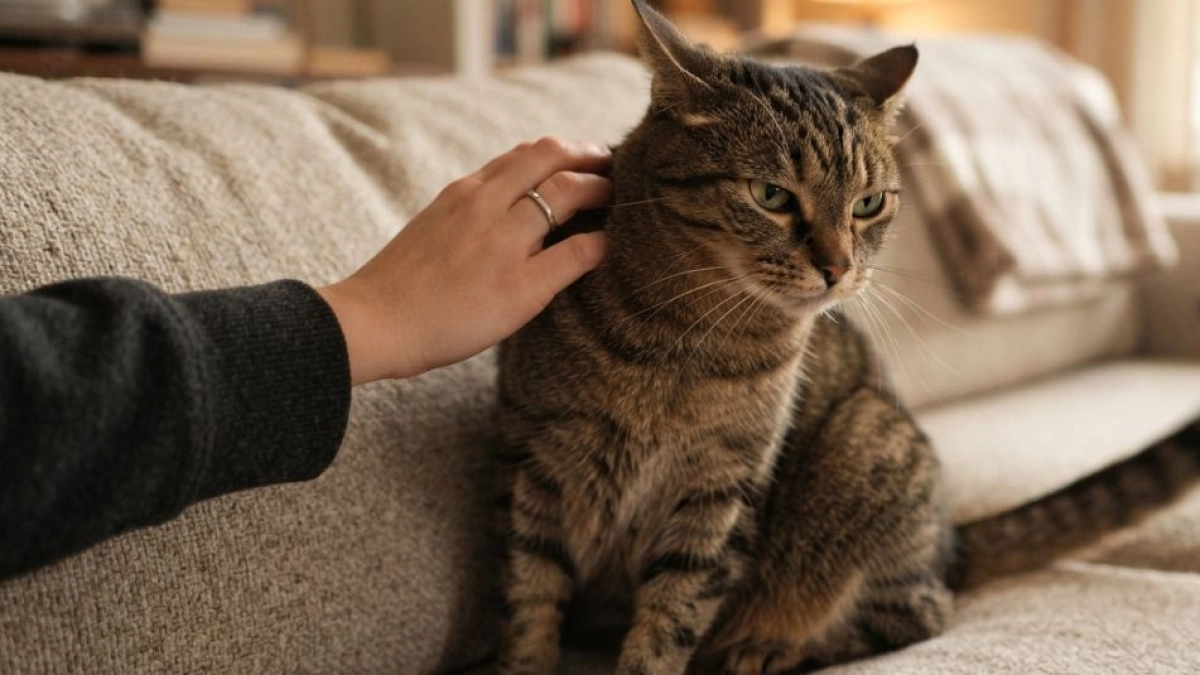
A cat’s willingness to share physical space does not automatically translate into a desire for continuous, uninterrupted tactile stimulation. In fact, many well-intentioned owners inadvertently push their pets past their threshold of comfort, turning what starts as a peaceful bonding moment into a stressful ordeal that frequently ends in a sudden swat or a defensive scratch.
According to prominent veterinarian Dr. Carlos Gutiérrez, understanding the subtle and not-so-subtle cues of feline body language is essential for harmonious coexistence. Among these signals, the movement of a cat’s tail serves as one of the most reliable indicators of emotional state—acting as an unmistakable warning sign that a cat’s patience is wearing thin.

Main Facts: Reading Between the Lines of Feline Body Language
When it comes to interpreting pet behavior, humans often project dog-like traits onto cats. While a dog wagging its tail typically signals joy, excitement, and eager anticipation, the exact opposite is frequently true for felines.
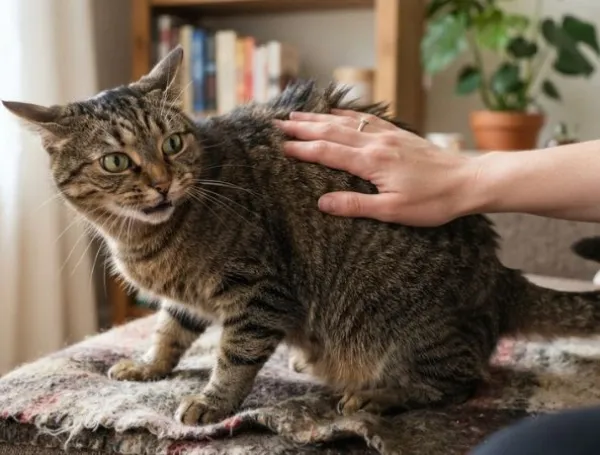
Dr. Gutiérrez highlights that when a cat is lying down and begins moving its tail from side to side in firm, rhythmic motions—resembling small, deliberate thumps against the floor or furniture—it is rarely a sign of happiness. Instead, this intense tail-swishing behavior is a primary indicator of irritation, rejection, or rising discomfort during physical contact.

Key Takeaways on Feline Signaling:
- The Tail Tells the Tale: Vigorous, lateral whipping or thumping of the tail during petting means "stop."
- Threshold Limits: Cats possess finite thresholds for tactile stimulation; exceeding this limit triggers a defensive response.
- Anatomy of Acceptance: Most cats tolerate (and even enjoy) being petted around the cheeks, chin, and behind the ears, while areas like the abdomen and base of the tail are notoriously sensitive and frequently spark rejection.
- The Cost of Ignorance: Ignoring these visual warnings forces the animal to escalate its communication, often resulting in proactive defensive behaviors such as biting or scratching to regain personal space.
Chronology and Evolution of Domestic Feline Interaction
To fully understand why domestic cats react negatively to prolonged petting, it helps to examine the evolutionary history and behavioral development of the species (Felis catus).
Phase 1: Solitary Ancestry and Independent Survival
Unlike social canids, which evolved from pack-hunting ancestors requiring complex hierarchical cooperation, early feline ancestors were largely solitary hunters. Their survival depended on resource management, territory defense, and self-preservation. Because injury meant an inability to hunt and a high risk of starvation, wild cats developed an innate aversion to unnecessary physical conflict and vulnerability.
Phase 2: Domestication and Human Coexistence (Approx. 10,000 BCE – Present)
When cats domesticated themselves by moving into agricultural settlements to control rodent populations, they adapted to human environments. However, their neurological wiring remained largely unchanged. While kittens go through a critical socialization window (between 2 and 7 weeks of age) where they learn to accept human touch, adult cats retain their ancestral independence and sensitivity to overstimulation.
Phase 3: Modern Veterinary Insights (The 21st Century Paradigm)
In recent decades, veterinary behavioral science has shifted focus from simply treating physical ailments to addressing behavioral well-being and the human-animal bond. Experts like Dr. Carlos Gutiérrez represent a modern movement in veterinary medicine that prioritizes education on animal sentience and consent. By teaching owners to recognize micro-expressions and postural shifts in cats, modern veterinary practices aim to reduce household stress, prevent behavioral problems, and deepen mutual trust between pets and their human caregivers.
Supporting Data and Behavioral Science Insights
Behavioral studies in feline medicine consistently demonstrate that "petting-induced aggression" is one of the most common behavioral complaints among cat owners. Yet, researchers emphasize that the aggression is rarely unprovoked; rather, the animal’s prior signals of discomfort were overlooked.
Understanding Tactile Overstimulation
Tactile receptors in a cat’s skin—particularly along the spine, flanks, and tail base—are extremely dense. When a human continuously pets a cat in these sensitive regions, the sensory input quickly accumulates. What begins as a pleasant sensation rapidly transforms into sensory overload.
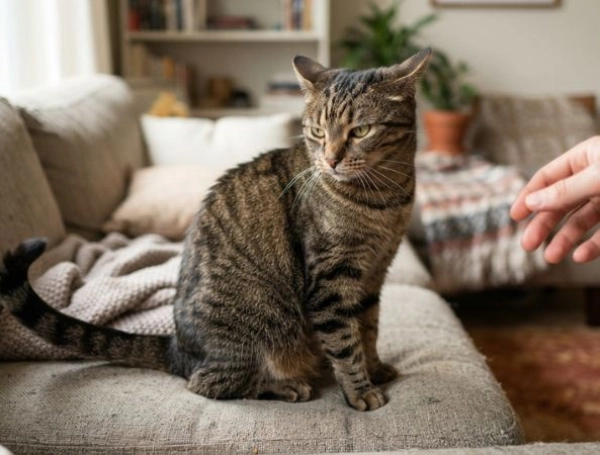
Data compiled by veterinary behaviorists outline the progression of feline discomfort:
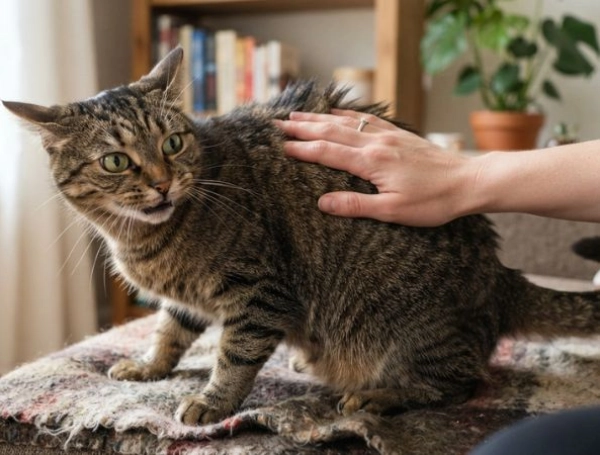
- The Freeze: The cat suddenly stops purring and becomes rigid.
- Skin Rippling: Muscular spasms or rippling may be observed along the skin of the back.
- Tail Thumping: The tail begins flicking, twitching, or striking the surface beneath them.
- Ear Positioning: The ears rotate outward ("airplane ears") or flatten backward toward the head.
- Pupil Dilation: The pupils widen significantly, indicating arousal or stress.
- Escalation: Head turns toward the hand, followed by a warning vocalization (hiss or low growl), and finally, a defensive swipe or bite.
Official Recommendations and Veterinary Advice
To maintain a healthy, stress-free relationship with a feline companion, Dr. Carlos Gutiérrez outlines a series of practical guidelines for daily interaction.

1. Respect the Animal’s Boundaries
If a cat displays any sign of discomfort—such as tail movement, skin twitching, or shifting posture—immediately cease petting and withdraw your hand. Giving the cat the autonomy to walk away builds long-term trust.
2. Focus on Preferred Zones
Concentrate physical affection on areas where cats have scent glands and generally feel secure:

- Under the chin
- Around the base of the ears
- Along the cheeks
Avoid sensitive areas unless the specific cat has explicitly demonstrated comfort there (such as gentle belly rubs, which are tolerated by only a small percentage of trusting felines).
3. Practice "Consent Testing"
Allow the cat to initiate contact. Extend a single finger toward the cat’s nose; if the cat leans into it, rubs its cheek against your hand, or purrs, it is receptive. If it pulls away or ignores the gesture, respect its choice.

4. Keep Sessions Short
Instead of long, uninterrupted petting sessions that last several minutes, opt for brief, frequent interactions. Stop petting before the cat shows signs of irritation.
5. Recognize the Signs of Contentment
A truly relaxed and happy cat exhibits entirely different body language compared to an annoyed one. Look for:

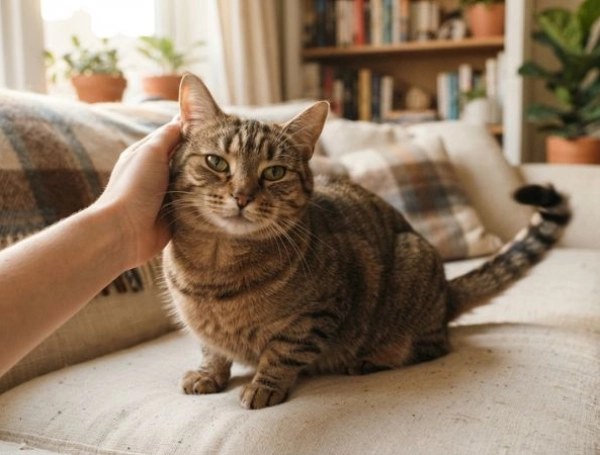
- A tail held high in the air, featuring a gentle, question-mark curve at the tip.
- Soft, half-closed eyes ("slow blinks").
- A loose, relaxed posture, often accompanied by rhythmic purring and kneading (making biscuits).
Implications for Animal Welfare and Household Harmony
The implications of misinterpreting feline body language extend far beyond minor scratches on a human hand. Chronic stress resulting from ignored boundaries can lead to long-term behavioral issues in cats, including chronic anxiety, inappropriate elimination, compulsive grooming, and redirected aggression toward other household pets or humans.
When owners learn to read and respect the subtle language of tail movements and postural shifts, the domestic environment transforms. Cats feel secure knowing their boundaries are respected, and humans enjoy a more predictable, affectionate, and harmonious relationship with their pets.

Ultimately, bridging the communication gap between species requires patience, observation, and empathy. By acknowledging that a cat’s tail movement is often a polite request for space rather than a cheer of delight, pet owners can foster a deep, respectful companionship built on mutual understanding rather than forced affection.