By: Editorial Staff
Updated: November 10, 2026
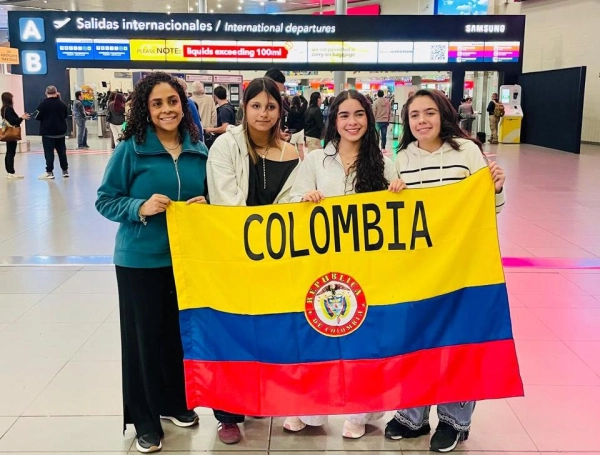
The global discourse surrounding climate change has historically been dominated by diplomats, climate scientists, and senior policymakers. However, a significant shift is underway in Antalya, Turkey, where the 31st United Nations Climate Change Conference (COP31) is currently taking place. Among the global leaders and policy experts, a group of ten students from the High School division of the Gimnasio Los Caobos in Colombia is making waves, proving that the urgency of the climate crisis is not merely an adult concern, but a defining challenge for the next generation.
Representing Colombia on an international stage, these students are not just observers; they are active participants in the formation of a landmark global declaration, representing the voices of youth from across the globe who demand concrete, actionable solutions to environmental degradation.
The Global Stage: Youth at the Heart of COP31
The COP31 summit, which concludes on November 20, 2026, arrives at a critical juncture in international climate policy. With the world grappling with the escalating effects of global warming, the agenda in Antalya is laser-focused on moving beyond abstract promises. The primary goal of this iteration of the conference is to accelerate the implementation of international commitments and transform them into tangible, measurable actions.
Key topics dominating the negotiations include the transition to renewable energy sources, the complexities of climate finance, adaptive strategies for vulnerable regions, food security, and the urgent need to build resilient, sustainable urban infrastructure.
In this high-stakes environment, the Gimnasio Los Caobos students are participating as key members of the international delegation for the #Decarbonize program. This global educational initiative acts as a bridge between young leaders from approximately 80 countries, fostering a space for the exchange of experiences, academic debate, and advocacy for environmental justice. As the only Colombian educational institution currently linked to this international coalition, the school’s participation marks the culmination of a decade-long institutional commitment to sustainability.

A Chronology of Commitment: From Local Action to Global Influence
The presence of these students in Turkey is not a sudden development, but the result of a long-term educational strategy. For nearly ten years, Gimnasio Los Caobos has integrated environmental stewardship into its core curriculum.
- 2016–2023: The foundation of the school’s environmental program was laid, focusing on sustainability education and local advocacy.
- 2023: The school initiated its flagship project: the installation of 146 solar panels, a decision driven by student research and academic inquiry.
- 2024–2025: The project matured from a pilot to a fully functional energy source, with students taking the lead in measuring and reporting on its impact.
- 2026: The school solidified its international presence, leading to the selection of its students as part of the #Decarbonize delegation for COP31.
This journey highlights the institution’s philosophy: that academic excellence must be paired with civic and environmental responsibility. The students’ trajectory—from classroom research to the halls of a UN-sponsored summit—serves as a blueprint for how schools can foster the next generation of climate leaders.
Data-Driven Sustainability: The Solar Energy Milestone
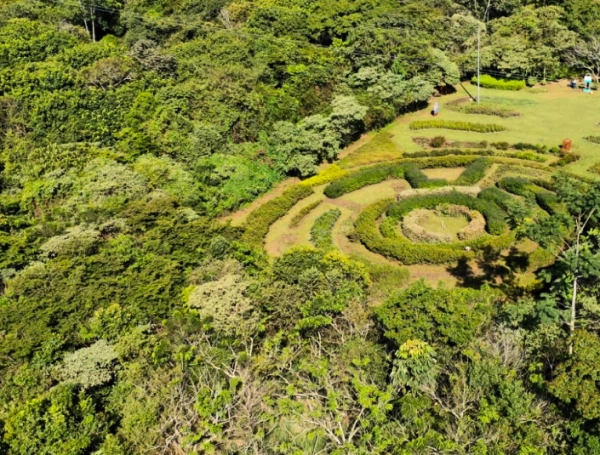
One of the most compelling aspects of the students’ contribution to the global dialogue is their hands-on experience with renewable energy. The installation of 146 solar panels at the Gimnasio Los Caobos campus is not just a technological upgrade; it is a live laboratory for the students.
According to data verified by the institution, the array currently generates approximately 10,804 kilowatt-hours (kWh) of energy per month. To put this into perspective for international observers, the school calculates that this level of clean energy production provides an annual environmental benefit equivalent to the sequestration of carbon by planting roughly 246 trees per year.
This data is central to the students’ presentations in Antalya. By showcasing the measurable impact of their school’s energy transition, they provide a practical example of how educational institutions can lead by example. They are challenging world leaders to look past bureaucratic hurdles and recognize that decentralized, local projects, when scaled, offer a viable pathway toward national and global decarbonization.
Official Perspectives: Empowering Youth Voices
The integration of youth into the formal structure of the COP summits is designed to ensure that the "Children’s Declaration" carries real weight. This collective document, currently under synthesis by students from across the globe, will consolidate the fears, hopes, and technical proposals of adolescents who represent the demographic most impacted by current climate failures.
María del Rosario Silva, the coordinator of teachers for Colombia and a global education advisor at Gimnasio Los Caobos, emphasizes that the goal is to dismantle the misconception that young people are merely the "leaders of tomorrow."
"We want our students to understand that they do not need to wait until they are adults to generate change," Silva explained during a press briefing in Antalya. "From within the school walls, they can research, propose, make decisions, and develop actions that contribute to transforming their environment. The experience of the solar panels is a living example of how an academic project can transition into a tangible reality."
The students are engaging in high-level panels and dialogues in both the "Blue Zone"—where official, high-level negotiations between states occur—and the "Green Zone," which serves as a hub for public participation and climate advocacy. This dual access allows them to influence policy while simultaneously mobilizing public support.
Broader Implications and Future Horizons
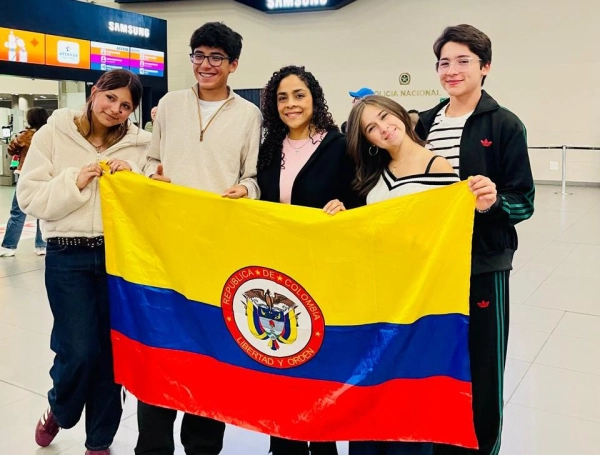
The #Decarbonize program is not a one-off event. The delegation, comprised of 34 students from 16 institutions across the world, is operating under a long-term framework. The implications of their work at COP31 extend far beyond the November 20 deadline.
The initiative has already outlined a roadmap for 2026 and beyond, including:
- LATAM #Decarbonize: A regional summit in Argentina designed to strengthen the network of young climate activists across Latin America.
- COP17 of Biodiversity: A significant upcoming conference in Yerevan, Armenia, where the youth delegation plans to pivot their focus toward the intersection of climate change and the preservation of global biodiversity.
By participating in these global forums, the students are building a network that transcends national borders. They are learning the mechanics of international diplomacy, the nuances of climate justice, and the importance of cross-cultural collaboration.

Why This Matters
The participation of the Gimnasio Los Caobos students serves as a poignant reminder that the climate crisis is not an abstract concept to be solved in the distant future. For these students, the crisis is the context of their lives. When they speak at the UN, they are not speaking on behalf of an abstract future; they are speaking on behalf of their own survival and the health of their communities.
As the delegates prepare to finalize the Children’s Declaration, the world will be watching to see if the rhetoric of the summit can finally align with the urgency of the youth. Through their persistence, their data-backed projects, and their willingness to step into the global arena, these Colombian students are proving that the most effective climate action often begins in the classroom.
The success of their efforts at COP31 may well determine the level of influence young people will have in the formal negotiation process of future climate summits. As of now, the message from the Colombian delegation is clear: The transition to a sustainable future is technically feasible, economically sound, and morally required. They are not waiting for permission to change the world—they are doing it.