
By: Editorial Desk (Reporting from Medellín, Colombia)
Date: April 6, 2026
In an escalating confrontation that pits regional autonomy against national policy, the Governor of Antioquia, Andrés Julián Rendón, has officially declared a "judicial war" against the Colombian National Government and the Office of the Attorney General. The flashpoint of this conflict is the recent administrative decision to suspend the capture warrants of 23 high-ranking leaders of criminal organizations operating within the Medellín metropolitan area and the wider Aburrá Valley.
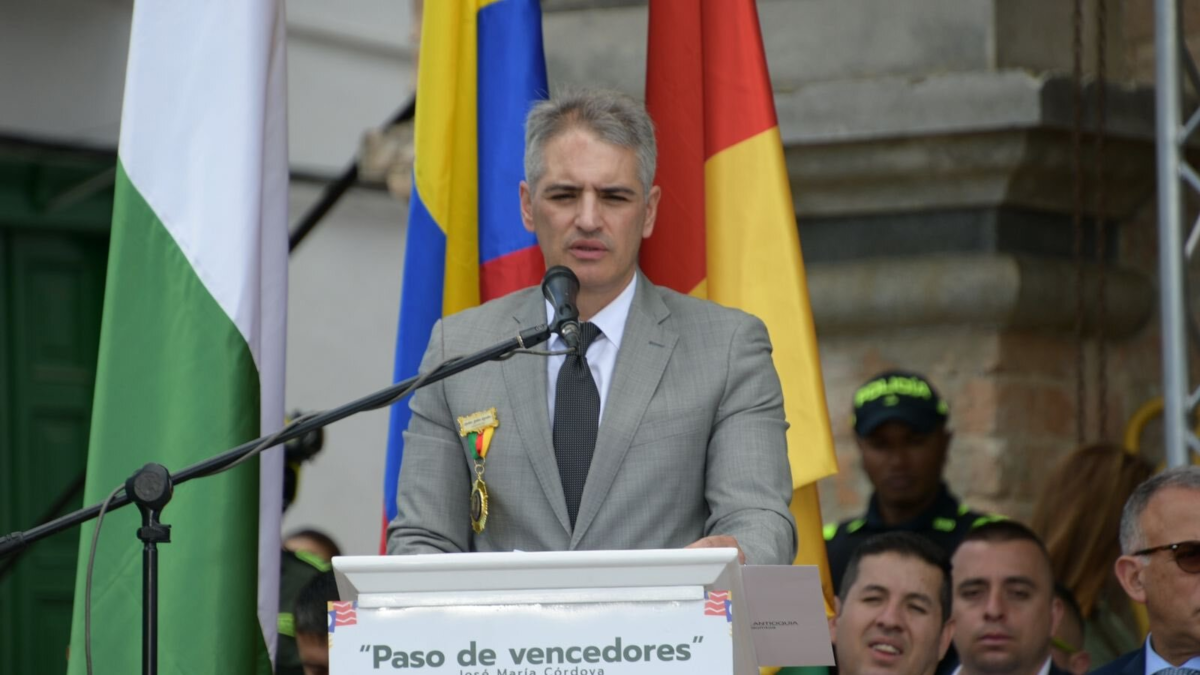
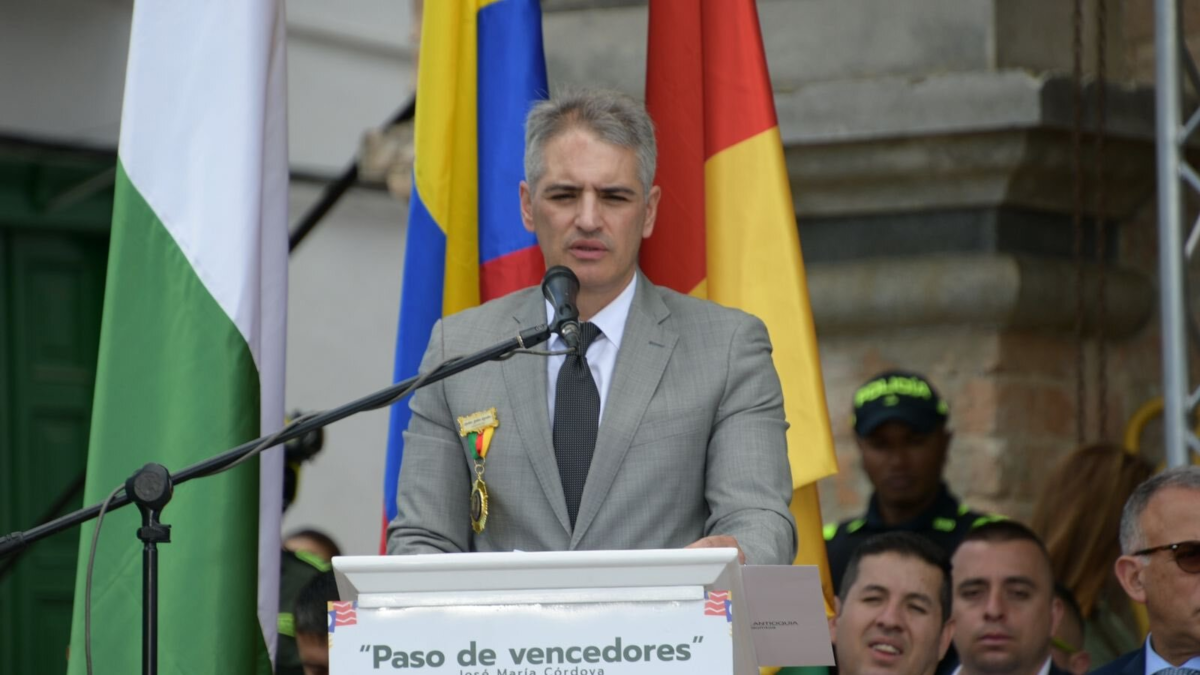
Governor Rendón, speaking during a security summit held with municipal leaders, characterized the move as an "unprecedented affront to the rule of law" and a betrayal of the security forces who have risked their lives to bring these individuals to justice.
The Core of the Dispute: A "Highway to Impunity"
The controversy centers on a resolution issued by the national government, which facilitates the suspension of arrest warrants for individuals currently involved in state-sponsored "peace dialogue" tables. While the central government frames these measures as essential instruments for de-escalating violence and achieving "Total Peace," Governor Rendón views them through a starkly different lens.

During his announcement, the Governor confirmed that his administration has filed a formal nullity lawsuit before the Council of State. Central to this legal filing is a request for an urgent precautionary measure—a judicial stay—designed to halt the immediate effects of the resolution.
"I am presenting a demand for nullity with a precautionary measure to the Council of State," Rendón stated, underscoring his frustration. "President Gustavo Petro and the Attorney General are effectively releasing criminals, violating the sanctity of justice, and insulting the victims, judges, prosecutors, police officers, and soldiers who have risked their lives to capture them. They are building a highway of impunity."
Chronology of the Crisis
The tensions between the Department of Antioquia and the central government in Bogotá have been brewing for months, but they reached a breaking point in early April 2026.
- Late March 2026: Reports emerge regarding the status of 23 key criminal figures in the Aburrá Valley, confirming that seven of these individuals have already been granted temporary release or suspension of their legal warrants.
- April 1, 2026: Public outcry intensifies as the identities of the 23 cabecillas (gang leaders) are disseminated, highlighting their roles in extortion, homicide, and territorial control in Medellín.
- April 5, 2026: Governor Rendón takes to social media and official channels to announce his intent to litigate, framing the government’s policy as a direct threat to the safety of Antioquians.
- April 6, 2026: During a high-level security council, the Governor formalizes the legal challenge, calling for an emergency intervention by the Council of State. Simultaneously, reports indicate that the President of the Medellín City Council, Alejandro De Bedout, is preparing a separate but parallel legal action to challenge the resolution.
Data and Security Implications: Why the Resistance?
The concern in Antioquia is not merely political; it is rooted in the practical realities of urban security. The 23 individuals mentioned in the resolution are not low-level offenders. They are the architects of the criminal ecosystem that has plagued the Aburrá Valley for years.
The Impact on Public Perception
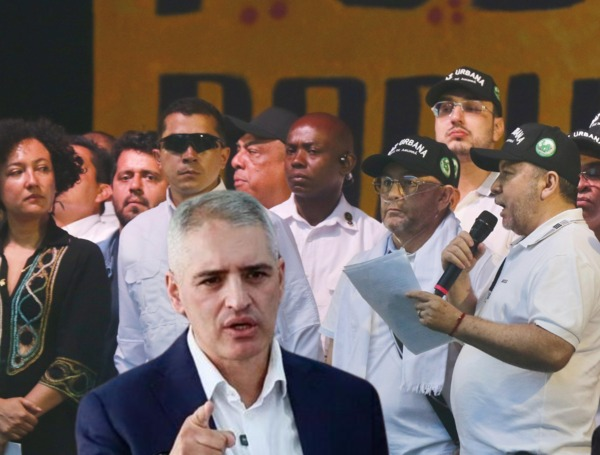
According to regional security analysts, the suspension of capture warrants creates a "vacuum of authority." When criminal leaders are seen walking free—or enjoying legal protections—it sends a message of weakness to both the citizenry and the subordinate members of these gangs.
The "Alias Calarcá" Factor
Governor Rendón specifically highlighted the case of "Alias Calarcá," a figure who has become a symbol of the government’s inconsistent judicial policy. Rendón noted the irony of the Attorney General’s office pushing for the lifting of warrants for high-profile criminals while simultaneously being forced to manage the fallout of other controversial judicial benefits, such as the recent debate surrounding sexual violence cases.

"On one hand, the Fiscal (Attorney General) says we must lift the warrant against Calarcá, and on the other, they give a free pass to the worst thugs in Antioquia," Rendón argued. "It is as if they are angered by the fact that our people vote with freedom in the polls, so they use these measures to constrain and intimidate the populace."
Official Responses and Political Friction
The national government has maintained that these suspensions are legally grounded in the framework of the "Total Peace" initiative. The argument is that dialogue, while messy and often unpopular, is the only way to achieve long-term stability in areas historically dominated by armed groups.
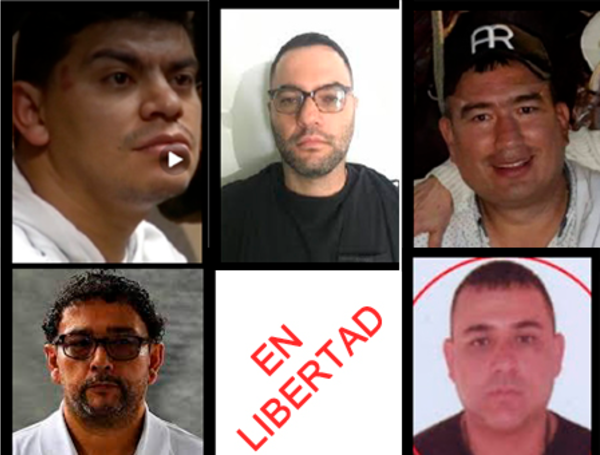
However, the Governor of Antioquia rejects this premise entirely. He argues that the policy is being used as a mechanism for "territorial and electoral pressure." By granting these concessions, the Governor claims the state is essentially ceding control to criminal structures, thereby undermining the democratic process.
"These actions are a slap in the face to our Public Force," Rendón emphasized. "Our police and military work tirelessly to restore order, only to have their efforts erased by a signature on a resolution in Bogotá. It is a total lack of respect for the sacrifice of our soldiers and the rights of the victims who are still waiting for justice."

Legal and Administrative Implications
The lawsuit filed by the Governor is a significant escalation that forces the Council of State to weigh in on the limits of the Executive branch’s power to interfere with judicial processes.
The Precautionary Measure
The request for a precautionary measure is particularly aggressive. If granted, the Council of State would order the immediate suspension of the government’s resolution, effectively reinstating the arrest warrants for the 23 leaders. This would place the President and the Attorney General in a direct conflict with the judiciary.

A Cascading Legal Strategy
The Governor’s office is not acting alone. The expected filing by the Medellín City Council indicates that this is a coordinated effort by the regional leadership in Antioquia. Should the Council of State accept these cases, it could trigger a national debate on the constitutionality of using administrative resolutions to bypass existing criminal code mandates.
Looking Ahead: The Future of Urban Security in Colombia
As this legal battle unfolds, the streets of Medellín remain tense. The population is caught in the middle of a power struggle between a central government focused on political negotiations and a regional administration focused on law and order.

The outcome of this case will likely set a legal precedent for how "peace processes" are conducted in the future. If the Governor succeeds, the government will be forced to reconsider its strategy for negotiating with urban criminal structures. If the government prevails, it will signal a new era of executive discretion in judicial matters, one that may further alienate regional governors and local authorities who feel ignored by the central administration.
For now, the people of Antioquia watch closely. With reports of continued criminal activity and the persistent threat of extortion, the citizens are demanding more than just legal theories; they are demanding safety, accountability, and a government that prioritizes the rule of law over the convenience of political dialogue.

This report is based on verified information from official government statements, legal filings from the Governor of Antioquia, and ongoing coverage of the security situation in the Aburrá Valley.