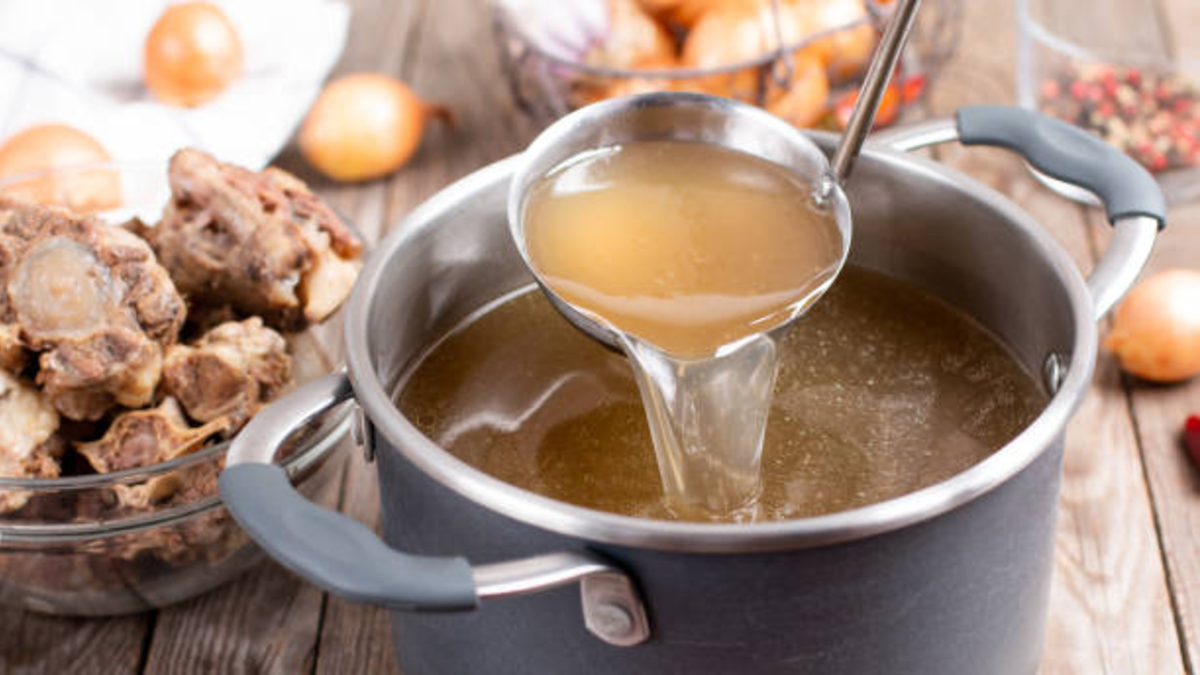
Achieving a deep, soul-warming homemade beef broth is often shrouded in mystery. Many home cooks believe it requires secret family recipes or hours of tedious skimming, but according to culinary experts and nutritionists, the secret to a world-class broth begins long before you turn on the stove: it starts at the butcher shop.
The difference between a lackluster, greasy soup and a professional-grade, crystal-clear elixir lies in the strategic selection of the cut of meat and a precise understanding of the science behind collagen extraction.
The Foundation: Why the Cut Dictates the Outcome
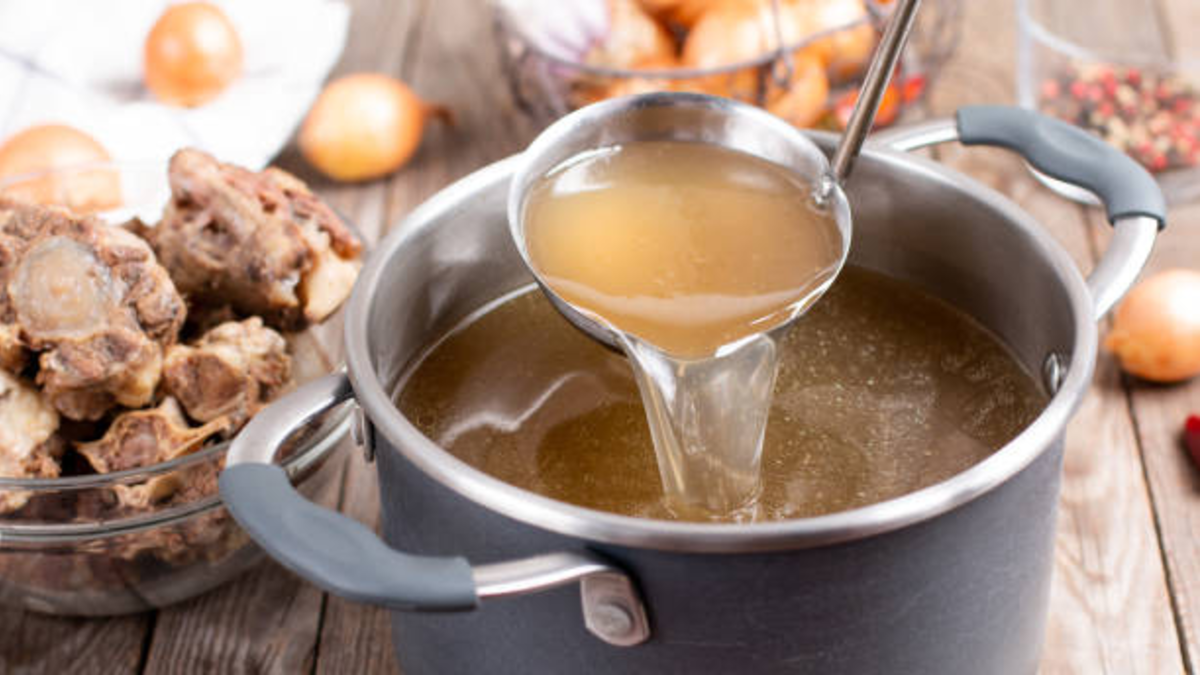
Not all beef cuts are created equal when exposed to the sustained heat of a simmering pot. While some muscles provide a velvety, mouth-coating texture, others can turn a delicate soup into a heavy, unpalatable, and overly greasy preparation. The intelligence behind gourmet cooking is the ability to balance the intense flavor provided by the bone with the clean, refined profile of lean muscle.
The Role of Collagen and Bone Structure
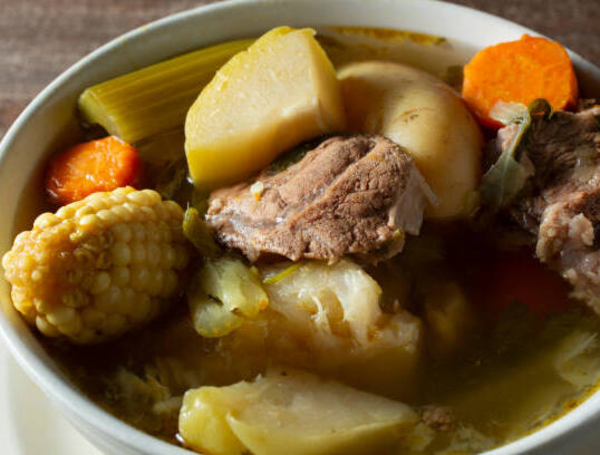
For many, the beef rib is the undisputed king of the soup pot. This preference is not merely cultural; it is deeply rooted in the physical anatomy of the animal. Chef Camilo Currea notes that "for crafting a superior broth, the best cut is undoubtedly beef rib, or, failing that, any cut that includes a significant portion of bone."

The science behind this is straightforward: bone contains collagen, a structural protein that, when simmered over long periods, breaks down into gelatin. This process provides more than just a depth of flavor; it gives the broth a luxurious, silky "mouthfeel."
According to insights from culinary authorities like Serious Eats, the gelatin extracted from bones and connective tissues is what creates the "body" of a soup. Without it, a broth is essentially just flavored water. The gelatin acts as an emulsifier, holding the savory aromatic compounds in suspension and providing a rounded, complex finish on the palate that is the hallmark of a professional kitchen.
A Chronology of a Perfect Broth: From Butcher to Table
To achieve the perfect result, one must view the process as a series of deliberate steps rather than a single cooking event.
- The Selection Phase: Choosing a cut with a high bone-to-meat ratio is essential. Ribs and oxtail are ideal. If you desire a more structured, meaty broth, adding a piece of beef shank (jarrete) provides a deep, concentrated flavor profile that ribs alone may lack.
- The Preparation Phase: Before the water hits the pot, the cleaning process begins. Experts advise trimming any loose or excess fat from the meat. While fat carries flavor, an overabundance of surface fat can make a broth cloudy and heavy.
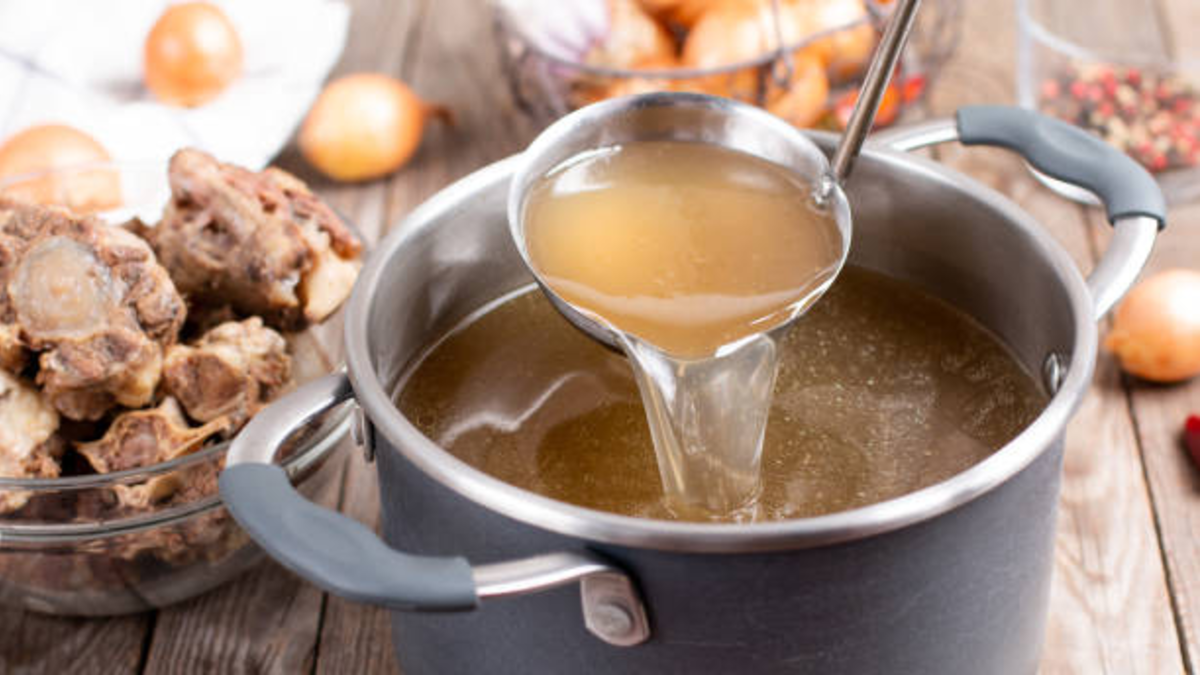
- The Extraction Phase: The slow simmer. This is not a race. The heat must be kept low and consistent. A violent boil will emulsify the fat into the water, resulting in a murky, cloudy broth. A gentle, persistent "smile" on the surface of the water ensures a clear, golden liquid.
- The Clarification Phase: The post-cooking process. Even with the best technique, some fat will remain. The final step to perfection is the cooling phase, where science does the heavy lifting.
Supporting Data: Navigating Lean vs. Fatty Cuts
When selecting your ingredients, it is helpful to categorize them by their nutritional and structural profiles.

- High-Collagen Cuts (The "Body" Builders): Beef ribs, marrow bones, knuckles, and oxtail. These are essential for the texture of the broth.
- Flavor-Concentrated Cuts (The "Essence" Builders): Beef shank (jarrete). This cut is known for its intense beefy flavor and its ability to provide a robust base.
- Lean Cuts (The "Clean" Builders): Sirloin or round cuts. While these are healthier due to their low lipid content, they lack the connective tissue necessary for a rich body. If using these, one must compensate by adding bone marrow or gelatin-rich bones to the mix.
According to guidelines from the USDA and findings cited by Mayo Clinic, consumers looking to reduce saturated fat intake should prioritize leaner cuts. However, the caveat remains: the less fat and connective tissue a cut has, the less "body" your final broth will possess. The key is to source the flavor from the bones while keeping the muscle meat as lean as possible.
Expert Perspectives: Balancing Health and Taste
The tension between flavor and health is a constant in culinary arts. Nutritionists often advocate for the removal of visible fat, while chefs argue for the depth of flavor that fat provides. The consensus among professionals is that the best broth achieves an equilibrium.
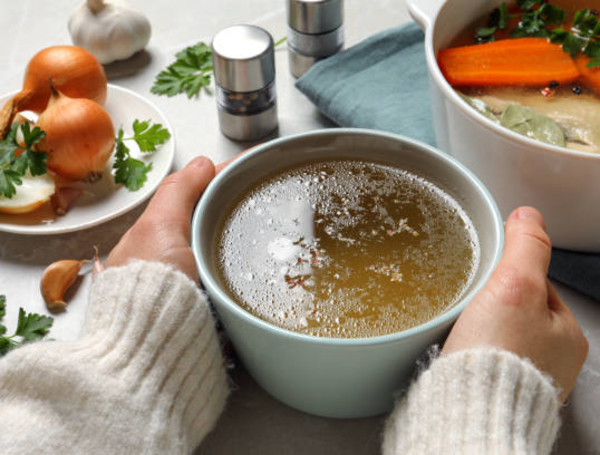
Chef Currea emphasizes that "it is highly recommended to remove as much surface fat as possible before the cooking process begins." This proactive approach ensures that the broth remains light and avoids the heavy, greasy aftertaste that often plagues home-cooked soups.
Furthermore, medical professionals at Mayo Clinic support the idea that proper preparation techniques—such as cooling the finished product to solidify surface fats—allow for a cleaner, healthier, and more palatable final dish. By removing the hardened layer of fat from the top of a chilled broth, the cook is left with a highly nutritious, collagen-rich liquid that is free from excessive saturated fats.
Implications for the Home Cook: Technical Mastery
The implications of these findings are clear: you do not need to be a professional chef to achieve restaurant-quality results, but you do need to be a conscious shopper.
The "Chilled" Secret
The most transformative tip for any home cook is the cooling method. After simmering your broth, strain the solids and refrigerate the liquid overnight. The cold environment causes the remaining fat to rise to the surface and solidify into a white, waxy layer. This layer can be lifted off with a simple spoon, resulting in a broth that is remarkably clean and pure.
Beyond the Pot
The shift toward more intentional cooking also extends to how we view the "waste." The bones used in your broth have a second life. After the initial long simmer, many chefs suggest roasting them briefly or using them in a second, lighter extraction (a remouillage) to squeeze out every drop of remaining gelatin and flavor.
The Role of Technology and Tradition
While modern tools like artificial intelligence can assist in providing recipes and nutritional data, the art of the broth remains fundamentally human. It requires the ability to observe the state of the liquid, the patience to maintain a proper temperature, and the sensory experience of tasting and adjusting the seasoning.

Final Thoughts: The Philosophy of the Broth
In conclusion, the pursuit of the "perfect" beef broth is an exercise in patience and precision. It challenges the cook to understand the anatomy of the ingredients and to respect the chemical reactions occurring within the pot. By selecting the right bones for body, the right meat for flavor, and applying the cooling technique to ensure a clean finish, the home cook can elevate a simple staple into a culinary masterpiece.
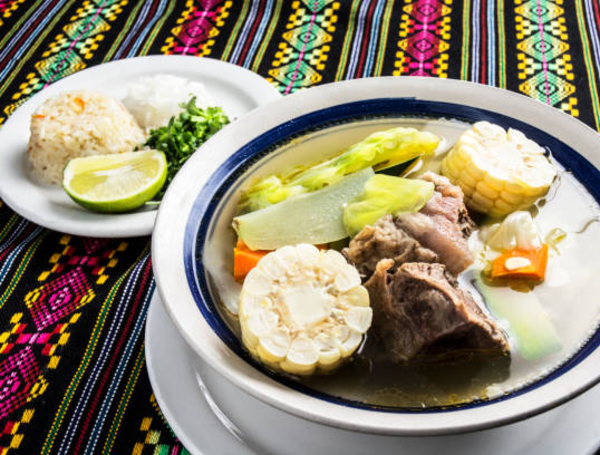
Great cooking is not about luck; it is the result of informed decisions made at the market and a commitment to the process. Whether you are aiming for a traditional Colombian-style beef soup or a refined, clear consommé, the principles remain the same: honor the bone, respect the fat, and take your time. In the end, the reward is a bowl of nourishment that is as good for the soul as it is for the palate.
This article was developed with the assistance of AI technology and has been reviewed by our editorial team to ensure accuracy and culinary rigor.