By Environmental and Health Desk
Published: April 26, 2026
1. Main Facts
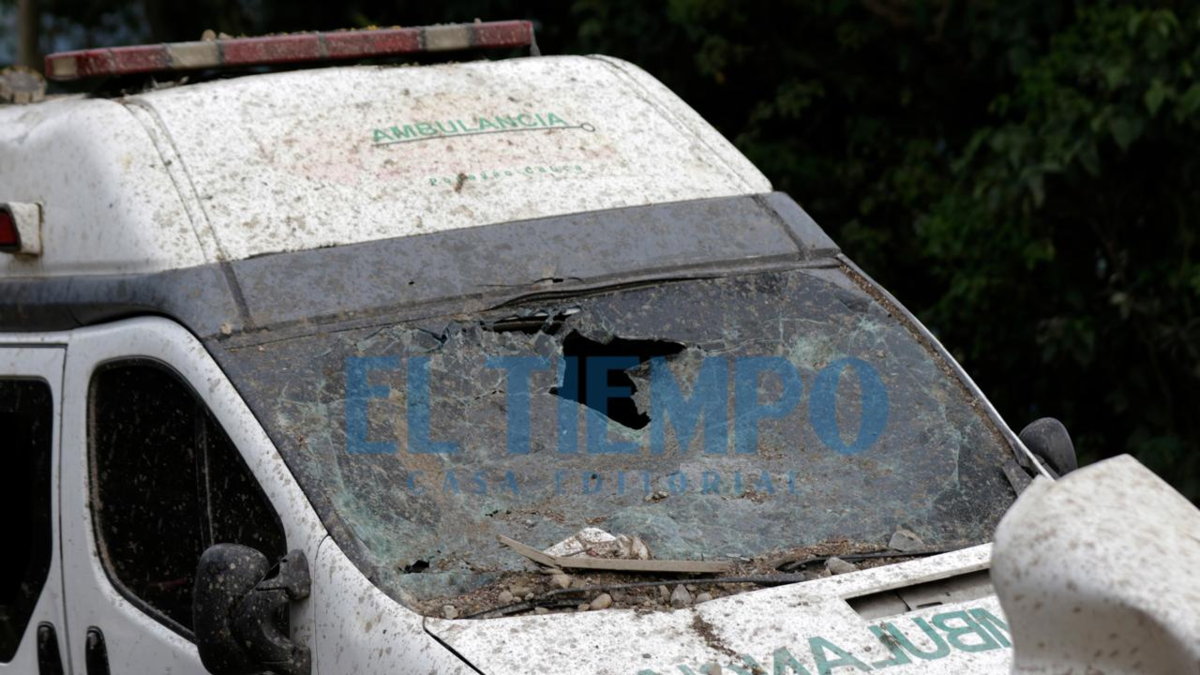
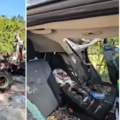
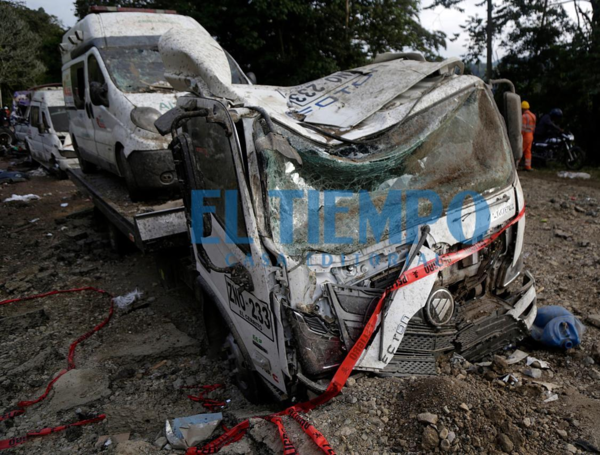
The environmental sector in Colombia is in a state of profound mourning and high alert following a devastating terrorist attack that struck the southwestern department of Cauca. The bombing, which took place on Saturday, April 25, 2026, resulted in at least 14 fatalities and left numerous others wounded, shaking the region’s fragile institutional framework and civil society to its core.
Among the victims of this violent escalation were two dedicated civil servants belonging to the Autonomous Regional Corporation of Cauca (CRC): Patricia Mosquera, a valued official from the Patía Territorial Directorate and a prominent social leader within the Afro-Patian Women’s Movement; and Jarol Jair Bojorge, an auditor from the internal control office of the CRC.
The attack occurred in the strategically vital yet volatile sector known as the Cajibío Tunnel. This region has experienced a sharp, deeply alarming surge in violence driven by armed groups vying for territorial control over illicit economies, smuggling routes, and resource extraction corridors.

In response to the tragedy, the Association of Regional Autonomous Corporations and Sustainable Development (Asocars) — the umbrella organization representing the nation’s environmental authorities — issued a categorical condemnation of the atrocity. The leadership declared that the deteriorating security landscape has effectively neutralized the operational capacity of environmental workers, exposing them to lethal risks as they attempt to fulfill their constitutional mandates of protecting natural resources, managing river basins, and curbing illegal deforestation and mining.
2. Chronology of Events
To understand the context surrounding the tragedy in Cajibío, it is necessary to examine the timeline of escalating security failures and violence leading up to and immediately following the April 25 attack:
- Mid-April 2026: Intelligence reports and local monitoring groups note a worrying intensification of hostilities across Cauca and neighboring Valle del Cauca. Armed factions step up asymmetric warfare tactics, utilizing improvised explosive devices and targeted ambushes against infrastructure, security forces, and civilian transit routes.
- Friday, April 24, 2026: Tensions peak across major arterial roads in the region. An explosive attack along the Pan-American Highway leaves multiple Indigenous community members severely injured, prompting immediate warnings from local leaders regarding the imminent peril facing civilian populations.
- Saturday, April 25, 2026 (Morning/Afternoon): A powerful explosive device detonates in the Cajibío Tunnel sector in Cauca. The blast unleashes catastrophic destruction, instantly claiming multiple lives and causing widespread devastation along the transit corridor.
- Saturday, April 25, 2026 (Evening): Emergency responders and forensic teams confirm the death toll has climbed to at least 14 people. Tragically, early identifications reveal that two of the victims are active personnel from the Corporación Autónoma Regional del Cauca (CRC): Patricia Mosquera and Jarol Jair Bojorge.
- Sunday, April 26, 2026 (Morning): Asocars breaks its silence with a formal institutional statement. National directors condemn the "terrorist escalation," express deep grief over the loss of Mosquera and Bojorge, and formally declare that basic safety conditions for environmental field operations in southwestern Colombia have completely collapsed.
- Sunday, April 26, 2026 (Later): Calls mount across political, social, and environmental spheres demanding accountability from the National Government. Critics and institutional heads argue that the state has ceded territorial control, leaving public servants and conservationists entirely unprotected against insurgent and criminal networks.
3. Supporting Data and Regional Context
The tragedy in Cajibío is not an isolated incident; rather, it underscores a systemic hazard confronting environmental defenders and civil servants across Colombia. Statistical data shared by Asocars and labor watchdogs illustrate the profound vulnerability of those tasked with environmental stewardship:
- Over 70% Field Exposure: Statistical analysis from regional corporations indicates that more than 70% of the personnel working within Colombia’s Autonomous Regional Corporations (CARs) are field operatives. These workers are routinely dispatched to remote, conflict-ridden zones to oversee water basins, monitor illegal mining operations, halt unauthorized timber extraction, and enforce environmental licensing.
- A Two-Front Crisis (Cauca and Valle del Cauca): Both departments have witnessed a dramatic spike in armed confrontations. Territorial disputes between dissident guerrilla factions, drug-trafficking cartels, and residual armed groups have turned ecological reserves, rural transit corridors, and rural communities into active combat zones.
- The Toll on Civil Servants and Social Leaders: Patricia Mosquera’s dual identity as both a state environmental worker and a recognized Afro-descendant community leader highlights the intersectional dangers faced by women defending social and environmental rights in marginalized territories. Her death represents a devastating blow to the Afro-Patian Women’s Movement, which has long championed gender equity, ethnic rights, and environmental justice.
- Nationwide Institutional Reach: Colombia’s CAR system comprises dozens of regional entities designed to decentralize environmental management. However, their physical presence in areas historically abandoned by the central government makes them prime targets for illegal armed groups seeking to deter state oversight over lucrative illicit economies.
4. Official Responses and Institutional Reactions
The devastating loss of life has elicited swift, impassioned reactions from environmental leaders, administrative heads, and national oversight bodies:
-
Yesid González Duque (Executive Director of Asocars):
In an uncompromising official statement, González Duque pulled no punches regarding the reality on the ground:"We categorically reject this attack and the terrorist escalation plaguing our country, especially in Cauca and Valle del Cauca, regions that have been the target of cruel attacks affecting both the population and our institutions. It is abundantly clear that conditions do not exist to exercise our mission of administering and conserving natural resources."
González Duque extended the organization’s heartfelt solidarity to Amarildo Correa Obando, director of the CRC, as well as to all regional colleagues, while demanding immediate state intervention to secure field operations.
-
Ángelo Bacci Hernández (President of the Asocars Board of Directors and Director of Cardique):
Bacci Hernández issued a direct appeal to the highest tiers of the Colombian state:"We call upon the National Government, state institutions, control entities, and the citizenry at large to rally around our regional entities and the communities inhabiting the territories hardest hit by this wave of violence."
His remarks emphasize that safeguarding environmental institutions is fundamentally intertwined with protecting national sovereignty and human rights.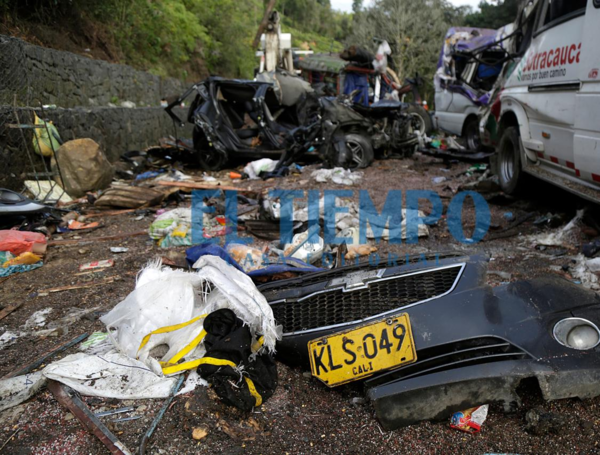
-
Condolences and Tributes:
Across social media networks and institutional channels, colleagues remembered Patricia Mosquera and Jarol Jair Bojorge for their unwavering commitment to public service. Tributes highlighted Mosquera’s tireless grassroots activism within Afro-descendant communities and Bojorge’s meticulous dedication to institutional transparency and internal control within the CRC.
5. Implications for Environmental Governance and National Security
The bombing in Cajibío and the subsequent loss of life carry profound, far-reaching implications for Colombia’s environmental governance and internal security apparatus:
Paralysis of Environmental Oversight
With Asocars officially declaring that working conditions in regions like Cauca are untenable, the immediate consequence is a de facto paralysis of state environmental authority. When regional corporations are forced to pull back field agents out of fear for their lives, illegal actors operate with absolute impunity. Protected areas, national parks, and vital river basins become unregulated zones for illegal gold mining, massive deforestation, and wildlife trafficking, severely undermining Colombia’s international commitments to biodiversity conservation and climate change mitigation.
The Crisis of State Presence
The incident has reignited intense political debate regarding the current administration’s "Total Peace" policy and overall security strategy. Critics argue that persistent security vacuums and tactical withdrawals by public security forces have allowed illegal armed structures to consolidate power. When civil servants—whose only weapons are administrative codebooks, ecological maps, and conservation plans—are targeted and killed alongside civilians, it signals a complete failure of the state to guarantee the basic social contract: the protection of human life.

The Imperative for Special Protection Protocols
Asocars’ urgent appeals point to an urgent, unmet need: the establishment of specialized security protocols and risk-mitigation frameworks for environmental personnel. Unlike traditional law enforcement or military personnel, environmental workers often travel unarmed into isolated, hostile terrain where local communities may be co-opted, coerced, or caught in the crossfire of warring factions. Developing secure corridors, real-time intelligence sharing, and rapid-extraction protocols for civil servants operating in high-risk zones will be vital if the state intends to maintain any meaningful institutional footprint in regions like the Colombian southwest.
For ongoing updates on this developing story and comprehensive coverage of environmental issues across Colombia, stay connected with EL TIEMPO’s digital platforms, weekly newsletters, and official channels.