By Edwin Caicedo | Environmental and Health Journalist
April 26, 2026
Main Facts
The environmental sector in Colombia has plunged into a state of profound mourning and institutional alarm following a devastating escalation of violence in the country’s southwestern region. The Asociación de Corporaciones Autónomas Regionales y de Desarrollo Sostenible (Asocars)—the national umbrella organization representing Colombia’s regional environmental authorities—has issued an urgent plea for protection after two of its own were killed in a brutal terrorist attack.
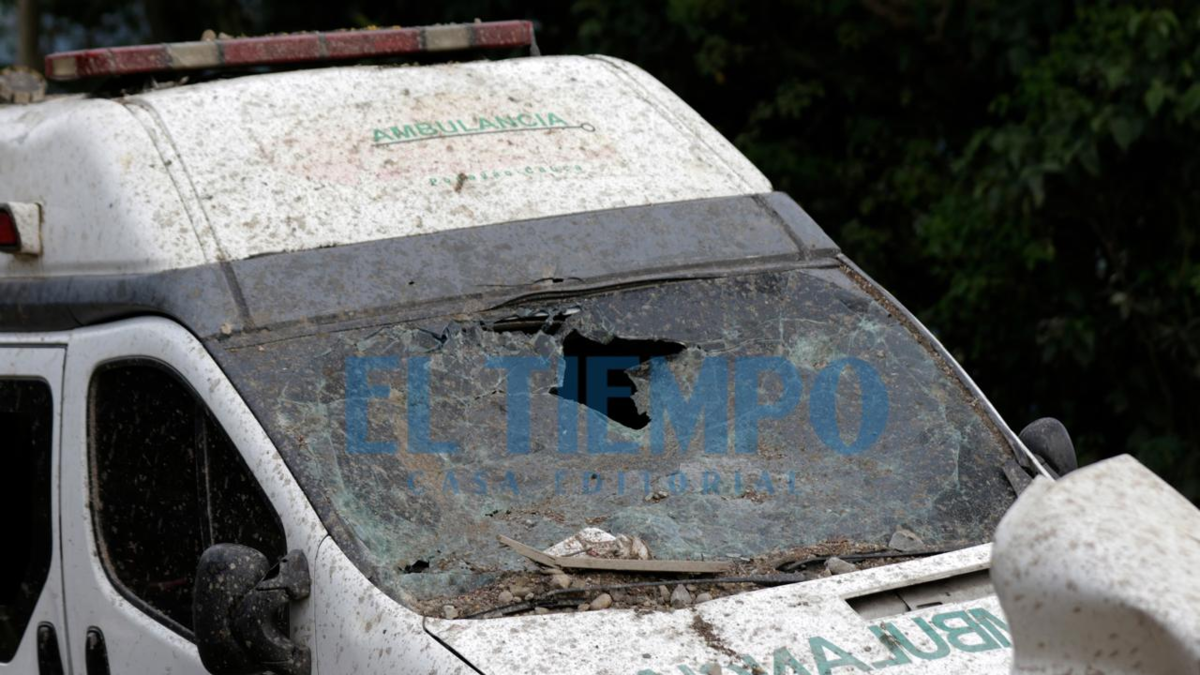
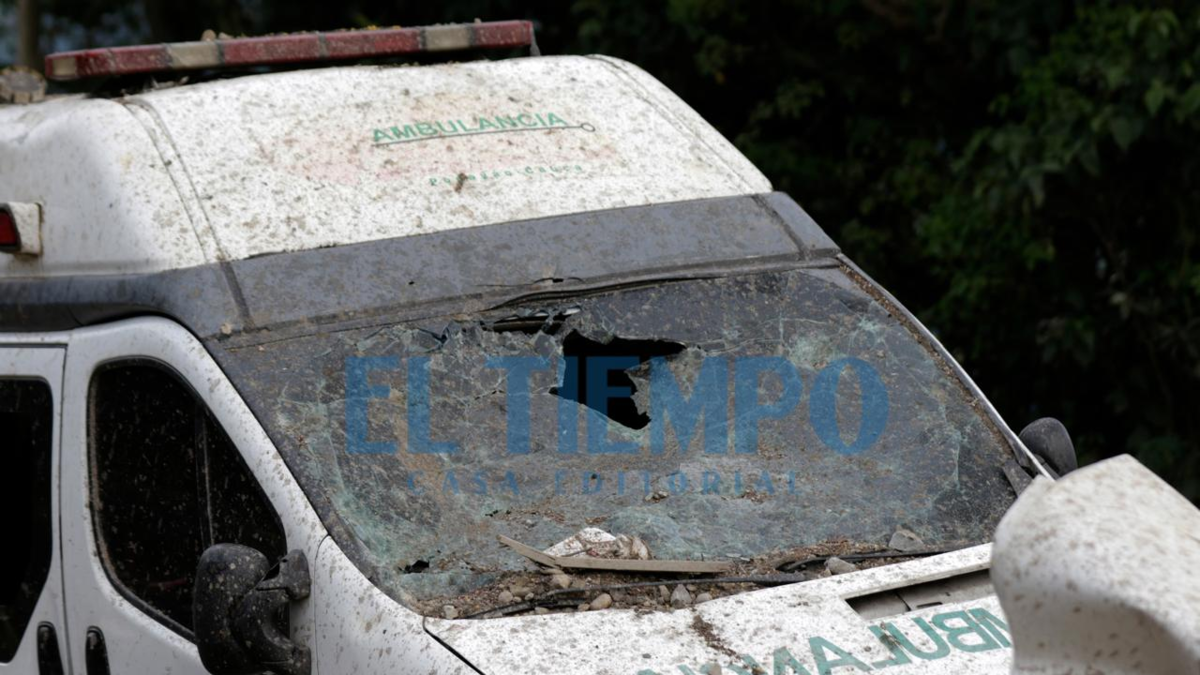
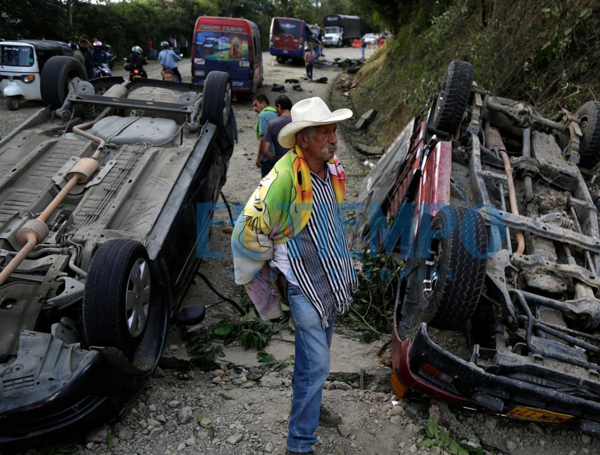
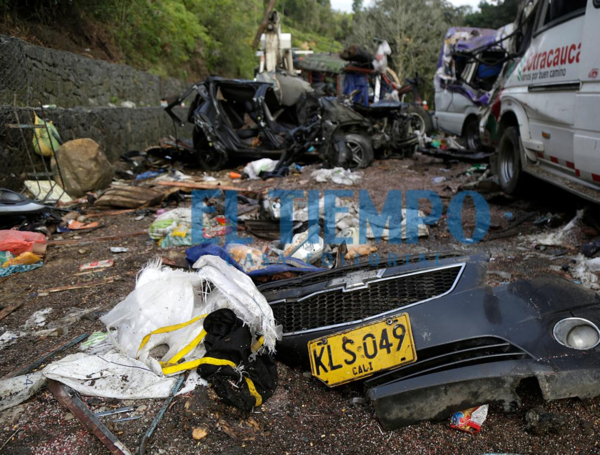
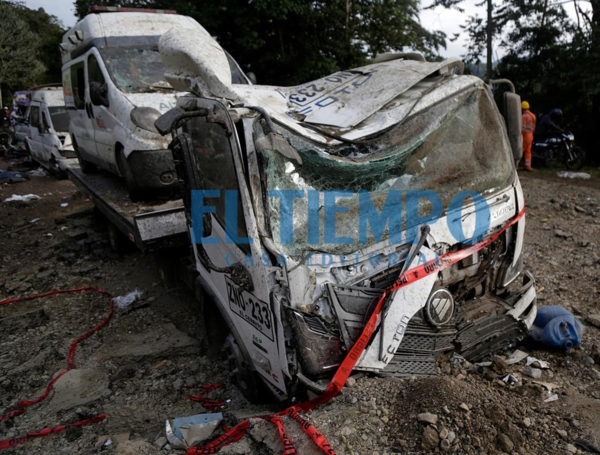
The incident, which occurred on Saturday, April 25, 2026, took place near the Tùnel de Cajibío in the department of Cauca. The bombing was part of a coordinated and merciless wave of violence that swept through Cauca and the neighboring Valle del Cauca, leaving a horrific toll of at least 14 dead and multiple injuries among civilians and indigenous communities.
Among the 14 fatalities were two dedicated public servants belonging to the Corporación Autónoma Regional del Cauca (CRC):

- Patricia Mosquera: A valued professional attached to the Patía Territorial Directorate, who was also widely respected as a prominent social leader within the Movimiento Social de Mujeres Afropatianas.
- Jarol Jair Bojorge: A diligent staff member serving within the CRC’s internal control office, committed to institutional transparency and regional environmental oversight.
The attack has laid bare the extreme vulnerabilities faced by environmental defenders and public institutions in zones historically plagued by armed conflict. With over 70% of personnel within Colombia’s Autonomous Regional Corporations (CARs) operating directly in the field—performing critical duties such as natural resource management, environmental licensing, ecosystem protection, and policing illegal extraction—the tragedy has ignited a national debate over state control, institutional safety, and the heavy toll that the ongoing security crisis takes on those safeguarding the country’s rich biodiversity.
Chronology of Events
The unfolding crisis on the weekend of April 25–26, 2026, followed a rapid and violent trajectory that caught security forces and regional populations off guard:
- Friday, April 25, 2026: Tensions boiled over on the vital Pan-American Highway when an explosive attack targeted civilian and indigenous populations, injuring several members of local indigenous communities. Experts and local leaders immediately condemned the act as a direct assault on civilian life and regional stability.
- Saturday, April 26, 2026 (Day of the Attack): A much larger and deadlier coordinated offensive struck the department of Cauca. In the sector of the Cajibío Tunnel, explosives detonated, causing catastrophic structural and human damage. Patricia Mosquera and Jarol Jair Bojorge, traveling on official duties or caught in the crosshairs of the broader regional transit corridor, were killed alongside 12 other victims.
- Morning of April 26, 2026: Local emergency response units and forensic teams mobilized to the Cajibío sector. Initial reports confirmed the staggering death toll of 14 people, sending shockwaves through municipal, regional, and national offices.
- Midday, April 26, 2026: Asocars released its official, strongly worded communiqué condemning the "terrorist escalation," publicly naming the fallen CRC workers, and demanding immediate guarantees from the national government to protect field personnel.
- Subsequent Hours: Criticism mounted across political and social spectrums, prompting widespread questions regarding the central government’s ability to maintain territorial control in historically volatile departments like Cauca and Valle del Cauca.
Supporting Data and Context: The Plight of Regional Environmental Authorities
To understand the magnitude of the tragedy in Cajibío, one must examine the operational reality of Colombia’s Autonomous Regional Corporations (CARs). These entities serve as the frontline guardians of the nation’s ecosystems, water basins, and protected areas. However, their mandate places them directly in the line of fire in regions heavily contested by illegal armed groups, drug cartels, and criminal syndicates engaged in illicit mining, deforestation, and land grabbing.
Key data points underscore the severity of the institutional risk:
- High-Risk Field Operations: According to Asocars, more than 70% of all CAR personnel nationwide perform operational, on-the-ground tasks. These include inspecting illegal logging, halting unauthorized mining operations, managing water rights, and enforcing environmental regulations.
- Geographic Vulnerability: Departments such as Cauca, Valle del Cauca, Nariño, and Chocó have experienced a sharp uptick in asymmetric warfare tactics—including roadside bombs, targeted assassinations, and infrastructural sabotage—carried out by dissident armed factions and criminal networks.
- A Double Burden: Environmental officials are not only targeted for their regulatory enforcement against illegal economies (which often fund armed actors), but they are also frequently caught in the collateral damage of territorial disputes between rival illegal groups vying for control of drug corridors and extortion networks.
- Broader Humanitarian Impact: The attack in Cajibío did not occur in a vacuum. It coincided with continuous assaults on critical infrastructure and civilian transit routes, such as the Pan-American Highway, isolating communities and restricting the delivery of humanitarian and governmental aid.
Official Responses and Condolences
The assassination of Mosquera and Bojorge drew swift, unified condemnation from environmental leaders, civil society organizations, and institutional heads across Colombia.
Asocars and Regional Leadership
Yesid González Duque, executive director of Asocars, did not mince words when addressing the press and the national government. In an official statement, he condemned the atrocity and laid bare the impossible conditions under which environmental agents are currently expected to operate.

"We roundly reject this attack and the terrorist escalation plaguing our country, especially in Cauca and Valle del Cauca, regions that have been the target of cruel attacks affecting the population and institutional frameworks," stated González Duque.
The executive director emphasized that the deterioration of public order has critically paralyzed the state’s capacity to protect nature:
"It is clear that there are no conditions for us to exercise our mission of administering and conserving natural resources."
Echoing these concerns, Ángelo Bacci Hernández, president of the Asocars board of directors and director of the Corporación Autónoma Regional del Canal del Dique (Cardique), issued a passionate appeal to the National Government, security forces, control entities, and Colombian society at large. Bacci Hernández called for an immediate, unified effort to "surround and protect" regional environmental entities and the rural communities trapped in the crossfire of the conflict.
Institutional Solidarity
Amarildo Correa Obando, director of the Corporación Autónoma Regional del Cauca (CRC), received an outpouring of national solidarity from peer corporations throughout Colombia. Colleagues remembered Patricia Mosquera not only as an exemplary public servant within the Patía Territorial Directorate but also as an inspirational pillar for Afro-descendant women’s rights through her activism in the Movimiento Social de Mujeres Afropatianas. Jarol Jair Bojorge was similarly lauded for his unwavering dedication to administrative integrity and internal control within the CRC.
Closing its official statement, Asocars extended its deepest sympathies to the grieving families:

"To the families of Patricia and Jarol, our embrace of solidarity and deepest condolences in this sad and difficult moment."
Implications of the Crisis
The murder of two environmental civil servants in Cauca carries profound ramifications for the future of conservation, governance, and peacebuilding in Colombia:
- The Paralysis of Environmental Governance: When regional authorities are forced to withdraw from rural territories due to explicit security threats, illegal actors face zero resistance in expanding deforestation, illegal gold mining, and wildlife trafficking. The death of officials like Mosquera and Bojorge threatens to create "no-go zones" where the state has entirely abdicated its environmental and social responsibilities.
- Erosion of State Authority: The inability to protect public servants working in essential fields—such as health, education, and environmental protection—reinforces public perception that criminal groups hold territorial hegemony over sovereign Colombian soil. This has triggered intense political questioning regarding the current administration’s security policies in southwestern departments.
- The Perils of Social and Environmental Leadership: Colombia remains one of the most dangerous countries in the world for environmental defenders and social leaders. Because Patricia Mosquera held a dual role as both a state employee and a prominent Afro-descendant leader, her assassination highlights the compounding risks faced by women and ethnic minorities who dare to speak out against violence and environmental degradation.
- An Urgent Need for Structural Reform: Asocars’ demands go beyond temporary police escorts; they point toward the necessity of a comprehensive, state-backed security strategy tailored specifically to the unique vulnerabilities of civilian institutions operating in conflict zones. Without ironclad security guarantees, the constitutional mandate to protect Colombia’s rich biodiversity remains an impossible, and frequently fatal, assignment.