By Edwin Caicedo | Environmental and Health Journalist
Published: September 7, 2026
Main Facts: The Physics and Chemistry Behind the Golden Crust
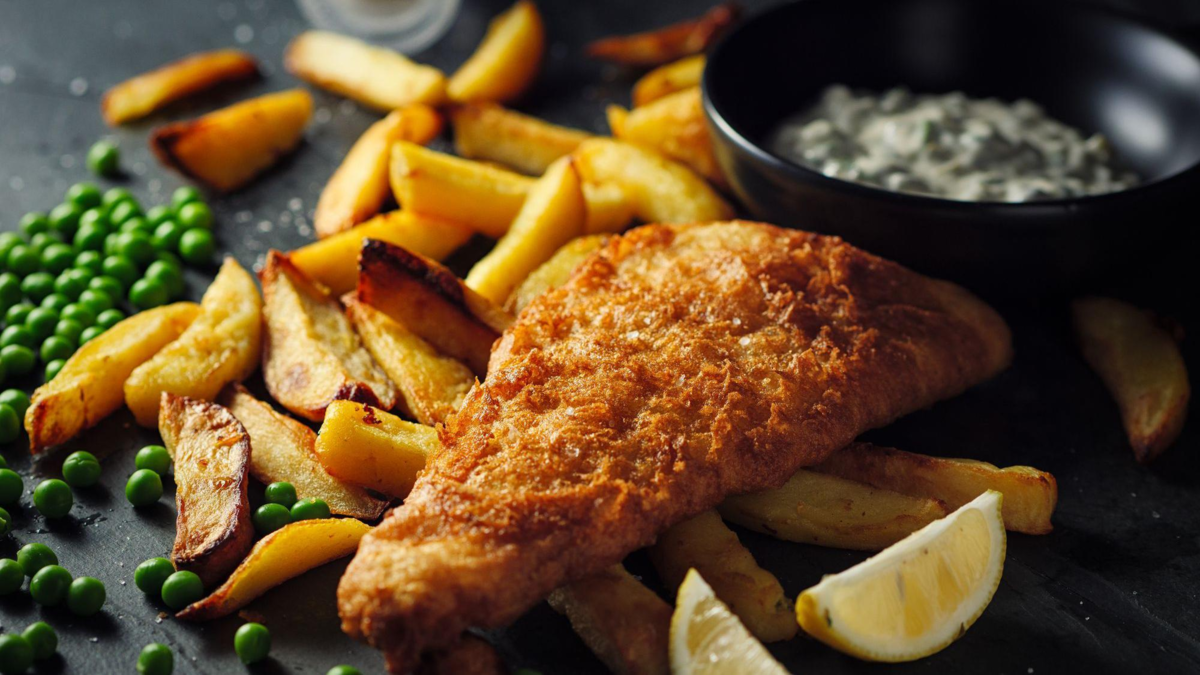
For generations, home cooks and seasoned chefs alike have sworn by an unconventional culinary trick: substituting a portion of the water and flour in a batter with beer. Far from being merely an old wives’ tale or a piece of kitchen folklore, modern food science has officially validated this method. Culinary research proves that incorporating beer into a batter fundamentally alters its chemical and physical properties, consistently delivering a lighter, crispier, and more delicate lace-like crust, particularly when frying delicate proteins like fish.
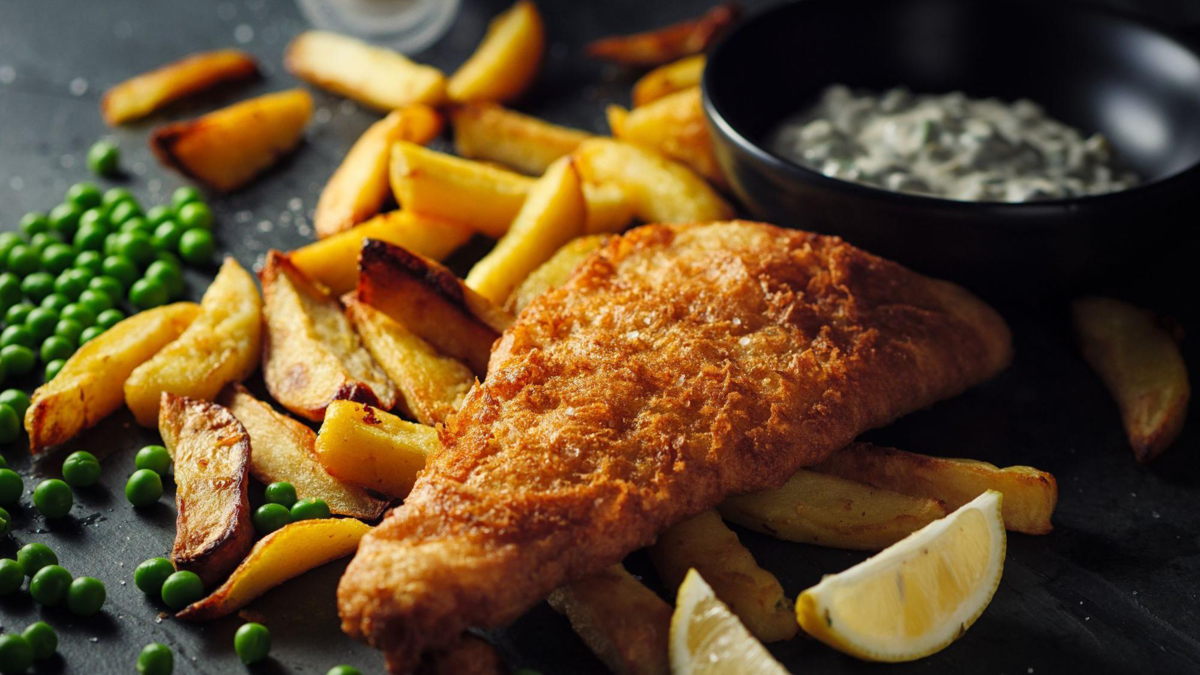
The secret to this transformation lies in a combination of three key elements inherent to the beverage: carbon dioxide, foaming agents, and alcohol. When a beer-based batter hits hot cooking oil, a dramatic physical reaction occurs. According to insights published in Scientific American, the solubility of the dissolved carbon dioxide drops precipitously under high heat. The gas rapidly escapes, expanding the batter from within and creating a porous, airy matrix that avoids the heavy, grease-soaked exterior common in traditional frying methods.
Furthermore, empirical testing conducted by America’s Test Kitchen—a globally respected culinary research organization—reveals that the carbonation does more than just puff up the crust. Carbonated beverages are inherently more acidic (typically boasting a pH of around 4) compared to plain water. This subtle acidity plays a critical role in controlling gluten development. Gluten, the protein network that provides elasticity and chewiness in baked goods, forms most readily in a neutral pH environment of 5 to 6. By increasing the acidity of the batter, beer inhibits excessive gluten formation, ensuring that the final coating shatters delicately on the bite rather than turning tough or rubbery.

Chronology: From Tavern Lore to Laboratory Validation
The evolution of beer batters from a rustic tavern secret to a formally studied culinary technique spans decades of trial, error, and eventual scientific inquiry.
- Early 20th Century (The Traditional Roots): Street vendors and traditional fish-and-chip shops across the British Isles and parts of Europe began utilizing leftover or inexpensive ales to thin out their frying batters. While empirical observations showed that the method yielded superior results, the underlying mechanisms remained unverified.
- The Mid-to-Late 20th Century (The Rise of Food Science): As culinary arts began intersecting with formal food science in academic and industrial settings, researchers started examining how emulsions, starches, and leavening agents behave under extreme thermal conditions (deep frying).
- The 2000s (Systematic Kitchen Testing): Professional testing organizations, such as America’s Test Kitchen, began conducting controlled comparative experiments. By isolating variables—such as testing batters made with beer, non-alcoholic beer, club soda, and plain water—culinary scientists definitively separated the myth of alcohol content from the physical reality of carbonation.
- The 2010s–Present (Precision Culinary Engineering): Advanced culinary platforms like ChefSteps, utilized by professional kitchens and culinary schools worldwide, began documenting the precise thermodynamics of liquid evaporation rates. These studies highlighted how rapidly evaporating liquids can protect proteins from overcooking, cementing beer and other carbonated liquids as standard tools in precision gastronomy.
Supporting Data: What the Experiments Reveal
To truly understand why beer elevates a simple batter, one must look closely at the data gathered by food laboratories and scientific journals. The primary driver of texture is not, as many once believed, the alcohol content, but rather the physics of carbonation and evaporation.

1. The Carbonation Factor
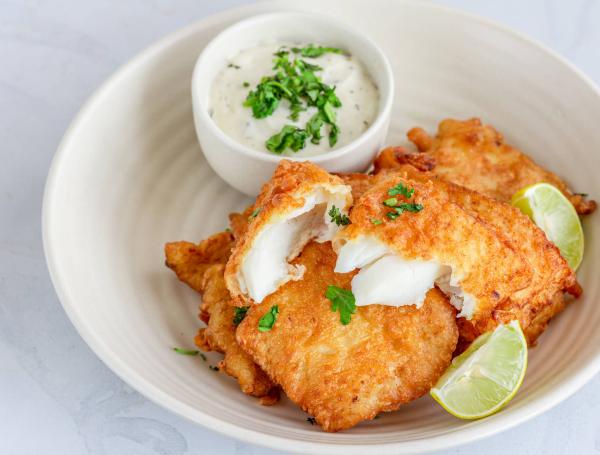
In blind taste tests and structural analyses performed by America’s Test Kitchen, researchers fried multiple batches of fish using four distinct liquid bases: standard beer, non-alcoholic beer, club soda, and plain tap water. The findings were striking:
- Water-based batters produced dense, thick, and frequently oil-logged coatings.
- All carbonated variants (beer, non-alcoholic beer, and club soda) yielded significantly lighter, crisper, and more evenly puffed crusts.
This data confirmed that the effervescence—the physical action of gas bubbles escaping the matrix—is the primary engine behind the desired texture.
2. The Role of Alcohol and Evaporation Rates
While carbonation creates the bubbles, alcohol serves a distinct secondary purpose. Specialized culinary platforms, including ChefSteps, point out that alcohol has a lower boiling point and higher volatility than water. When introduced to hot oil, ethanol vaporizes much faster than water.
This rapid evaporation achieves two critical things:
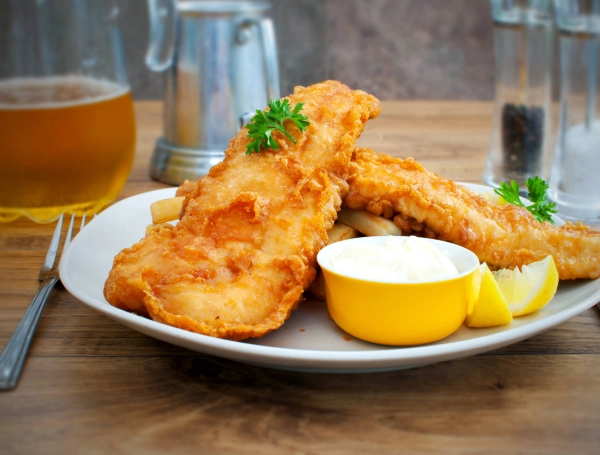
- It drives moisture out of the outer coating at an accelerated rate, setting the crust faster and preventing oil from penetrating the food.
- It shields the interior protein (such as a delicate fillet of fish) from overcooking, ensuring the inside remains moist and flaky while the outside achieves a deep, golden crunch.
Official Responses and Expert Perspectives from the Culinary Community
Professional chefs, food scientists, and institutional researchers widely endorse the physics of the beer batter method, offering nuanced advice on how to maximize its effectiveness in both home and commercial kitchens.
Dr. Robert Wolke, a professor emeritus of chemistry at the University of Pittsburgh and author of What Einstein Told His Cook, has frequently emphasized the role of gas expansion in cooking. According to academic evaluations of frying dynamics, the sudden phase change from dissolved gas to expanding vapor is one of the most effective natural leavening methods available in the kitchen, requiring no chemical baking powders that might leave an off-flavor.

Meanwhile, test kitchen directors note that while the type of beer matters less for its carbonation, it profoundly impacts flavor. Lighter lagers and pilsners offer a clean, neutral profile that enhances the natural sweetness of seafood or vegetables without overpowering them. Conversely, heavier stouts or porters impart rich, malty, and caramelized notes that pair exceptionally well with certain meats and root vegetables, though their higher density can sometimes yield a heavier crust if not properly balanced with lighter starches.
Practical Implications: How to Apply the Beer-Batter Method at Home
Translating these scientific principles into everyday cooking requires a few deliberate techniques. Culinary experts and food researchers offer the following recommendations for achieving optimal results in a home kitchen:

1. Keep It Cold
Temperature control is paramount. Always use beer straight from the refrigerator. The greater the temperature differential between the ice-cold batter and the hot frying oil, the more violent and immediate the thermal shock will be. This sudden expansion maximizes the formation of airy pockets, resulting in a superior crunch.
2. Do Not Overmix
When combining the dry ingredients (flour, starch, seasonings) with the wet ingredients (beer), mix gently and leave a few lumps. Overmixing activates the gluten network, which runs counter to the acidity-buffering effect of the beer, potentially leading to a tough and chewy coating.

3. Maintain Oil Temperature
Even the best beer batter cannot compensate for poorly managed oil. Use a heavy-bottomed pot or a deep fryer with a reliable thermometer. If the oil temperature drops too low because too much food was added at once, the batter will absorb excess grease before the crust can set. Maintain a steady temperature—typically between 350°F and 375°F (175°C to 190°C)—depending on the specific item being fried.
4. Choose Your Brew Wisely
While almost any carbonated beverage will provide the physical "crunch" benefit, select a beer that complements your dish. Crisp, highly carbonated pale lagers or pilsners are the gold standard for fish, shrimp, and onion rings, ensuring a delicate, unobtrusive flavor profile that lets the primary ingredient shine.

Conclusion
The enduring popularity of the beer batter is no accident of culinary history; it is a textbook demonstration of applied food science. By harnessing the physical power of carbon dioxide expansion, the chemical benefits of enhanced acidity on gluten inhibition, and the thermodynamic properties of rapid alcohol evaporation, home cooks can replicate the professional-grade results found in top-tier gastropubs and seafood houses. Ultimately, science proves what generations of cooks have known instinctively: a cold beer belongs just as much in the mixing bowl as it does in the glass.