By Edwin Caicedo, Environmental and Health Correspondent
The Impending Crisis in Las Dalias
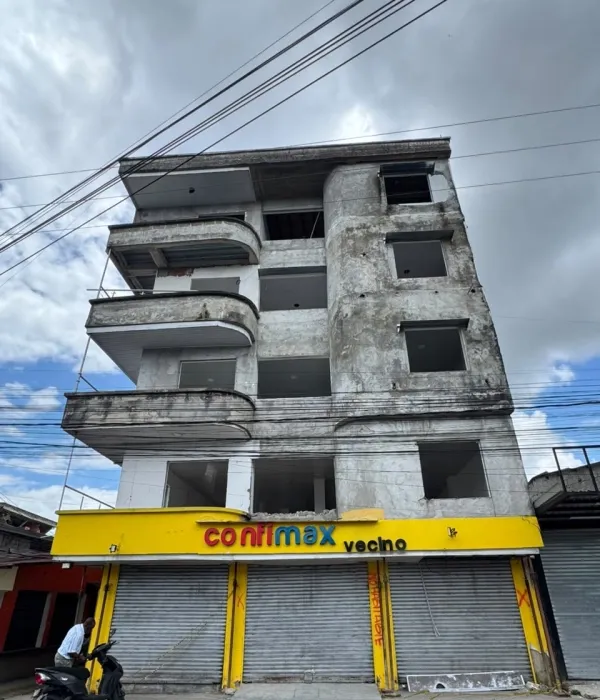
For the residents of the Las Dalias sector in the El Jardín neighborhood of Quibdó, the sun setting does not bring the comfort of home; it brings a cold, creeping dread. One month has passed since a powerful 7.4-magnitude earthquake tore through the Chocó region, leaving a scar not just on the land, but on the very infrastructure of the city. Looming over the neighborhood is a six-story residential building, its structural integrity shattered by the seismic event.
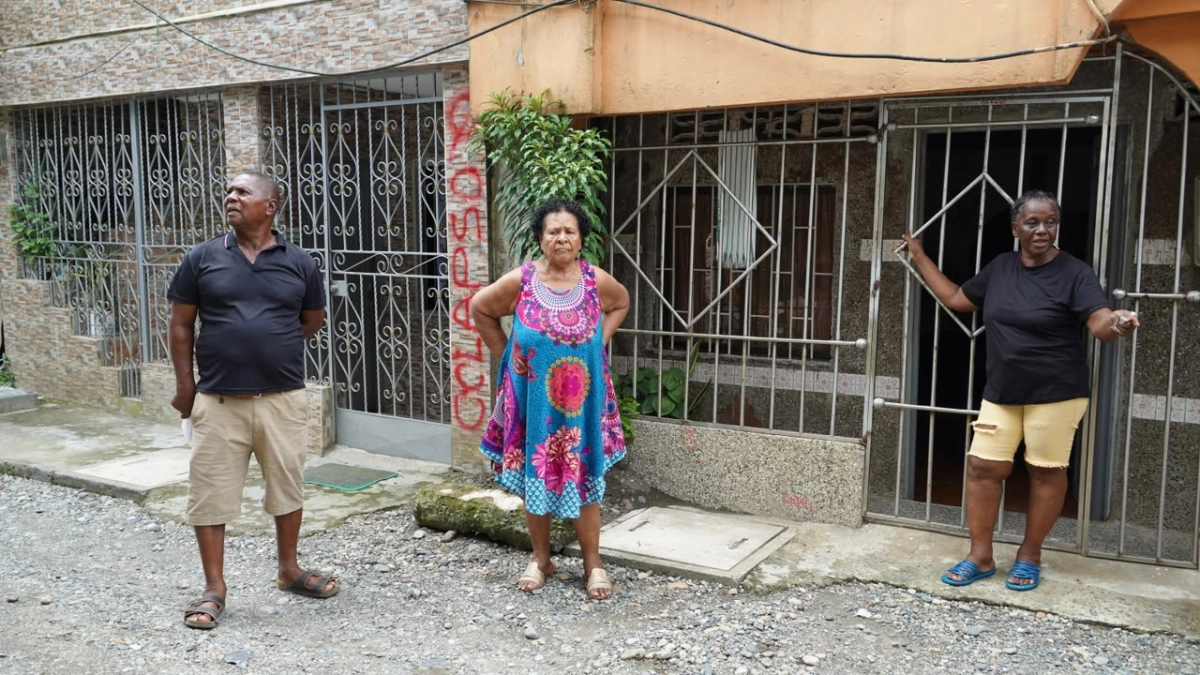
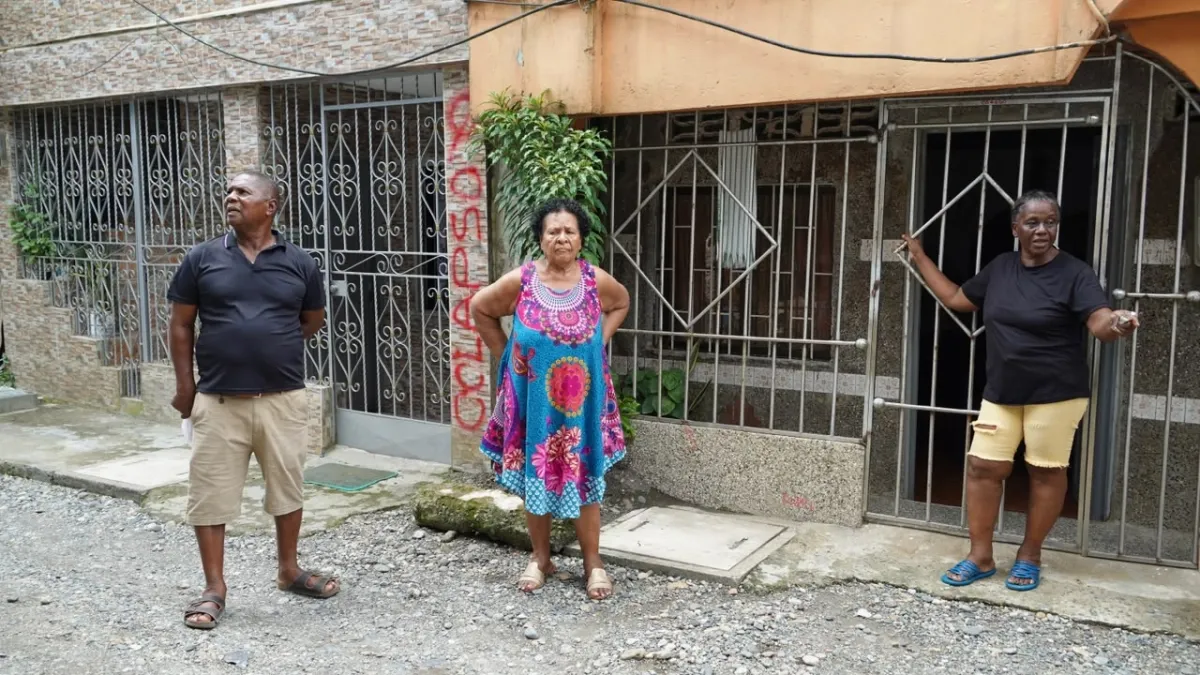
Despite being officially condemned by local authorities as a "high-risk structure" with an immediate order for demolition, the building remains standing—a concrete tomb waiting for a reason to collapse. For the families living in its shadow, the nights have become a ritual of displacement. Many, including those whose own homes sustained no damage during the tremor, have abandoned their beds to seek refuge elsewhere, forced into the financial and emotional burden of renting temporary lodging while their own properties sit empty and vulnerable.
Chronology of the Disaster
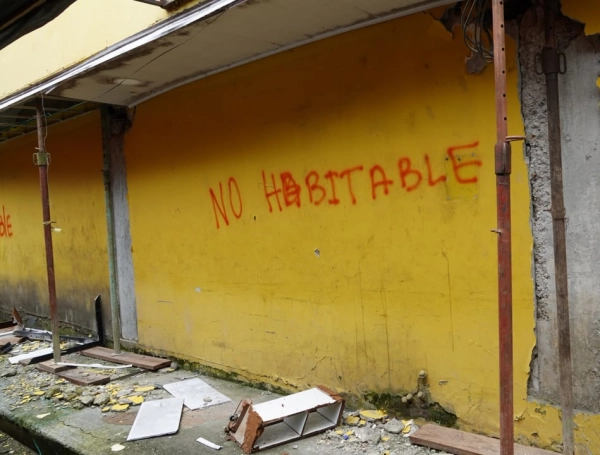
The nightmare began exactly 30 days ago, when the 7.4-magnitude earthquake struck Chocó, causing widespread panic and significant damage to the urban landscape of Quibdó. In the immediate aftermath, structural engineers and municipal inspectors surveyed the affected areas. The building in Las Dalias was quickly identified as a primary danger, showing critical failures in its load-bearing columns and visible, deep fissures in its façade.

- Day 1-3: The earthquake occurs. Initial structural assessments are conducted. The six-story building is cordoned off, and authorities issue a formal declaration of "impending collapse," mandating immediate demolition.
- Week 2: Residents express growing frustration as the building remains untouched. The initial panic transitions into a state of chronic anxiety. Neighbors begin the practice of vacating their homes during the night, fearing that a structural failure—which would happen without warning—could crush them in their sleep.
- Week 3: Public discourse shifts from immediate relief to administrative inertia. Residents report that promises of a swift resolution from the municipal government have not materialized.
- Current Status (Day 30): The structure remains standing. Families continue to pay rent for alternate housing while their own homes are rendered essentially uninhabitable due to the risk of falling debris.
Voices from the Shadows: The Human Cost
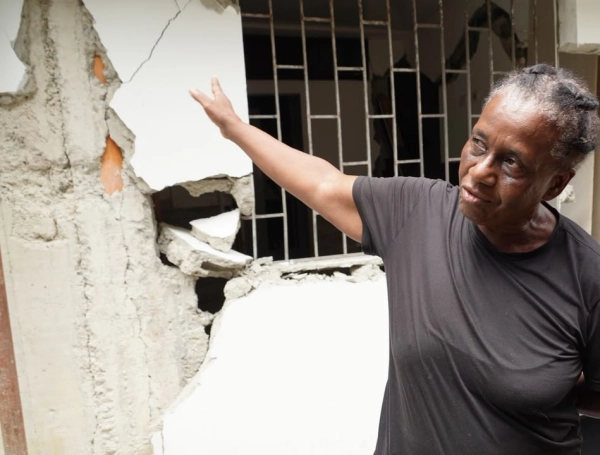
Anuncia Rivas de Valencia, a resident who lives directly opposite the condemned structure, describes the psychological toll as "unbearable."
"We are living in a state of constant, paralyzing concern," Rivas says. "The building could give way at any second, and there is no warning system, no three-day notice to pack our lives. Most of us are living on edge. I haven’t slept properly since the day of the earthquake. We are tired, we are nervous, and we are paying the price for a delay that we don’t understand."
The narrative of displacement is echoed by Ascensión Palacios Bermúdez, a father who has been forced to rent an apartment elsewhere to ensure his children’s safety. "My home didn’t suffer a single crack from the quake, but I cannot risk my family’s lives staying there," he explains. "We spend our days here, keeping an eye on things, but at night, we flee. It is an absurdity to pay rent for a temporary place when I own a house that should be safe."
This sense of helplessness is compounded by a culture of fear regarding official accountability. Some residents, like Rivas, expressed hesitation in speaking out more forcefully against the municipal government. "Sometimes when you raise your voice to claim your rights, you face threats," she admits, highlighting the strained relationship between the displaced community and the local administration.
The Technical and Administrative Impasse
The structural instability extends beyond the visible cracks. María Ulda Lloreda, another local resident, points out that the danger is not just the six-story building itself, but the domino effect it poses to surrounding, seemingly sturdy, properties.
"People look at the small cracks in our walls and think it’s nothing, but the danger is imminent," Lloreda says. "We’ve heard rumors that the city might only demolish three floors. That offers us no security. If they only take down half, who guarantees the stability of the rest? If that building falls on our homes, who is going to compensate us? Who takes responsibility for our lost lives or our lost property?"

The uncertainty is not for lack of questions, but for a distinct lack of answers. The residents are demanding a clear, written plan that outlines the safety protocols during the demolition and the financial guarantees for those whose homes might be damaged during the process.
Official Response: The View from the Mayor’s Office
When contacted by EL TIEMPO, Yan Carlos Blandón Arango, the Secretary of Planning for Quibdó, acknowledged the urgency of the situation but pointed to the severe logistical and financial limitations facing the municipality.
"The municipal administration is working in an articulated manner with competent entities and private donors to advance the demolition as soon as possible," Blandón Arango stated. However, he admitted that the city lacks the specialized heavy machinery required for a demolition of this magnitude and risk level. "We need greater technical capacity. We are actively seeking support from the private sector because this is not an isolated case; there are several other infrastructures across the city that require similar intervention."
The Secretary’s response, while transparent about the resource gap, offers little immediate solace to the families in Las Dalias. For them, the "articulated efforts" translate to another night spent in someone else’s house, waiting for a mechanical solution that has yet to arrive.
Broader Implications: A City in Recovery
The situation in Las Dalias is a microcosm of a larger, systemic struggle in post-earthquake Chocó. One month after the disaster, the region is grappling with the slow pace of reconstruction. As noted in other sectors of the city—such as the Ismael Roldán Hospital, which continues to operate with shuttered inpatient wings and frequent power outages—the seismic event exposed deep-seated vulnerabilities in public and private infrastructure.
The "internal displacement" of families who have not lost their homes, but cannot inhabit them due to proximity to hazards, is a hidden crisis. It places a significant strain on the local economy and social cohesion. When hundreds of people are forced to relocate, the community fabric begins to fray.
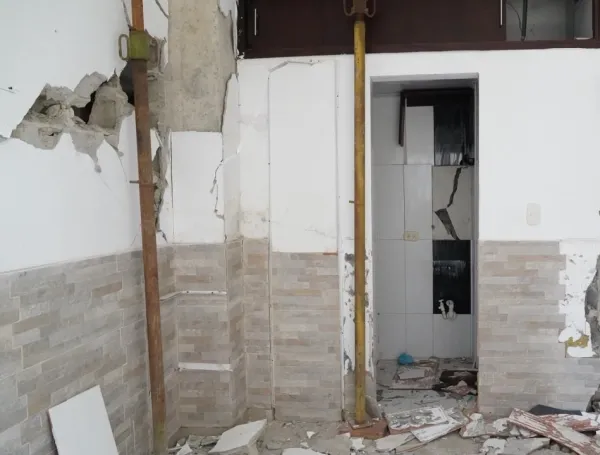
Furthermore, the delay in demolishing high-risk structures like the Las Dalias building sets a dangerous precedent. Every day the structure stands, the probability of a secondary disaster—a sudden collapse triggered by aftershocks or heavy rainfall, which is common in the Chocó climate—increases.
Conclusion: The Need for Decisive Action
The people of the El Jardín neighborhood are not asking for charity; they are asking for the restoration of their right to live in safety. The earthquake was a natural event that could not be prevented, but the ongoing threat posed by the six-story building is an administrative failure that can be rectified.

Until the heavy machinery arrives and the debris is cleared, the residents of Las Dalias will continue to live with their suitcases packed, their nerves frayed, and their eyes fixed on a crumbling façade. For these families, the "emergency" is not just a past event—it is the reality of every waking hour and every sleepless night. The city of Quibdó now faces the critical test of whether it can muster the resources and the political will to remove the danger before the next tremor, or before the building itself decides the timeline.
The silence of the authorities is loud, but for the residents of Las Dalias, the sound they fear most is the silence of the night, waiting for a crash that, if the current pace continues, feels increasingly inevitable.