By Economic Analysis Desk
September 27, 2026
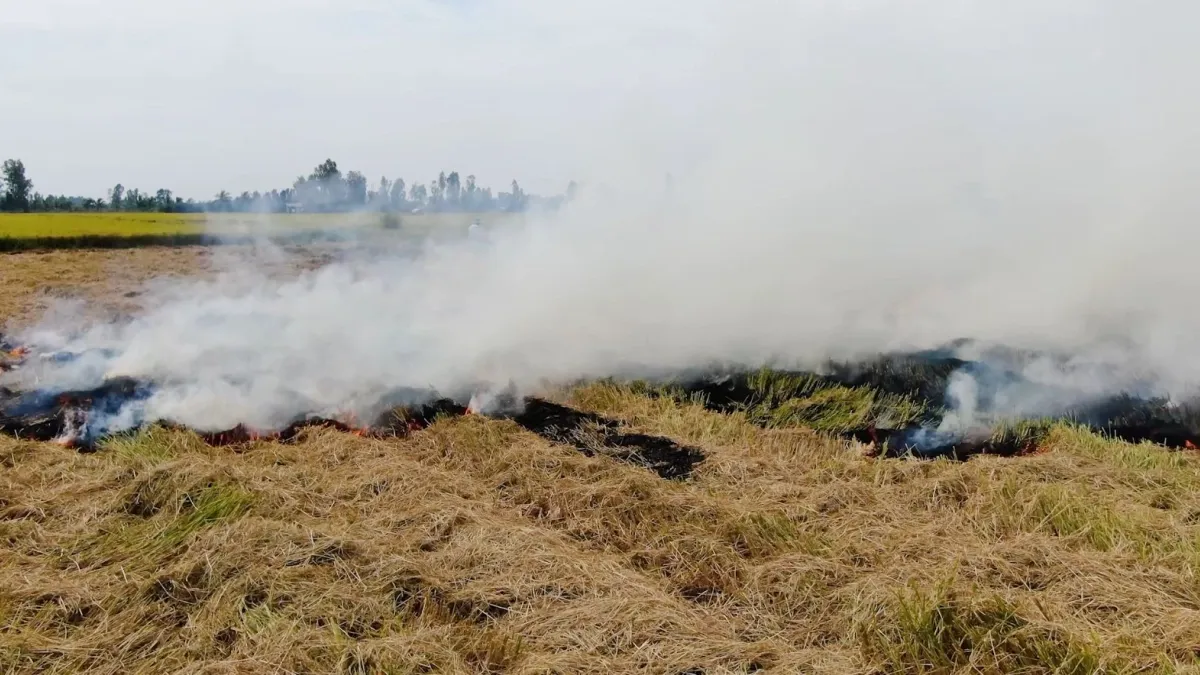
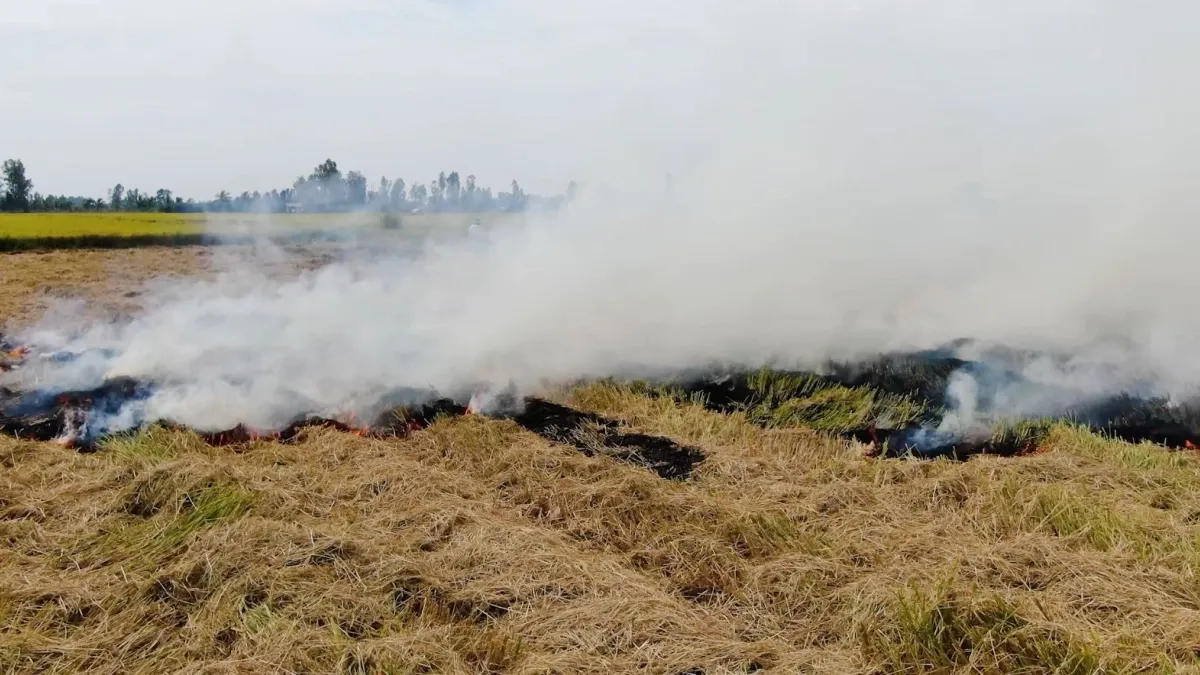
The Colombian agricultural sector, the backbone of the nation’s rural economy and a primary engine of its export capacity, is currently operating with what Minister of Agriculture Indalecio Dangond aptly describes as a "reheated engine." Facing a perfect storm of climatic volatility, rising labor costs, and adverse international trade conditions, the National Government is set to declare a formal "National Emergency." This move, expected to be ratified during the Cabinet Council meeting on Monday, September 28, led by President Abelardo De La Espriella, aims to deploy a robust, immediate intervention package to prevent the collapse of key agro-industrial chains.

The Crisis at a Glance: Why the "Reheated Engine"?
The agricultural sector is currently suffocating under a cumulative debt burden of 55 trillion pesos. This financial fragility is no longer a localized issue; it has become a structural threat to the country’s stability. According to data presented by Minister Dangond during a recent political control debate in the Senate’s Fifth Commission, the sectors facing the most acute distress include floriculture, sugarcane, coffee, cocoa, oil palm, Hass avocado, passion fruit, lemon, and tilapia production.

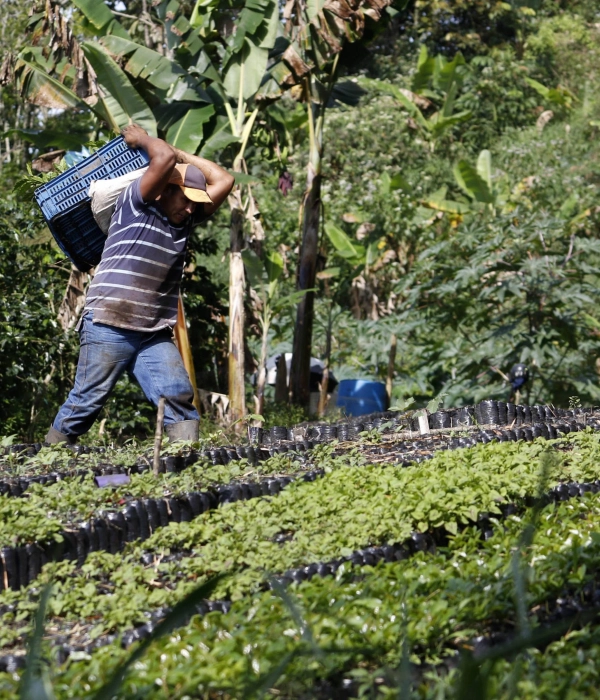
These industries are not merely agricultural endeavors; they are pillars of the national economy, generating approximately $11 billion USD in annual exports and providing the primary livelihood for millions of rural families. However, the confluence of three specific factors has pushed these sectors to a breaking point:

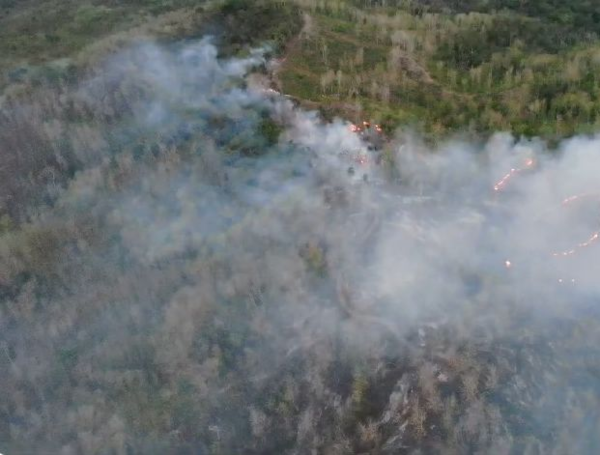
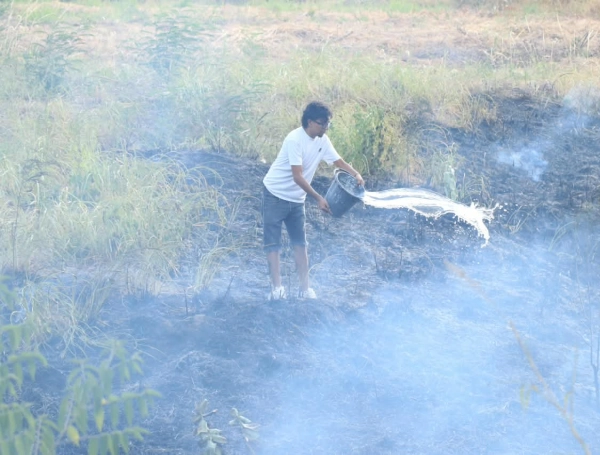
- The El Niño Phenomenon: A prolonged and intense climate cycle that has severely disrupted water availability and crop yields.
- Labor Cost Inflation: A 23% increase in the minimum wage has rendered traditional production models unsustainable for labor-intensive crops.
- Trade and Currency Headwinds: The significant depreciation of the dollar combined with a 2.5 percentage point increase in U.S. tariffs—from 10% to 12.5%—has eroded the competitive margins of Colombian exports, particularly for flowers and tilapia.
Chronology of the Escalation
- Early 2026: Initial reports from meteorological agencies warn of an intensifying El Niño, with record-high temperatures affecting the Andean and Caribbean regions.
- May–July 2026: Agricultural guilds, including the SAC (Society of Farmers of Colombia) and Analdex, begin sounding the alarm as production costs skyrocket due to water scarcity and expensive inputs.
- August 2026: The impact of the 23% minimum wage hike becomes fully felt in the balance sheets of rural enterprises. Simultaneously, U.S. customs adjustments trigger a decline in export volumes.
- September 15, 2026: Senate Commission debates highlight the "untenable" position of the rural sector, with Minister Dangond admitting that existing policies are insufficient.
- September 28, 2026 (Upcoming): The President is scheduled to sign the National Emergency decree to unlock fiscal resources and banking flexibility.
The Government’s Proposed "Oxygen Tank"
The government’s strategy is designed as a multi-pronged "oxygen tank" for the sector. Central to this plan is the reperfiling of debts. While the Ministry of Agriculture initially explored a total freeze on credit portfolios, the Financial Superintendence clarified that such a measure requires the legal umbrella of a "National Emergency."

Under this declaration, banking institutions will be empowered to suspend collection efforts for three to four months, ensuring that producers are not unfairly downgraded in credit risk databases. "We are declaring this a national emergency to act with the speed that nature demands," Minister Dangond stated.
Financial and Fiscal Measures
- Credit Restructuring: A two-year reperfiling period for debt, aimed at reducing the immediate burden of amortization payments.
- Fresh Capital: Proposals from the private sector—supported by Analdex and Corpohass—call for interest-free or heavily subsidized credit lines through Finagro, the Banco Agrario, and Bancóldex. These funds are earmarked for payroll, input acquisition, and sanitary compliance.
- Tax Efficiency: The government is looking to accelerate the return of VAT (Value Added Tax) balances, with the private sector pushing for a 15-day turnaround time to improve liquidity.
- Cert Exprés: The Ministry of Commerce is working on a new instrument to simplify export procedures, with discussions underway to expand the scope of the Tax Reimbursement Certificate (CERT) to include currently excluded agricultural and livestock sectors.
The Call for a New Rural Labor Paradigm
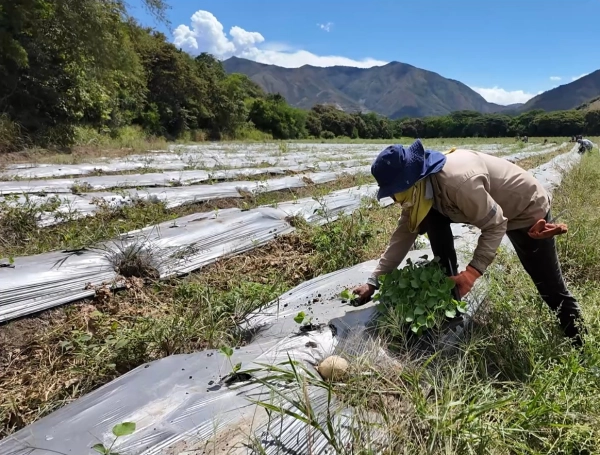
Perhaps the most controversial and significant proposal coming from the Ministry of Agriculture is the move toward a specifically rural labor legislation. Minister Dangond argued before Congress that it is illogical to impose urban labor standards on an industry that is entirely governed by the cycles of nature.

"Labor legislation in the countryside must be drafted in accordance with what nature dictates, not what humans decide in an office," Dangond asserted. The argument is that the inflexibility of current laws prevents farmers from adjusting their operations during extreme weather events, which in turn leads to job losses and business closures. This shift would aim to protect the 240,000 formal jobs in the floriculture sector alone, 60% of which are held by female heads of household.
Strategic Implications: Building Resilience
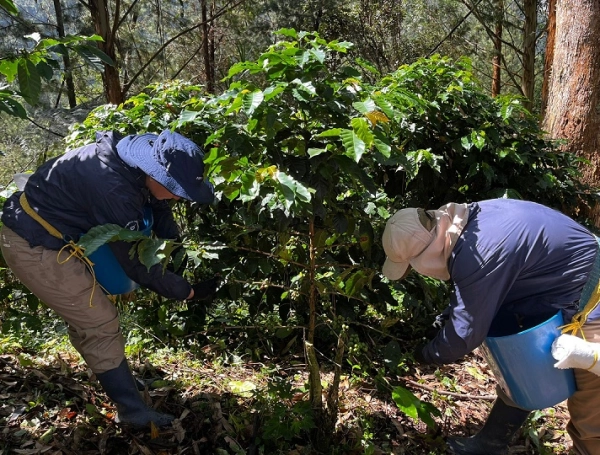
The crisis has sparked a debate on whether the government should focus solely on short-term survival or use this as a catalyst for long-term transformation. Jorge Bedoya, president of the SAC, emphasizes that the emergency must lead to a structural revision of the agricultural insurance system.

"Beyond the emergency declaration, the real challenge lies in the fiscal reality of the country," Bedoya noted. "We need to know where the resources will come from and how far they will reach."
A Three-Stage Recovery Plan
Corpohass, under the leadership of Katheryn Mejía, has proposed a three-stage roadmap:

- Immediate Liquidity: Cash injections and debt pauses before and during the peak of the drought.
- Structural Normalization: Long-term restructuring of liabilities once the most intense impact passes.
- Capitalization for the Future: Reinvigorating the Rural Capitalization Incentive (ICR) to fund the transition toward climate-resilient farming. This includes investments in modern irrigation systems, rainwater harvesting, and the planting of drought-resistant crop varieties.
Sector-Specific Challenges: The Floriculture and Water Nexus
Floriculture serves as a critical case study for the broader crisis. With 97% of production exported and a high concentration of shipments destined for Valentine’s Day and Mother’s Day, the sector is hyper-sensitive to logistical bottlenecks.
The industry is currently pushing for:

- Water Management: Streamlined permitting from Regional Autonomous Corporations (CARs) to expand private reservoirs. Currently, 50% to 70% of the water used in this sector is sourced from on-site storage, and there is an urgent need to increase this capacity.
- Energy Efficiency: Incentives for solar-powered irrigation and cold-chain infrastructure to mitigate the high energy costs associated with post-harvest preservation.
- Logistics Continuity: A formal protocol for the movement of goods in the event of road closures due to landslides or wildfires, ensuring that export cargo is prioritized and protected.
Conclusion: A Turning Point for the Colombian Countryside
The government’s forthcoming emergency declaration is an admission that the traditional model of agricultural support is insufficient for the challenges of the 21st century. The combination of El Niño, shifting labor economics, and global trade barriers represents a fundamental shift in the risk profile of Colombian agribusiness.
Whether this intervention will be enough to "cool the engine" of the rural economy remains to be seen. The success of these measures will depend not only on the immediate availability of liquidity but on the political will to implement deeper structural changes—such as flexible rural labor laws and a more agile, modern approach to water management.

As President De La Espriella prepares his cabinet for the Monday session, the eyes of the nation are on the rural sector. The outcome of these deliberations will determine the fate of millions of jobs and the future of a sector that continues to be the bedrock of Colombian prosperity. The government has signaled its intent to protect the producers; the next few months will reveal if those promises translate into the tangible resilience needed to survive the drought and emerge stronger on the other side.