By Maria Isabel Rueda
September 28, 2026
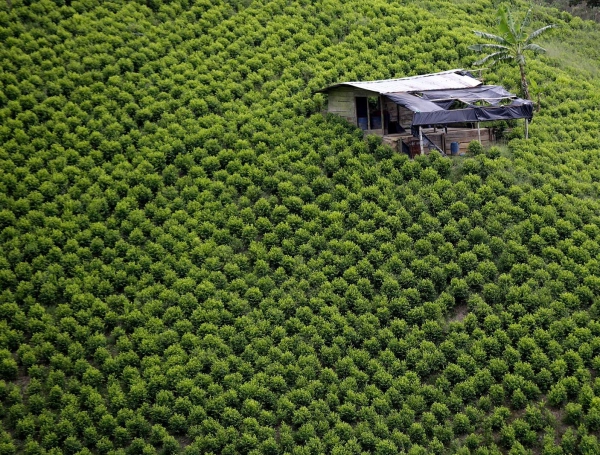
In a candid and revealing conversation, a prominent economist and criminologist—whose expertise has advised multiple administrations on antinarcotics policy—offers a sobering diagnosis of Colombia’s current security landscape. As the nation transitions from the tenure of Gustavo Petro to the administration of President Abelardo, the consensus is grim: the country is facing an unprecedented explosion in coca production, characterized by a massive increase in both land usage and technical efficiency.

The Invisible Crisis: A Data Blackout
The most alarming aspect of the current situation is the lack of transparency. Since December 2024, the state has effectively "pulled the plug" on the information systems previously managed by the United Nations Office on Drugs and Crime (UNODC) via the SIMCI (Integrated System for Monitoring Illicit Crops).
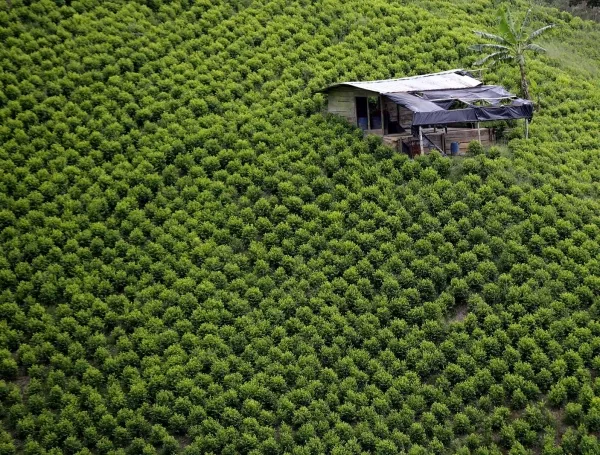
The last reliable figures from late 2024 estimated approximately 265,000 hectares of coca. Subsequent, unverified reports suggested the number could have surged to 300,000 hectares by the end of 2025. Today, in late 2026, the absence of official monitoring has forced independent experts to rely on field data and collaborative estimates. The consensus is staggering: Colombia is likely grappling with between 350,000 and 400,000 hectares of coca cultivation.

However, the real story is not just the land area; it is the industrialization of the crop.
The Technological Leap: Productivity as a Weapon
Historically, analysts measured the strength of the drug trade by the number of hectares under cultivation. Today, that metric is insufficient. Over the last four years, the lack of territorial control, the suspension of aerial eradication, and the absence of robust interdiction allowed illicit actors to optimize their operations.

Farmers and cartels have professionalized their efforts. They are employing agronomists, implementing modern irrigation systems, and utilizing sophisticated fertilizers. This has led to a significant increase in both the volume of leaf produced per hectare and the frequency of harvests per year.
Estimates suggest that current annual production capacity hovers around 3,200 tons of coca. For historical context, during the height of the Medellín and Cali cartels in the 1990s, annual production ranged between 400 and 600 tons. We are witnessing a scale of production and a depth of industrialization that is entirely unprecedented in the history of the global drug trade.
Chronology of a Failed Policy: The "Total Peace" Illusion
The "Total Peace" (Paz Total) initiative, the flagship policy of the previous administration, is now viewed by critics as a catalyst for institutional erosion. Rather than dismantling the criminal economy, the strategy essentially provided a window of opportunity for armed groups to consolidate their territorial control and diversify their income streams through unhindered drug trafficking.
While there was a brief window where a surplus of product caused local price crashes—a moment that could have been leveraged for aggressive substitution and eradication programs—the government opted for empty promises of subsidies. The result was a missed opportunity that left the state with a massive inventory of coca and, conversely, a dismantled security apparatus.

The current administration, led by President Abelardo, inherits a state with a deficit of roughly 60,000 soldiers and 120,000 fewer rifles compared to the standards of the previous decade. Aerial assets are grounded, mobile eradication groups remain frozen, and intelligence capacity is at a nadir.
The Debate Over Eradication: Glifosato vs. Glufosinate
The new government has proposed a pilot program to resume aerial spraying, this time using glufosinate, in an attempt to navigate the complex legal landscape created by previous Constitutional Court rulings.

Experts argue that while returning to aerial tools is a step in the right direction, it is not a "silver bullet." The obsession with the specific molecule—whether it is glyphosate or glufosinate—misses the point. The fundamental challenge is institutional: the judicial system remains a minefield where any local judge can issue an injunction to halt operations.
Furthermore, critics emphasize that the environmental argument against spraying has been hypocritical. The focus on the environmental impact of chemical herbicides ignores the catastrophic destruction caused by the illicit industry itself. Every harvest cycle requires massive quantities of toxic chemicals—gasoline, sulfuric acid, potassium permanganate, and acetone—all of which are dumped directly into the soil and water sources of the Amazon and Pacific regions. The environmental degradation caused by not controlling the crops is objectively higher than the impact of controlled, targeted eradication.

Structural Implications: The "Urbanization" of Coca
Perhaps the most alarming development of 2026 is the migration of the coca economy toward urban centers. Previously, coca was a phenomenon of the periphery, hidden in deep, rural jungle zones. Today, areas such as Jamundí, located less than an hour from Cali, have become hubs for processing and distribution.
When a city like Santa Marta is paralyzed by extortion and the influence of drug-trafficking networks, it signifies that the "coca problem" is no longer a regional conflict; it is a national urban crisis. This geographic expansion has made the task of regaining territorial control exponentially more difficult.

Recommendations for the Future: A Path Toward Reform
To reverse these trends, the state must move beyond the "carrot and stick" rhetoric and implement a coherent, long-term strategy based on three pillars:
- Consolidation of Territorial Control: The state cannot attempt to intervene in fifteen different coca-growing hubs simultaneously. Spreading resources too thin has been a fatal error. The government must prioritize regions, focusing on the systematic destruction of laboratories, the interruption of precursor chemical supply chains, and the modernization of maritime interdiction.
- Addressing the Legal Bottleneck: The current bureaucratic hurdles, particularly regarding "prior consultation" processes, have been exploited by criminal groups to create zones of immunity. Resolving these legal deadlocks is essential for the state to regain the ability to operate in its own territory.
- Financial Intelligence: The fight against illegal finances and asset forfeiture has regressed by two decades. The government must revitalize the Financial Information and Analysis Unit (UIAF) with real resources—not just personnel, but high-tech analytical capacity and massive investment in data systems.
Conclusion: A Long Road Ahead
The challenge facing President Abelardo is immense. The "coca machine" in Colombia has evolved into a highly resilient, productive, and decentralized beast. The era of believing that a single policy or a single chemical agent will solve the issue is over.

The success of the current government will depend on its ability to move beyond the errors of the past, resist the urge to disperse limited resources, and finally bridge the gap between policy rhetoric and the reality on the ground. As the country moves forward, the metric of success will not be political promises, but the tangible reduction of hectares and the reclamation of the rule of law in the territories. We will be watching closely in a year’s time to see if these early strategies have moved the needle, or if the country remains trapped in the same cycle of stagnation.