A sophisticated scheme involving a judge, a court official, and a private attorney has been dismantled by the Attorney General’s Office, exposing the rot within the judicial system aimed at facilitating the release of a high-profile international fugitive.
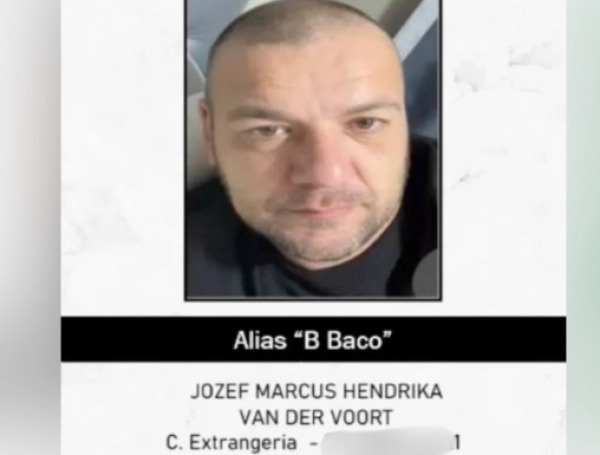
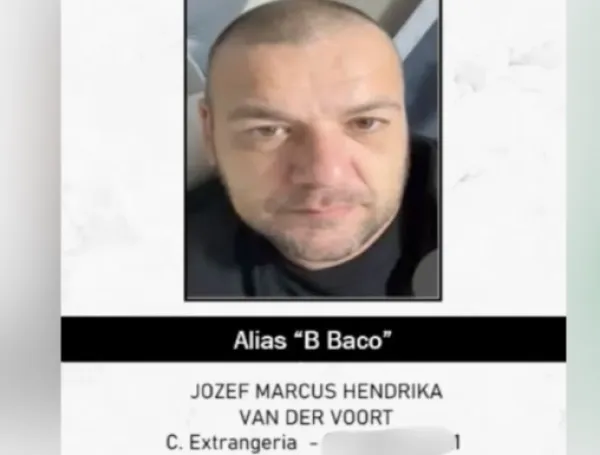
In a series of explosive revelations that have sent shockwaves through the Colombian judiciary, the Attorney General’s Office has laid bare the intricate mechanics of a criminal enterprise designed to subvert the rule of law. The investigation centers on a brazen plot to secure the release of Jozef Marcus Hendrika Van der Voort, a Dutch national currently fighting extradition to the Netherlands. The price tag for his freedom? A staggering 1.2 billion Colombian pesos.
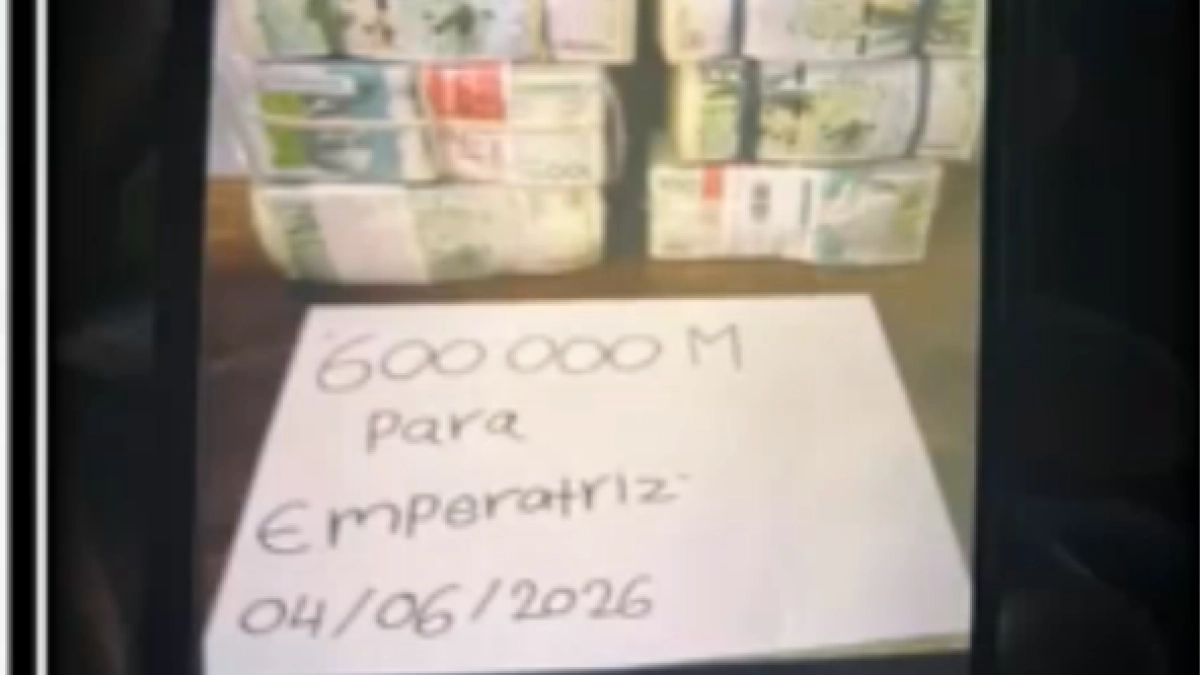
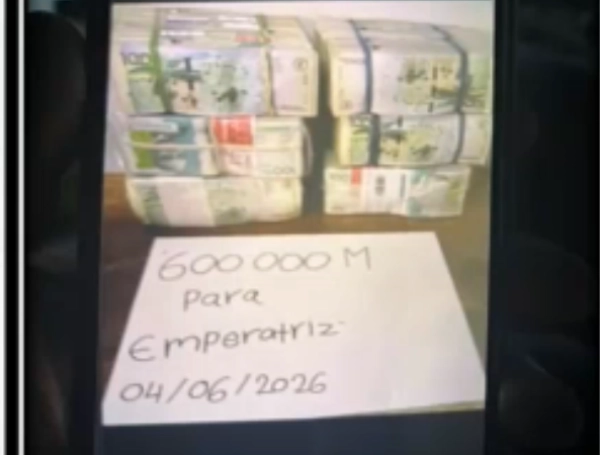
During the most recent hearing, the prosecution unveiled damning photographic evidence that serves as the centerpiece of their case: high-resolution images of thick bundles of 100,000-peso banknotes, allegedly handed over as an upfront payment to ensure the corrupt cooperation of judicial officials.
The Architect of the Scheme: Key Players and Allegations
The prosecution’s narrative describes a calculated conspiracy involving three primary figures who allegedly leveraged their positions of power to facilitate the release of the Dutch capo. The accused include:

- Miryan Alcira Martínez López: A judge of control of guarantees in Bogotá, who allegedly abused her judicial discretion to issue favorable rulings.
- Waldo Garavito Mejía: A high-level official within the Judicial Services Center, accused of orchestrating the logistical "handoffs" and maneuvering court dockets.
- Emperatriz Herrera Cuenca: An attorney who served as the bridge between the criminal organization and the corrupt judicial machinery.
According to the Attorney General, the trio entered into a pact to secure the freedom of Van der Voort, who is wanted by the Netherlands for serious criminal charges. The prosecution asserts that this was not merely a case of bribery, but a systematic manipulation of the judicial process designed to bypass legal safeguards.
A Chronology of Corruption: From Solicitation to Capture
The timeline of the investigation, as presented in court, paints a picture of a criminal group operating with a sense of emboldened impunity.
May 20, 2026: Initial communications are intercepted, suggesting the planning stages of the deal. Prosecutors allege that the attorney, Emperatriz Herrera, began coordinating with Waldo Garavito to ensure that a future habeas corpus request for Van der Voort would land on the desk of a sympathetic judge.
June 4, 2026: This date marks the "point of no return." Prosecutors revealed that a staggering 600 million pesos—representing 50% of the total agreed-upon bribe—was delivered in cash. The exchange allegedly took place at the Mall Plaza shopping center in Bogotá. The prosecution presented photographic evidence of the money bundles, explicitly labeled for the participants.
June 6, 2026: Digital forensic analysis of cellular devices placed Waldo Garavito and the attorney at the same residence for an extended period, further corroborating the physical collaboration required to facilitate the judicial maneuver.
June 13, 2026: Judge Miryan Alcira Martínez López granted the habeas corpus request, ordering the immediate release of the Dutch fugitive. This action was the fulfillment of the "service" purchased by the criminal network.
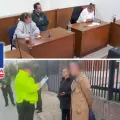
June 18, 2026: The scheme began to unravel when a separate judicial official reviewed the case and revoked the release order, keeping the prisoner in custody as his extradition process continued.
Supporting Evidence: The "Smoking Gun" Audios
The prosecution’s case relies heavily on digital surveillance, including audio recordings that reveal the casual, yet chilling, nature of the negotiations. In one intercepted call, the attorney is heard boasting about her influence within the court system.

"I already paid for the distribution of the case, I paid it out of my own pocket," the attorney is heard stating in the recording. "And that is not ‘three pesos,’ that is big money… The judge, the 77th Criminal Circuit Judge, Miryan Alcira Martínez. You can verify it, she already did the job for me."
The Attorney General emphasized that the audacity of these comments proves the participants were not acting in isolation but were part of a well-oiled machine. Furthermore, the investigation suggests that the criminal group used intimidation tactics, including the alleged detention of the attorney’s own husband, to ensure that the bribes were paid on time and that the "contract" was fulfilled by both sides.

Official Charges and Judicial Response
The three defendants have been formally charged with active bribery (cohecho propio) and ideological falsehood in a public document. Additionally, Judge Martínez López faces the grave charge of prevaricato por acción (rendering an unjust decision).
Despite the overwhelming evidence presented by the prosecution—ranging from financial records to digital location data and incriminating audio—all three defendants have formally entered pleas of "not guilty."
The Attorney General’s Office has indicated that this investigation is far from over. Prosecutors believe that other, as-yet-unidentified individuals may be linked to the network, and they are continuing to trace the flow of funds originating from the drug trafficking proceeds used to finance the operation.
Implications for the Colombian Judicial System
The scandal involving Van der Voort and the alleged corruption of a guarantee judge is not merely a localized crime; it represents a systemic threat to the integrity of the Colombian judiciary.
- Erosion of Public Trust: The mere perception that a "capo" can purchase his freedom through a habeas corpus petition undermines public confidence in the rule of law. It suggests that the justice system can be treated as a marketplace where rulings are auctioned off to the highest bidder.
- International Consequences: Given that Van der Voort is an international fugitive sought by the Netherlands, the incident risks straining diplomatic relations and calling into question Colombia’s commitment to its international extradition obligations.
- The Need for Reform: Legal experts and watchdogs are calling for an immediate audit of the Judicial Services Center’s distribution system. The ease with which the conspirators were able to steer a specific case toward a "bought" judge suggests a fundamental flaw in the manual or semi-automated processes used to assign cases.
Looking Ahead
As the trial moves forward, the legal community is watching closely to see if the judiciary will effectively purge its ranks. The case is expected to be a landmark prosecution, testing the resilience of the Attorney General’s Office against institutional corruption.
The defense teams for the accused have maintained that the evidence is circumstantial and that their clients are victims of a misunderstanding of their professional activities. However, the sheer volume of material—from the photographic evidence of cash to the specific details of the habeas corpus filing—presents an uphill battle for the defense.

For now, the Dutch national remains in custody, his future in the hands of a judicial system that is currently engaged in an internal battle for its own credibility. The final verdict in this case will be a defining moment for the Colombian justice system, serving as either a catalyst for long-overdue reforms or a somber reminder of the vulnerabilities that persist within the corridors of power.
Redaction: Latest Breaking News Desk
For more information on justice sector developments, follow our newsletter or subscribe to our digital editions for real-time updates on this ongoing investigation.