By Edwin Caicedo | Environmental and Health Correspondent
September 15, 2026
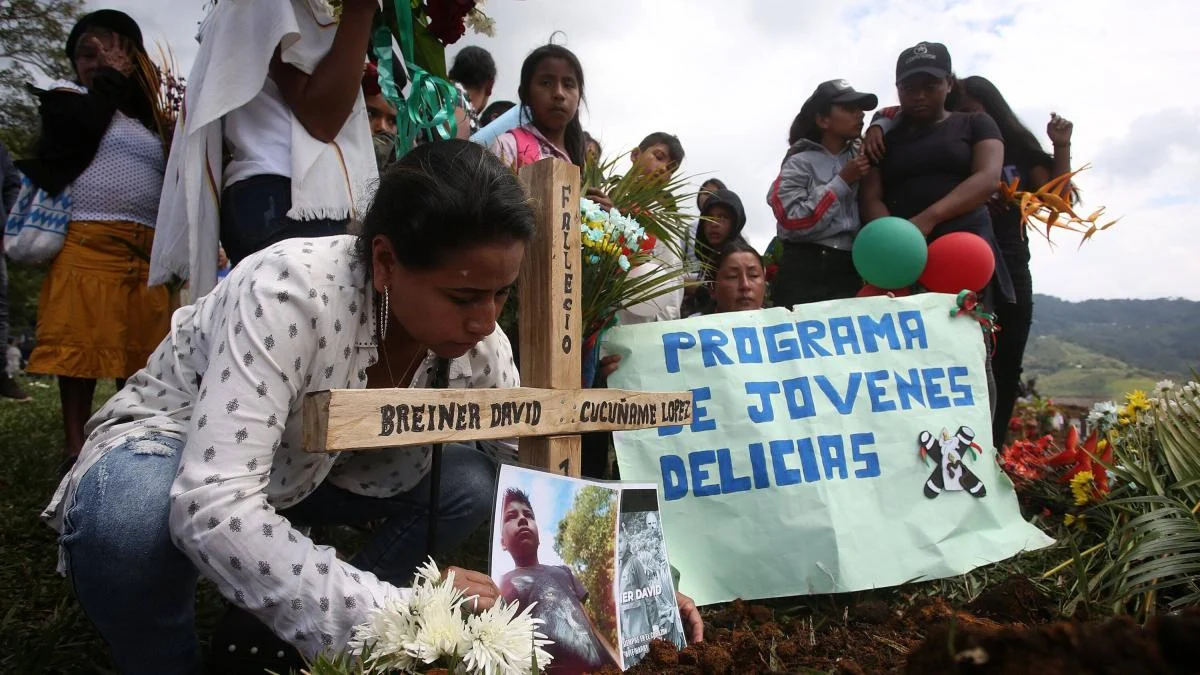
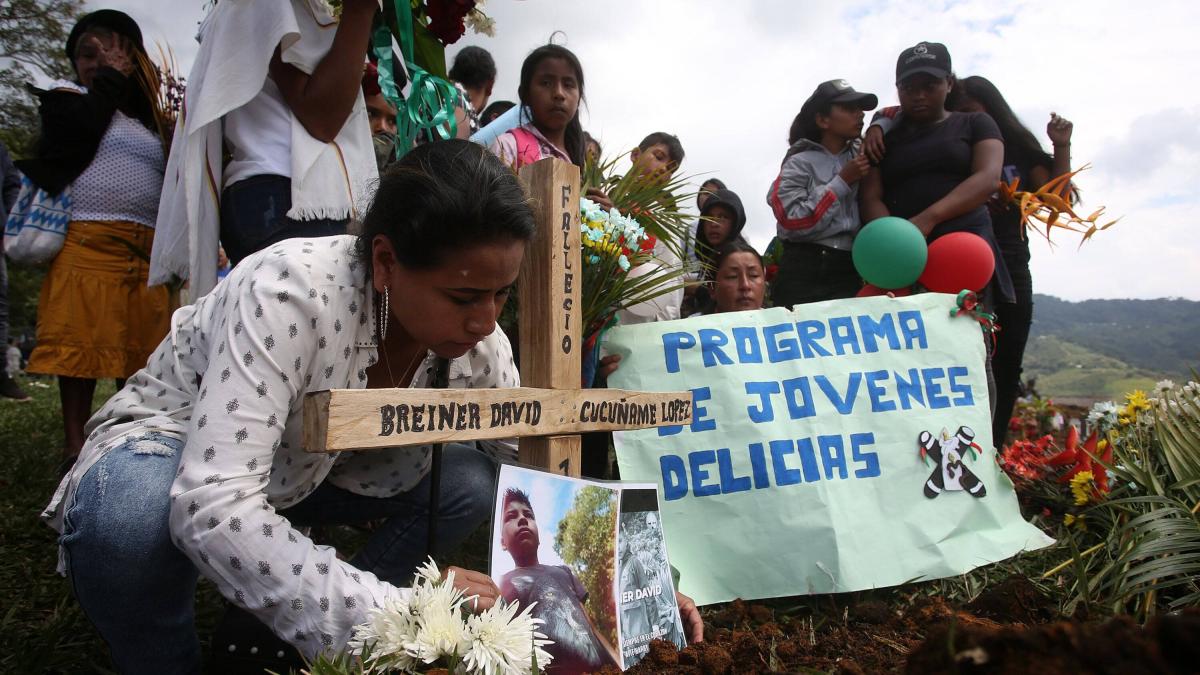
For the fourth consecutive year, Colombia has been identified as the most dangerous country in the world for environmental and land defenders. The latest report from the international watchdog Global Witness, released this September, paints a grim picture of a nation struggling to curb a cycle of violence that targets those standing on the front lines of ecological preservation.
The Ministry of Environment, currently led by Minister Fabio Arjona under the administration of President Abelardo De La Espriella, has responded to the findings with a mix of acknowledgment and sharp political critique. As the figures emerge, the debate over state capacity, territorial control, and the disconnect between political rhetoric and the reality of rural violence has intensified.
The Facts: A Persistent Global Crisis
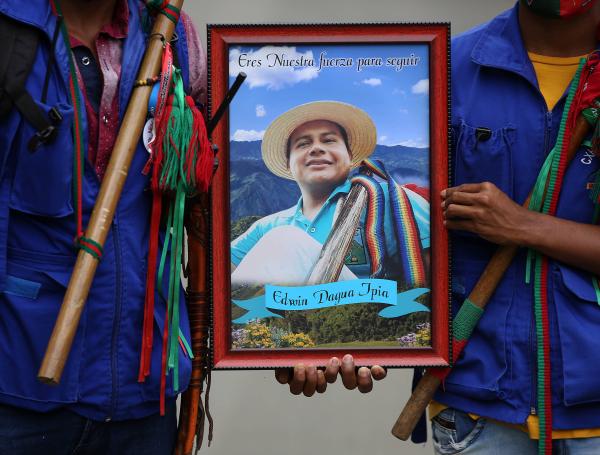
According to the Global Witness report, at least 39 environmental defenders were murdered in Colombia during 2025. While this represents a statistical decrease compared to previous years, it remains sufficient to keep the country at the top of the global rankings.

The report highlights a systemic issue where the defense of a river, a forest, a specific territory, or a community is effectively a death sentence. The Ministry of Environment, in an official statement to EL TIEMPO, expressed that this reality is one that the country can no longer afford to normalize. "Defender a river, a forest, a territory, or a community should not cost anyone their life, and this must force us to act as a State," the Ministry stated.
This grim milestone comes despite the ratification and implementation of the Escazú Agreement, the regional treaty designed to guarantee access to environmental information, public participation, and justice, which also explicitly mandates the protection of environmental defenders.
A Chronology of Violence: Assessing the Trend
The data provided by Global Witness reveals a troubling trend that has transcended multiple political administrations. Analyzing the last four years of data underscores the persistence of the threat:
- 2022: 60 documented murders.
- 2023: 79 documented murders (a peak in the recent cycle).
- 2024: 48 documented murders.
- 2025: 39 documented murders.
The fluctuations in these numbers—while suggesting a slight downward trend—do not reflect a fundamental change in the security landscape for activists. Instead, observers note that the threats have morphed alongside changes in illegal economies and local power dynamics. The data suggests that the protection mechanisms established by the state have often failed to reach the most vulnerable, particularly in regions where the "power vacuum" left by retreating or absent state authorities is filled by armed groups vying for control over land and illicit resources.
Official Response: The Critique of Past Failures
The current Ministry of Environment has utilized this report to launch a scathing critique of previous administrations. The Ministry explicitly pointed to the gap between the "environmental power" discourse and the reality on the ground.
"The data must make something very clear: those who supposedly defended a ‘power of life’ did nothing to protect the lives of those who actually care for and defend our natural heritage," the Ministry asserted. The current administration argues that while previous leaders spoke through megaphones about solving community environmental issues, those commitments failed to translate into effective security measures for those on the front lines.
Minister Fabio Arjona’s office emphasizes that the problem cannot be solved solely through environmental policy or ecological discourse. It requires a holistic, "integral" intervention by the State. The Ministry argues that the defense of the environment is inherently tied to the defense of the Rule of Law in rural Colombia.
Strategy: The "Patria Milagro" Approach
In response to the report, the Ministry of Environment outlined a four-pillar strategy, which it refers to as the "Patria Milagro" (Miracle Fatherland) initiative. The goal is to move beyond the reactive nature of previous policies and establish a proactive, sustained state presence.

The Four Pillars of the New Strategy:
- Territorial Presence: Reclaiming areas where the state has been historically absent, ensuring that community leaders are not left to face illegal armed groups alone.
- Community Protection: Implementing tailored security protocols that recognize the unique risks faced by indigenous and peasant leaders.
- Combating Illegal Economies: A crackdown on the financial lifelines of the groups perpetrating these murders, including illegal mining, deforestation operations, and illicit crop networks.
- Strengthening Justice: Reducing the impunity rate. The Ministry argues that the cycle of violence continues because the intellectual and material authors of these crimes are rarely held accountable.
Supporting Data: Who Is Most at Risk?
The demographics of the 2025 victims highlight the disproportionate impact on marginalized groups. Of the 39 individuals murdered:
- Indigenous Populations: Nearly 50% of the victims belonged to indigenous communities, underscoring the vulnerability of ancestral land protectors.
- Peasant Leaders: 15 victims were identified as peasant farmers (campesinos) leading land restitution or conservation efforts.
- Regional Concentration: The department of Cauca remains the epicenter of the violence, with 13 of the 39 murders occurring in that region alone.
- Root Causes: 35 of the 39 cases were directly linked to land disputes, often involving tensions between local communities and extractivist industries, loggers, or organized crime syndicates.
Globally, the Global Witness report documented 124 murders of environmental defenders in 2025, with a staggering 85% of these crimes occurring in Latin America. This confirms that Colombia’s struggle is part of a broader continental crisis where land rights, resource exploitation, and environmental protection intersect with extreme violence.

Implications: A Call for International and Local Action
The persistence of these figures carries significant weight for Colombia’s international standing and internal stability. The inability to protect land defenders undermines the country’s international commitments under the Paris Agreement and the Kunming-Montreal Global Biodiversity Framework.
Challenges for the Future:
- The Impunity Gap: Experts argue that unless the judicial system can successfully prosecute the masterminds—not just the hitmen—the deterrent effect will remain nonexistent.
- The Conflict Nexus: As long as illegal economies (such as illegal mining and narcotics) remain more profitable than legal, sustainable alternatives, environmental defenders will continue to be viewed as obstacles to criminal profit.
- Escazú Agreement Enforcement: The ratification of the treaty was a landmark achievement, but as the Global Witness report demonstrates, laws are only as effective as their implementation. The international community is now watching to see if the current administration’s "Patria Milagro" initiative moves from paper to practice.
The Ministry’s acknowledgment that "the situation cannot be normalized" is a necessary first step, but it is not a solution. The transition from political rhetoric to the protection of human life is the definitive challenge for the current government. As Minister Arjona’s office noted, the true measure of success will not be found in the speeches made in Bogotá, but in the ability of a leader in the Cauca mountains to advocate for their land without the fear of a midnight knock at the door.

For now, the international community remains attentive. Colombia is at a crossroads: it must either prove that it can reconcile its status as a "mega-diverse" nation with the basic right to life for its citizens, or it will continue to suffer the international stigma of being the most dangerous place on earth for those who protect the planet.
This article was produced with verified information from the Global Witness 2026 report and official statements from the Colombian Ministry of Environment. For further updates on this developing story, follow our weekly newsletter.