By Pedro A. Sánchez
Redacción Últimas Noticias
Published: September 26, 2026
Main Facts
Colombia is bracing for severe disruptions to its climate as meteorological authorities warn of the intensification of an unprecedented climate cycle. Prominent meteorologist Max Henríquez, alongside the Institute of Hydrology, Meteorology, and Environmental Studies (Ideam), has issued urgent alerts regarding the severe impacts of the El Niño phenomenon. The climate anomaly is projected to grip Colombia during the final quarter of 2026 and persist firmly through the first quarter of 2027.
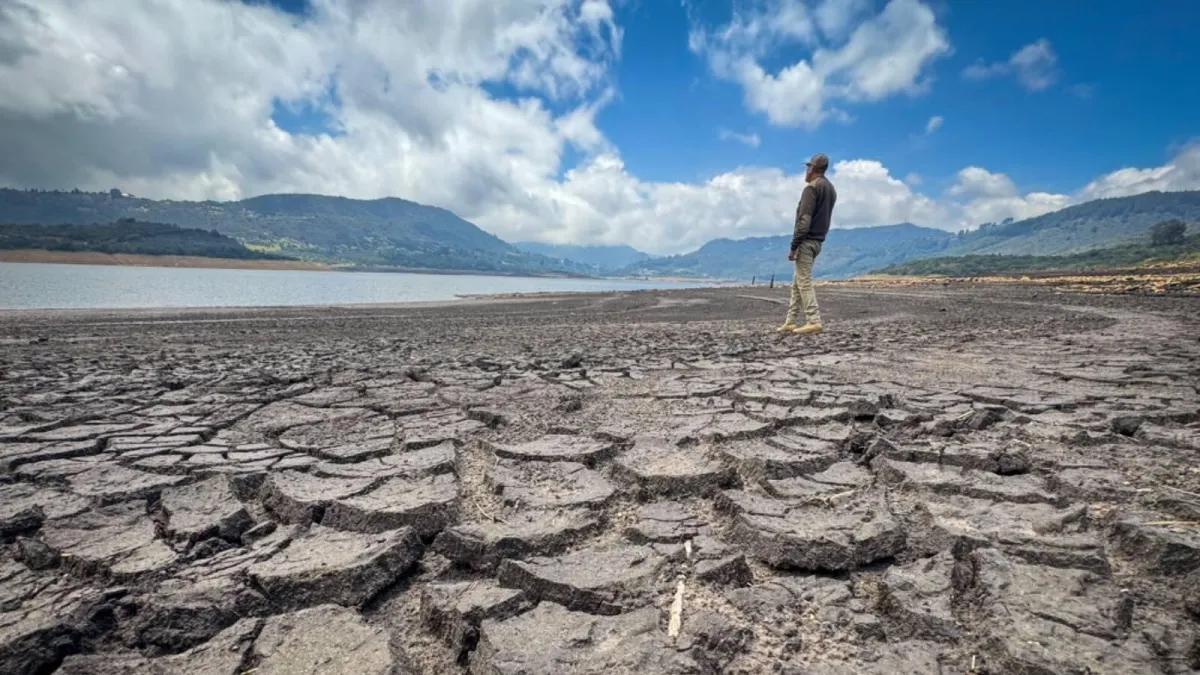
According to official meteorological projections, there is an overwhelming probability—exceeding 90%—that El Niño conditions will remain entrenched through the beginning of 2027. Furthermore, mathematical models indicate a greater than 70% chance that sea surface temperature anomalies in the Niño 3.4 region will surpass the critical threshold of 2.0 °C. This specific metric elevates the anticipated event into a "very strong" or "Super El Niño" category, putting the country on high alert for intense heatwaves, critical drops in water levels, and a heightened risk of widespread vegetation fires.
The crisis has triggered a cascade of warnings not only from specialized scientific bodies like Ideam, but also from institutional watchdogs such as the Office of the Ombudsman (Defensoría del Pueblo). With approximately 85% of natural disaster-triggering events in Colombia directly tied to climatic factors—a staggering figure well above the global average of 49%—the nation’s systemic vulnerability demands immediate, coordinated preventive action from both national and regional authorities.

Chronology of the Alert
The timeline leading up to the current warnings reveals a steady escalation in climate severity over the course of 2026:
- April 2026: Early national disaster risk units begin registering heightened thermal anomalies, foreshadowing unusual oceanic warming trends in the equatorial Pacific.
- June 2026: The Defensoría del Pueblo publishes preliminary risk maps highlighting the 20 municipalities most vulnerable to incoming prolonged dry spells, urging local governments to overhaul water-management plans.
- September 14, 2026: Environmental analysts flag that the recurring weather pattern has reached unprecedented levels, cementing its status as a "Super El Niño" and prompting deeper inquiries into its long-term socio-economic ramifications.
- September 24, 2026: Noted meteorologist Max Henríquez takes to digital platforms to share comparative predictive maps issued by Ideam, visually tracking the shifting deficit of rainfall across Colombia’s geographical regions. He bluntly tells the public, "The worst is yet to come."
- September 25–26, 2026: Ideam releases updated statistical models reaffirming a 90% persistence probability through early 2027, forcing urban and rural sectors—including energy and municipal water suppliers—to activate emergency preparedness protocols.
Supporting Data and Meteorological Projections
To understand the gravity of the upcoming climatic shock, meteorologists rely on sequential mapping models that outline rainfall deficits across Colombia’s distinct geographical zones:
1. July – August – September 2026
Initial transitional phases exhibited mild anomalies, allowing certain sectors to experience standard seasonal precipitation, though early signs of drying began surfacing in parts of the Andean and Caribbean sub-regions.
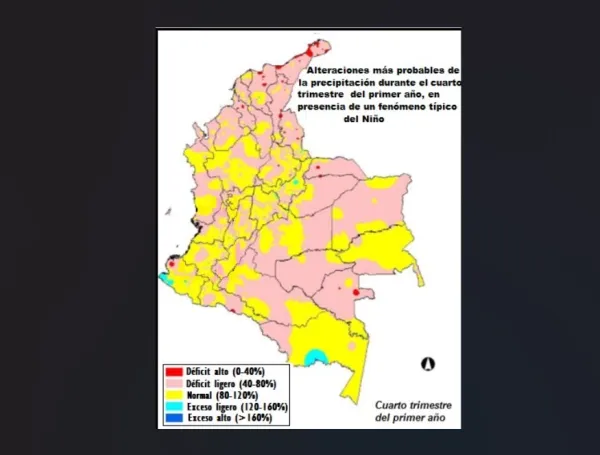
2. October – November – December 2026
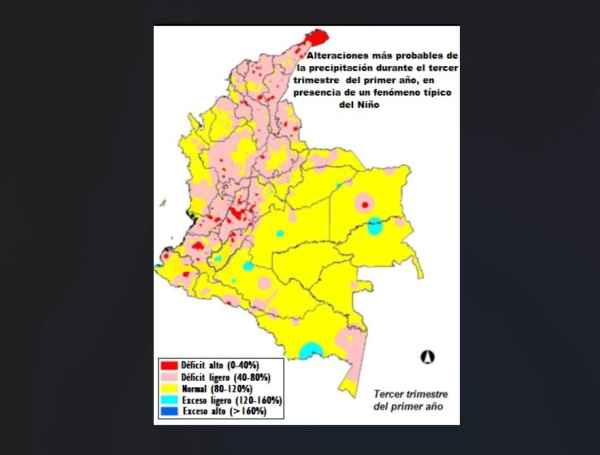
In the second comparative map published by Max Henríquez, a discernible light-to-moderate deficit in rainfall becomes apparent. This dry shift primarily targets the Caribbean coastal departments and the Orinoquía plains, while simultaneously extending its footprint into localized pockets of the Andean and Amazonian regions.
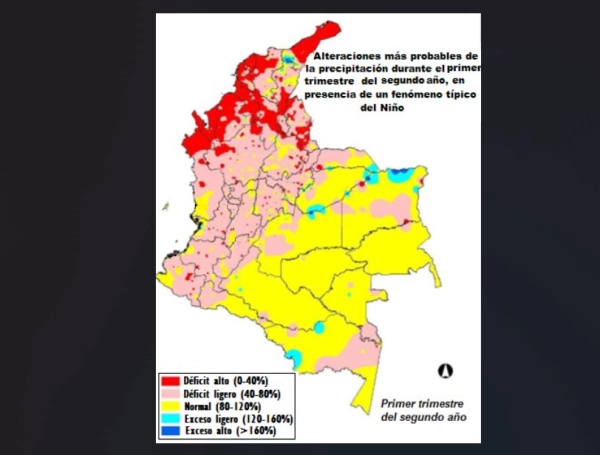
3. January – February – March 2027
The predictive map for the first quarter of the coming year paints a much starker picture. The deficit intensifies dramatically, heavily penalizing the entire Caribbean basin and vast stretches of the Andean region. Water availability is expected to plummet as cumulative rainfall totals fall drastically short of historical averages.
[Oceanic Warming: Niño 3.4 Region]
       │
       ▼ (> 2.0 °C Anomaly)
[Super El Niño Classification (>90% Probability)]
       │
       ├─► Q4 2026: Mild-to-Moderate Rain Deficit (Caribe, Orinoquía)
       └─► Q1 2027: Severe Drought Intensification (Caribe, Andes)
The statistical backbone of these projections rests on sea surface temperature anomalies. Crossing the 2.0 °C threshold places this specific El Niño event in a rare historical tier of intensity, historically associated with severe hydrological shocks, agricultural stress, and energy generation challenges in nations heavily reliant on hydroelectric power.
Official Responses and Institutional Warnings
As the predictive models point toward a punishing dry cycle, state institutions and regulatory bodies have stepped up their monitoring and advisory roles.
Ideam’s Directive
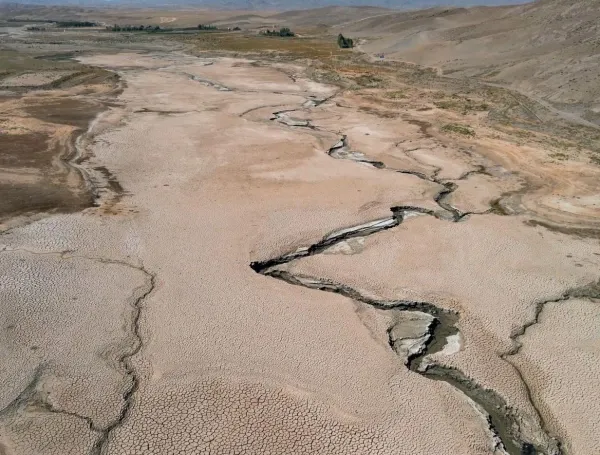
Ideam has formally advised all territorial and national authorities to maintain continuous, round-the-clock surveillance of hydrometeorological conditions. The institution stresses that preparedness and risk management frameworks must be reinforced immediately. A strong or very strong El Niño inevitably triggers profound disruptions in rainfall patterns, spikes ambient air temperatures, depletes river flows, and dramatically expands the vector zones and conditions for wildfires. Ideam continues to publish technical bulletins to ensure decision-makers possess the most up-to-date atmospheric and oceanic data.
The Ombudsman’s Human Rights Perspective
Adding a critical human rights dimension to the ecological crisis, the Defensoría del Pueblo issued a sweeping warning emphasizing the protection of vulnerable communities and fragile ecosystems. Because 85% of Colombian disasters stem from climate hazards, the Ombudsman’s office criticized historical reactive approaches and called for proactive adaptation policies.
The Ombudsman noted that while the cyclical nature of El Niño is well-documented, the projected severity of this particular iteration threatens fundamental rights—including access to safe drinking water, food security, and public health infrastructure. Indigenous communities, rural agricultural workers, and marginalized urban peripheries are flagged as being at the highest risk of displacement, economic ruin, and health complications induced by severe heatwaves.
Implications: Public Health, Infrastructure, and Economy
The cascading effects of a prolonged, high-intensity Super El Niño extend far beyond parched earth and shriveled crops. Experts have outlined several core areas of systemic vulnerability:
1. Human Health and Extreme Heatwaves
Rising ambient temperatures directly correlate with an expansion of heat-related illnesses, cardiovascular stress, and respiratory complications. Urban centers trapped in topographic bowls, such as Bogotá and Medellín, along with traditionally hot coastal zones like Barranquilla and Cartagena, face aggravated thermal stress. Furthermore, altered weather patterns can influence the proliferation of vector-borne diseases (such as dengue and malaria) as shifting rainfall creates stagnant water reserves or forces changes in vector habitats.

2. Energy Security and Infrastructure
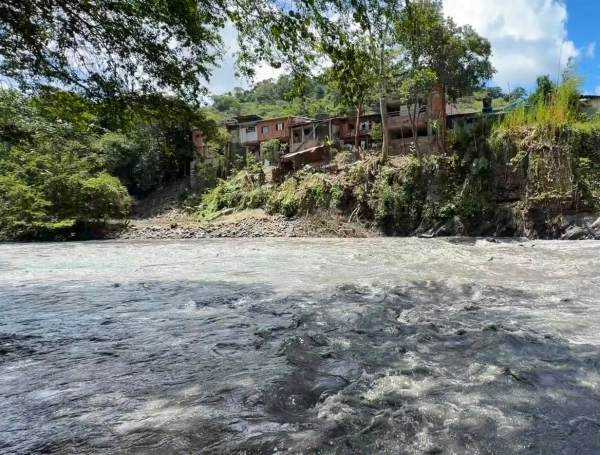
Colombia’s heavy reliance on hydroelectric generation makes it exceptionally vulnerable to prolonged droughts. As river flows diminish across the Andean and Amazonian watersheds, reservoir levels face the threat of critical depletion, raising specters of energy rationing or increased reliance on expensive fossil-fuel backup generation. Additionally, supporting infrastructure—ranging from municipal water aqueducts to rural irrigation systems—will be tested to its absolute limit.
3. Food Security and Agriculture
The agricultural sector stands on the frontline of climate shocks. Extended dry spells and high evaporation rates threaten staple crop yields, potentially driving up food inflation and straining rural livelihoods. Livestock farming in the Orinoquía and Caribbean plains faces severe pasture degradation and water scarcity, requiring emergency state intervention to transport feed and water to affected ranches.
4. Environmental Degradation and Wildfires
Vegetation parched by months of intense solar radiation and minimal rainfall transforms vast swaths of national terrain into tinderboxes. The risk of out-of-control forest fires threatens protected national parks, fragile paramo ecosystems, and rural settlements alike, demanding maximum deployment of firefighting resources and strict community prohibitions against open burning.
Conclusion
The convergence of warnings from independent meteorologists like Max Henríquez, scientific agencies like Ideam, and human rights bodies like the Defensoría del Pueblo delivers an unambiguous message: Colombia must transition from passive observation to active, robust mitigation. As the country counts down the months to the close of 2026 and the opening of 2027, the resilience of its institutions, infrastructure, and populace will be rigorously tested by the unforgiving force of the Super El Niño.