By Editorial Staff
September 25, 2026
As the climatic phenomenon known as "El Niño" begins to tighten its grip on the South American landscape, the Colombian Ministry of Environment and Sustainable Development has sounded a clarion call for the protection of the nation’s most vulnerable aquatic megafauna. With rainfall deficits projected to plummet water levels in critical river basins, ciénagas (wetlands), and marshes, the government has officially enacted a comprehensive monitoring and emergency response framework designed to prevent the isolation, entrapment, and potential mass mortality of four iconic and endangered species.
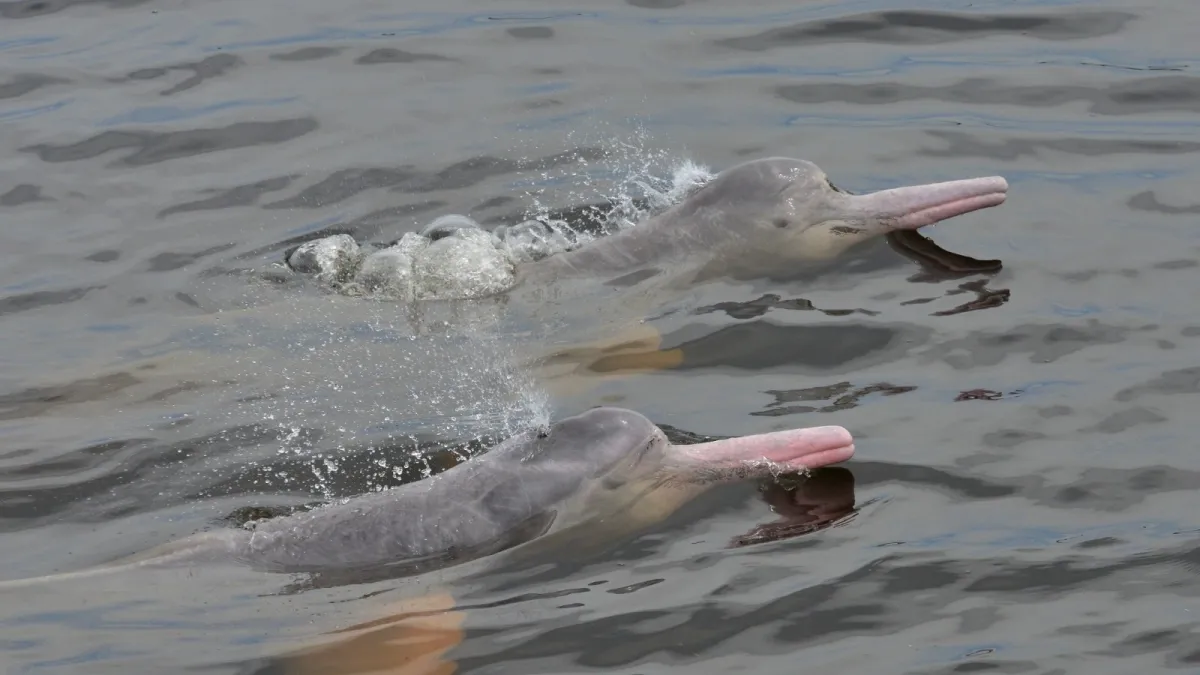
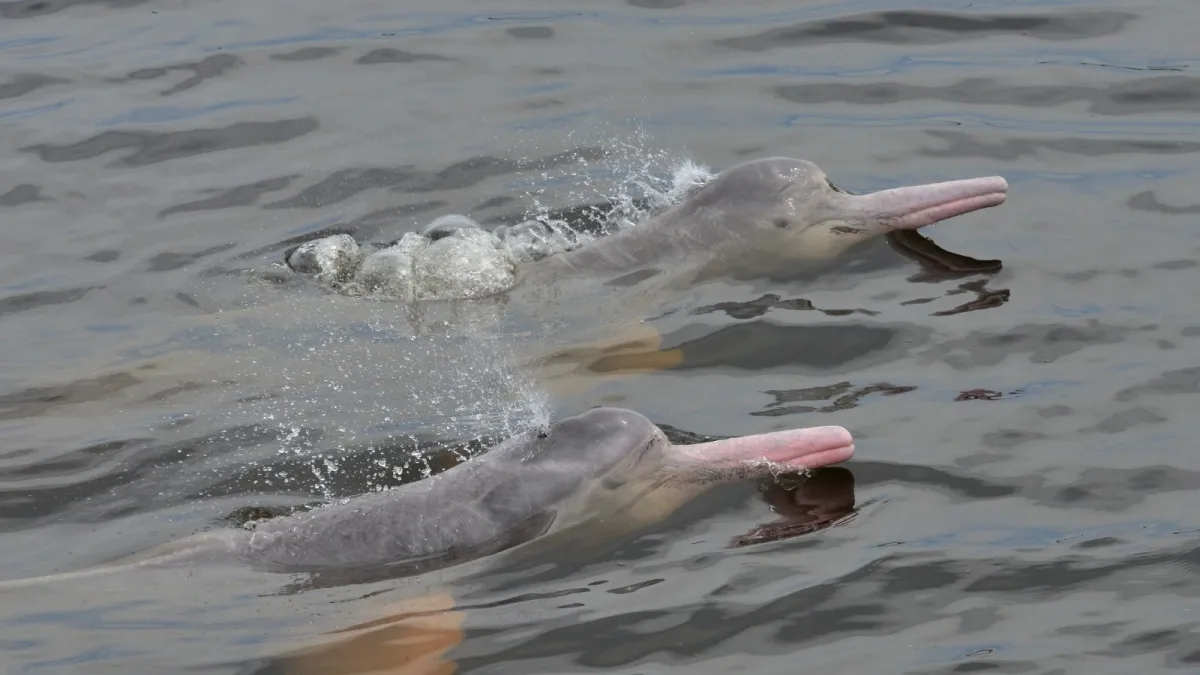
The species under heightened protection are the Antillean manatee (Trichechus manatus manatus), the Amazonian manatee (Trichechus inunguis), the iconic Amazon pink river dolphin (Inia geoffrensis), and the smaller, elusive tucuxi (Sotalia fluviatilis). These animals serve as vital indicators of ecosystem health, and their survival is currently at the mercy of shifting hydrological patterns.
1. The Core Mandate: Proactive Conservation
The Ministry’s recent circular, distributed to all regional environmental authorities, the System of National Environmental (SINA) entities, and local conservation organizations, represents a shift from reactive crisis management to proactive intervention.
The primary objective of these directives is to anticipate the physical isolation of these mammals in shrinking water bodies—a common occurrence during severe droughts. When water levels reach critical lows, these animals become trapped in stagnant pools, vulnerable to predation, poaching, and rapid environmental degradation.
The mandate requires authorities to:

- Map Potential Refuges: Identify and monitor "critical refuges" where water depth is likely to remain stable enough to support aquatic life during the drought.
- Enhanced Monitoring: Establish persistent surveillance in the Caribbean, Orinoquía, and Amazon regions.
- Streamlined Emergency Response: Create a clear decision-making pathway for when an animal is found in distress.
2. Chronology of the Crisis and Policy Development
While the policy was formally disseminated in late September 2026, the groundwork for this strategy began months prior, as meteorological models confirmed the intensification of El Niño.
- Early 2026: Initial climate modeling by the Institute of Hydrology, Meteorology and Environmental Studies (IDEAM) signals a high probability of severe drought in the northern and eastern regions of Colombia.
- May–July 2026: Preliminary environmental impact assessments highlight that river basins in the Magdalena and Amazon systems are showing earlier-than-expected declines in discharge.
- August 2026: Scientific consultations with researchers from the Humboldt Institute and the Amazon Institute (SINCHI) confirm that manatee and dolphin populations in shallow tributaries are already showing signs of displacement.
- September 25, 2026: The Ministry of Environment issues the official circular, mandating standardized emergency protocols for all SINA entities.
3. Supporting Data: The Protocol for Intervention
The Ministry has outlined a clear, tiered response system to minimize human interference while ensuring the safety of the animals. These protocols are structured to ensure that interventions are science-led and ethically sound.
The Three Tiers of Intervention:
- Passive Monitoring: In instances where animals are trapped but still have sufficient access to food and oxygenated water, the protocol mandates "passive monitoring." This allows the animals to remain in their natural environment while experts observe them to ensure the water quality does not deteriorate further.
- Active Rescue and Relocation: If the environmental conditions pose an immediate threat to life, authorities are authorized to perform a "rescue operation." This involves the capture and translocation of individuals to deeper, safer bodies of water.
- The Euthanasia Clause: In the most harrowing scenarios, where an animal is suffering from severe, irreversible health complications, the circular allows for euthanasia. However, the Ministry has set a strict standard: this action can only be taken by a licensed veterinarian, with the explicit written consent of the relevant environmental authority.
Defining "Mass Mortality"
A crucial aspect of the directive is the definition of a "Mass Mortality Event." According to the Ministry, this is classified as the death of three or more individuals within a 10-kilometer radius over a 30-day window. If this threshold is breached, a high-level emergency sanitation protocol is triggered, involving the National Unit for Disaster Risk Management (UNGRD) and the Ministry of Health, given the potential risks to public health from decomposing biological matter in drinking water sources.

4. Official Responses and Collaborative Efforts
Minister of Environment and Sustainable Development, Fabio Arjona, emphasized the necessity of a unified front. "El Niño demands that we anticipate the crisis," Arjona stated. "We are bringing the state’s capacity into the territories, but we cannot do it alone. Success depends on the coordination between local communities, scientific institutions, and environmental authorities."
This coordination involves the integration of several high-level institutions:
- INVEMAR: Focusing on coastal and Caribbean manatee habitats.
- SINCHI Institute: Leading data collection in the Amazon basin.
- IIAP (Institute of Environmental Research of the Pacific): Monitoring river health in the Chocó and Pacific regions.
- Humboldt Institute: Consolidating biological data and providing technical expertise on habitat management.
Furthermore, the government is leaning on the expertise of non-governmental organizations and community-led initiatives, such as the Red de Varamientos de Manatíes del Medio Magdalena (Middle Magdalena Manatee Stranding Network), which has long served as a frontline defense for the Antillean manatee.

5. Broader Environmental Implications
The protection of these species extends beyond the animals themselves; it is an effort to protect the integrity of the ecosystems that provide water and resources to millions of Colombians.
Restrictions on Human Activity
To protect the remaining water volumes in critical habitats, the Ministry has announced temporary restrictions on commercial and industrial fishing in designated "refuge areas." These measures are designed to reduce human-wildlife conflict and ensure that food resources are not depleted for the animals during these stress periods.
Fire Prevention and Water Quality
The Ministry is also prioritizing the prevention of forest fires in the riparian zones—the land directly adjacent to rivers and wetlands. Wildfires can dramatically alter the water chemistry, increasing sediment load and reducing oxygen levels, which can be fatal for aquatic mammals. By safeguarding the vegetation around these water sources, the Ministry hopes to maintain the "buffer" that keeps the water cooler and more stable.

The Role of Public Participation
A significant component of the new strategy is public awareness. The Ministry has urged fishermen, indigenous communities, and local residents to act as "eyes on the ground."
- Reporting: Citizens are encouraged to report any sightings of trapped or distressed animals to the newly enabled emergency lines.
- Hands-Off Policy: A critical warning was issued to the public: Do not attempt to touch, feed, or relocate an animal yourself. Human interference can induce extreme stress in already weakened animals, leading to cardiac arrest or erratic behavior.
Conclusion: A Race Against Time
As Colombia faces the challenges of a warming planet, the survival of the Amazon pink dolphin and the manatee serves as a litmus test for the country’s environmental governance. The measures taken by the Ministry of Environment represent a sophisticated, evidence-based approach to a growing climate emergency.
By integrating scientific research, community cooperation, and clear legal frameworks, the Colombian government aims to navigate the upcoming months of drought with minimal loss of biodiversity. However, the true test will lie in the implementation of these protocols in the remote, sprawling river systems of the Amazon and the Orinoco, where the reach of the state is often limited by geography.

For now, the message from the Ministry is clear: the state is prepared to act, but the success of these conservation efforts will be determined by the vigilance of the communities that live alongside these magnificent creatures. As the waters recede, the race to preserve these sentinels of the river begins in earnest.