By: SEO Analyst & Lifestyle Desk
Published: November 6, 2026
Updated: November 6, 2026
Main Facts
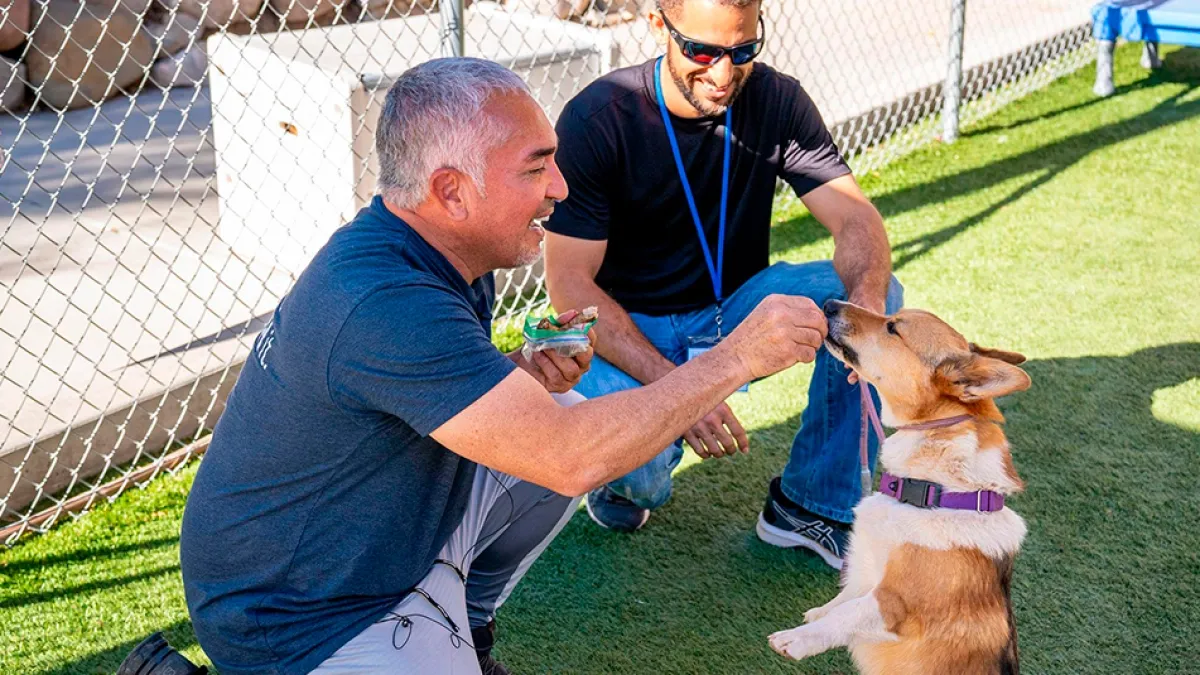
For many pet owners, feeding time can quickly turn into a chaotic ordeal. Dogs zooming toward their bowls, leaping into the air, snatching food directly from kitchen counters, or aggressively pawing at human hands during meals are common behavioral challenges in households worldwide. However, renowned dog behaviorist and star of the hit television series The Dog Whisperer, César Millán, has shared a definitive, game-changing solution to this everyday dilemma.
According to Millán, teaching a dog to wait patiently for its food does not require shouting, physical punishment, or harsh corrections. Instead, the secret lies entirely in the human handler’s state of mind. During a recent practical demonstration with a pet owner struggling to control an overly eager dog, Millán emphasized that a dog’s intense impulse to rush food is deeply rooted in its biological makeup—specifically, its highly acute sense of smell. Rather than attempting to suppress this natural instinct, the goal of training should be to channel it, teaching the animal to practice impulse control, patience, and respect for boundaries before partaking in a meal.
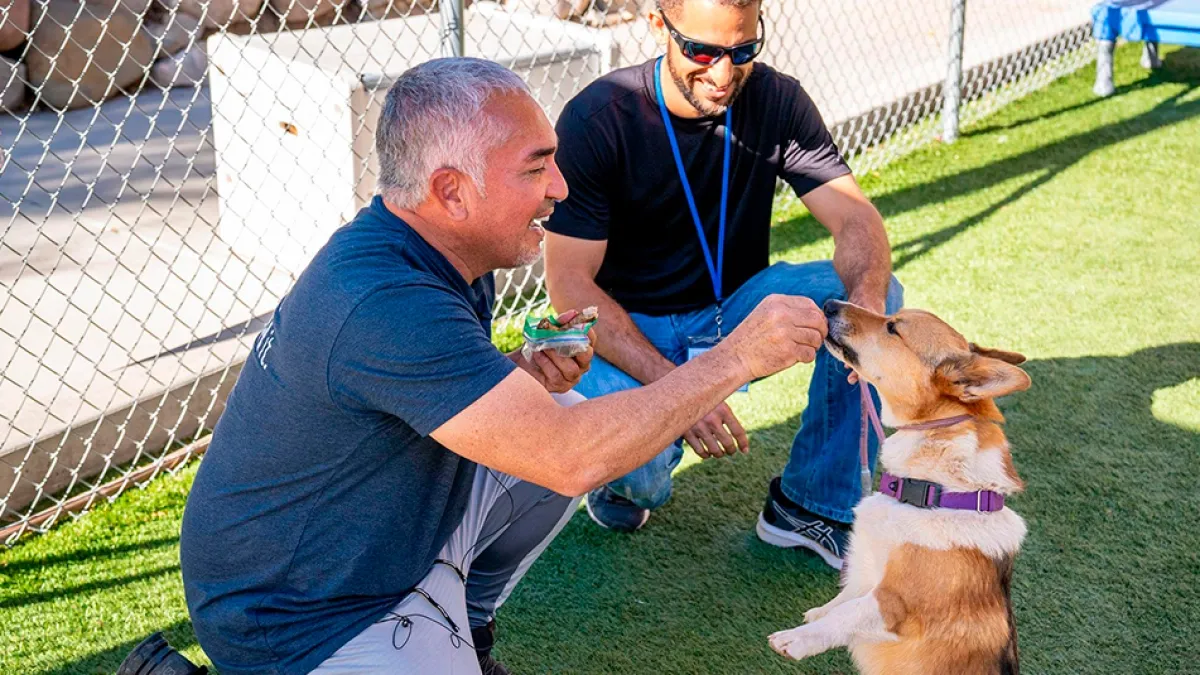
The core tenets of Millán’s approach can be summarized as follows:
- Energy and Composure: Dogs are highly perceptive animals capable of sensing human emotion and physiological states. Calm, assertive energy promotes a tranquil response in the animal.
- Non-Verbal Communication: Posture, body language, and spatial awareness are far more effective communication tools than raising one’s voice.
- Positive Reinforcement: Rewarding calm behavior rather than punishing excited outbursts fosters long-term, stress-free obedience.
Chronology
To understand how César Millán’s philosophy has evolved and how this specific training methodology is applied in real-world scenarios, it is helpful to look at the timeline of modern canine behaviorism and the recent demonstration that sparked widespread online attention.
- Early 2000s (The Rise of The Dog Whisperer): César Millán gains international fame by introducing concepts centered around "pack leadership," energy control, and rehabilitation. Over decades on television and through his written works, he champions the idea that many behavioral issues stem from human misunderstanding of canine psychological needs ("There are no bad dogs, only owners who do not understand their needs").
- Late September 2026: In a widely circulated interview and educational feature, Millán reiterates foundational principles of pet psychology, stressing that owner awareness must precede animal obedience.
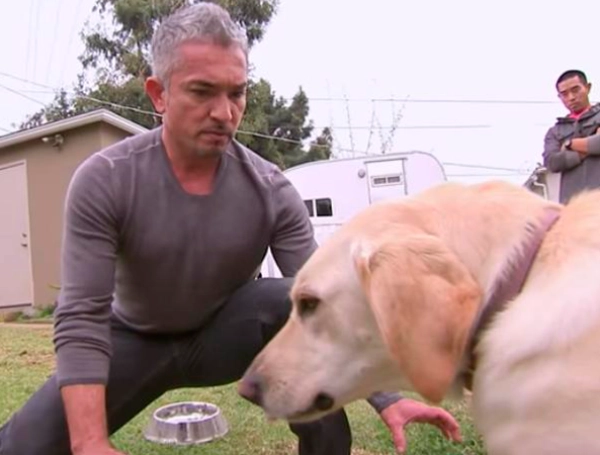
- Early November 2026: During a live coaching session recorded and covered by international media outlets like Ciudad, Millán addresses a common household frustration: dogs lunging at food. Working directly with a distressed owner, he showcases a step-by-step, non-punitive physical exercise.
- November 6, 2026: Media platforms publish deep-dive analyses into Millán’s demonstration, highlighting how subtle shifts in human posture and breathing patterns can completely alter an excited dog’s neurological state at the dinner table.
Supporting Data and Canine Psychology
To truly grasp why dogs lunge at food and why Millán’s method succeeds, one must look at the intersection of canine biology and behavioral science.
The Power of the Olfactory System
A dog’s sense of smell is estimated to be between 10,000 and 100,000 times more acute than that of a human. When food is prepared, brought to a table, or placed in a bowl, a dog experiences a sensory explosion. To the animal, the food isn’t just visible; it is an overwhelming olfactory beacon that triggers survival instincts, excitement, and anticipation.
When owners react with panic, frustration, or erratic movements—such as pulling the bowl away rapidly, shouting "No!", or flailing their arms—they inadvertently elevate the dog’s adrenaline. The dog interprets this chaotic human energy as play, competition, or high-stakes urgency, which only exacerbates the lunging behavior.
The Physics of Human Energy
Millán’s methodology relies heavily on what behaviorists call "state matching." Dogs are social, pack-oriented mammals that continuously read the physical cues of those around them.

- Tense Posture: Rigid shoulders, fast breathing, and nervous eye contact signal vulnerability or instability to a dog, prompting them to take control.
- Balanced Posture: Grounded footing, relaxed shoulders, steady breathing, and calm eye contact project stability, leading the dog to naturally surrender the position of high-intensity leadership to the human.
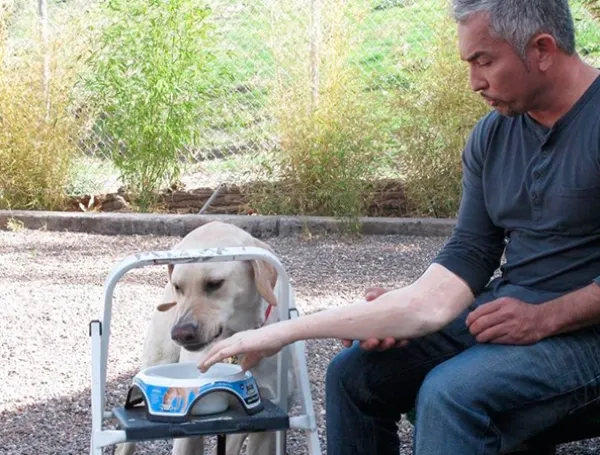
In the November 2026 demonstration, Millán showed that simply standing tall, breathing deeply, and utilizing deliberate body blocks (using one’s own body space as a barrier) without uttering a single word can cause a hyperactive dog to pause, exhale, and look to the owner for guidance.
Step-by-Step Training Methodology: How to Teach a Dog to Wait
While Millán’s live demonstrations focus heavily on the handler’s energy, animal behavior experts recommend pairing this energetic composure with structured, step-by-step positive reinforcement exercises. Below is a comprehensive guide to implementing this training safely at home:
Step 1: Preparation in Absolute Calm
Before picking up the food bowl, take three deep breaths. Ensure your physical posture is relaxed yet firm. If you feel impatient, frustrated, or rushed, wait until you are calm before touching your pet’s food. Your emotional state sets the tone for the entire interaction.
Step 2: The Lift and Freeze Technique
Pick up the food bowl and begin walking toward the designated feeding spot. The moment your dog begins to lean forward, jump, or lunge toward the bowl:
- Stop moving entirely. Freeze in place.
- Do not pull the bowl back frantically; simply keep it close to your body or lower it slightly while maintaining your grounded posture.
- Wait for the dog to take a step back, sit, or offer a moment of quiet focus.
Step 3: Progressive Advancement
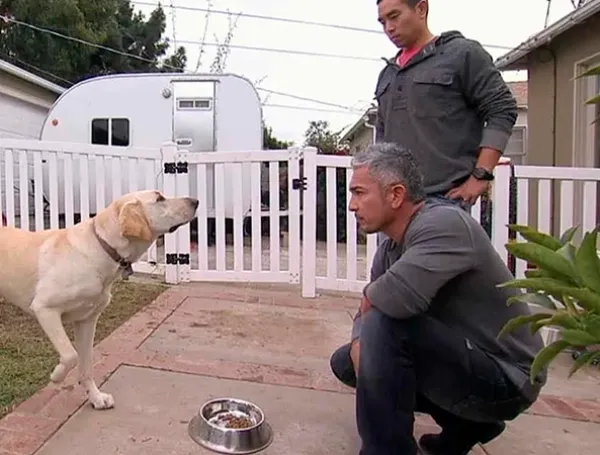
As soon as the dog relaxes its body and stops lunging, resume your movement toward the floor. If the dog lunges again, freeze once more. Repeat this micro-movement process until the bowl successfully reaches the floor while the dog remains stationary.
Step 4: The Release Cue
Even once the bowl is on the floor, the dog should not eat immediately. Introduce a clear, consistent release word (such as "Okay," "Free," or "Take it"). Cover the bowl with your hand or use a gentle body block if the dog tries to bypass the cue. Once the dog waits patiently for a few seconds, give the release word to authorize eating.
What to Avoid During Training
Behavioral specialists and positive reinforcement advocates strongly caution against several common mistakes that can ruin training progress and damage the human-animal bond:
- Avoid Shouting and Escalation: Raising your voice sounds like barking or distress to a dog. It can either startle them into defensive aggression or excite them further.
- Avoid Physical Punishment: Hitting, shoving, or aggressively pinning a dog creates fear and mistrust. Trust is the foundation of canine obedience; fear breeds reactivity.
- Avoid Inconsistency: If you allow your dog to snatch food from your hand or counter on Monday, but punish them for it on Tuesday, the dog will become confused. Clear, calm, and predictable boundaries are vital.
- Avoid Overcomplicating Early Sessions: If your dog is too worked up to complete an exercise, reduce the difficulty. Start by practicing calmness near the food bag or pantry before ever attempting to fill the bowl.
Implications for Household Harmony and Pet Welfare
The implications of adopting César Millán’s calm-energy and structured-waiting techniques extend far beyond the mechanics of feeding time. Implementing these practices transforms the overall dynamic between pets and their human families.
1. Enhanced Safety During Family Meals and Gatherings
Dogs that have learned to respect boundaries around food are significantly less likely to beg aggressively, steal food from children’s hands, or leap onto tables during family dinners or social gatherings with visitors. This reduces household stress and eliminates the need to constantly crate or banish pets when food is present.

2. Strengthening the Human-Animal Bond
When training is conducted without physical punishment or verbal abuse, the relationship between owner and pet deepens. Dogs learn to view their human companions not as unpredictable sources of frustration, but as calm, reliable leaders who provide safety and structure.
3. Long-Term Behavioral Stability
Mastering impulse control at the food bowl teaches dogs a transferable skill. A dog that learns to wait patiently for a meal will often display improved self-control in other high-arousal scenarios, such as waiting at the front door when visitors arrive, walking calmly on a leash, or sharing space with other household pets.
Ultimately, César Millán’s timeless philosophy reminds us that effective pet ownership is rarely about dominating an animal through force. Instead, it is an ongoing practice of self-awareness, emotional regulation, and clear, compassionate communication.