By Editorial Staff
November 6, 2026
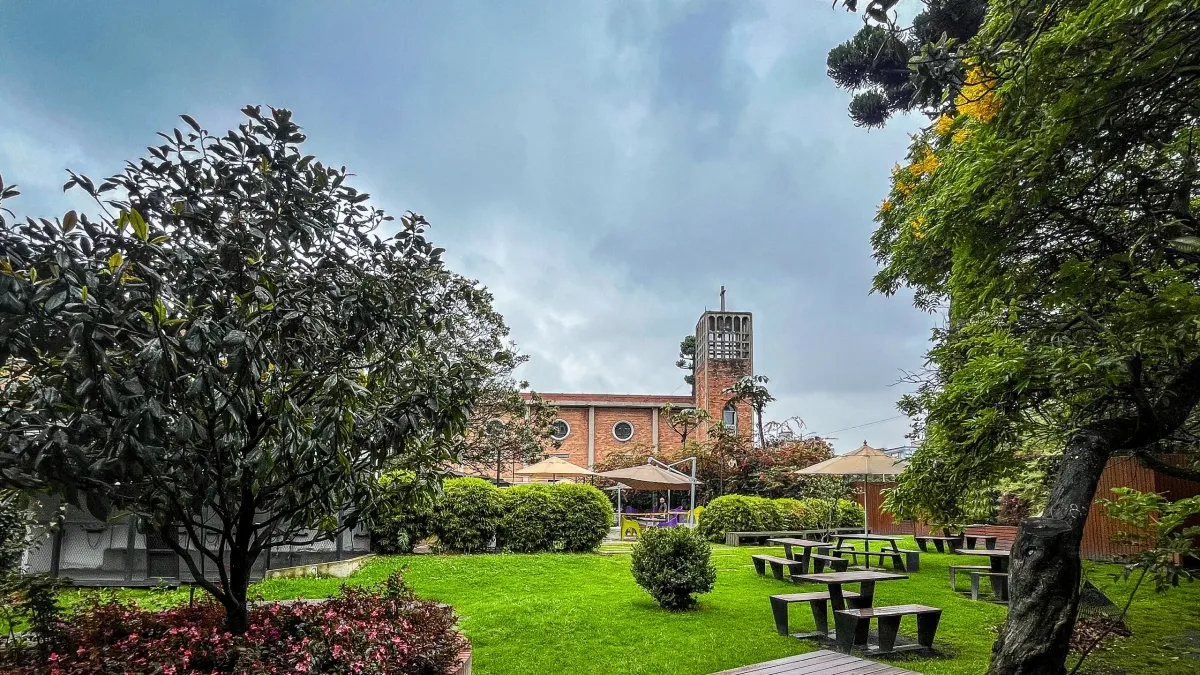
Between November 4 and November 7, 2026, the Colegio Hacienda Los Alcaparros in Colombia has transformed into a hub of high-level diplomatic simulation and intense intellectual debate. The event, known as GRULAC Junior XIV, serves as a critical forum where students aged 14 to 17 from across Latin America and the Caribbean converge to dissect, analyze, and propose solutions to the existential threats facing their respective nations. From the encroaching realities of climate change to the complexities of regional migration, these young leaders are proving that the future of policy-making does not necessarily wait for adulthood.
The Core Mission: Bridging the Gap Between Youth and Policy
GRULAC Junior is far more than an academic exercise; it is an incubator for future statesmanship. Born in 2012, the initiative was founded on the fundamental principle that children and teenagers are not merely passive recipients of the future, but active stakeholders in the present. By utilizing rigorous research, parliamentary procedures, and formal negotiation tactics, the organization empowers participants to move beyond superficial awareness and into the realm of concrete advocacy.

With over 2,750 delegates from 23 countries and 150 different educational institutions having passed through its ranks over the last 14 years, the program has garnered international recognition. Both the United Nations Environment Programme (UNEP) and the Colombian Ministry of Environment have lauded the initiative for its commitment to fostering civic participation among the youth.
A Critical Chronology: Navigating the Global Agenda
The timing of this year’s edition is particularly poignant. GRULAC Junior XIV is unfolding in the shadow of major international summits, specifically positioned between the recent COP17 on biodiversity and the upcoming COP31 focused on climate change.
- November 4: Opening ceremonies established the framework for the week, with delegates officially assuming the roles of representatives from various nations and non-governmental organizations.
- November 5: The core of the committee sessions began, with students diving deep into 12 distinct working groups.
- November 6: A highlight of the program, the "Voces de la Tierra" (Voices of the Earth) exercise, challenged delegates to empathize with the environment by adopting the perspectives of rivers, forests, and displaced communities.
- November 7: The closing day will focus on the ratification of proposals and the formal presentation of policy documents to invited dignitaries and institutional representatives.
12 Committees, One Region: The Anatomy of the Debate
The complexity of the challenges facing Latin America and the Caribbean is mirrored in the structure of the event. The 12 committees are tasked with addressing multifaceted issues that require interdisciplinary cooperation. Key topics of discussion include:

1. Climate Finance and COP31
As the global community looks toward COP31, the delegates are grappling with the "Who pays?" dilemma. The students are debating equitable financial mechanisms to ensure that developing nations can implement adaptation and mitigation strategies without sacrificing economic stability.
2. Biodiversity and the Post-COP17 Reality
Building on the conclusions of COP17, the committees are investigating how regional governments can translate international biodiversity targets into local action. This includes discussions on protected areas, sustainable land use, and the prevention of illegal deforestation.
3. The Amazonian Crisis
A dedicated committee is focusing on the Amazon basin, exploring international cooperation mechanisms to preserve the "lungs of the world." The debate centers on reconciling the economic needs of the countries that host the rainforest with the global imperative of carbon sequestration.

4. Migration and Human Displacement
Recognizing that environmental degradation is an increasingly significant driver of human movement, participants are analyzing the intersection of climate change and migration. They are proposing frameworks that respect human rights while managing the logistical challenges of regional displacement.
5. Water Security and Public Health
Access to clean water remains a critical point of contention. The delegates are assessing how climate volatility—ranging from droughts to floods—affects public health and local infrastructure, particularly in vulnerable urban-rural interfaces.
‘Voces de la Tierra’: A New Perspective on Advocacy
One of the most innovative components of this year’s edition is the ‘Voces de la Tierra’ (Voices of the Earth) activity. Unlike traditional debates that rely solely on geopolitical abstraction, this exercise forces participants to adopt the persona of specific environmental or societal actors.

By stepping into the shoes of a local river, a corporate entity, or a community leader, the students must defend the interests of that entity. This pedagogical shift forces the participants to recognize that environmental problems are not uniform; they are deeply personal and geographically specific. By synthesizing these diverse perspectives, the students move toward more holistic, "win-win" solutions that account for the nuances of local ecosystems and community needs.
Official Responses and Institutional Impact
The organizers of GRULAC Junior are not merely interested in theoretical debate; they are focused on real-world impact. The final resolutions produced during the four-day event are intended for review by entities such as the Colombian Ministry of Environment and Sustainable Development and various offices within the United Nations.
Andrés Torres, the academic coordinator of the event, emphasizes the importance of this bridge-building:

"GRULAC Junior starts from a very simple idea: young people do not have to wait for the future to participate in the decisions that affect their territories. We want them to have the opportunity to investigate real problems, listen to other perspectives, build their own arguments, and find agreements with others. When a new generation learns to participate in this way, their ideas can transcend the classroom and become proposals that generate impact in their communities."
To ensure the quality of these proposals, the event has invited various universities to act as mentors. These university-level experts provide guidance on the feasibility of the students’ suggestions, helping them refine their policy papers so that they meet the rigorous standards expected by government officials and international NGOs.
The Strategic Importance of Youth-Led Diplomacy
The implications of GRULAC Junior XIV extend far beyond the walls of the Colegio Hacienda Los Alcaparros. As global leaders struggle to find consensus on climate action, the "youth voice" has become an increasingly necessary component of the international discourse.

Empowering Future Leaders
By introducing students to the formal, often rigid procedures of international diplomacy, the program demystifies the legislative process. It teaches them that progress is not made through noise, but through the patient construction of alliances, the careful drafting of legal text, and the ability to find middle ground in the face of polarized viewpoints.
Shaping the Regional Narrative
Latin America is a region characterized by its immense natural wealth and its extreme social vulnerability. By placing the youth in the driver’s seat, the program ensures that the regional narrative is not dictated solely by outside interests, but by those who are destined to inherit the environmental and social consequences of today’s policy decisions.
A Model for Global Civic Education
The success of the GRULAC model offers a blueprint for other regions of the world. In an era of digital misinformation and political cynicism, providing a structured, fact-based, and collaborative environment for youth is perhaps the most effective way to safeguard the democratic process.

Conclusion: Looking Toward the Future
As the curtains close on the XIV edition of GRULAC Junior, the participants will leave not only with a deeper understanding of the challenges facing their world but with a heightened sense of agency. The proposals generated over these four days will now move into the corridors of power, carried by a generation that has proven, through research and debate, that they are ready to participate in the shaping of their own future.
Whether these ideas lead to immediate policy shifts or serve as the foundational seeds for long-term cultural change, the message from the Colegio Hacienda Los Alcaparros is clear: The next generation of leaders is already here, they are informed, and they are demanding a seat at the table.