By Edwin Caicedo, Environment and Health Correspondent
Antalya, Turkey – November 10, 2026
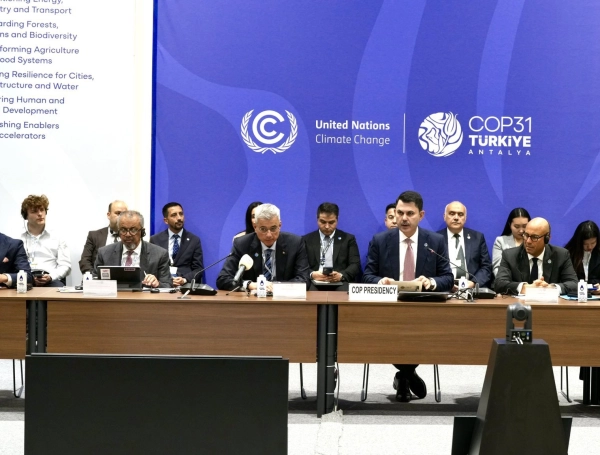
In the halls of the 31st Conference of the Parties (COP31) in Antalya, Turkey, a delegation of 12 young activists from the Global South has arrived with a clear, uncompromising message: the era of symbolic youth participation must end. Representing a diverse coalition from Colombia, Mexico, Peru, Indonesia, and Tanzania, these delegates are not merely observers—they are negotiators-in-waiting, armed with over 10,000 signatures and a set of rigorous, actionable policy proposals aimed at shifting the trajectory of global climate governance.
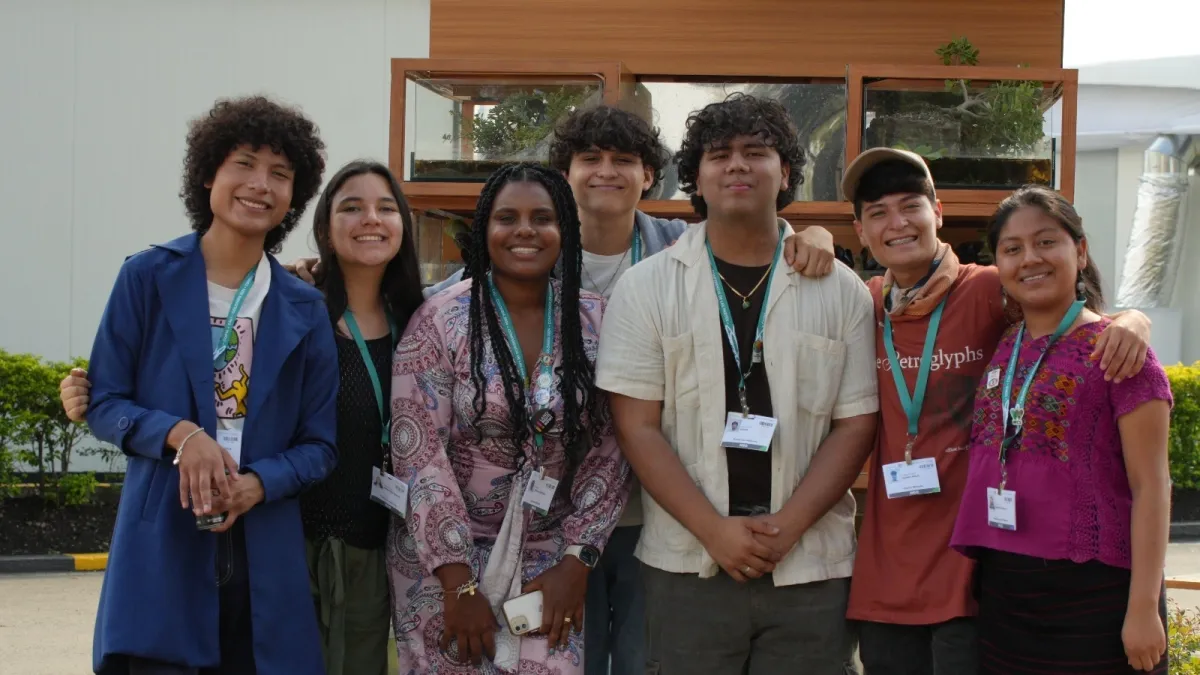
The delegation, coordinated by the organization Life of Pachamama, marks a significant turning point in the inclusion of youth in international diplomacy. While previous climate summits have often relegated young people to side panels and ceremonial opening remarks, this group is pushing for formal, binding mechanisms that integrate local community knowledge into the highest levels of environmental policy-making.
The Core Mandate: From Symbolic Presence to Strategic Influence
For the seven Colombian representatives in the delegation, the stakes could not be higher. Their presence in Antalya is a direct reflection of the geographic and environmental diversity of their home nation, spanning from the vulnerable Caribbean islands of San Andrés and Providencia to the fragile high-mountain ecosystems of Boyacá, the urban sprawl of Bogotá, and the grassroots organizing hubs of Popayán in the Cauca region.

"We are tired of being told that we are the future," says Juan David Amaya, founder of Life of Pachamama. "The climate crisis is a present-day emergency. The decisions made here in Antalya will define the living conditions of millions of young people in the Global South for the coming decades. To be invited to speak on a panel is not enough; we need to be at the table where the actual negotiations happen. A climate agreement without the youth of the Global South is an incomplete agreement."
The delegation’s primary contention is that youth participation has historically been treated as a public relations exercise rather than a governance imperative. By moving beyond "tokenism," they are demanding that their voices carry the weight of policy-shifting power.

Chronology of a Mobilization: The Road to Antalya
The journey to COP31 was not a spontaneous development but the result of months of grassroots advocacy and strategic alignment across borders.
- Q1–Q2 2026: Life of Pachamama initiates a series of regional workshops across Latin America and parts of Asia and Africa to consolidate a common manifesto. The focus is on identifying common threats: deforestation, water scarcity, and the lack of financial support for local adaptation projects.
- August 2026: The campaign gathers momentum, surpassing 10,000 signatures from various civil society organizations and international youth networks, providing the delegation with a robust mandate.
- September 2026: Formal outreach to diplomatic missions begins, with the delegation securing meetings with several national negotiators to present their "Three Pillars" proposal.
- November 9, 2026: The official start of COP31 in Antalya. The delegation hits the ground running, participating in side events and private lobby sessions with government representatives.
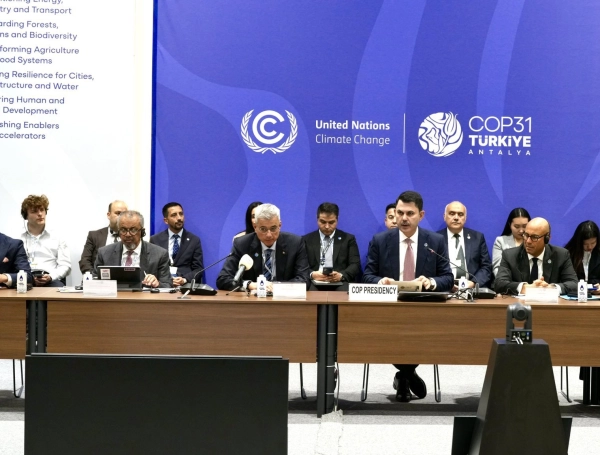
- November 10, 2026: The delegation holds a press conference, formally introducing their agenda to the international media, emphasizing the need for binding participation in NDC 3.0 (Nationally Determined Contributions).
The Three Pillars of the Youth Proposal
The delegation’s agenda is built upon three foundational pillars, designed to move from abstract commitment to concrete action.
1. Binding Youth Participation in Governance
The youth demand the institutionalization of their role in the drafting and implementation of Nationally Determined Contributions (NDCs). They argue that current climate policies often fail because they are designed in air-conditioned offices far from the frontlines of the crisis. By establishing formal, binding channels for youth input, they aim to ensure that national climate strategies reflect the realities of the territories they claim to protect.
2. Direct Climate Financing for Local Communities
Perhaps the most ambitious demand is the push for "direct climate financing." Currently, global climate funds often get bogged down in bureaucratic layers and high-level national budgets, rarely reaching the grassroots level where adaptation is most needed. The delegation is proposing a streamlined, transparent mechanism that allows for funds to flow directly to local, indigenous, and peasant-led organizations that are already implementing successful, nature-based solutions to climate change.

3. Protection of Environmental Defenders
In the context of the Global South, defending the environment is a dangerous profession. The delegation is calling for international safeguards and legal protections for young activists and community leaders who face threats, intimidation, and violence. They argue that a "Just Transition" is impossible if the people leading the change are not safe from the risks associated with opposing extractivist agendas.
Official Responses and the Diplomatic Climate
The reaction from established diplomatic circles has been cautiously positive, though skepticism remains regarding the feasibility of structural changes to the UNFCCC process. Many delegates from developed nations have publicly praised the "vital energy" of the youth delegation, yet the challenge remains in translating that praise into concrete policy commitments.
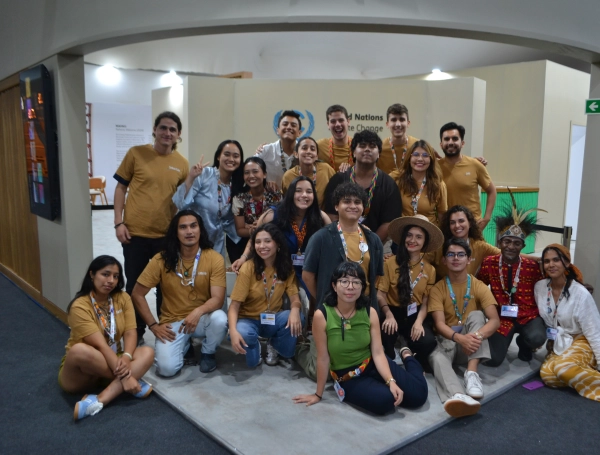
María Angélica Barrera Ospina, Executive Director of Life of Pachamama, notes that the resistance often stems from a lack of political imagination. "There is a fear among older negotiators that opening the process to youth will complicate the diplomacy," she explains. "But the reality is that the current process is already failing. We are not here to complicate things; we are here to provide the local expertise that is currently missing from these negotiations."
As the summit progresses, the delegation is holding a series of bilateral meetings with representatives from the European Union, the G77, and various NGOs. Their strategy is to build a "coalition of the willing" among countries that are more open to progressive, youth-led climate policies.
Global Implications: Why This Matters
The intervention of the Life of Pachamama delegation at COP31 is a microcosm of a larger, global struggle for intergenerational justice. As the world moves beyond the initial "Global Stocktake" phase, the focus of the climate movement is shifting toward implementation.
If the demands of these young people are met, it would signify a monumental shift in how the international community approaches climate governance. It would mean recognizing that the expertise of those living in, working on, and protecting the land is as valid—if not more so—than the top-down models currently driving the global response.
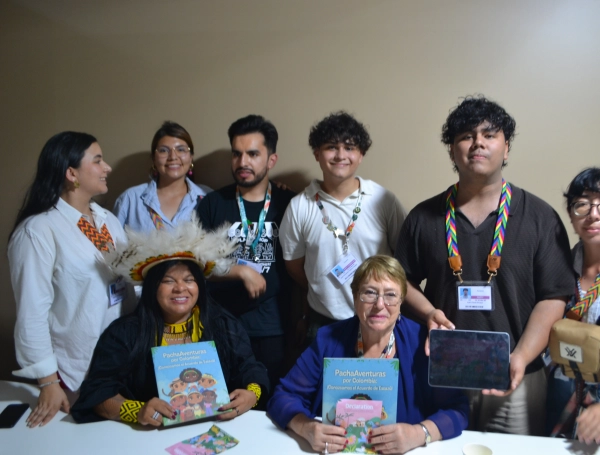
Furthermore, the focus on direct financing could revolutionize the aid landscape, turning local communities from passive recipients of climate aid into active, empowered agents of change.
"We are not just asking for a seat at the table," says one of the Colombian delegates. "We are asking for the table to be rebuilt. The current structure was built for a different world, one that no longer exists. If we are to survive the coming decades, our decision-making processes must be as dynamic, diverse, and resilient as the ecosystems we are fighting to save."
As COP31 continues through November 20, the eyes of the world are fixed on whether these voices will remain just noise in the background, or if they will succeed in shaping the final accords of the summit. The delegation’s presence serves as a constant reminder that the clock is ticking, not just for the planet, but for the credibility of the international institutions tasked with protecting it.
The question remains: will the leaders in Antalya prove that they are listening, or will they continue to leave the most affected stakeholders on the outside looking in? For now, the 12 young delegates continue their work, firm in the belief that an agreement without the youth of the Global South is not a solution, but a delay of the inevitable.