By [Your Name/Editorial Desk]
The Colombian culinary landscape reached a significant milestone on November 11, 2026, as the industry gathered in Bogotá for the 21st edition of the "Premios La Barra." As the most prestigious event in the national gastronomic calendar, these awards serve as a barometer for the health, creativity, and resilience of the country’s food and beverage sector. This year, the ceremony did more than just hand out trophies; it highlighted a shifting paradigm where regional excellence, sustainable practices, and the internationalization of Colombian flavors have taken center stage.
With 22 national awards and 84 regional honors distributed, the event showcased a vibrant ecosystem that, despite economic challenges, continues to innovate. The record-breaking participation—602 initial nominations distilled down to 186 finalists—underscores the rigor and competitiveness that define the current era of Colombian cuisine.
The Pillars of Excellence: Honoring Legacy and Global Ambition
The evening was punctuated by moments of profound recognition, most notably in the special category awards, which celebrate both lifelong dedication and contemporary global impact.
A Lifetime of Flavor: Joyce Mitrani
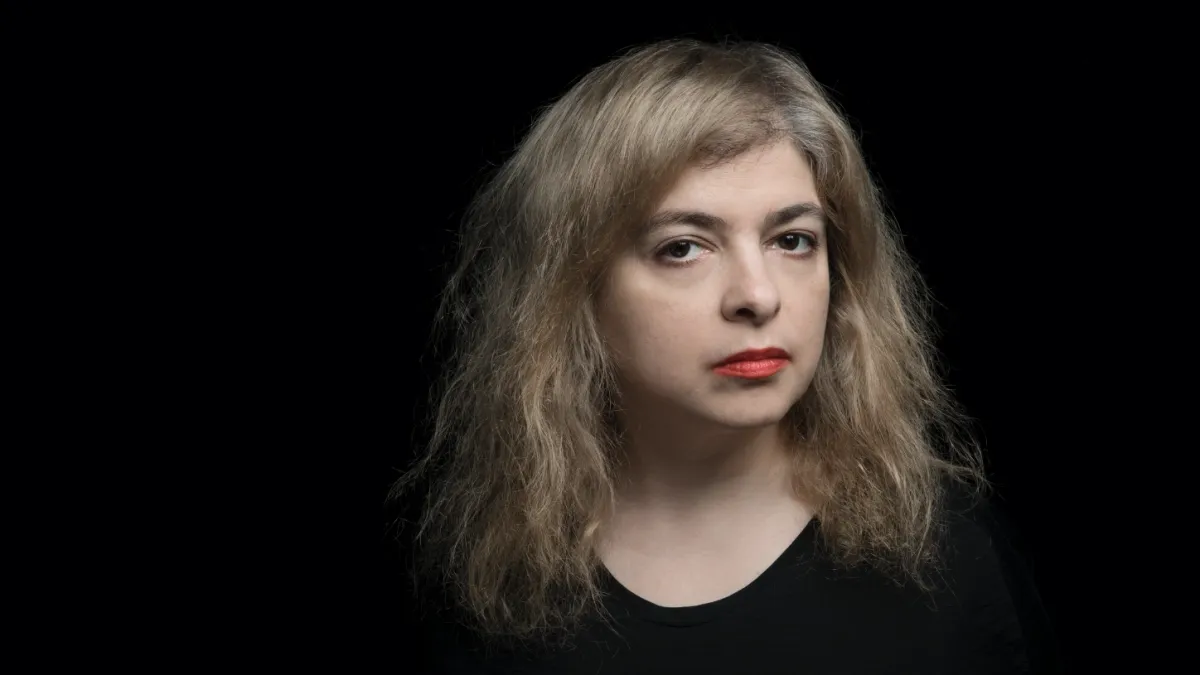
The "Toda una Vida de Trabajo" (Lifetime Achievement) award was presented to Joyce Mitrani, the matriarch of Joyce Pastelería. Her story is one of foundational resilience. Emerging from the humble setting of her home kitchen in November 1971, where she sold her first cake, Mitrani built an empire that has defined the dessert scene in Bogotá for over half a century.
Her transition from a home-based artisan to the owner of a landmark establishment on Bogotá’s Calle 90 is a masterclass in consistency. Iconic creations such as her signature milhoja, chocolate sponge cake, and delicate florentine cookies have become part of the city’s culinary DNA. For many, Mitrani’s award was not merely a recognition of a business, but a tribute to the grandmotherly warmth and uncompromising quality that have anchored the Bogotá dining experience for generations.

The Global Ambassador: Edwin Rodríguez
Representing the modern face of Colombian gastronomy, Edwin Rodríguez was named "Mejor Chef Colombiano en el Exterior" (Best Colombian Chef Abroad). Operating from the heart of Madrid, Spain, his restaurant, QUIMBAYA, has become a bridge between South American heritage and European fine dining.
Rodríguez, a graduate of the Servicio Nacional de Aprendizaje (SENA), has spent over 25 years refining his craft. His approach is characterized by a sophisticated, contemporary reinterpretation of ancestral Colombian recipes. By bringing native ingredients and traditional techniques to the competitive Madrid scene, Rodríguez has proved that Colombian cuisine is no longer a niche curiosity, but a globally competitive culinary force capable of earning Michelin-level respect.
Regional Dominance: Beyond the Capital
While Bogotá and the Altiplano Cundiboyacense continue to command the highest density of top-tier restaurants—securing five national awards each—the 2026 results reveal a fascinating decentralization of culinary prestige.
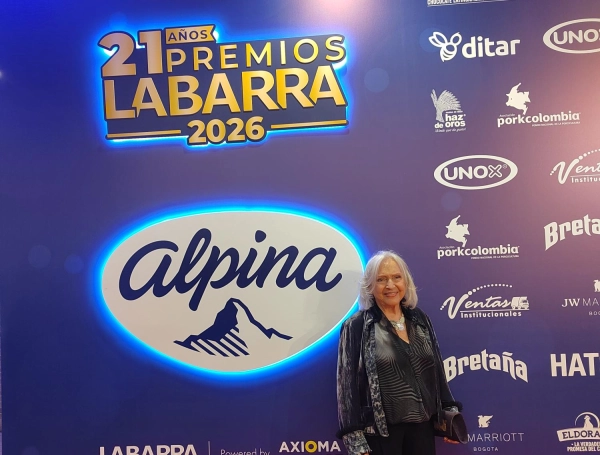
The awards ceremony highlighted a "second tier" of gastronomy that is rapidly maturing. Cities and municipalities once overlooked in favor of major metropolitan hubs are now producing world-class experiences. The success of establishments like El Chino Cocina in Sopó, Tres23 in Zipaquirá, and Adelina Sabor y Tradición in Guaduas signals a growing trend: diners are increasingly willing to travel for unique, localized culinary narratives.
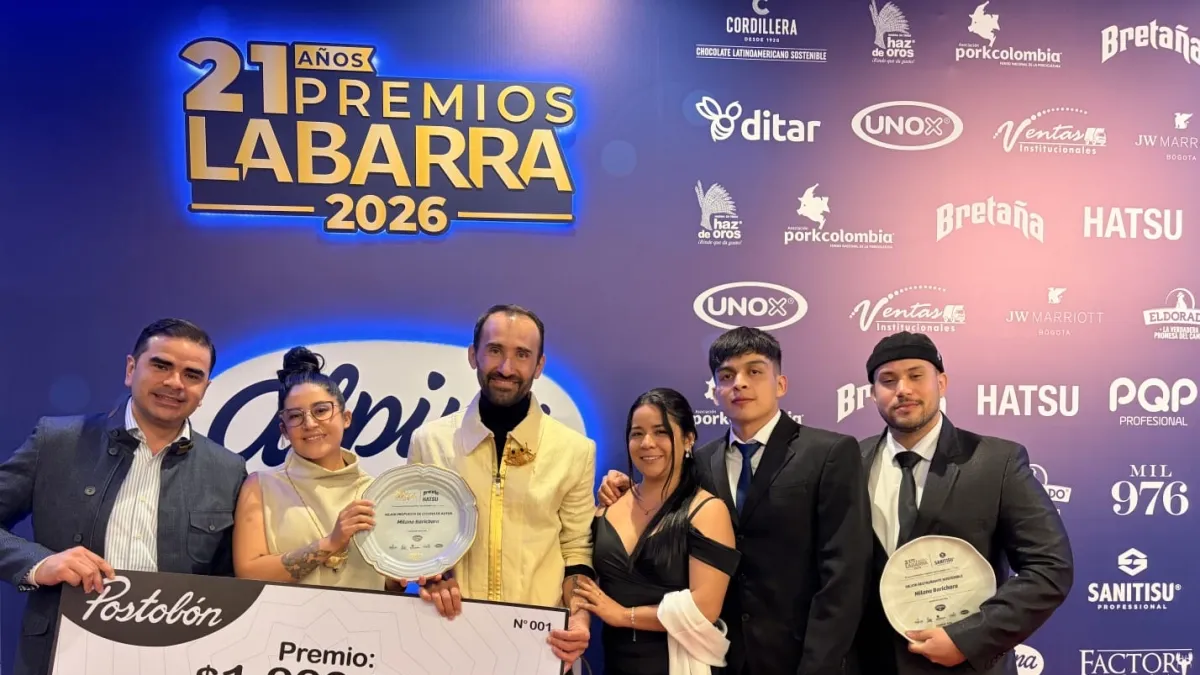
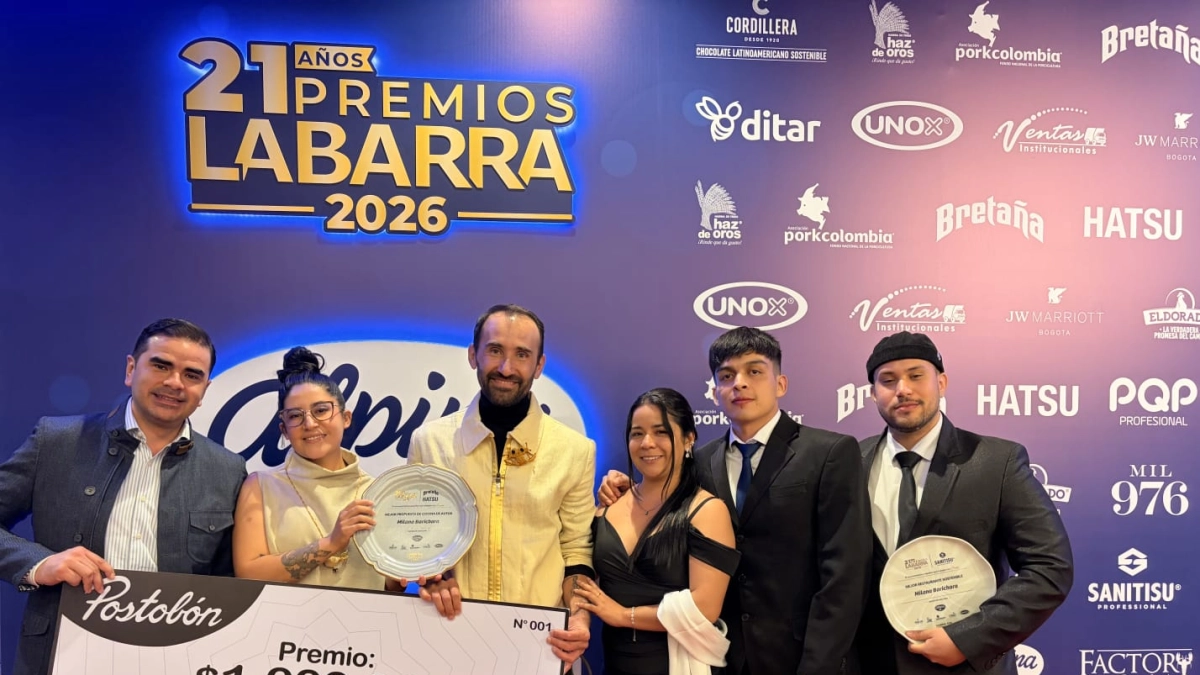
Furthermore, the recognition of Milana in Barichara for "Restaurante Sostenible" and Blajoma Atelier in Pitalito reinforces that excellence in 2026 is no longer defined by white-tablecloth formality alone, but by a commitment to the environment and the provenance of ingredients.
Chronology of an Industry: From Local Origins to Global Recognition
The evolution of the Premios La Barra itself mirrors the evolution of the Colombian food scene. Over the last two decades, the awards have shifted from a modest industry gathering to a comprehensive audit of the nation’s cultural output.

- 1971: Joyce Mitrani begins her journey, planting the seeds for what would become a cornerstone of Colombian pastry.
- Early 2000s: The first iterations of the La Barra awards are established, focusing primarily on Bogotá’s fine dining establishments.
- 2010–2020: A decade of discovery. The awards begin to incorporate regional categories, acknowledging that the Caribbean, the Coffee Axis, and the Pacific have distinct and equally valuable gastronomic identities.
- 2026 (The 21st Edition): A focus on "Institutional Sustainability and Digital Transformation." Categories like "Hospitality and Customer Experience" (won by WOK) and "Digital Strategy" (won by Crepes & Waffles) indicate that the industry is modernizing its business operations, recognizing that a great plate of food is no longer enough to survive in the digital age.
Supporting Data: The Numbers Behind the Success
The data provided by the organizers offers a quantitative look at the industry’s current state. With 602 nominations submitted, the selection process was more competitive than in previous years.
| Metric | Figure |
|---|---|
| National Awards Presented | 22 |
| Regional Awards Presented | 84 |
| Total Nominees | 186 |
| Total Initial Postulations | 602 |
The geographic distribution of the 22 national awards shows a clear hierarchy, yet highlights emerging hubs:
- Bogotá & Altiplano: 10 Awards (Combined)
- Santanderes, Tolima, & Antioquia: 6 Awards (Combined)
- Orinoquía & Caribe: 2 Awards (Combined)
- Other/International: 4 Awards
This data confirms that while the Andean region remains the engine of the industry, the coastal regions and the interior departments are gaining ground, fueled by a new generation of chefs returning to their roots to source local produce.

Implications for the Future: Sustainability and Digitalization
The winners of this year’s special categories—WOK, Crepes & Waffles, and Milana—provide a blueprint for the future of Colombian hospitality.
The Digital Shift
Crepes & Waffles, a titan of the Colombian restaurant industry, receiving the award for "Estrategia Digital" is significant. It suggests that the industry is moving away from purely physical customer service models toward integrated, tech-enabled experiences. Whether through advanced delivery logistics, reservation management, or social media community engagement, the "digital-first" restaurant is the new standard.
The Sustainability Mandate
The recognition of Milana in Barichara as a "Restaurante Sostenible" is perhaps the most forward-thinking award of the night. As global awareness regarding the carbon footprint of the food industry grows, restaurants that prioritize local sourcing, waste reduction, and ethical labor practices are being rewarded not just by customers, but by the industry’s leading arbiters. This is expected to trigger a shift in how suppliers and restaurants interact, likely leading to more farm-to-table initiatives in 2027.

Industry Perspectives: A Call for Continued Support
During the ceremony, several industry leaders noted that while the awards celebrate success, the industry still faces structural hurdles. Inflation, labor costs, and the need for better vocational training for front-of-house staff were recurring themes in the informal discussions among the attendees.
"We are at a point where Colombian cuisine is respected worldwide," remarked one of the jury members during the post-ceremony gala. "But the sustainability of this success depends on the continued professionalization of the sector. The awards aren’t just about who is the best today; they are about setting the standards for who will be the best tomorrow."
The 21st edition of the La Barra Awards has successfully captured a moment of transition. It is a sector that honors its elders, like Joyce Mitrani, while embracing the global stage through talents like Edwin Rodríguez, and grounding its future in sustainability and digital innovation. As the industry looks ahead to 2027, the challenge will be to maintain this momentum, ensuring that the excellence seen in Bogotá, Barichara, and Madrid becomes the standard for every kitchen in the country.

The legacy of these awards remains clear: Colombian gastronomy is no longer just a source of national pride—it is a sophisticated, evolving industry that is ready to compete on the world stage.