By Technology Desk
Published: November 12, 2026
In a significant shift regarding digital account management and user authentication, Japanese gaming giant Nintendo has officially announced that it will completely phase out the option for users to sign in to their Nintendo Accounts using third-party credentials from Google and Apple. The sweeping policy change is scheduled to take effect globally on January 26, 2027.
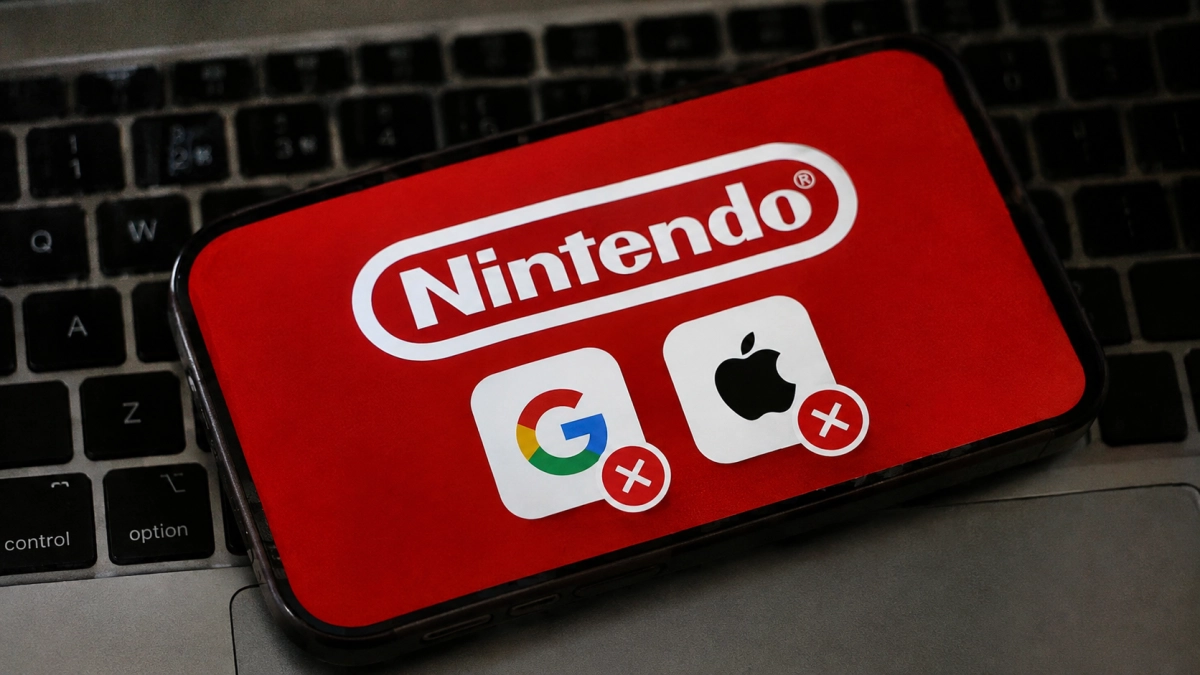
The decision marks a departure from modern, streamlined multi-platform login trends embraced by many consumer technology and entertainment ecosystems. Moving forward, millions of players worldwide who rely on their existing social or tech-giant logins will be forced to restructure how they access their Nintendo profiles, eShop purchases, online subscriptions, and associated ecosystem services.
According to official support documentation published by Nintendo, the upcoming modifications are permanent. Not only will existing users lose the ability to authenticate via Google and Apple credentials, but new users will also be barred from creating brand-new Nintendo Accounts using these third-party sign-up vectors.

Main Facts: What Is Changing?
The core of Nintendo’s announcement centers on the cessation of third-party identity providers (IdPs) for account authentication. For years, Nintendo users have enjoyed the convenience of single sign-on (SSO) protocols, tapping their pre-existing Google or Apple credentials to bypass the creation or manual input of standalone passwords specific to the Nintendo ecosystem.
Starting January 26, 2027:

- Google and Apple Logins Removed: Users will no longer be able to click "Sign in with Google" or "Sign in with Apple" on any Nintendo login portal, website, or associated hardware interface.
- Account De-linking: All current active links between Nintendo Accounts and external Google or Apple profiles will be severed.
- New Account Creation Restricted: The options to register a fresh Nintendo Account utilizing Google or Apple onboarding workflows will be permanently disabled.
- My Nintendo Rewards Impacted: Alongside the login modifications, Nintendo will discontinue specific promotional missions tied to these services—specifically, the My Nintendo Platinum Points reward earned historically by linking a Google account to a Nintendo profile.
Crucially, Nintendo has emphasized that this update does not require users to create entirely new Nintendo Accounts. The underlying account structures, digital libraries, friend lists, and balances will remain intact; the modification strictly restricts how users authenticate their identity upon logging in.
Chronology of the Transition and Deadlines
Understanding the timeline is vital for users who wish to avoid sudden disruptions to their gaming routines, online multiplayer access, or digital purchases. Nintendo has provided a generous runway to allow players ample time to reconfigure their security settings, though the corporate timeline is firm.

- November 2026 (Announcement Phase): Nintendo formally updates its global support portal to notify consumers of the upcoming deprecation of third-party Google and Apple authentication pipelines. Warnings begin circulating across gaming news networks and official notification channels.
- Interim Period (Late 2026 – January 2027): Users who currently utilize external logins are urged to audit their profile settings. Nintendo advises checking whether an active, accessible email address and dedicated password are properly linked to the account to prevent lockouts.
- January 26, 2027 (Implementation Date): The changes go live globally. All integrations with Google and Apple authentication APIs are officially severed. Any automated login sessions relying on these tokens expire, prompting users to re-authenticate manually.
Supporting Data and Alternative Access Methods
To mitigate user friction and prevent widespread access lockouts, Nintendo has outlined clear, compliant alternative methods for account authentication. Once the January 2027 deadline passes, players must rely on one of three approved pathways to access their profiles:
1. Traditional Email and Password
The bedrock of legacy internet security remains fully supported. Users can sign in using the primary email address registered to their Nintendo Account, paired with a custom password. For those who previously relied exclusively on Google or Apple ID tokens and never established a direct password, Nintendo has provided an immediate recovery mechanism:
- Navigate to the Nintendo Account sign-in page.
- Select the "Forgot your password?" prompt.
- Follow the step-by-step verification instructions sent to the registered email inbox to generate and set a new, dedicated password.
2. Passkeys
In alignment with modern cybersecurity standards—championed by the FIDO Alliance, Apple, Google, and Microsoft—Nintendo fully supports passkeys. This advanced authentication standard allows users to verify their identity using biometric mechanisms native to their devices, such as fingerprint recognition (Touch ID/Android biometrics) or facial recognition (Face ID/Windows Hello). Passkeys eliminate the need to remember complex alphanumeric passwords while offering robust, phishing-resistant security.
3. Sign-In ID
Users retain the option to log in using a designated Sign-In ID configured within their account settings, combined with their personal password.

Official Responses and Corporate Rationale
As of the initial announcement, Nintendo has kept its technical justification relatively concise, routing queries through its standardized global support networks rather than hosting an expansive press conference. Industry analysts and cybersecurity experts, however, have weighed in on why a major entertainment titan might pull back from third-party social logins.
In corporate communications, Nintendo emphasized that the adjustments are designed to streamline security frameworks and ensure uniform authentication protocols across all ecosystem touchpoints. By reducing reliance on external authorization servers (Google and Apple), Nintendo exerts direct, sovereign control over its identity and access management (IAM) pipeline.

From a technical standpoint, managing third-party OAuth integrations introduces dependency risks. Changes to API structures, security compliance standards, or data-sharing agreements between major tech conglomerates can frequently break downstream platforms. Furthermore, decoupling from external identity providers limits potential attack vectors associated with credential-stuffing campaigns that target broader consumer ecosystems.
Implications for the Gaming Community
The removal of Google and Apple sign-in options carries notable implications for everyday consumers, casual players, and families managing multiple profiles:

Increased Friction for Casual Users
For casual gamers, parents managing children’s accounts, or mobile-first consumers who heavily favor single-click sign-ons, this change introduces a layer of friction. Remembering yet another standalone password or setting up device-specific passkeys requires deliberate administrative effort.
Potential for Account Lockouts
Whenever major platform holders alter authentication paradigms, a distinct percentage of inactive or casual users inevitably face temporary lockouts. Players who only log in sporadically—such as those waiting for major franchise releases or seasonal updates—might return in early 2027 only to find their usual login button missing. Nintendo’s proactive advisory campaign aims to minimize this churn, but public education remains an ongoing challenge.

Enhanced Long-Term Security Alignment
Conversely, cybersecurity advocates generally view the shift toward passkeys and direct credentials favorably. Relying on consolidated third-party tech accounts can sometimes create single points of failure; if a user’s primary Google or Apple account is compromised, bad actors simultaneously gain access to every linked third-party service, including gaming libraries. By encouraging direct credentials and biometric passkeys, Nintendo isolates gaming profile security from general email and productivity suites.
Ecosystem Independence
The move also underscores a broader tech industry trend toward ecosystem decoupling. As major platforms increasingly police data sharing, cross-platform tracking, and authentication protocols, companies with massive proprietary user bases—such as Nintendo—are internalizing their user management systems to maintain complete autonomy over their data pipelines.

Recommended Action Plan for Nintendo Users
To ensure uninterrupted access to digital libraries, cloud saves, and eShop purchases ahead of the January 26, 2027 deadline, Nintendo recommends that all account holders take the following precautionary steps:
- Log In Now: Access your Nintendo Account via your current preferred method (including Google or Apple) to verify your account status.
- Verify Contact Information: Ensure that the email address currently associated with your Nintendo Account is active, secure, and fully accessible to you.
- Establish a Direct Password: If your account was originally created via social login and lacks a native Nintendo password, use the password reset tool to establish dedicated credentials immediately.
- Explore Passkeys: Consider setting up a passkey on your primary mobile device or computer for faster, password-free, and highly secure biometric logins.
As the digital landscape continues to evolve, Nintendo’s upcoming security transition serves as a reminder of the shifting dynamics governing online identity, user privacy, and platform sovereignty in the modern entertainment era.