In the digital age, Tinder is primarily viewed as a catalyst for romance or a casual social networking tool. However, for 33-year-old Brazilian Maria Paula Vieira, the application became the unlikely bridge to a life-changing medical discovery. After living nearly three decades in a state of chronic, unexplained suffering, a simple match with a medical student provided the missing link to diagnosing a rare, complex condition that had eluded doctors for years.
The Intersection of Fate and Science
The story began around the time the COVID-19 pandemic began to reshape the world. Maria Paula, who had spent her entire life battling mysterious skin ailments and debilitating pain, was scrolling through Tinder when she matched with Lucas, a young student of medicine. What started as a casual conversation between two strangers blossomed into a friendship that would eventually dismantle a lifetime of medical uncertainty.
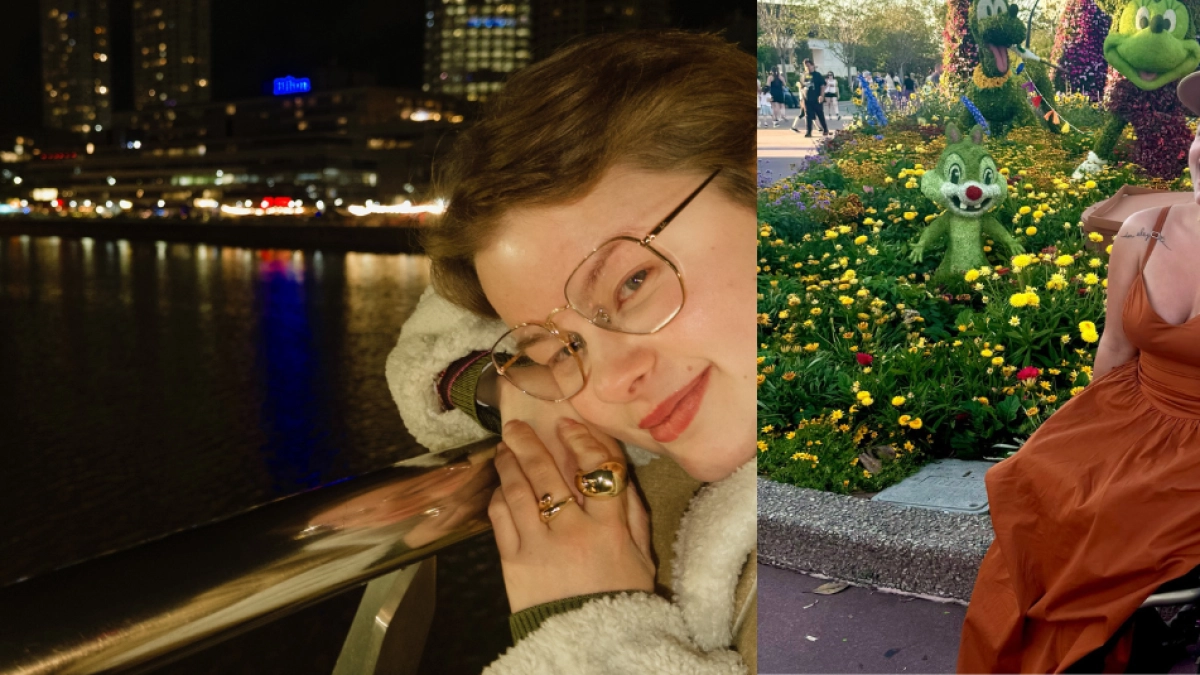
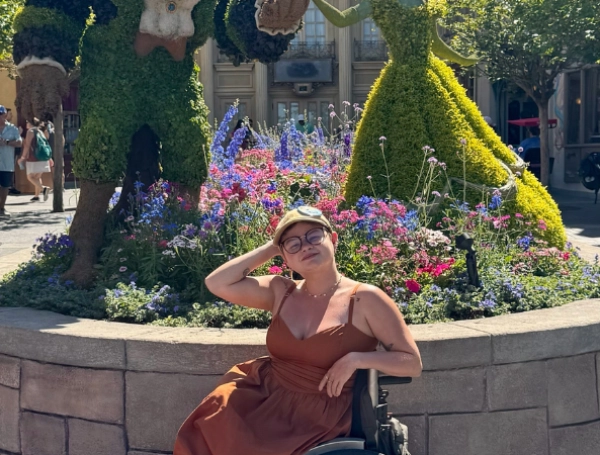
As the pandemic forced people into isolation, the bond between the two grew. Maria Paula, feeling a sense of trust in her new friend, eventually opened up about the heavy burden she had carried since birth: a severe, undiagnosed disability that left her in constant pain and often confined to a wheelchair. For Maria Paula, sharing this information was a vulnerable act, but for Lucas, it triggered a professional curiosity and a profound human desire to help.
A Chronology of Uncertainty
To understand the magnitude of this discovery, one must look at the decades of struggle that preceded the match. From early childhood, Maria Paula reported sensations of her hands being "on fire." This was not merely a localized discomfort but a systemic issue involving severe skin desquamation (peeling) and chronic inflammation.
The Decades-Long Odyssey:
- Early Childhood: The onset of symptoms characterized by burning sensations and skin degradation.
- The "Guinea Pig" Years: Maria Paula spent years moving between hospitals, clinics, and academic medical centers. She became, in her own words, a "human test subject," undergoing countless experimental treatments and diagnostic tests.
- The Psychological Toll: As no doctor could provide a definitive name for her condition, both the medical community and those around her began to suggest that her suffering might have a psychological component. The lack of a diagnosis led her and her family to eventually abandon the search for answers, shifting their focus to palliative care simply to manage the pain.
- The Tinder Connection (2020-2021): The meeting with Lucas provided the catalyst for a fresh, objective look at her medical history.
- The Expert Intervention (2021): Lucas introduced Maria Paula to Professor Paulo Criado, a specialist in dermatological manifestations of systemic diseases at the Faculty of Medicine of the ABC in São Paulo.
- The Diagnosis: Within one month of specialized research, the medical team successfully identified the source of her pain.
The Clinical Diagnosis: A Rare Combination
The breakthrough came when Lucas recalled his academic training under Professor Paulo Criado. Recognizing that Maria Paula’s symptoms—particularly the dermatological flare-ups—aligned with the rare cases he had studied, he facilitated a consultation.
Professor Criado, a renowned expert, initially faced the same void of information that had hindered previous doctors. However, refusing to accept that her condition was "imaginary" or purely psychosomatic, he engaged in an exhaustive review of scientific literature, specifically utilizing databases like PubMed.
The final diagnosis was not one condition, but two rare, overlapping syndromes: Olmsted Syndrome and Erythromelalgia.
Understanding the Conditions
- Olmsted Syndrome: A rare genetic disorder characterized by palmoplantar keratoderma (thickening of the skin on the palms and soles) and periorificial keratotic plaques. It is notoriously difficult to diagnose due to its rarity and the variability of its clinical presentation.
- Erythromelalgia: This condition causes episodic burning pain, redness, and increased temperature in the extremities. The combination of these two conditions explains the "burning in flames" sensation Maria Paula described since childhood and the severe physical limitations she endured.
The Implications of a Late-Life Diagnosis
The impact of this diagnosis cannot be overstated. For most of her life, Maria Paula lived in a state of "survival mode," where her daily reality was defined by managing agony rather than living a life. The identification of these syndromes allowed doctors to move away from guesswork and toward a targeted, specific treatment plan.
The implications are twofold: medical and existential. Medically, she now has access to therapies that mitigate the inflammation and pain, allowing her to reclaim her mobility. Existentially, the diagnosis provided her with a sense of validation. As Professor Criado noted in his interview, the "diagnostic odyssey" is often the most damaging part of living with a rare disease; patients begin to doubt their own reality when the medical establishment fails to name their pain.
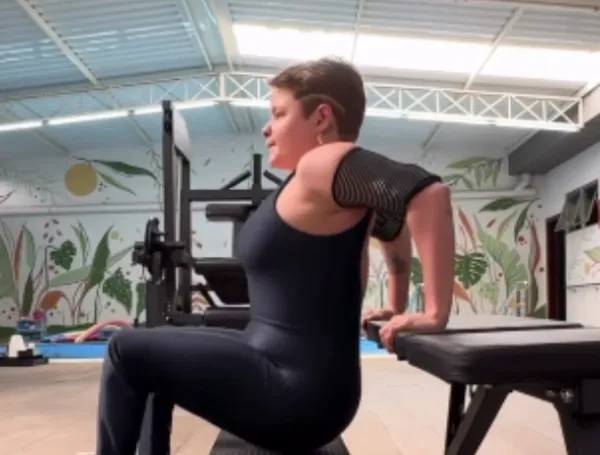
"I can do physical activity now, which was very difficult for me before," Maria Paula shared. "I can create more bonds, travel more. I spent a long time in my life without that. I was alive, but it was a life of survival."

Expert Perspectives and the Future of Rare Disease Care
The case of Maria Paula Vieira serves as a powerful case study for the importance of cross-disciplinary communication in medicine. Lucas, the medical student, acted as a conduit between the patient and a specialist who had the specific expertise to interpret the symptoms.
Professor Criado’s approach highlights a critical shift in modern medicine: the move away from diagnostic silos. By leveraging global medical databases and applying academic rigor to a specific patient’s case, he was able to succeed where others had failed for thirty years.
This story also underscores the limitations of the current healthcare system regarding rare diseases. Many patients with such conditions remain undiagnosed for decades because their symptoms do not fit neatly into the "common" diagnostic categories that general practitioners are trained to recognize. The "Tinder diagnosis" is, in reality, a testament to the power of persistent, collaborative medical inquiry.
Conclusion: A New Chapter
Today, Maria Paula Vieira’s life is defined by newfound freedom. While the physical challenges of Olmsted Syndrome and Erythromelalgia remain, the ability to name, understand, and treat them has transformed her world.
Her story serves as a reminder of the fragility of the human condition and the profound impact that a single connection—whether found on a dating app or in a clinical setting—can have on a person’s quality of life. It challenges us to look beyond the surface, both in our personal relationships and in the way we approach the mysteries of medical science. As she continues to travel and build the social connections she once lacked, Maria Paula stands as a symbol of resilience and a living example of how the right information, at the right time, can change everything.
In the broader context of medical reporting, this case emphasizes the need for better integration of specialized knowledge in general medicine, ensuring that fewer patients are forced to spend decades in a state of "survival" when answers could be just one connection away.