By Edwin Caicedo, Environmental and Health Correspondent
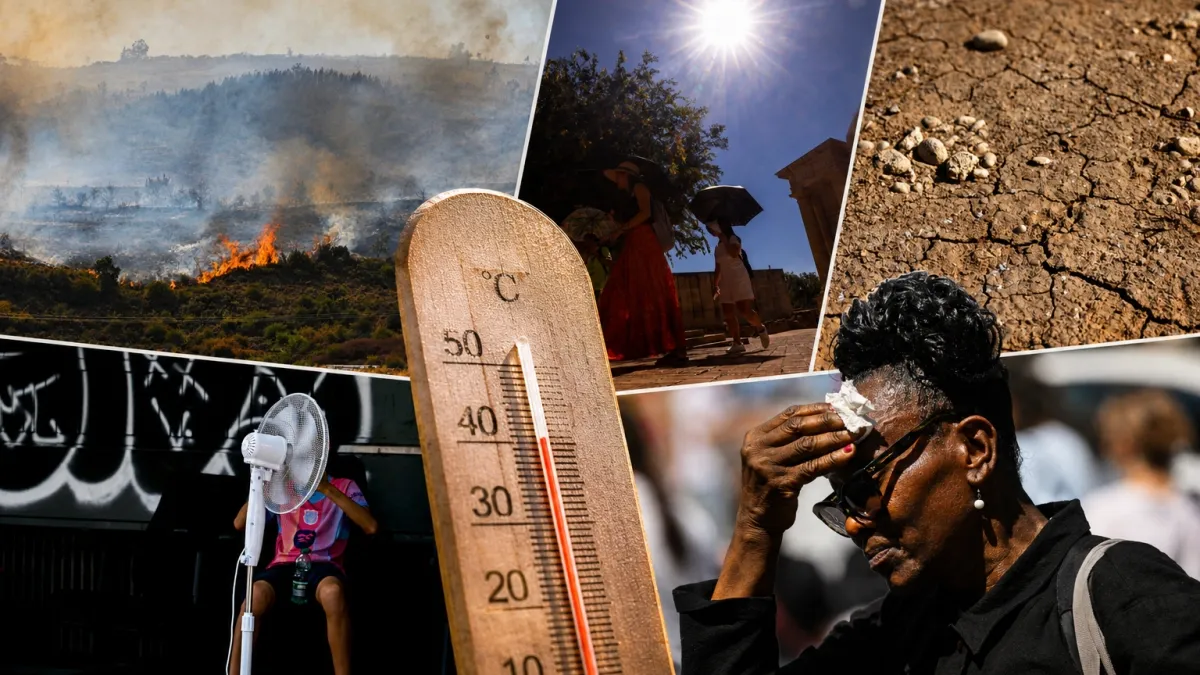
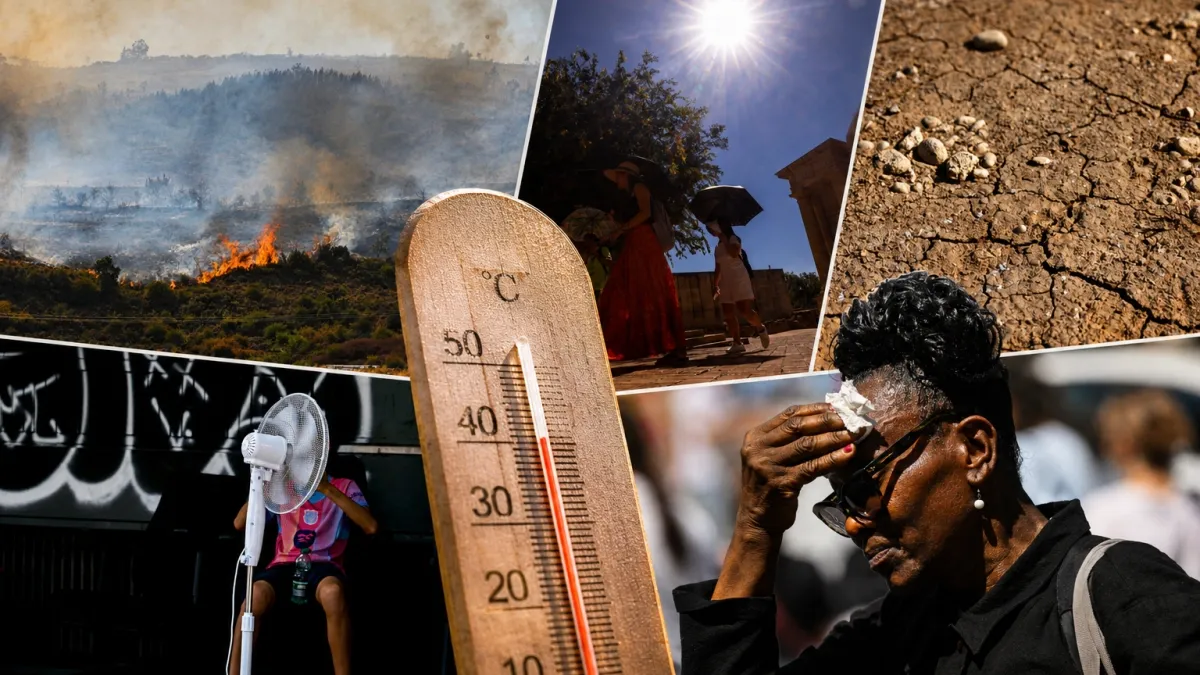
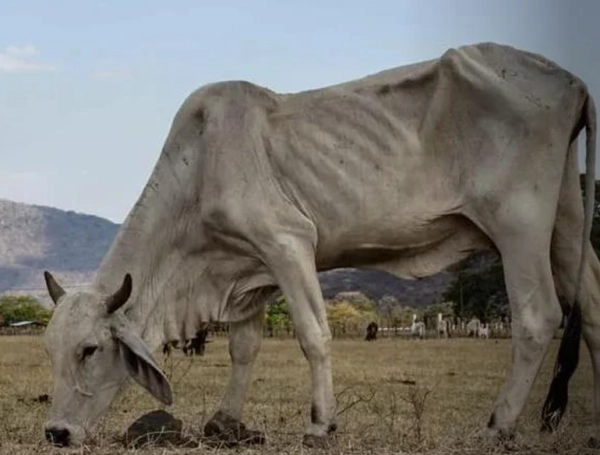
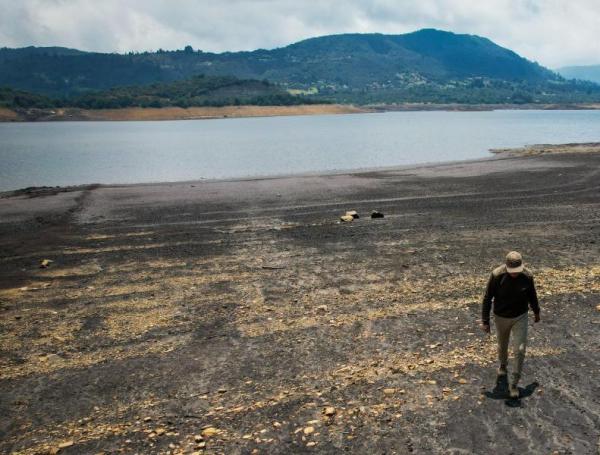
As the hydrometeorological conditions across Colombia deteriorate under the persistent influence of the El Niño phenomenon, a growing water crisis is gripping the nation. From the bustling metropolitan hubs of Cali and Medellín to the coastal city of Santa Marta and rural corridors in Santander and Bolívar, the country is witnessing a systemic failure of water supply sources. With river levels plummeting to historic lows and reservoir recovery stalling, municipal authorities have been forced to implement drastic measures—including supply rationing, rotation schedules, and emergency water distribution via tanker trucks—to ensure basic survival for millions of residents.

The State of the Crisis: A Nationwide Emergency
The current water scarcity is not an isolated event but a nationwide phenomenon exacerbated by an extended period of drought. As of late September 2026, the National Unit for Disaster Risk Management (UNGRD) has signaled that the situation is likely to worsen as the country approaches the peak intensity of the El Niño cycle, projected to last for the next six months.

In urban centers, the narrative is one of adaptation and anxiety. In Cali, the municipal utility company, Emcali, has transitioned to an aggressive alternation system. In Medellín, EPM has been forced to reinstate nocturnal water cuts as residential consumption remains stubbornly high, failing to meet the strict conservation targets set by environmental authorities. Meanwhile, in the Caribbean region, Santa Marta—a city historically plagued by water infrastructure challenges—is currently grappling with the closure of major river intakes, leaving neighborhoods reliant on precarious logistics for their daily water needs.
Chronology and Regional Impact: A Geography of Thirst
The Situation in Cali: The Ladera Struggles
Since September 22, 2026, residents in the hillside communes of 18 and 20 in Cali have been subject to a strict water rationing schedule. This decision, while unpopular, was deemed necessary due to the alarming decline of the Cali and Meléndez rivers. By September 24, the Cali River flow had dropped to 1.52 cubic meters per second, dangerously close to its minimum operational limit of 1.25. The Meléndez River, which provides a vital lifeline to the region, was recording a mere 0.18 cubic meters per second—less than a quarter of the 0.90 required to maintain standard operations. Emcali is currently forced to rely on emergency pumping systems from the Cauca River to compensate, a stopgap measure that highlights the extreme fragility of the city’s current water security.

Medellín: The Challenge of Behavioral Change
In Medellín, the situation is a test of civic responsibility. Empresas Públicas de Medellín (EPM) reactivated nightly service suspensions on September 21 after citizens failed to meet established water-saving goals. The targets are specific and rigorous: households dependent on the Piedras Blancas system are tasked with saving 92 liters per day, while those linked to the Riogrande and La Fe systems are expected to reduce consumption by 70 liters. Despite initial progress, the data from late September shows that the majority of the population is far from achieving these benchmarks. Authorities have warned that if the trend does not reverse, water cuts will be expanded to encompass broader sectors of the metropolitan area.
Santa Marta and the Caribbean Coast
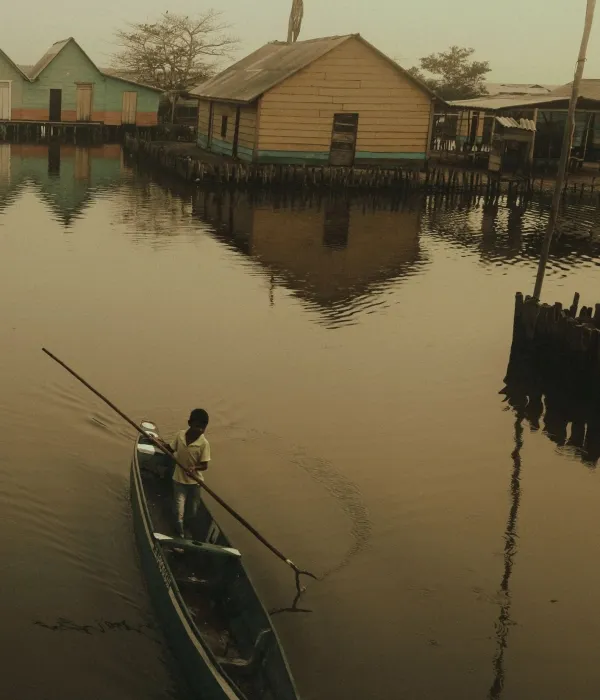
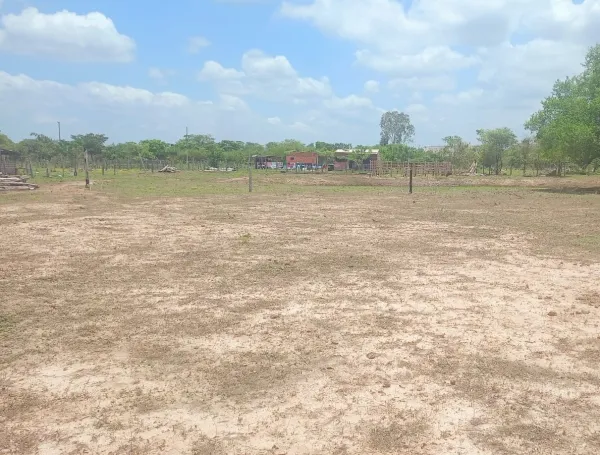
Santa Marta is facing a structural crisis. ESSMAR, the local utility, has initiated a temporary closure of the Manzanares River intake from Tuesday afternoons to Friday mornings. This measure is a direct response to a 10% to 15% reduction in the flow of the Manzanares and Piedras rivers. Beyond the urban center, the rural departments of the Caribbean are suffering immensely. In Bolívar, 40 of 46 municipalities have reported significant water shortages. With 15 municipalities currently on "red alert" and five having declared a state of public calamity, the regional government has been forced to scale up its fleet of tanker trucks (carrotanques) to provide life-sustaining water to thousands of people who have no other access.
The Santander Corridor
In the department of Santander, the situation is equally dire. Thirteen municipalities, including Vélez, Málaga, Barichara, and Socorro, are currently dependent on external water deliveries. The lack of adequate storage infrastructure has left these communities vulnerable, turning the daily arrival of a water truck into the most critical event of the day for local families.
Supporting Data: The Science of the Drought
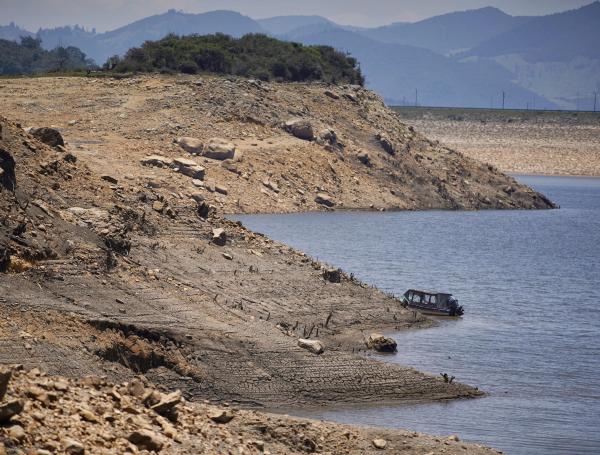
The core of the issue lies in the hydrological deficit. Carlos Jiménez, a professor at the Faculty of Engineering at the Universidad de La Sabana, emphasizes that we are in uncharted territory. "It is difficult to determine where the floor of this crisis is because we are at the mercy of unpredictable climatic variables," Jiménez explains.
The data confirms this concern:
- Reservoir Levels: The inability of rainfall to adequately recharge major reservoirs has left the national energy grid vulnerable. Since Colombia relies on hydroelectric power for over 70% of its electricity, the current water shortage carries a dual threat: thirst for the people and potential energy rationing for the industry.
- Economic Impact: The agricultural sector is suffering from the loss of pastures and water, leading to forced migration of livestock. Furthermore, the reliance on thermoelectric generation as a backup to hydro-power is expected to increase electricity costs significantly, putting additional pressure on the national economy.
- Capital Resilience: While Bogotá currently maintains a stable supply due to the robust storage capacity of the Chingaza system (Chuza and San Rafael reservoirs), experts warn that this is not a permanent shield. Should El Niño persist beyond its expected window, or if residents fail to maintain current conservation levels, the capital could face its own round of rationing in the coming months.
Official Responses and Strategic Planning
In response to the deteriorating conditions, the National Unit for Disaster Risk Management (UNGRD) has convened an emergency "Climate Variability Table." David Santiago Tamayo Roldán, the Director General of the UNGRD, has described the current efforts as a "Plan for Immediate Response to El Niño 2026-2027."

The strategy focuses on three pillars:

- Integrated Monitoring: Consolidating data from all territorial and technical entities into a unified, national-level response framework.
- Resource Allocation: Ensuring that the logistical capacity for water distribution (trucks, storage tanks, and pumping equipment) is distributed according to the severity of the local impact.
- Preparedness and Prevention: Strengthening the collaboration between the national government and local fire departments, which have been overwhelmed by a surge in forest fires—a direct consequence of the arid, drought-stricken landscape.
Long-term Implications: A Call to Resilience
The current crisis serves as a stark reminder of the vulnerability of Colombia’s water infrastructure to extreme climate events. As the country looks toward the next six months, the focus is not merely on surviving the current drought but on preparing for a future where such events may become the "new normal."

The implications are clear: the country must transition from reactive crisis management—relying on trucks and emergency cuts—to proactive infrastructure development. This includes the diversification of water sources, the protection of high-altitude ecosystems (páramos) that regulate water cycles, and a fundamental shift in urban water usage culture.

For now, the map of Colombia remains a mosaic of scarcity. From the dry riverbeds of the Caribbean to the rationed taps of the Andean cities, the nation remains on high alert. The success of the government’s 2026-2027 plan will depend not only on official policy but on the collective discipline of millions of citizens who are now, perhaps more than ever, acutely aware of the fragility of the water that flows from their taps. As the UNGRD continues to coordinate the emergency response, the message to the public remains consistent: conservation is no longer a suggestion, but a prerequisite for stability in a country facing its most significant climate challenge of the decade.