By Edwin Caicedo | Environmental and Health Correspondent
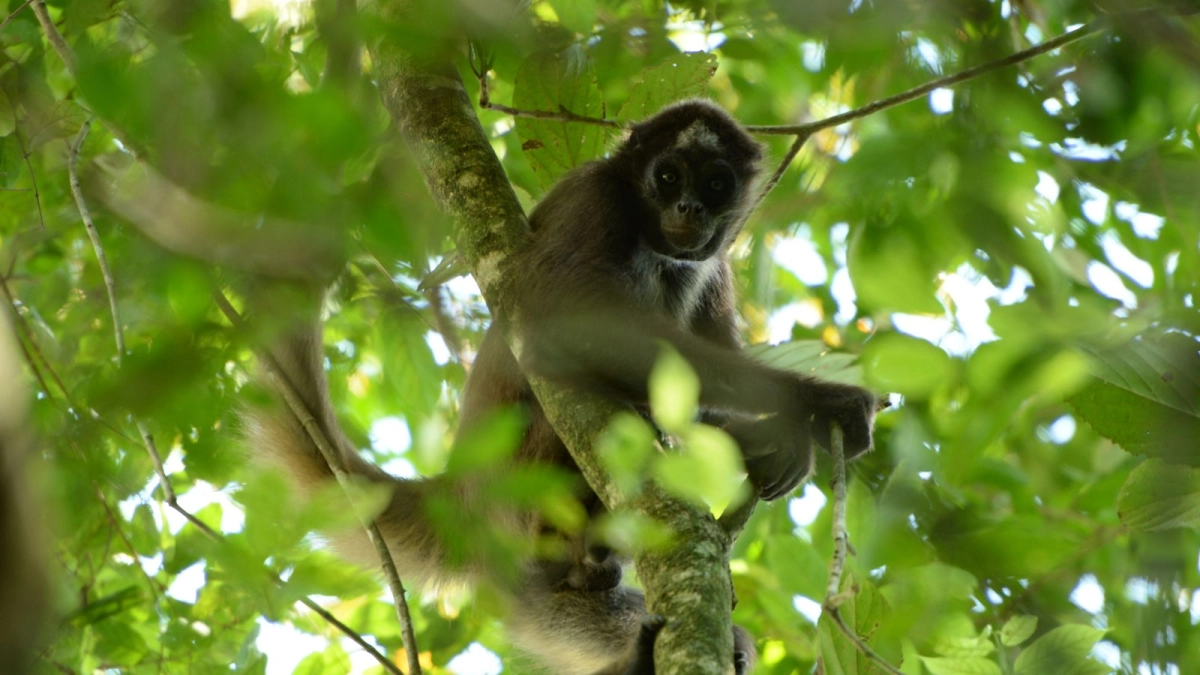
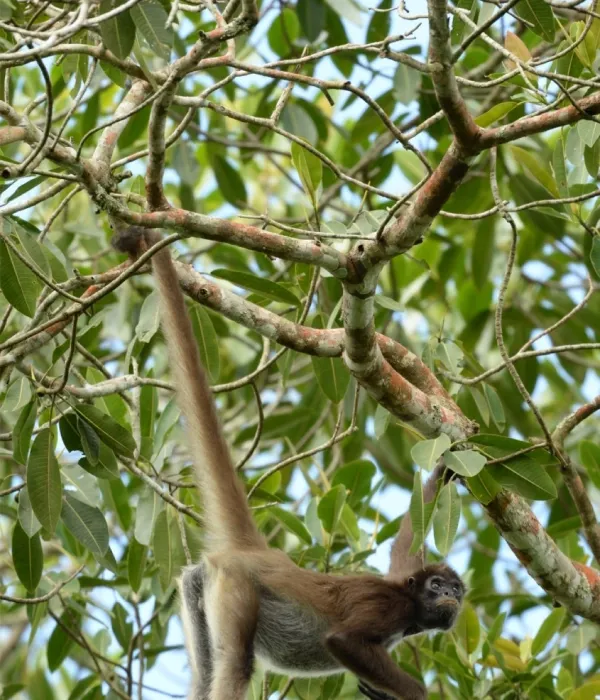
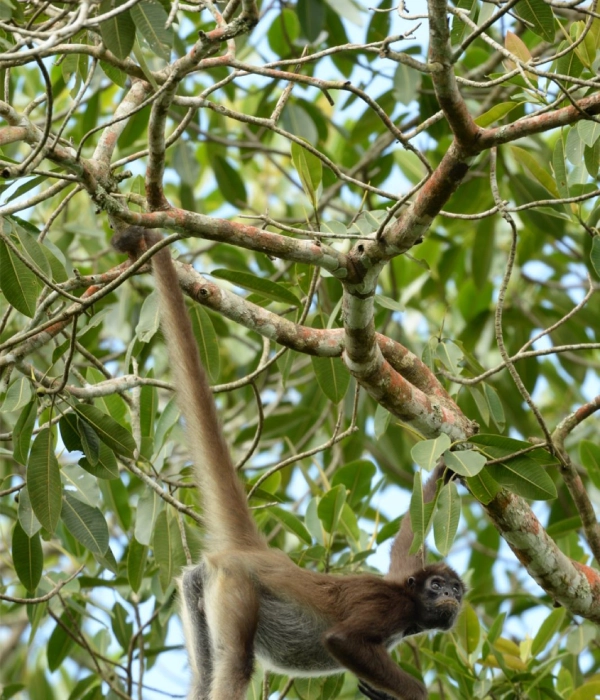
In the verdant landscapes of the Magdalena Medio region—a territory long defined by the complex tension between agricultural expansion and natural preservation—a remarkable biological transformation is taking place. The Magdalena spider monkey (Ateles hybridus), an elusive primate known locally as the "marimonda," is reclaiming territories from which it had been absent for years. This resurgence, mirrored by the return of the critically endangered blue-billed curassow (Crax alberti), serves as a powerful testament to the efficacy of community-led conservation agreements.

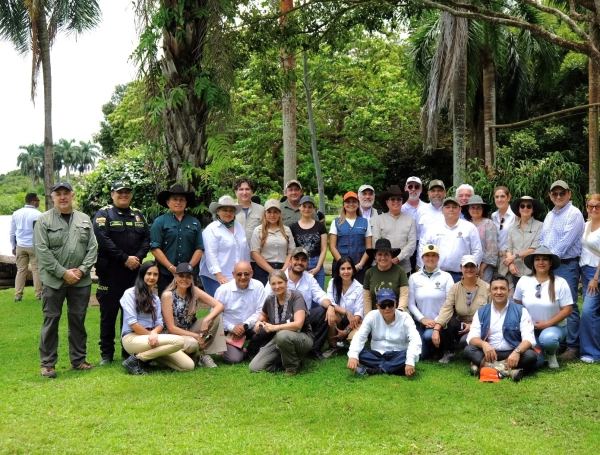
Data gathered by the "Proyecto Vida Silvestre" (PVS), an initiative led by WCS Colombia, provides compelling evidence that the tide is turning. By shifting from traditional land management to collaborative conservation, private landowners in Yondó (Antioquia) and Cimitarra (Santander) have created a mosaic of protected forests that act as vital lifelines for endangered biodiversity.
The State of the Species: A Crisis of Habitat and Survival
The return of these species occurs against a backdrop of severe ecological decline. According to the International Union for Conservation of Nature (IUCN), the Magdalena spider monkey has suffered an 80 percent reduction in its population, largely due to the relentless fragmentation of its habitat. As one of the world’s 25 most endangered primates, the "choibo"—as it is also known—faces constant threats from deforestation, illegal hunting, and the wildlife trade.
Similarly, the blue-billed curassow, an endemic species of Colombia, remains in a precarious position. With fewer than 1,000 adult individuals estimated to exist in the wild, the bird has been pushed to the edge of extinction. For years, the species was haunted by a harmful local myth—a belief that the bird accumulated gold particles in its throat—which spurred aggressive hunting. Today, as that myth fades, the bird is slowly recolonizing the forests of the Magdalena Medio, provided the forest structure remains intact.

Chronology of Recovery: A Decade of Data
The success of the PVS initiative is not anecdotal; it is backed by rigorous long-term monitoring. Between 2014 and 2015, the initial baseline studies revealed a bleak landscape: the marimonda was present in only 15 percent of the 100-hectare monitoring plots.
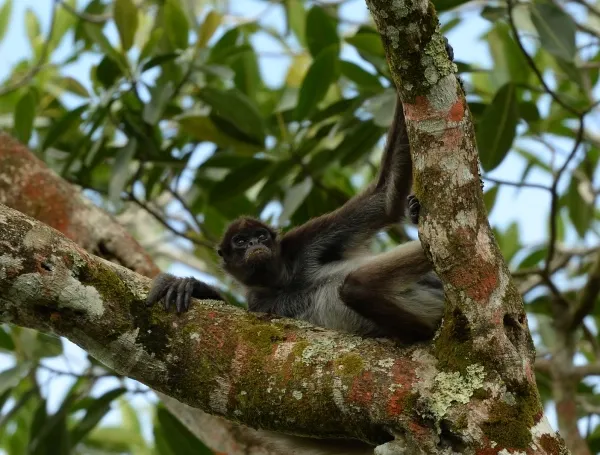
- 2016: Following the implementation of early conservation agreements, presence increased to 34 percent.
- 2017: The upward trend continued, with the species appearing in over 56 percent of the surveyed areas.
- 2020–Present: The presence of the primate has stabilized and climbed, consistently exceeding 65 percent.
This trajectory provides a clear indicator of success. Conversely, in neighboring properties that did not enter into conservation agreements, the return of both the marimonda and the blue-billed curassow remained below 10 percent, highlighting the direct correlation between active human intervention and biological recovery.
The Mechanics of Conservation: Why "Agreements" Work
At the heart of this success are "Conservation Agreements," a model that shifts the burden of environmental stewardship from the state to the individual landowner. These agreements essentially formalize a pact: in exchange for technical support and sustainable development guidance, landowners voluntarily dedicate specific portions of their properties to forest protection and restoration.
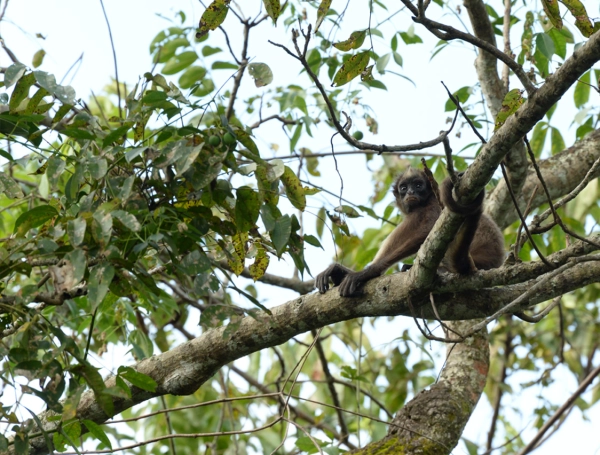
Leonor Valenzuela, coordinator of Analysis and Synthesis at WCS Colombia, notes that the success of this model lies in its pragmatic approach to the "production vs. conservation" dilemma. "The evidence shows that colonization increases as we expand areas under protection," says Valenzuela. "Especies that had completely vanished from certain estates are returning precisely because the primary threats—hunting and habitat loss—are being mitigated by the people who live there."
The strategy focuses on restoring ecological corridors. By connecting fragmented forest patches, PVS has enabled wildlife to move safely across a landscape dominated by cattle ranching. In total, ten corridors covering 15 hectares have been strategically restored, effectively linking nearly 1,000 hectares of forest. Remarkably, these corridors demonstrate that full-scale reforestation is not always necessary to achieve connectivity; strategic placement of native vegetation can serve as a sufficient highway for medium-to-large mammals and birds.
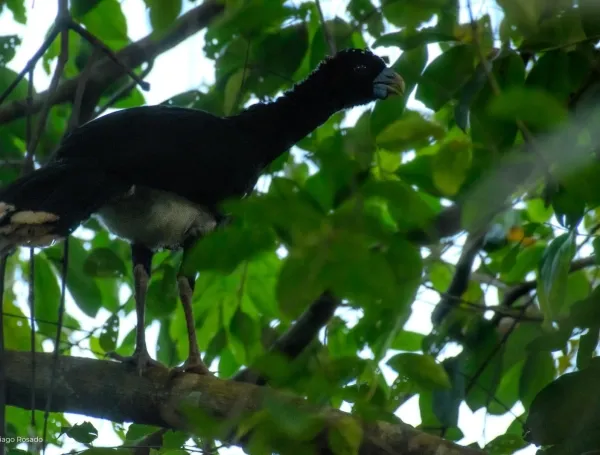
The Return of the Blue-Billed Curassow
The story of the blue-billed curassow is perhaps the most poignant aspect of this environmental recovery. A bird that requires high-quality, non-flooded, undisturbed forest, the Crax alberti is notoriously sensitive to human presence.
When the PVS began its work in 2014, the curassow was found in only 8 percent of surveyed areas. By 2016, that figure had risen to 19 percent, climbing to 32 percent by 2017, and maintaining a steady presence of over 34 percent since 2020. This data confirms that the curassow is not merely surviving but actively reoccupying territory.
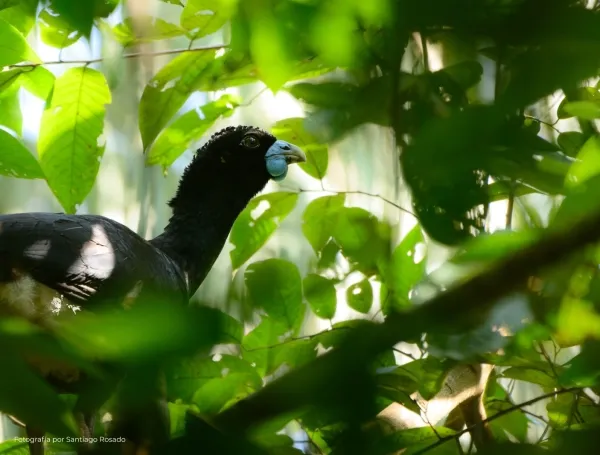
Perhaps most encouraging is the fact that in 56 percent of the estates where the bird had been declared locally extinct, it has since been documented returning. Researchers now estimate that if hunting pressure remains near zero in these key forest remnants, the species could see a survival outlook exceeding 100 years.
Implications for Future Policy
The implications of these findings extend far beyond the specific fauna of the Magdalena Medio. The study, conducted in collaboration with the Foundation Biodiversa Colombia and the Foundation Proyecto Primates, suggests that the "umbrella effect" of protecting these flagship species benefits the entire ecosystem.

By using cameras traps and 700 kilometers of transects, researchers identified 21 of the 32 vertebrate species expected in healthy reference forests. This indicates that when a landowner saves a forest for the marimonda, they are simultaneously protecting a host of other mammals, birds, and insects, thereby increasing the overall resilience of the Magdalena valley.

Toward a New Model of Rural Development
The work in Yondó and Cimitarra offers a blueprint for the future of Colombian rurality. It proves that the binary choice between "preserving nature" and "running a farm" is a false dichotomy. By redesigning the landscape—integrating forest strips into productive systems—landowners can act as the primary protectors of biodiversity without sacrificing their livelihoods.

As the Project Vida Silvestre prepares to expand its efforts to new rural sectors, the success of the past decade serves as a beacon. It reinforces the idea that even in the most transformed landscapes, the natural world possesses a profound capacity for resilience. With the right tools, the right incentives, and the commitment of local communities, the "lost" wildlife of the Magdalena can, and will, return home.

The path forward, according to the PVS researchers, is clear: move beyond the protection of isolated fragments and toward the creation of vast, interconnected landscapes where human production and wild existence can once again coexist in a delicate, yet sustainable, balance. The success of the marimonda and the blue-billed curassow is just the beginning of what could be a long-term recovery for one of Colombia’s most important, yet fragile, ecosystems.