

Washington D.C., July 16, 2026 – A severe outbreak of cyclosporiasis, a parasitic infection, has swept across the United States, sickening thousands and prompting a nationwide investigation. A key ingredient used by the popular fast-food chain Taco Bell has been identified as a potential source, with shredded iceberg lettuce supplied by Taylor Farms emerging as the primary suspect. The unfolding crisis has drawn significant attention from public health authorities and raised renewed concerns about food safety practices within the supply chain of major restaurant brands.
The current outbreak is unprecedented in recent years, with over 1,600 confirmed cases across 34 states since May 1st, and an additional 5,100 cases under investigation. Michigan has been particularly hard-hit, reporting more than 3,400 cases and over 100 hospitalizations as of Thursday. The Centers for Disease Control and Prevention (CDC) and the U.S. Food and Drug Administration (FDA) are actively collaborating with state health departments to trace the origin of the contamination.
The Unfolding Crisis: A Chronology of the Outbreak
The alarm bells began to ring in late spring, as state health departments, particularly in the Midwest, observed a sharp increase in cyclosporiasis cases. Symptoms, including severe watery diarrhea, abdominal cramping, and fatigue, prompted many individuals to seek medical attention.

Early Investigations and Suspicions:
By early July, health officials in Michigan had interviewed over 1,000 affected individuals. Their preliminary findings, widely reported by local media outlets such as WWJ, consistently pointed towards leafy green vegetables as a common denominator among patient diets. This early epidemiological link narrowed the focus of the investigation considerably.
Taco Bell’s Role Emerges:
As the CDC and FDA intensified their traceback efforts, the investigation began to zero in on specific food service establishments. According to The New York Post, which cited The Washington Post, two anonymous sources familiar with the ongoing probe revealed that shredded iceberg lettuce supplied to Taco Bell restaurants was frequently consumed by those who later fell ill. When the FDA queried Taco Bell about the source of their lettuce in affected regions, the chain identified Taylor Farms as the supplier for establishments in Michigan and three other states experiencing the highest concentration of cases: Ohio, West Virginia, and Kentucky.
Taco Bell’s Precautionary Measures:
In response to the escalating situation and the preliminary findings, Taco Bell took proactive steps. Several restaurants, particularly in the Detroit area, posted notices informing customers of a temporary halt in serving certain ingredients. These included lettuce, cilantro-onion mix, pico de gallo, and guacamole. In an official statement, Taco Bell affirmed that "the health and safety of its customers are its priority" and confirmed that it had "voluntarily and temporarily withdrawn some ingredients in selected restaurants as a precautionary measure while continuing to follow health guidelines." This move, though impacting menu options, was seen as a swift response to mitigate further potential exposure.

A Deeper Look: Supporting Data and Geographic Impact
The scale of the current cyclosporiasis outbreak is truly alarming, marking it as one of the largest in recent U.S. history.
National and Regional Scope:
The CDC’s data paints a stark picture:
- National: Over 1,600 confirmed cases across 34 states since May 1st, with an additional 5,100 cases under review. This figure already surpasses the 249 cases reported in all of 2025 and is approaching the record of approximately 4,700 cases seen in 2019.
- Michigan: The epicenter of the outbreak, with more than 3,400 reported cases and over 100 hospitalizations. The state’s health department has been at the forefront of the investigation, working closely with federal agencies.
- Other Affected States: Ohio, West Virginia, and Kentucky have also reported significant clusters of illness, pointing towards a common source or widespread contamination event impacting regional distribution networks.
The Ubiquity of the Suspected Supplier:
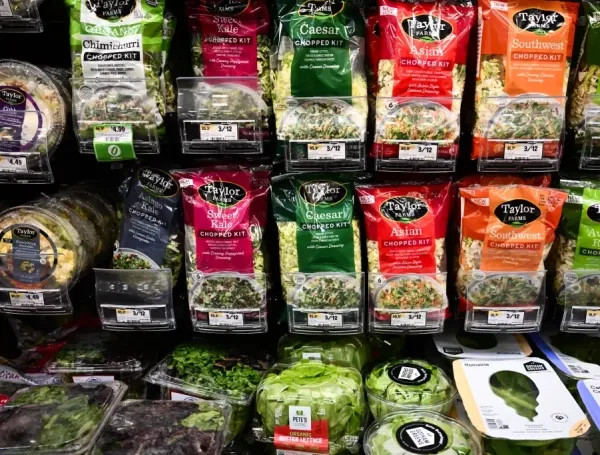
The identification of Taylor Farms as the likely source carries significant implications due to its extensive reach within the food industry. The New York Post highlighted that beyond Taco Bell, Taylor Farms also supplies produce to other major fast-food giants, including Burger King and McDonald’s. Furthermore, the company’s products, ranging from pre-packaged salads to fresh vegetables, are widely available in supermarkets across the country. This broad distribution network means that the potential for wider contamination, or at least a complex web of affected locations, remains a significant concern for public health officials.

Official Responses and Corporate Actions
The outbreak has prompted immediate and coordinated responses from governmental health agencies and the implicated food corporations.
FDA and CDC’s Investigative Stance:
The FDA and CDC have emphasized the complexity of tracing foodborne illness outbreaks, especially those involving fresh produce. Dr. Natasha Bagdasarian, the medical director of the FDA, confirmed that "lettuce appears recurrently in the investigation," but underscored that "no grower or supplier has been confirmed as the source" definitively. This cautious approach reflects the rigorous scientific process required to establish a conclusive link between a specific product, a supplier, and the pathogen. Their ongoing work involves comprehensive epidemiological studies, traceback investigations of food supply chains, and laboratory testing to isolate the parasite.
Taco Bell’s Commitment to Safety:
Taco Bell’s public statement reaffirmed its "priority" for customer health and safety. The voluntary and temporary removal of certain fresh ingredients from selected restaurants, including lettuce, cilantro-onion mix, pico de gallo, and guacamole, demonstrates a commitment to precautionary measures even as the investigation is ongoing. Such actions, while disruptive to operations, are crucial for protecting public health and maintaining consumer trust during a crisis. The company has pledged to continue monitoring health guidelines and cooperate fully with regulatory bodies.
Michigan’s Public Health Directives:
Given the severe impact on Michigan, the state’s health authorities have been proactive in issuing public health advisories. These recommendations have included practical advice for consumers on how to minimize risk when handling leafy greens, such as buying whole heads of lettuce instead of pre-washed bags, removing outer layers, and washing produce thoroughly under running water. Cooking vegetables is also advised as the safest method to eliminate potential pathogens. These guidelines aim to empower consumers with knowledge to protect themselves amidst the uncertainty of the ongoing investigation.
The Shadow of the Past: Taylor Farms’ History of Food Safety Concerns
The implication of Taylor Farms in the current cyclosporiasis outbreak is particularly concerning given its prior history of food safety incidents. This is not the first time the produce giant has faced scrutiny over contamination issues.
The 2020 E. coli Outbreak:
In 2020, Taylor Farms was linked to an E. coli outbreak that affected 104 people and resulted in one fatality. This previous incident was associated with onions supplied to McDonald’s restaurants. The traceback investigation at the time revealed significant lapses in food safety protocols. A subsequent inspection by the FDA uncovered "multiple deficiencies in the company’s food safety procedures," as reported by The New York Post. These deficiencies indicated systemic issues that could potentially compromise the safety of their widely distributed products.

Implications for the Current Investigation:
This past record adds a layer of gravity to the current cyclosporiasis investigation. It raises questions about whether previous corrective actions were sufficient or if persistent vulnerabilities exist within Taylor Farms’ operations. Regulators will undoubtedly be scrutinizing the company’s entire production and distribution process, from farm to fork, with increased intensity. For consumers, this history might erode trust in the brand and, by extension, in the broader food supply chain, particularly for fresh produce often consumed raw. The repeated involvement of a single supplier in significant foodborne illness outbreaks underscores the critical need for robust and continually updated food safety management systems throughout the industry.
Understanding Cyclosporiasis: A Public Health Explainer
The current crisis has brought cyclosporiasis, a relatively lesser-known foodborne illness compared to E. coli or Salmonella, into the national spotlight. Understanding this parasitic infection is crucial for public awareness and prevention.
What is Cyclosporiasis?
Cyclosporiasis is an intestinal illness caused by the microscopic parasite Cyclospora cayetanensis. Unlike bacteria or viruses, Cyclospora is a protozoan parasite, which makes it particularly challenging to eliminate through standard chemical disinfection methods like chlorine washes commonly used for produce. It is tan small that it can only be seen with a microscope, making detection difficult without specific laboratory tests.

Transmission and Contamination:
The primary mode of transmission is fecal-oral, meaning people become infected by consuming food or water contaminated with the feces of an infected person. In the United States, outbreaks are almost invariably linked to fresh produce, especially imported items, although domestic contamination can also occur. The parasite needs to mature outside the human body for one to two weeks to become infectious, meaning direct person-to-person spread is rare. However, once an environment (like a water source or agricultural field) is contaminated, the parasite can easily spread to produce during cultivation, harvesting, or processing. Raspberries, cilantro, basil, green onions, and various leafy greens have been implicated in past outbreaks due to their intricate surfaces where the parasite can hide and their common consumption raw.
Symptoms and Duration:
The most common symptom of cyclosporiasis is severe, watery diarrhea, which can be frequent and sometimes explosive. This can be accompanied by a range of other debilitating symptoms, including:
- Loss of appetite and weight loss
- Stomach cramps or bloating
- Nausea and occasional vomiting
- Low-grade fever
- Fatigue and malaise
Symptoms typically appear about one week after exposure, but the incubation period can vary. Without treatment, the illness can be prolonged, lasting from a few days to over a month, often characterized by relapsing episodes of diarrhea. While generally not fatal in individuals with healthy immune systems, the CDC reported that of the 1,645 confirmed cases in the current outbreak, 141 (9%) required hospitalization, underscoring the severity for some patients. No fatalities have been reported in this specific outbreak.

Diagnosis and Treatment:
Diagnosing cyclosporiasis requires a specific stool analysis. Routine stool tests often do not detect Cyclospora, so medical professionals must specifically request a test for the parasite. Sometimes, multiple stool samples are needed to confirm the diagnosis.
The standard treatment is the antibiotic combination trimethoprim-sulfamethoxazole (cotrimoxazole). For individuals allergic to sulfa drugs, alternative antibiotics such as ciprofloxacin or nitazoxanide may be prescribed. Rest and rehydration are also critical components of recovery, especially given the significant fluid loss from diarrhea.
Prevention Strategies:
Given the lack of a vaccine, prevention focuses on avoiding contaminated food and water. Public health agencies like the FDA and CDC offer several key recommendations:

- Thorough Washing: While washing produce thoroughly under running water can reduce the risk, it does not guarantee the elimination of Cyclospora, which is highly resistant to chemical disinfection. For leafy greens, Michigan authorities advise buying whole heads of lettuce, removing the outer two to three layers, and washing the remainder under strong running water.
- Cooking: Cooking vegetables is the most effective way to kill the parasite and is therefore the safest option.
- Travel Precautions: Individuals traveling to tropical or subtropical regions where cyclosporiasis is endemic should exercise extreme caution with food and water, avoiding untreated water, ice, and raw produce unless they can peel it themselves.
- Hand Hygiene: Consistent and thorough handwashing, especially after using the restroom and before handling food, is paramount.
Broader Implications for the Food Industry and Consumers
This widespread cyclosporiasis outbreak carries significant implications that extend beyond the immediate health crisis, impacting the food industry, regulatory frameworks, and consumer behavior.
Supply Chain Vulnerabilities:
The incident highlights the inherent vulnerabilities in complex global food supply chains. Fresh produce, often sourced from various regions and processed through multiple stages before reaching consumers, presents numerous points for potential contamination. The difficulty in tracing the exact source of contamination within such intricate networks underscores the need for greater transparency, robust traceability systems, and stricter oversight throughout the entire production and distribution process.
Consumer Trust and Behavior:
Repeated food safety incidents, particularly involving well-known brands and staple ingredients like lettuce, can significantly erode consumer trust. Consumers may become more wary of fresh produce, particularly in fast-food settings, and may opt for alternatives or demand more explicit assurances regarding food safety from restaurants and retailers. This shift in consumer behavior can have long-term economic consequences for the affected companies and the wider agricultural sector.

Regulatory Scrutiny and Enforcement:
The severity and scale of this outbreak will undoubtedly lead to intensified regulatory scrutiny. The FDA and state health departments may review existing food safety regulations, enforcement mechanisms, and inspection protocols, especially for suppliers with a history of non-compliance like Taylor Farms. There could be calls for more stringent testing requirements, mandatory implementation of advanced food safety technologies, and potentially heavier penalties for negligence.
Challenges in Outbreak Tracing:
Foodborne illness outbreaks, particularly those caused by parasites like Cyclospora, present unique challenges for public health investigators. The parasite’s resilience to common disinfectants, its microscopic size, and the often-delayed onset of symptoms make it difficult to pinpoint the exact moment and location of contamination. This complexity emphasizes the importance of rapid reporting, advanced laboratory diagnostics, and collaborative efforts between federal, state, and local health agencies.
Conclusion
The current cyclosporiasis outbreak, potentially linked to a key ingredient in Taco Bell’s menu and supplied by Taylor Farms, serves as a stark reminder of the continuous challenges in ensuring food safety. As thousands across the United States battle the debilitating effects of this parasitic infection, the ongoing investigation by the CDC and FDA is critical to definitively identify the source, implement lasting preventative measures, and restore public confidence.

While Taco Bell has taken precautionary steps by temporarily removing certain ingredients, the broader implications for the food industry, particularly concerning supplier accountability and the integrity of the fresh produce supply chain, are profound. For consumers, vigilance, informed choices, and adherence to public health recommendations remain essential in navigating this evolving health concern. The lessons learned from this outbreak will undoubtedly shape future food safety policies and practices, aiming to prevent such widespread illnesses from recurring.