By Global Environmental Desk
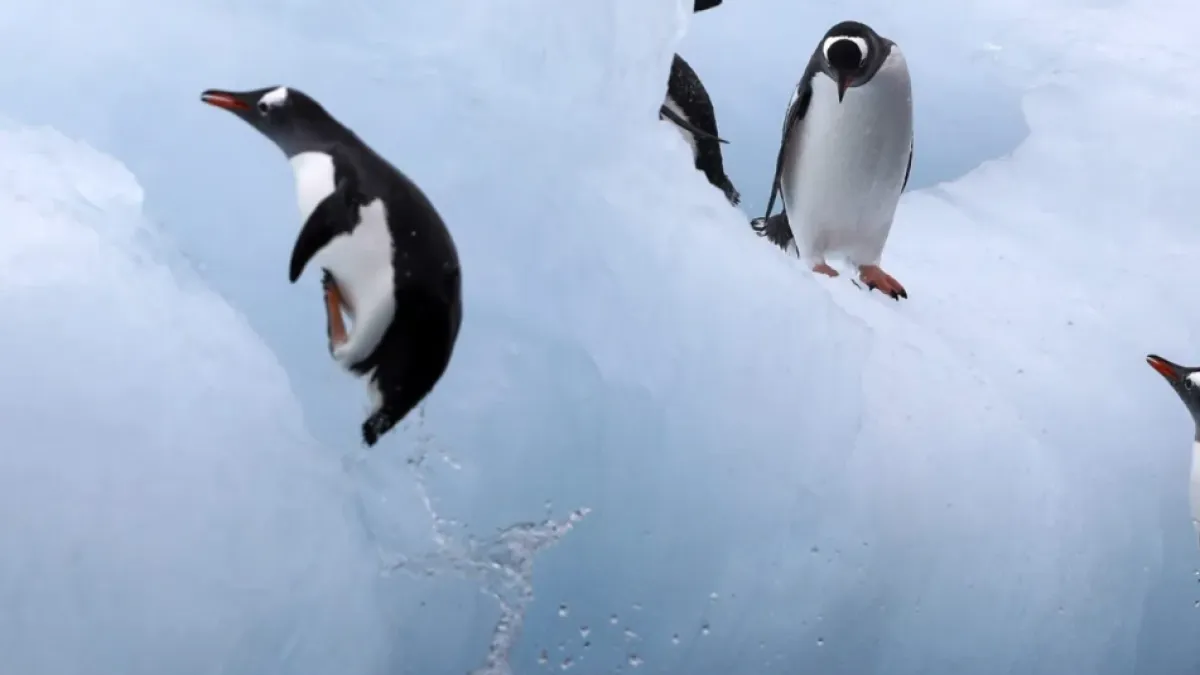
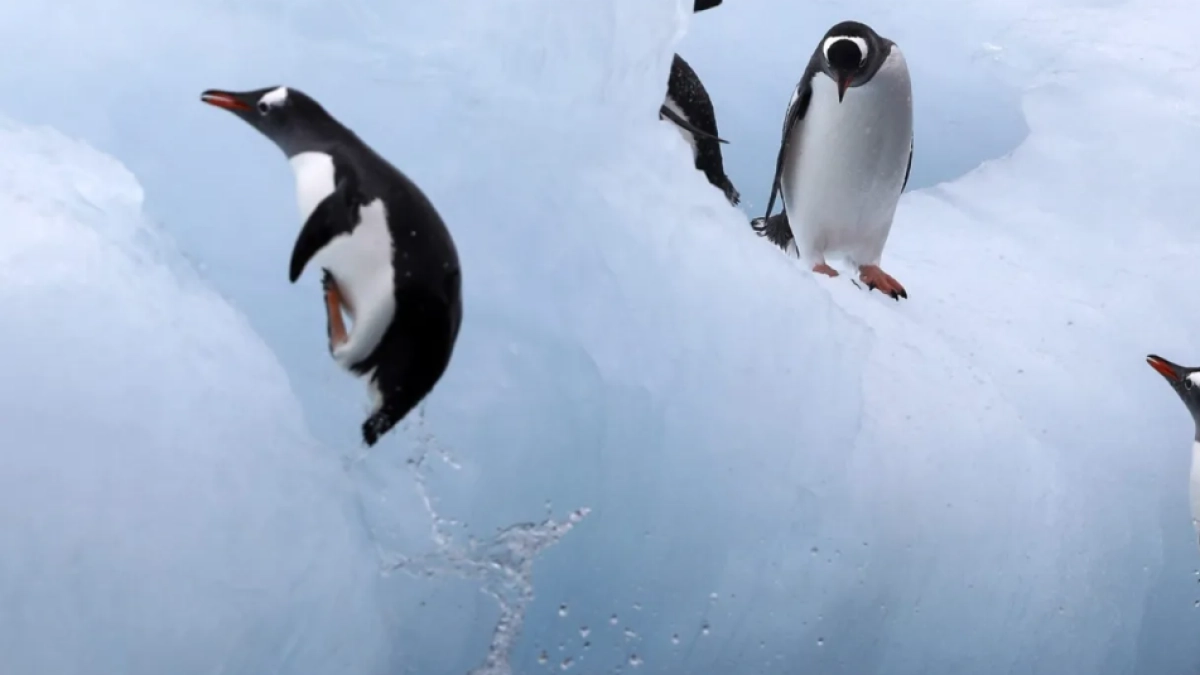
In the desolate, windswept reaches of the Southern Ocean, a biological catastrophe of historic proportions is unfolding. Zavodovski Island, a volcanic outpost in the South Sandwich archipelago, was long celebrated as the crown jewel of avian biodiversity—a place where the sheer scale of life was once beyond comprehension. For years, it held the title of the largest penguin colony on Earth. Today, however, that title is fading into history as scientists document a staggering 63% decline in the occupied nests of the chinstrap penguin (Pygoscelis antarcticus).
This dramatic shift is not merely a localized event; it is a bellwether for the health of our oceans. Researchers from the British Antarctic Survey (BAS) have issued a stark warning: climate change is fundamentally altering the Antarctic ecosystem, triggering a domino effect that threatens the survival of species long thought to be masters of their frozen domain.
The Magnitude of the Collapse: Key Facts and Findings
The data, recently published in the prestigious journal Current Biology, paints a sobering picture of ecological instability. Between 2011 and 2025, the number of active chinstrap penguin nests plummeted by more than half. To put this in perspective, in 2011, experts estimated that roughly 600,000 chinstrap penguins and 90,000 macaroni penguins nested on the island. Zavodovski was, at that time, a living, breathing testament to the productivity of the Southern Ocean.
The decline is not a sudden, violent event, but a steady, inexorable erosion of a population. Over the last 14 years, the nesting grounds—once densely packed with thousands of squawking, breeding pairs—have grown increasingly quiet. This shift represents one of the most profound modifications in community composition ever documented in a single location within the Antarctic region.
Chronology of an Ecological Shift
The investigation into the decline of Zavodovski’s penguin population required a Herculean effort. Reaching the island, which is widely considered one of the most difficult and hazardous locations on the planet for field research, took 15 days of grueling navigation.

- 2011: Baseline surveys identified Zavodovski as the largest penguin colony on the planet, with a thriving population of 600,000 chinstrap penguins.
- 2011–2016: Preliminary observations indicated a gradual, concerning trend of nest abandonment.
- 2016: A significant volcanic eruption occurred on the island’s Mount Curry (also known as Mount Asphyxia). While researchers initially hypothesized that the eruption might have displaced the birds, data confirmed that the decline had begun years earlier and persisted long after the volcanic activity subsided.
- 2025: The final synthesis of data, utilizing high-resolution drone imagery and satellite telemetry, confirmed the 63% reduction, forcing the scientific community to look beyond localized disasters toward systemic climate-driven factors.
The "Kril Crisis" and Ocean Warming
At the heart of this decline lies the fate of the Antarctic krill (Euphausia superba). These small, shrimp-like crustaceans are the foundation of the entire Southern Ocean food web. Chinstrap penguins are specialists; they rely heavily on krill, which thrive in cold, ice-covered waters.
As ocean temperatures continue to rise due to global climate change, the distribution of krill is shifting. "With the warming of the waters, the krill has moved toward the south," explains Professor Norman Ratcliffe, who led the research. This migration creates a geographical trap for the chinstrap penguins. Unlike some other predators that can range across vast distances, the penguins are constrained by the necessity of returning to land to breed and care for their chicks. If the krill are too far away, the energy cost of foraging becomes unsustainable, leading to reproductive failure and adult mortality.
A Tale of Two Species: Winners and Losers
One of the most intriguing aspects of the study is the divergent fate of the island’s penguin residents. While the chinstrap population has cratered, the macaroni penguin population on the same island has remained stable, or in some areas, even increased.
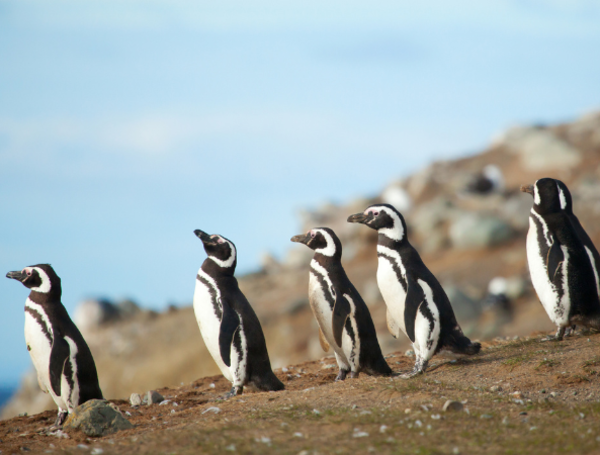
Why the difference? The answer appears to lie in dietary flexibility. Unlike their chinstrap counterparts, macaroni penguins possess a more varied diet. Tracking data revealed that while chinstraps were struggling to find food in their traditional hunting grounds, the macaroni penguins were venturing further afield to warmer waters to the northeast, supplementing their diet with a broader range of fish and crustaceans.
This contrast underscores a harsh reality of the Anthropocene: in a rapidly changing environment, specialized species are at a significant disadvantage compared to their more generalist cousins.
Investigating External Factors: Volcanoes and Whales
To ensure their conclusions were robust, the research team examined every possible variable. Could the volcano be to blame? While the eruption of Mount Curry was undeniably disruptive, it does not explain the long-term trend. The population decline was already well underway before the 2016 eruption, suggesting that the geological activity was a secondary stressor rather than the primary cause of the collapse.

Another hypothesis was competition with humpback whales, which also consume massive quantities of krill. However, scientists noted that whales are actually integral to the ecosystem, as they fertilize the ocean with nutrient-rich waste that stimulates the growth of the phytoplankton upon which krill feed. Thus, the presence of whales is a sign of a healthy ecosystem, not a cause of penguin decline. All evidence consistently points back to the anthropogenic warming of the oceans as the primary driver.
The Future of Antarctic Stewardship
The implications of this study are profound. The research team has suggested that the chinstrap penguin may soon need to be formally classified as an endangered species. The loss of such a large colony is not just a tragedy for the species itself, but a red flag for the entire Southern Ocean ecosystem.
With Zavodovski Island no longer holding the title of the world’s largest colony, that distinction has shifted to Cape Adare in the Ross Sea—over 5,000 kilometers away on the opposite side of the continent. The migration of this "title" is purely mathematical; it does not mean the birds have moved there, but rather that the habitat elsewhere is becoming untenable.
Scientific Methodology: The Tech Behind the Discovery
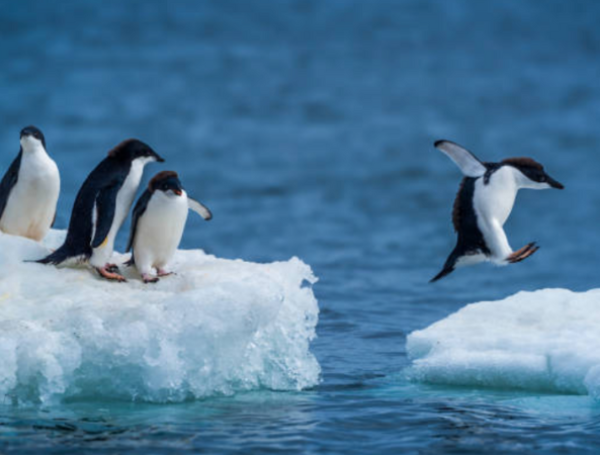
The study relied on cutting-edge technology to achieve accuracy in one of the world’s most inhospitable environments:
- Drone Surveys: High-resolution aerial photography allowed researchers to count nests without disturbing the colonies.
- Satellite Imagery: Historical data comparison allowed for a multi-year analysis of nesting site density.
- Telemetry: GPS-enabled trackers placed on 20 penguins provided real-time data on their foraging paths, proving that they were traveling to warmer, food-depleted waters.
A Call for Global Action
The transformation of Zavodovski Island serves as a grim warning. The delicate balance that has sustained Antarctic life for millennia is being disrupted by human-induced climate change. The disappearance of these penguins is not just a loss of biodiversity; it is a loss of a critical component of the global climate regulatory system.
As we look toward the future, the scientific community emphasizes the need for stricter protections for the Southern Ocean, including the expansion of marine protected areas and more robust monitoring of krill fishing quotas. If we continue to ignore the warning signs displayed by the chinstrap penguin, we risk losing one of the most iconic and resilient creatures of the frozen continent to the rising heat of our changing world.

This report was produced with the assistance of artificial intelligence, synthesizing publicly available scientific data. It has been reviewed and edited by members of our environmental journalism team.