By Camilo Andrés Peña Castañeda(Enriched English Adaptation) Special coverage from Malta
Main Facts
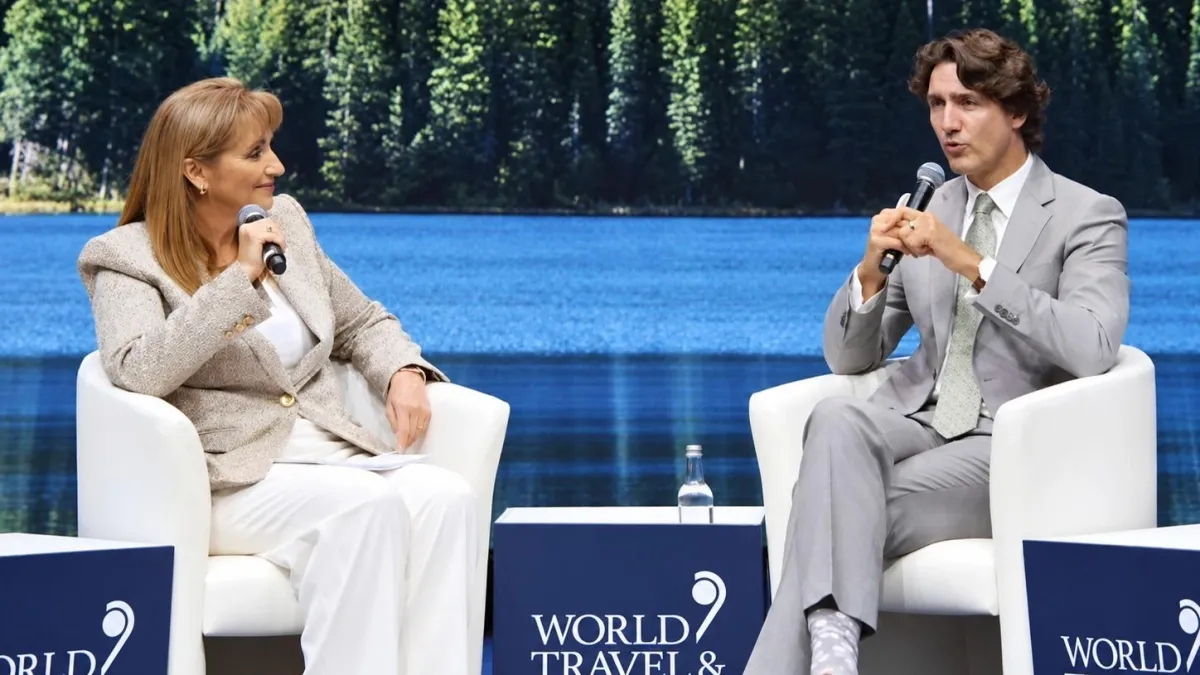
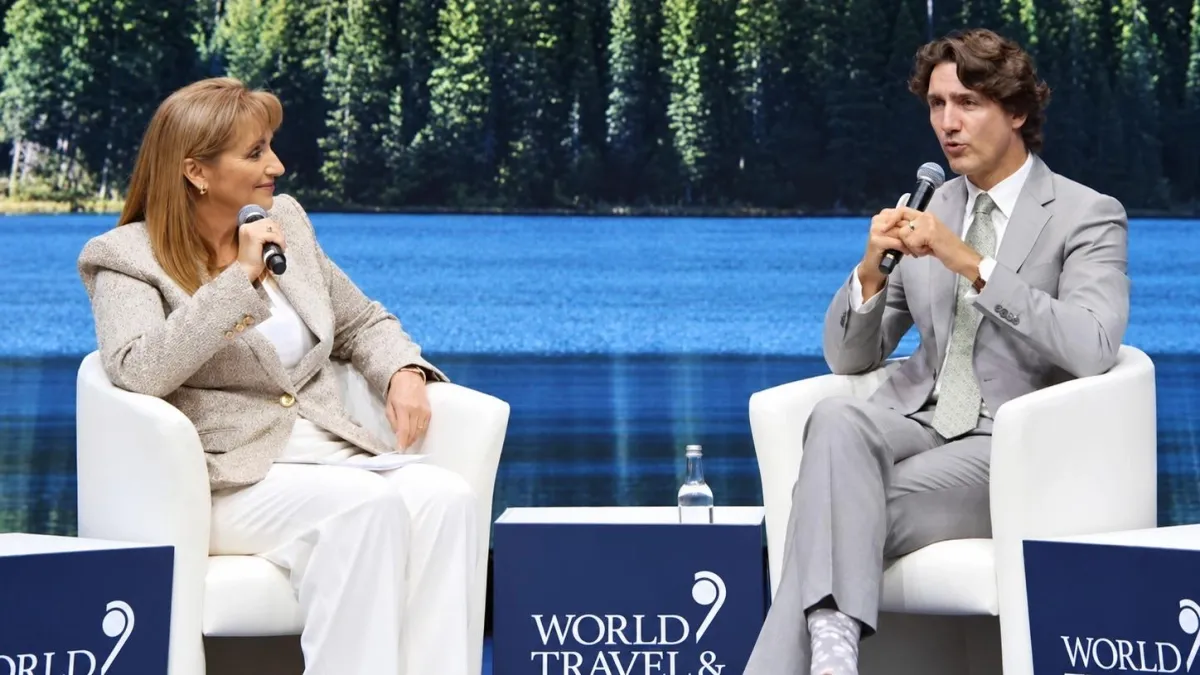
The intersection of international politics and the global travel industry took center stage during a high-profile keynote dialogue at the World Travel & Tourism Council (WTTC) Global Summit in Malta. Justin Trudeau, the former Prime Minister of Canada, delivered a compelling address alongside Gloria Guevara, President and CEO of the WTTC, dissecting how diplomatic friction, fractured bilateral relations, and shifting national reputations directly impact tourism economies worldwide.
Trudeau emphasized that a destination’s appeal extends far beyond its natural landscapes, competitive pricing, or modern infrastructure. Crucially, it relies heavily on geopolitical stability, a welcoming cultural ethos, and the overarching reputation of the host country. Highlighting concrete examples, such as the friction in Canada-United States relations resulting from shifting political rhetoric and heightened border controls, Trudeau noted a dramatic decline of over 20 percent in Canadian leisure travel to the United States.
Furthermore, the conversation addressed the systemic undervaluation of the tourism sector by governments globally. Despite acting as an economic powerhouse and a vital engine for job creation—particularly for youth—tourism is frequently taken for granted. Trudeau advocated for robust public policies, targeted infrastructure investment, and intentional governmental backing to safeguard the resilience of the travel economy amid compounding global uncertainties.
Chronology of Events
October 7, 2026: The WTTC opens its annual global congress in Malta, establishing core industry priorities centred around safe travel, managing destination saturation, and navigating ongoing economic and geopolitical volatility.
October 8, 2026: Panel discussions and briefings at the summit focus heavily on the integration of cutting-edge technologies, such as artificial intelligence, into the workforce, projecting nearly 91.89 million employment opportunities within the global tourism sector.
October 9, 2026: Justin Trudeau takes the stage in Malta for a headline conversation with WTTC Chief Executive Gloria Guevara. During the session, the former prime minister reflects on his tenure, analyzes the tangible impact of political disputes on cross-border travel patterns, and underscores the irreplaceable value of physical, face-to-face diplomacy.
Long-Term Horizon: Industry leaders attending the summit integrate Trudeau’s insights into strategic frameworks for emerging tourist hotspots—including growing destinations like Colombia—emphasizing that trust, reputation, and proactive diplomacy must underpin tourism development goals.
Supporting Data & Industry Metrics
The dialogues in Malta were underpinned by critical macroeconomic data reflecting the current state and future trajectory of the global travel and tourism landscape:
Employment Projections: The tourism sector continues to serve as one of the world’s largest employment drivers, with recent industry estimates projecting approximately 91.89 million jobs worldwide amid digital transformation and the integration of artificial intelligence.
Bilateral Travel Shifts: Citing the real-world consequences of diplomatic strain, Trudeau pointed to a measurable drop exceeding 20 percent in travel volume from Canada to the United States. This decline was directly linked to political rhetoric and growing friction over border security measures.
Governmental Frameworks: During his time in office, the Canadian administration established a dedicated Ministry of Tourism, allocating federal funds to targeted infrastructure projects and international promotional campaigns to maintain competitiveness.
Global Summits: Historical frameworks like the G7 and G20 forums serve as testaments to the necessity of physical attendance and relationship-building, proving that digital communications cannot entirely replace the trust fostered through in-person interactions.
Official Responses and Perspectives
The high-level exchange between Justin Trudeau and Gloria Guevara yielded profound insights into how political figures and industry executives view the vulnerability and potential of global tourism.
Justin Trudeau: Beyond the Postcard
Reflecting on his time leading Canada through various geopolitical shifts, Trudeau was candid about the direct repercussions of political posturing on everyday economic sectors.
“There are consequences,” Trudeau warned, addressing how political decisions that actively deteriorate bilateral relationships ultimately choke off the free flow of travellers. “It’s also about reputation, the atmosphere you feel in a place, whether people feel welcomed or not.”
Trudeau also addressed the tendency of governments to treat the tourism industry as an autonomous machine that requires no maintenance.
“Tourism is frequently taken for granted,” he noted, explaining that public administrators often operate under the assumption that visitors will arrive indefinitely without requiring deliberate strategic investment, unlike manufacturing or technology sectors.
Reflecting on his personal history prior to entering politics—working variously as a camp counsellor, white-water rafting guide, and hospitality worker—Trudeau emphasized the formative role tourism jobs play in shaping resilient societies. These roles, he argued, teach young people essential conflict resolution and interpersonal skills.
Gloria Guevara: Advocating for Recognition
As the head of the WTTC, Gloria Guevara voiced the collective frustration of millions of tourism operators worldwide. She highlighted the persistent disconnect between the industry’s immense contribution to global gross domestic product (GDP) and employment, and the disproportionately low level of institutional recognition and financial support it receives from state actors. Guevara steered the conversation toward practical solutions, pushing for structural policies that safeguard travel freedom and enhance security without dampening the visitor experience.
Global Implications and Strategic Takeaways
The reflections shared in Malta extend far beyond North American politics or European summit halls. They offer a blueprint for emerging and established destinations worldwide—including rapidly developing markets like Colombia—that are striving to capture a larger share of international travellers.
1. Reputation as Currency
A pristine beach or a world-class historical site is no longer sufficient to guarantee high visitor numbers. In an era defined by rapid information flow and heightened socio-political sensitivities, a nation’s global reputation, human rights record, and diplomatic posture act as primary filters for prospective travellers. Destinations must couple marketing campaigns with genuine hospitality and stable international relations.
2. The Danger of Complacency
Governments must pivot away from taking tourism for granted. As Trudeau illustrated through Canada’s proactive policy models, sustainable growth requires institutional backing, dedicated ministries, infrastructure development, and protective measures during crises.
3. The Irreplaceable Value of Human Connection
Even as artificial intelligence, automated booking systems, and digital nomads reshape the operational parameters of travel and business, the core of tourism remains deeply human. Whether through diplomatic negotiations at international summits or the personal exchanges between a local guide and a foreign visitor, face-to-face interaction remains the ultimate builder of trust and mutual understanding.
4. Leadership and Long-Term Vision
Concluding his remarks on political leadership, Trudeau offered a universal truth applicable to both governance and corporate strategy: leaders must look past short-term popularity polls and immediate approval ratings. True leadership requires capitalising on political mandate to enact tough, forward-thinking reforms that secure economic prosperity and social cohesion for decades to come.
For travellers seeking inspiration, Trudeau’s closing advice pointed back to his roots: Montreal, a cultural crucible defined by rich arts, diverse gastronomy, and vibrant festivals. Yet, for the global leaders listening in Malta, the overarching takeaway was far more expansive—tourism is not merely an economic sector, but the very fabric that connects a fractured world.
By Gabriel García Published: September 15, 2026 Main Facts: The Hidden Message Behind Inappropriate Elimination For centuries, domestic cats have earned a reputation as impeccably clean, low-maintenance companions. Yet, one of the most common and…
Analysis — Beneath the optimistic statistics of rising national coverage lies a deeply troubling reality: hundreds of thousands of vulnerable children in Colombia are going without school meals, even as budgets increase and total student…
By Angie Rodríguez | Travel & Trends Desk Published: October 5, 2026 For families across Colombia, the upcoming Semana de Receso (October Recess) stands out as a prime opportunity to escape routine, embark on a…