By Gabriel García
Published: September 15, 2026
Main Facts: The Hidden Message Behind Inappropriate Elimination
For centuries, domestic cats have earned a reputation as impeccably clean, low-maintenance companions. Yet, one of the most common and friction-filled challenges pet parents face is when their feline friend suddenly stops using the designated litter box.
While it is easy to view this behavior as stubbornness, spite, or a mere behavioral nuisance, veterinary experts emphasize that a cat urinating or defecating outside its box is almost always sending a distress signal. Whether rooted in an undetected medical ailment, high-stress environments, or a simple aversion to the texture and placement of the sand, inappropriate elimination is a cry for help.
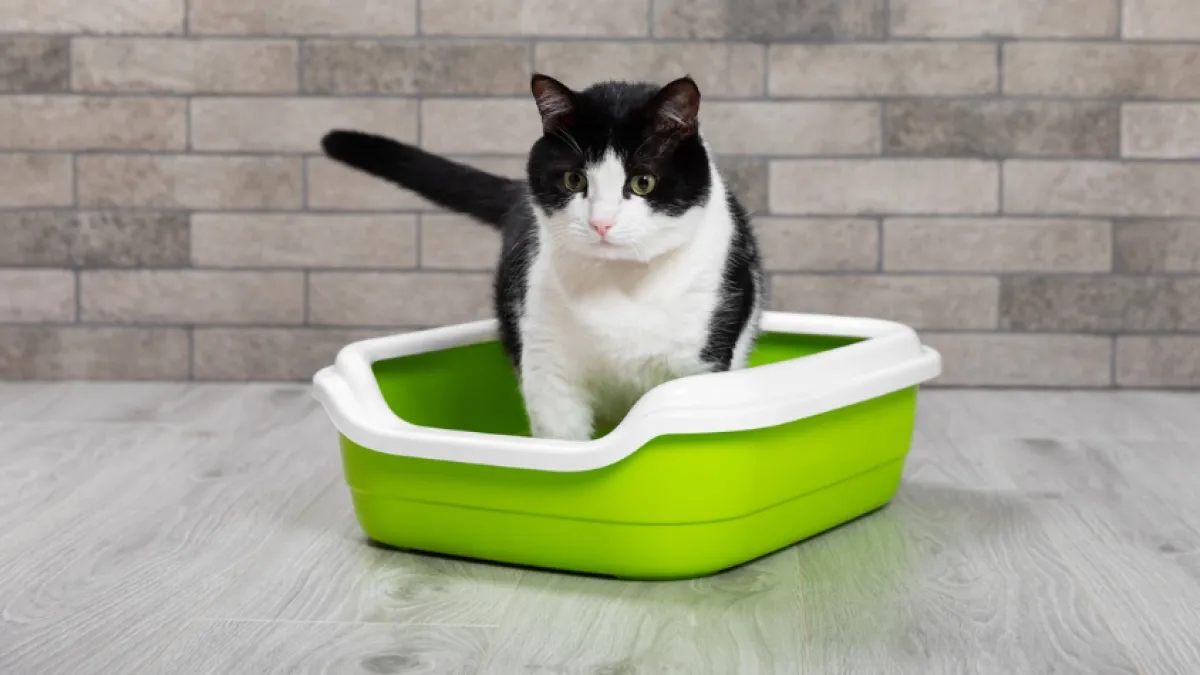
The sudden onset of this behavior—particularly in adult cats—requires a systematic investigative approach. Pet parents must look past the frustration of soiled carpets or furniture and evaluate everything from biological health and joint pain to the cleanliness, size, and location of the litter tray.
Chronology: Understanding the Feline Mind and Evolutionary Habits
To understand why a cat rejects its litter box, one must first look backward through evolutionary history and examine the unique physiological design of the modern domestic cat (Felis catus).
- Ancestral Survival Instincts: Unlike dogs, which evolved as cooperative pack hunters accustomed to fluid routines, cats descended from solitary desert-dwelling predators. These evolutionary origins instilled a deep-seated resistance to sudden environmental changes, including shifts in elimination spots.
- The Hydration Paradox: Because their ancestors survived on minimal moisture obtained strictly through prey, modern cats retain a naturally low thirst drive and rarely drink from standing water bowls. Their bodies are engineered to heavily concentrate urine to conserve water, making them uniquely predisposed to lower urinary tract diseases.
- The Masking of Vulnerability: As prey-predator hybrids, cats are hardwired to mask physical discomfort or pain as a survival mechanism. They rarely express distress overtly until an illness has reached an advanced, highly painful stage.
- The Timeline of Rejection: When a cat begins eliminating outside the box, the progression usually follows a hidden timeline. It often starts with micro-behavioral changes—such as hesitating before entering the box, straining, or spending less time covering waste—weeks before full-scale avoidance begins. By the time a tutor notices a puddle on the floor, the underlying physical or psychological trigger has typically been festering for some time.
Supporting Data: What Science and Veterinary Guidelines Tell Us
Recent veterinary studies and global consensus guidelines have shed light on the exact parameters that govern feline bathroom habits. Understanding these metrics can help owners transform a frustrating household problem into a solvable puzzle.

1. Medical Roots: Pain and Pathologies
According to the Feline Care Consensus Guidelines, subtle behavioral shifts are often the primary indicators of systemic illness. Inappropriate elimination is frequently linked to:
- Lower Urinary Tract Diseases (FLUTD): Conditions such as feline interstitial cystitis, uroliths (bladder stones), and bacterial infections.
- Metabolic Disorders: Diseases like diabetes mellitus, which dramatically increases urine output and urgency.
- Gastrointestinal Distress: Chronic constipation or diarrhea that makes the act of eliminating painful or rushed.
- Osteoarthritis: Degenerative joint disease, particularly in senior cats. A 2025 study highlighted that arthritic cats frequently reject boxes with high entry thresholds because stepping over the edge or squatting causes acute joint pain.
2. Environmental and Spatial Preferences
Once medical conditions are ruled out by a veterinarian, science points directly to spatial and tactile preferences. A landmark study published in the Journal of Veterinary Medical Sciences evaluated 78 cats to determine their preferences regarding litter box dimensions and substrates.
- Box Size Matters: The study revealed an overwhelming preference for larger litter boxes measuring 50 centimeters or more. Veterinary guidelines now recommend that a litter box should measure 1.5 times the length of the cat (from the tip of the nose to the base of the tail). This allows the animal to comfortably enter, turn around, dig, posture, eliminate, and exit without brushing against walls or feeling trapped.
- Substrate Specifications: Cats favor fine-grained, clumping clay litters. Ideal substrates should feature low dust levels, strong odor control, non-toxic compositions, and a texture that does not stick stubbornly to paws or fur while effectively trapping liquid and solid waste.
Official Responses: Insights from Global Feline Health Associations
Leading veterinary bodies across the globe have established rigorous standards to help pet owners address and prevent inappropriate elimination. Organizations such as the American Association of Feline Practitioners (AAFP) and the International Society of Feline Medicine (ISFM) emphasize that management requires a holistic strategy combining medical diagnostics with environmental enrichment.

The Golden Rule of Litter Box Math
According to global veterinary consensus, the golden rule for multi-cat and single-cat households alike is straightforward: one litter box per cat, plus one additional box.
Furthermore, these boxes cannot be clustered together in a single utility room or dark basement. Because elimination is an act of extreme biological vulnerability, cats require privacy, safety, and multiple escape routes. Placing boxes in quiet, low-traffic areas of the house with easy access prevents territorial guarding and inter-cat aggression, which are major drivers of stress-induced elimination.
The Standard of Cleanliness
Both the AAFP and ISFM stress that hygiene is non-negotiable. Litter boxes should be scooped at least once daily—preferably twice—and completely emptied, washed, and refilled with fresh substrate every couple of weeks. For a cat with an acute sense of smell, even a single previous deposit can render a box unappealing, forcing them to seek cleaner alternatives like rugs, couches, or bathtubs.

Implications: Differentiating Elimination from Marking, and Next Steps
One of the most critical diagnostic distinctions a pet parent—and their veterinarian—must make is whether the cat is engaging in inappropriate elimination or urine marking (territorial spraying). Misdiagnosing the two can lead to failed interventions and prolonged household stress.
How to Tell the Difference:
- True Elimination: The cat adopts a classic, low-to-the-ground posture, squatting on a horizontal surface (such as a floor, bed, or rug) to deposit a full volume of urine or feces.
- Urine Marking: The cat remains standing, lifts and quivers its tail, and projects a small jet of urine backward onto a vertical surface (such as walls, doors, or furniture legs). This behavior is driven by territorial anxiety, stress, or sexual signaling, and can occur in both sterilized and unsterilized animals.
Implications for Pet Parents
Ignoring or punishing a cat that is eliminating outside its box is not only ineffective; it actively worsens the problem. Punishment increases anxiety, which intensifies the underlying stress-induced behaviors or medical vulnerabilities.
The path forward requires a systematic checklist:

- Schedule a Veterinary Exam: Always rule out urinary tract infections, diabetes, or arthritis first through urinalysis, blood panels, and physical evaluations.
- Upgrade the Hardware: Transition to larger, open-style litter boxes that match your cat’s physical dimensions.
- Optimize the Substrate: Choose low-dust, clumping litters and avoid heavily perfumed commercial products that overwhelm a cat’s sensitive olfactory system.
- Increase Box Count and Improve Location: Distribute quiet, accessible boxes across different levels of the home, respecting the "n+1" rule.
- Maintain Rigorous Cleaning Schedules: Commit to daily scooping to honor your cat’s instinctual need for cleanliness.
By approaching the issue with empathy, scientific backing, and professional medical guidance, pet parents can restore harmony to the home and ensure their feline companion lives a comfortable, pain-free life.