By: SEO Analyst & Home Improvement Desk Published: September 18, 2026
Main Facts
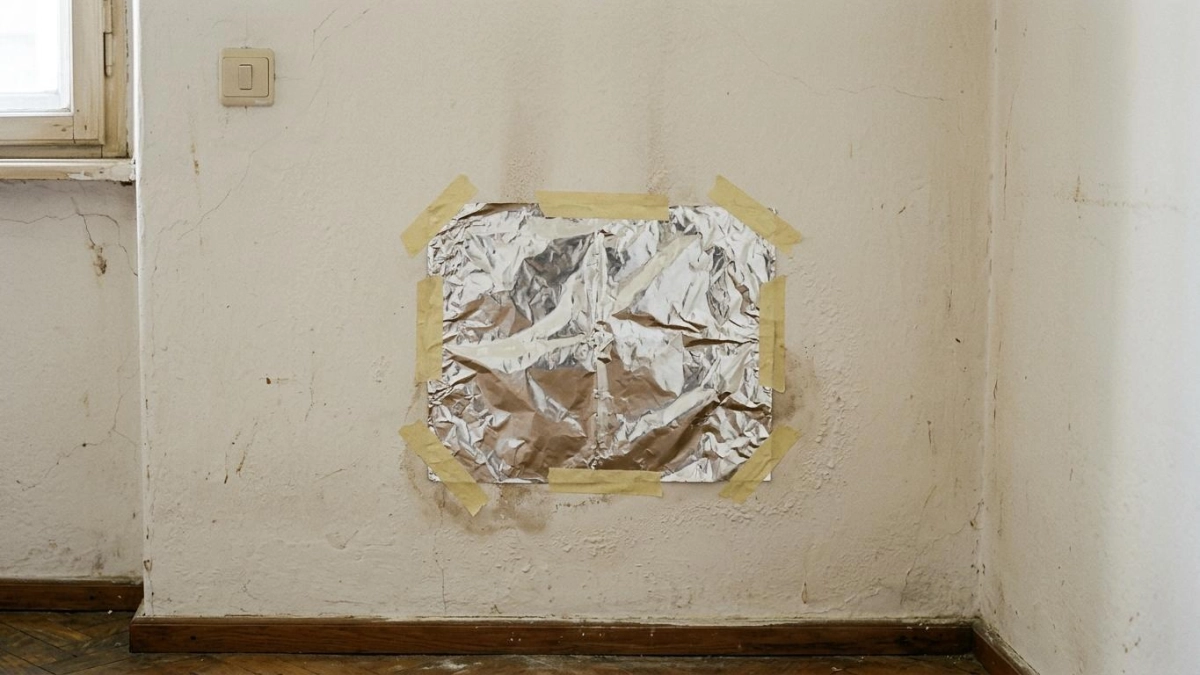
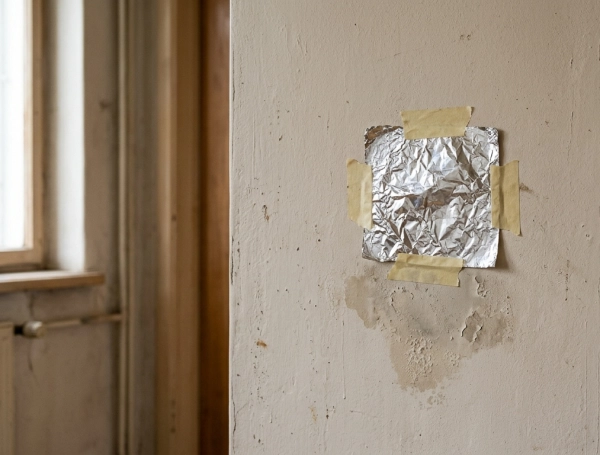
Detecting hidden moisture issues inside residential walls has long baffled homeowners until structural damage—such as crumbling drywall, blistering paint, or hazardous mold colonies—makes the problem glaringly obvious. However, architecture and construction specialists, including renowned expert Máximo Caballero, have endorsed an unexpectedly accessible diagnostic method: fixing a simple piece of aluminum foil to a wall.
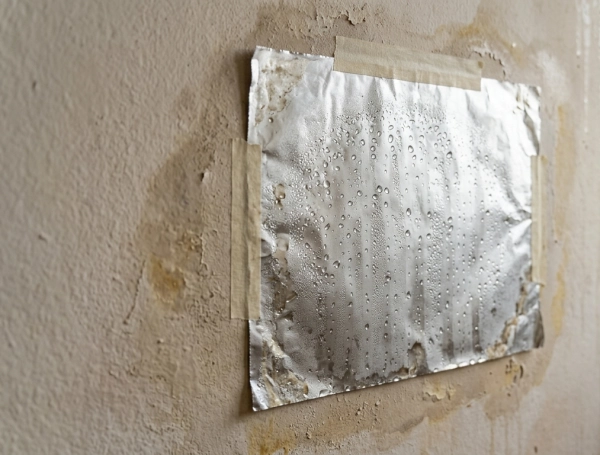
This low-tech, highly effective procedure acts as a temporary impermeable barrier that blocks ambient air movement and halts localized surface evaporation. By trapping whatever moisture might be migrating through or sitting inside the masonry, the aluminum foil reveals the true nature and origin of water retention within the walls.
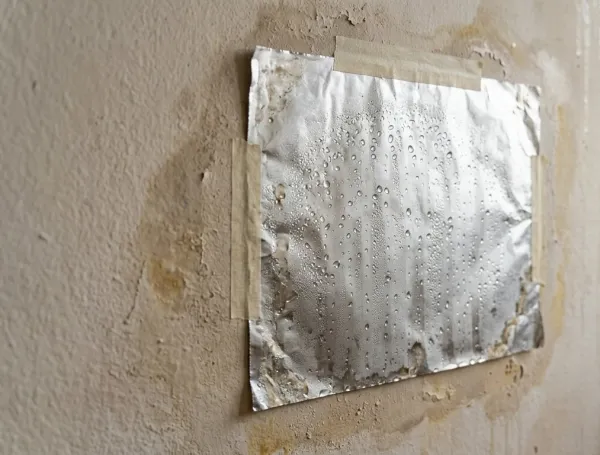
The Core Mechanism: The foil stops air flow and prevents moisture from evaporating into the room. Instead, the trapped water condenses or accumulates directly behind or on the sheet.
The Timeframe: Specialists recommend leaving the foil undisturbed for a period of 24 to 48 hours.
The Goal: To accurately identify whether moisture stems from interior condensation (poor ventilation) or exterior/structural water infiltration (rising damp, plumbing leaks, or waterproofing failures) before spending money on costly professional evaluations or misguided repairs.
Chronology and Evolution of the Foil Diagnostic Technique
While modern building diagnostics rely on advanced thermal imaging cameras, moisture meters, and microwave sensors, the aluminum foil test has roots in traditional building pathology.
Pre-Digital Era (Decades Past): Before handheld electronic moisture meters were widely available to the general public, master builders and masons used rudimentary physical barriers to test walls. By taping materials like glass, plastic sheets, or metallic foils to surfaces, they could observe where condensation formed.
The Modern Revival: In recent years, as DIY home maintenance content has surged online, architectural consultants like Máximo Caballero resurrected this technique. They optimized it for homeowners seeking cost-effective, preliminary ways to assess deteriorating historic properties, damp-prone basements, and aging apartment walls.
Present Day (2026): The method has been standardized into a widely recognized diagnostic routine. Homeowners now use the 48-hour foil test as a vital first step before calling in specialized contractors, saving thousands of dollars in exploratory demolition and diagnostic fees.
Supporting Data and Step-by-Step Methodology
Executing the aluminum foil test requires minimal tools, but precision is key to ensuring reliable results. According to building pathology experts, failing to seal the edges completely can render the test inconclusive due to outside air interference.
Step-by-Step Home Diagnostic Guide
Select the Target Area: Choose a section of the wall where you suspect moisture—typically low near the baseboards (suggesting rising damp), mid-wall near plumbing lines, or high in the corners of rooms with poor ventilation.
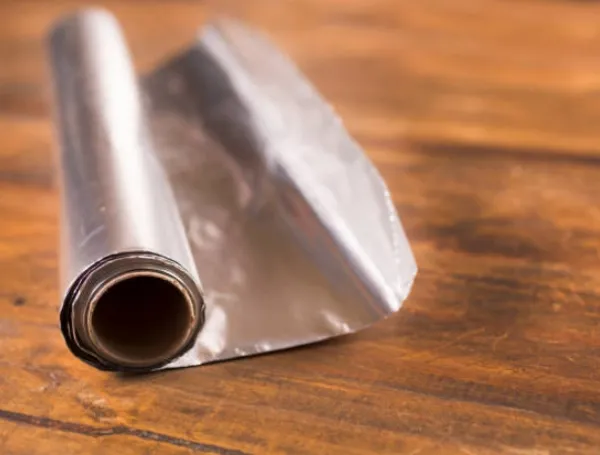
Prepare the Foil: Cut a square or rectangular piece of standard household aluminum foil, roughly 30×30 centimeters (12×12 inches).
Attach and Seal: Place the foil flat against the suspected wall surface. Use waterproof or painter’s tape to seal all four edges completely. It is crucial that no air gaps remain between the foil and the wall; the perimeter must be airtight to block any external ventilation.
The Observation Window: Leave the foil patch untouched for 24 to 48 hours. Rushing this step will prevent accumulated internal moisture from manifesting visibly on the material.
Comparative Diagnostic Indicators
Test Condition
Indicator Location
Likely Source
Recommended Action
Moisture on the OUTSIDE of the foil
Condensation on the room-facing side.
High ambient humidity, poor ventilation, thermal bridging (common in kitchens/bathrooms).
Improve ventilation, use dehumidifiers, apply anti-mold paint.
Moisture on the INSIDE of the foil
Water trapped between the wall and the foil-facing side.
Structural water infiltration, rising damp, plumbing leaks, external waterproofing failure.
Consult a structural engineer or waterproofing specialist immediately.
Bone Dry (Both Sides)
No moisture observed after 48 hours.
Intermittent moisture issue, or the problem originates elsewhere in the structure.
Repeat test during different weather conditions or monitor nearby walls.
Official Responses and Expert Insights
The architectural and construction community views the aluminum foil test not as a definitive engineering solution, but as an invaluable preliminary screening tool.
According to structural preservationists, homeowners frequently misdiagnose paint peeling or wall bubbling as simple cosmetic wear and tear. They often spend money on scraping and repainting, only for the damage to return within weeks because the root hydrological cause was never addressed.
"The beauty of the foil test lies in its physics," notes building maintenance consultant Elena Vance. "By altering the evaporation cycle of the wall surface, we force hidden moisture to show its hand. If water collects behind the foil, you know definitively that the wall itself is holding or drawing water from an external source. If it collects on the front, your room’s microclimate is the culprit."
Consumer protection agencies and real estate inspectors also validate the method as an ethical preliminary step for prospective home buyers. Spotting hidden dampness during a private viewing can save buyers from inheriting severe structural liabilities.
Implications for Property Owners and Infrastructure
Unchecked moisture is one of the leading causes of structural degradation and health hazards in residential buildings worldwide. Understanding the implications of what the aluminum foil test reveals can save a property from catastrophic damage.
1. Health Implications
When moisture goes unaddressed, it creates the ideal breeding ground for toxic molds (Stachybotrys chartarum, Aspergillus, and Penicillium). These colonies release spores into the indoor air, triggering severe allergic reactions, asthma attacks, chronic respiratory issues, and dermatological irritation—particularly in children and the elderly.
2. Structural Integrity
Timber Decay: Wooden beams, subfloors, and structural framing in contact with damp walls are susceptible to dry rot and wet rot, severely compromising load-bearing capacity.
Masonry Degradation: Water trapped inside brick or concrete undergoes freeze-thaw cycles in colder climates, causing spalling (cracking and flaking of the masonry face).
Electrical Hazards: Moisture tracking behind walls can reach electrical conduits and outlets, creating hidden short-circuit and fire risks.
3. Financial Impact
Early detection via simple diagnostics like the aluminum foil method shifts the maintenance paradigm from reactive to proactive. Addressing a localized ventilation or minor waterproofing issue costs a fraction of what is required to reconstruct rotted framing, replace waterlogged drywall, or remediate widespread toxic mold infestation.
Conclusion
The aluminum foil test proves that effective home maintenance does not always require expensive diagnostic equipment or specialized contractors for every initial check. By leveraging basic principles of thermodynamics and vapor barriers, homeowners can quickly narrow down the source of mysterious wall dampness.
Whether dealing with a poorly ventilated bathroom prone to condensation or a historic home fighting subterranean rising damp, this accessible trick provides the clarity needed to take targeted, effective action—protecting both the structural health of the home and the financial well-being of its residents.
By Global Science Desk Published: September 14, 2026 Main Facts A groundbreaking scientific investigation conducted jointly by the National Aeronautics and Space Administration (NASA) and the University of Maryland has delivered an alarming revelation: the…
VATICAN CITY — In a comprehensive and deeply reflective apostolic letter published on Saturday, September 19, 2026, Pope León XIV called upon the episcopate of Latin America to strengthen their bonds with local communities, actively…
By Global Infrastructure & Public Health Desk Published: September 16, 2026 Updated: September 16, 2026 Main Facts For millions of travelers, shoppers, and commuters navigating the bustling corridors of international airports, subterranean subway stations, sprawling…