
By Global Environmental Desk
Published: September 30, 2026
Main Facts: A Planetary Crisis Unfolding in Our Waters
Earth’s oceans are undergoing profound, long-term transformations driven by relentless global heating, unchecked carbon emissions, and human activity. According to the landmark 10th State of the Ocean Report (OSR) published by Copernicus, the planet’s marine environments are signaling distress across every critical metric, including unprecedented temperature surges, accelerated sea-level rise, rapid acidification, and widespread ecosystem collapse.

The comprehensive report, compiled by more than 100 international scientific experts, synthesizes over four decades of rigorous observational data. Researchers utilized a sophisticated network of satellites, deep-sea robotic Argo boyas, and stationary coastal sensors to map out the unprecedented shifts occurring across the global marine biosphere.
"The ocean is transforming before our eyes: the warming, the sea-level rise, and the degradation of ecosystems are interconnected signals of a significant and long-term change," warned Pierre Bahurel, Director General of Mercator Ocean International, the institution tasked with producing the report.

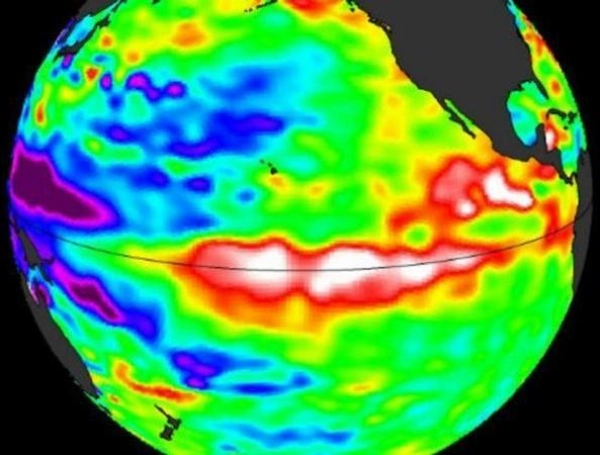
At the heart of the crisis is the ocean’s role as Earth’s primary thermal buffer. Oceans absorb roughly 90 percent of the excess heat generated by human activities, primarily the burning of fossil fuels. However, this planetary life-support system is straining under the weight of its own capacity. The report reveals that the rate of ocean warming has doubled over the past two decades. In 2023, 2024, and now heading into late 2026, sea-surface temperatures have repeatedly shattered historical maximums, entering uncharted climatic territory.
Chronology of Climate Indicators: A Timeline of Acceleration
To understand the trajectory of the modern ocean crisis, scientists look at how specific climatic tipping points have accelerated over the past 40 years:

- 1979–1999 (The Baseline Shift): Decades of early satellite monitoring establish baseline readings for global sea ice, showing stable polar caps and moderate thermal absorption rates. However, industrial emissions begin to measurably alter the chemical composition of surface waters, lowering oceanic pH levels.
- 1999 (The Sea-Level Acceleration): The turn of the century marks the beginning of a sustained acceleration in global mean sea levels, increasing consistently by roughly 3.8 millimeters per year.
- 2012 (The Tipping Point for Coastal Risks): The rate of sea-level rise noticeably escalates, posing an immediate, intensifying threat to hundreds of millions of coastal inhabitants worldwide.
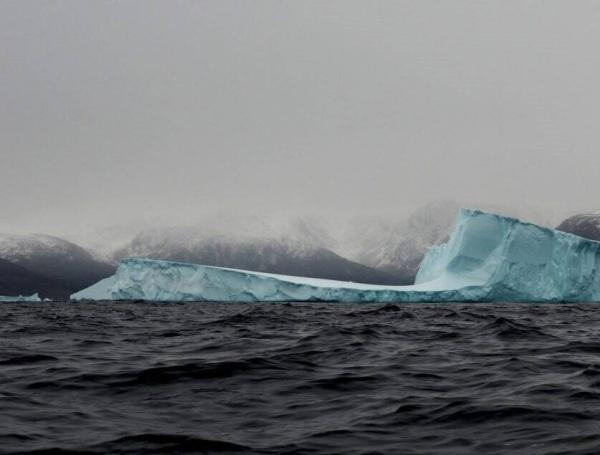
- 2022 (The Polar Shock): Antarctica reaches a historic minimum in sea ice extent. This collapse coincides with the first-ever documented mass reproductive failure of emperor penguins, exposing the direct vulnerability of polar food webs.
- 2023–2024 (The Peak Temperature Anomalies): Global ocean temperatures reach unprecedented highs. The Mediterranean and Black Seas suffer unprecedented marine heatwaves lasting longer than 30 consecutive days, with water temperatures soaring 4.6 degrees Celsius above seasonal averages. Storm Louis ravages Spanish coasts with eight-meter waves, while anomalous wind patterns in the Gulf of Bothnia cause a staggering 152.4-centimeter drop in sea levels.
- 2026 (The Current Paradigm): The 10th Copernicus Report confirms that the oceans absorbed an astonishing 23 zettajoules of additional heat over the past year alone—marking a destructive record for the ninth consecutive year.
Supporting Data: Quantifying the Unimaginable
The sheer scale of the energy being pumped into the global marine ecosystem defies easy comprehension, yet hard data underscores the gravity of the situation.
Thermal Absorption and Energy Records
During the past year, the world’s oceans absorbed 23 zettajulios of excess heat. To put this astronomical figure into perspective, 23 zettajoules is roughly 40 times the total energy consumed by human civilization across the entire globe in 2025. This relentless accumulation of heat has pushed the ocean heat content to record levels for nine years in a row.
Sea-Level Rise
Since 1999, the global mean sea level has risen by an average of 3.8 millimeters annually, accumulating a total increase of approximately 102 millimeters (over 4 inches). Because water expands as it warms—combined with the accelerated melting of glaciers and ice sheets—this trend is locking in permanent coastal erosion and threatening low-lying nations.
Acidification and Chemical Degradation
As the oceans swallow vast quantities of atmospheric carbon dioxide, the chemical balance of seawater shifts. Since 1985, the world’s oceans have become 17 percent more acidic. This ongoing acidification strips seawater of the carbonate ions that calcifying organisms rely on. As a result, vital marine species—including oysters, lobsters, and foundational coral reefs—face severe physiological challenges in building and maintaining their protective shells and skeletons.

Extreme Regional Impacts
- The Arctic: Surface sea temperatures in the Arctic have surged by roughly 4.2 degrees Celsius over the past four decades. Meanwhile, monthly average sea ice extent shrank by approximately 486,000 square kilometers per decade between 1979 and 2025.
- European Waters: Karina von Schuckmann, senior advisor at Mercator Ocean International and lead author of the report, notes that European seas are under "intense pressure." The Mediterranean and Black Seas experienced prolonged, catastrophic heatwaves in 2024, pushing regional ecosystems far outside their historical thermal envelopes.
Official Responses and Expert Warnings
The scientific community is unified in its message: the findings of the 10th Copernicus Report are not isolated anomalies, but rather systemic symptoms of a degraded Earth system.
Blanca Fernández-Álvarez, a researcher at the Mediterranean Institute for Advanced Studies and co-author of the report, emphasized the shift in methodology and perspective: "These are not isolated heatwaves; they occur in a context of sustained ocean warming that is fundamentally altering the environmental conditions experienced by marine ecosystems."
The human and geopolitical dimensions of these changes are equally alarming. Small Island Developing States (SIDS), already grappling with economic constraints, find themselves on the front lines of planetary degradation.
"For island states, ocean change is not a distant environmental problem; it is an immediate economic, developmental, and security challenge, and a warning of what many other coastal areas will have to face in the future," stated Karina von Schuckmann.

Governments, policy makers, and maritime industries are under mounting pressure to utilize these long-term datasets. The report concludes with an urgent plea for continuous, enhanced ocean monitoring systems. Without robust real-time data, vulnerable communities cannot hope to anticipate extreme weather events, adapt agricultural and fishing practices, or fortify their coastal infrastructure against rising tides.
Implications: What Lies Ahead for a Warming Planet
The trajectory outlined by the 10th Copernicus Ocean State Report carries profound implications for the future of human civilization and global biodiversity.
- Economic Disruption: Fisheries, aquaculture, and coastal tourism face catastrophic declines as marine heatwaves devastate fish stocks and bleach coral reefs. The collapse of these industries threatens food security for hundreds of millions of people who depend directly on marine protein.
- Increased Frequency of Extreme Weather: Supercharged oceans act as fuel tanks for tropical cyclones, hurricanes, and typhoons. Warmer waters feed these storms, making them more intense, more destructive, and capable of generating unprecedented storm surges that routinely breach historical defenses.
- Displacement and Climate Refugees: As sea levels continue their relentless climb, low-lying coastal cities and island nations face the grim prospect of eventual uninhabitability. The financial cost of relocating millions of coastal residents will test the limits of global economic stability.
- Ecosystem Tipping Points: The degradation of polar ice caps and the acidification of tropical waters threaten to trigger cascading ecosystem collapses. When foundational species like krill in the Antarctic or polyps in coral reefs die off, the entire marine food web—from apex predators to commercial fish species—collapses with them.
The 2026 report serves as both an autopsy of past inaction and an urgent blueprint for the future. As Pierre Bahurel noted, the transformation is already happening. Whether humanity can adapt to and mitigate the downstream effects of a boiling ocean remains the defining challenge of the twenty-first century.