INTERNATIONAL DESK
Published: November 22, 2026 – 05:07 PM
Updated: November 22, 2026 – 05:07 PM
Main Facts
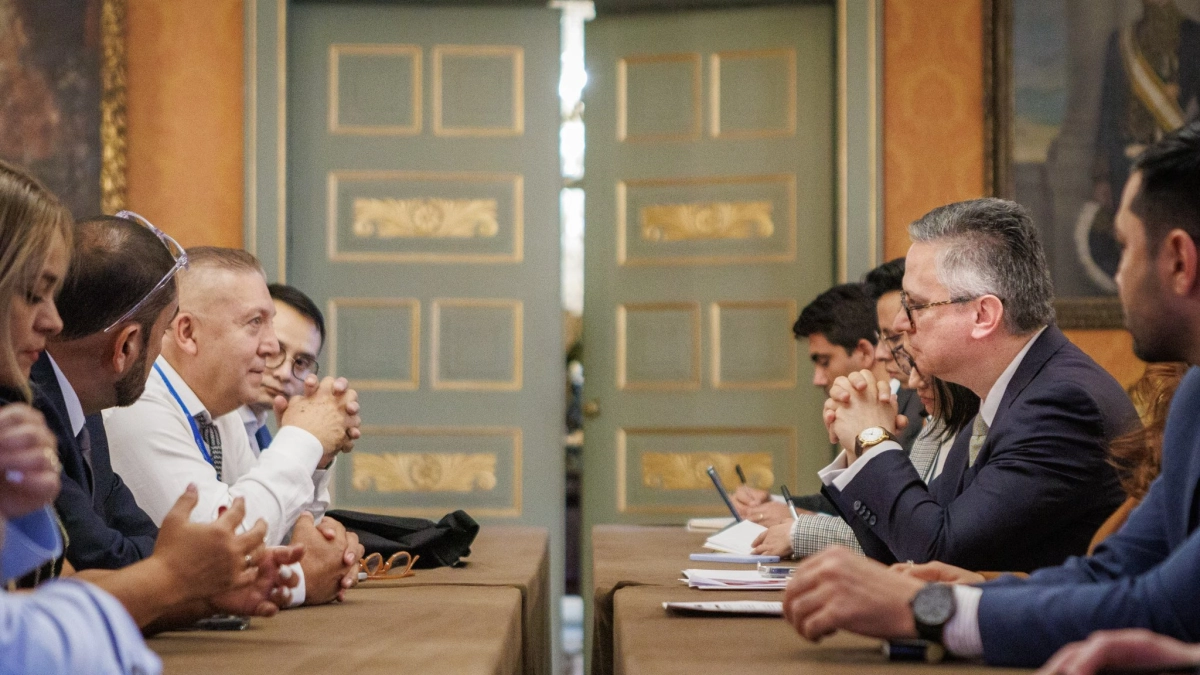
The political landscape in Venezuela is reaching a critical juncture as representatives of the ruling chavismo and the democratic opposition prepare to conclude the fourth intensive round of negotiations this Monday. Initiated on November 13, the current cycle of talks forms a core component of the broader political transition framework actively spearheaded and supported by the United States.
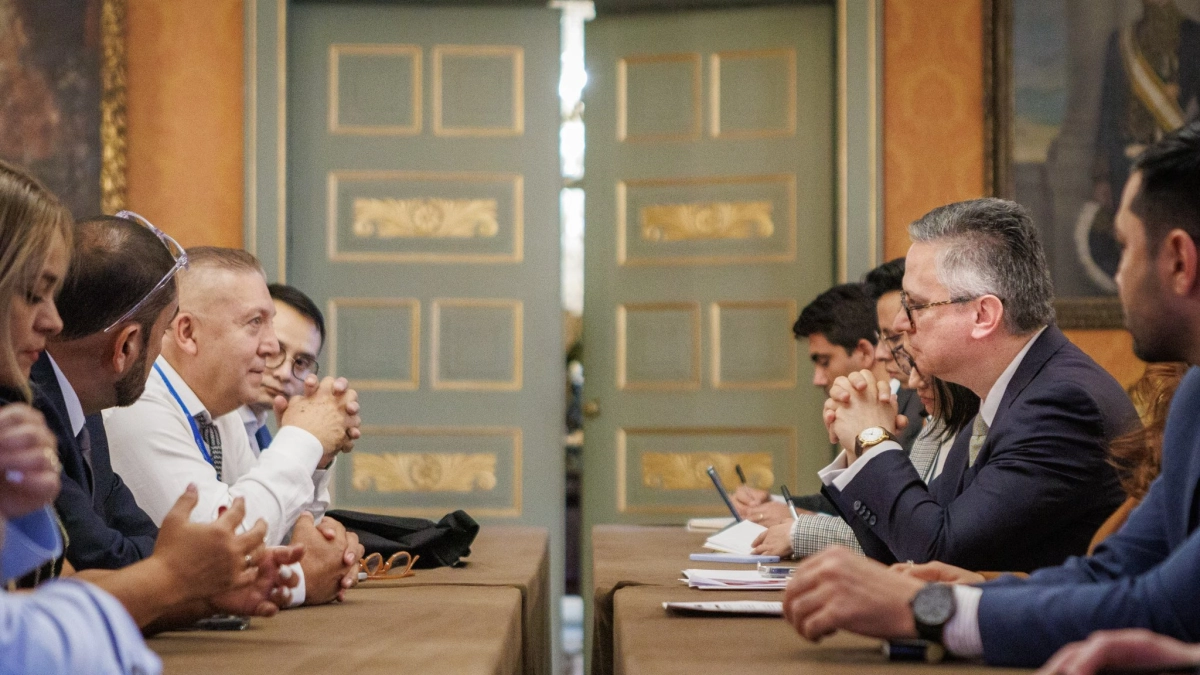
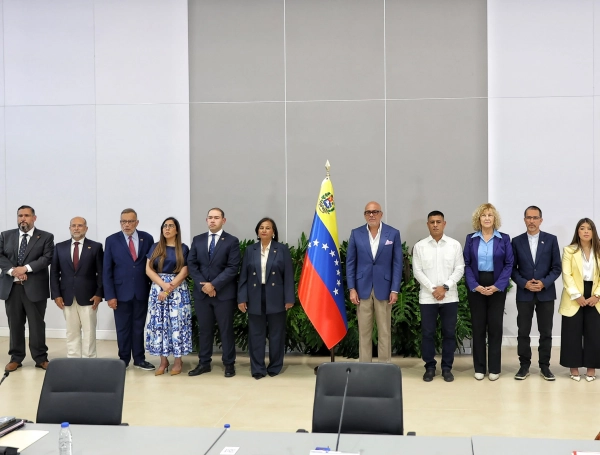
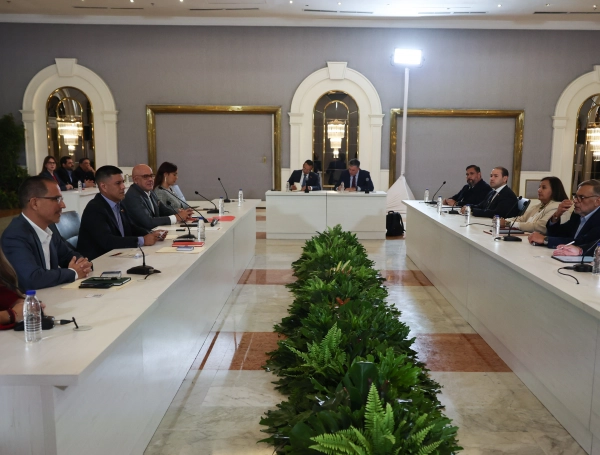
Held behind closed doors at the upscale Hotel Gran Meliá in central Caracas, these negotiations represent a delicate, high-stakes effort to recalibrate the nation’s institutional framework. The delegations are led by high-profile figures: Jorge Rodríguez, the president of the National Assembly and a principal architect of the chavismo strategy, and former congresswoman Dinorah Figuera, who represents the unified opposition front.
Although initially slated to wrap up operations on the preceding Friday, the sheer volume and complexity of the legislative and structural agendas forced participating delegations to extend their deliberations. The focal points of this fourth round center heavily on the re-engineering of political rights, the review of draconian statutes traditionally leveraged to silence dissent—such as anti-terrorism laws frequently weaponized against civilian protesters—and the foundational steps required to re-establish democratic norms in a post-Maduro political environment.
Despite the profound polarization that has characterized Venezuelan politics for over a quarter of a century, these talks have progressively yielded tangible, albeit incremental, shifts in the country’s domestic landscape. From the partial unblocking of censored independent media outlets to structural concessions regarding the nation’s highest judicial bodies, domestic and international observers are closely monitoring whether this diplomatic push will successfully midwife a sustainable transition to free and fair elections.
Chronology of the Transition
The current dialogue table does not exist in a vacuum; it is the culmination of a rapidly accelerating series of geopolitical and domestic disruptions that began reshaping Venezuela at the start of the year.
- January 2026: The political architecture of Venezuela underwent an unprecedented tectonic shift following the capture and removal of longtime leader Nicolás Maduro in a targeted international operation. Following his ouster, an interim government structure was established, with Delcy Rodríguez assuming the role of acting president, laying the immediate groundwork for Washington-backed domestic negotiations.
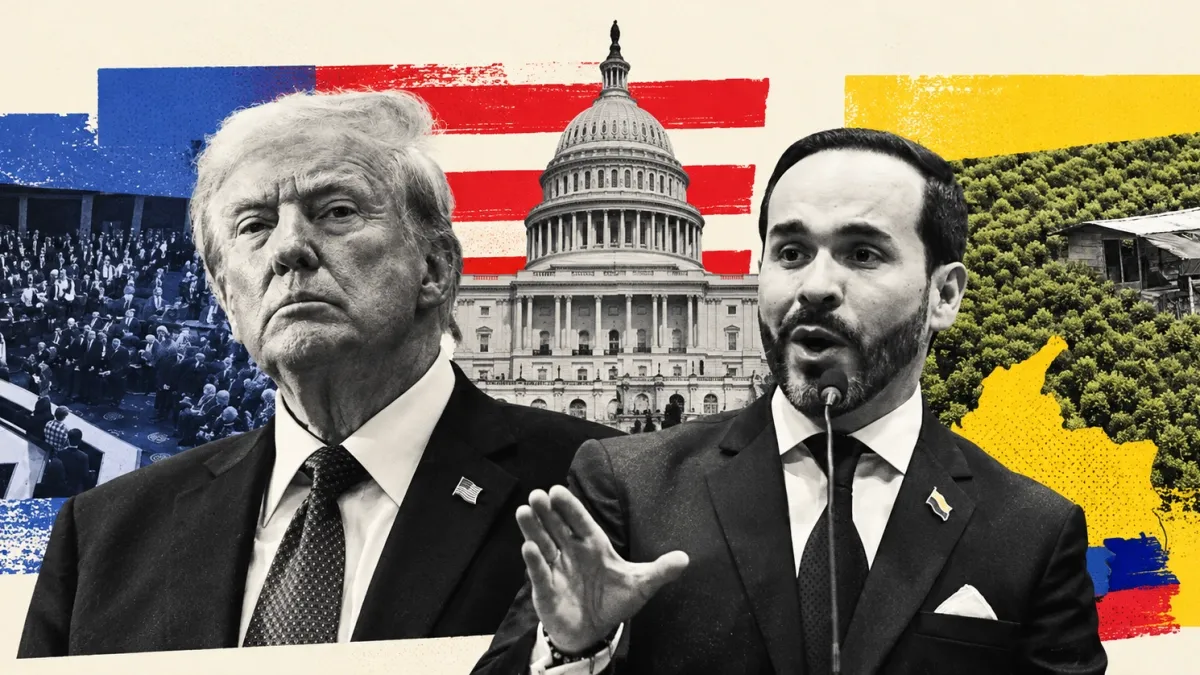
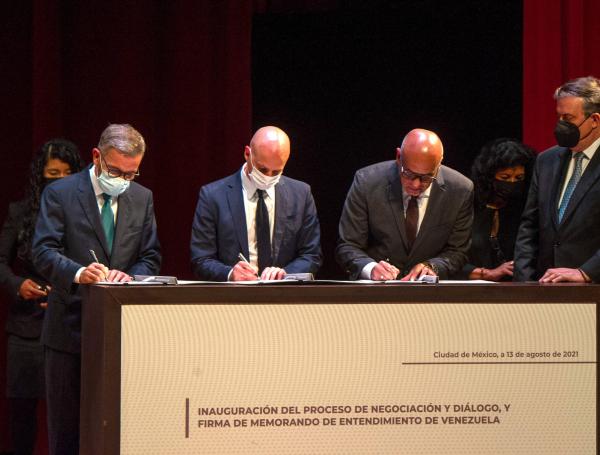
- August 2026: Formal, structured talks between chavismo and the opposition officially commenced in Caracas. The framework, heavily backed by the administration of U.S. President Donald Trump, sought to establish a reliable roadmap to transition the country away from authoritarian governance and toward internationally monitored democratic elections.
- September 2026: During subsequent dialogue cycles, the negotiating parties achieved their first major breakthroughs. Most notably, agreements were reached regarding the comprehensive overhaul and renovation of the Supreme Court of Justice (TSJ)—historically recognized as a loyalist judicial arm of the ruling party. Furthermore, initial steps were taken to lift sweeping government-imposed blocks on digital media, restoring access to various domestic and international news agencies, including the Spanish news agency EFE.
- October 2026: The third cycle of talks concluded with significant discussions centered on the framework for future electoral processes, though concrete dates for a national vote remained elusive. Parallel advisory sessions began incorporating independent experts and civil society leaders to evaluate the integrity of future electoral mechanisms.
- November 13 – November 23, 2026: The fourth dialogue round commenced with an exhaustive legislative agenda. Over the course of more than ten days, extended due to heavy workloads, negotiators tackled complex legal reforms regarding political participation, anti-terrorism statutes, and indigenous community rights, leading up to this Monday’s anticipated conclusion.
Supporting Data and Key Stakeholders
The architecture of the Caracas talks involves a multifaceted network of domestic political actors, international observers, civil society groups, and economic stakeholders. While María Corina Machado, the prominent opposition leader, remains excluded from direct physical participation at the negotiation table due to ongoing legal and political restrictions, she continues to exert significant influence from the outside and has openly endorsed the success of the diplomatic process.
The negotiation dynamics involve continuous engagement outside the primary plenary sessions:
- Indigenous Communities: Over the past week, opposition delegates held dedicated consultations with representatives of Venezuela’s indigenous populations to document and integrate community-level grievances into the national reform agenda.
- Energy Sector Experts: Recognizing that oil remains the lifeblood of the Venezuelan economy, opposition negotiators consulted extensively with petroleum sector specialists. These sessions were designed to pressure the government into implementing stringent transparency measures regarding multi-lateral crude oil exploitation contracts and international energy partnerships.
- Institutional Concessions Realized To Date:
- Judiciary: Agreement in principle to fully renew the bench of the Supreme Court of Justice (TSJ).
- Information Access: Partial dismantling of internet firewalls and digital blocks targeting independent domestic and foreign media portals.
- Legal Reform Pipeline: Commitments—though pending execution—to revise specific statutes historically deployed to legally disqualify high-profile opposition politicians, including María Corina Machado.
- State Assets: Continued, albeit stalled, bilateral pushes focused on the repatriation and legal recovery of Venezuelan gold reserves currently frozen in the Bank of England—a principal economic demand championed by the chavismo delegation.
Official Responses and Diplomatic Positions
The international community, led heavily by Washington, continues to act as the primary catalyst and guarantor of the Venezuelan transition plan. The strategic objective of the U.S. administration is clear and sequential: first, dismantle the systemic roadblocks preventing a level political playing field; second, completely overhaul the National Electoral Council (CNE); and third, trigger formal executive transition steps.
According to diplomatic outlines tied to the U.S. transition framework, once the CNE is successfully reconstituted with politically balanced rectors, acting President Delcy Rodríguez is expected to officially declare the presidency vacant. This procedural declaration will subsequently open a mandatory, strict six-month constitutional window for the celebration of fully transparent, internationally observed presidential elections.
Domestically, reactions remain sharply divided yet pragmatically engaged. Representatives of the ruling coalition maintain that any transition must preserve national sovereignty and protect the institutional legacy of the state, while simultaneously acknowledging the economic imperatives driving the push for international asset recovery (such as the London gold reserves) and foreign investment normalization.
Conversely, the opposition delegation—anchored by figures like Dinorah Figuera and backed by civil society—insists that sustainable economic normalization is impossible without genuine institutional pluralism. For the opposition, the absolute repeal of political disqualifications, the dismantling of legal instruments used to criminalize dissent (such as anti-terrorism charges routinely brought against peaceful demonstrators), and the guarantee of a truly independent electoral authority are non-negotiable prerequisites for any lasting peace.
Implications for the Future of Venezuela
As the fourth cycle of dialogue draws to a close this Monday, the implications for Venezuela’s near- and long-term future are profound. The negotiations represent a fragile bridge over decades of deep-seated political trauma, economic devastation, and social fracture.
If the current momentum can be sustained through the anticipated phases of CNE restructuring and the eventual announcement of national elections, Venezuela could witness its first genuinely competitive presidential contest in over a decade. However, significant perils remain. The implementation gap—the distance between agreements reached in a closed-door hotel room and their actual execution in the streets, courts, and legislative halls of Caracas—continues to be a major source of skepticism among independent analysts and everyday citizens alike.

Furthermore, unresolved economic disputes, such as the fate of billions of dollars tied to historical corruption investigations and foreign-held assets, will test the resilience of both negotiating blocs. Whether the pragmatic convergence between chavismo and the opposition can withstand the pressures of upcoming electoral campaigns will ultimately determine if Venezuela successfully steps out of its protracted crisis and into a sustainable democratic future.