By Katherine Bravo Hernández
Digital Outreach Desk, EL TIEMPO
Updated: November 21, 2026
Main Facts
The political landscape in Colombia has been profoundly shaken by a high-profile scandal involving Representative to the Chamber Luz Verónica Estrada, a prominent member of the ruling Pacto Histórico coalition. Estrada has found herself at the center of a mounting legislative and judicial storm after serious allegations surfaced claiming she fabricated multiple academic credentials, including her undergraduate engineering degree.
The controversy escalated when the National University of Colombia (Universidad Nacional de Colombia) officially confirmed that a diploma presented by Estrada, purportedly certifying her as an engineer in Mines and Metallurgy, is entirely fraudulent. According to the institution’s rigorous archival audits, no records exist indicating that Estrada ever matriculated, studied, or graduated from the university, let alone from that specific program.
Furthermore, forensic analysis of the physical diploma revealed that the serial and registration numbers displayed on the document belong to an entirely different individual—a legitimate graduate who earned their degree a decade prior to the date claimed by the congresswoman.

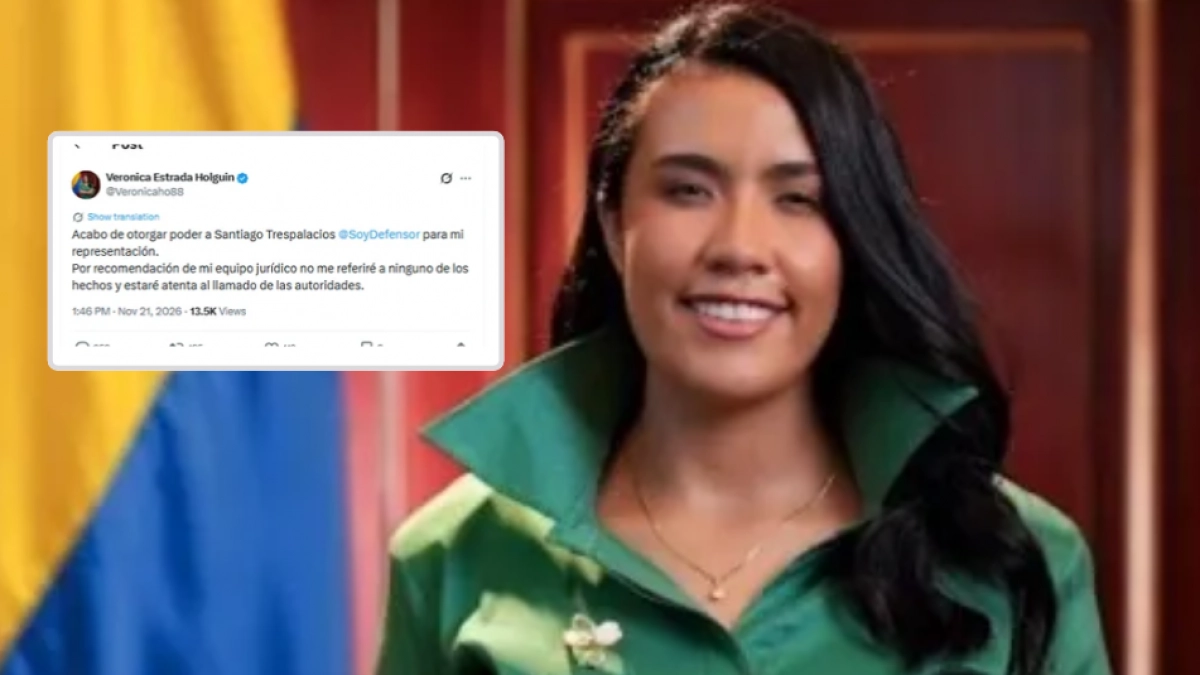
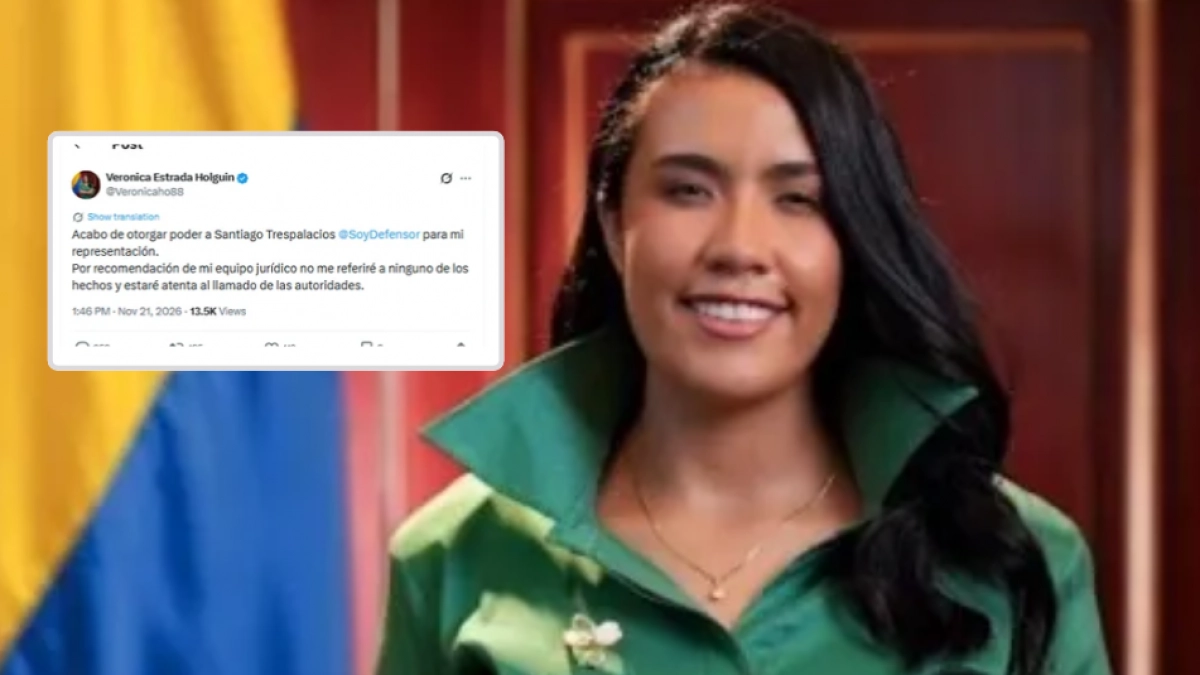
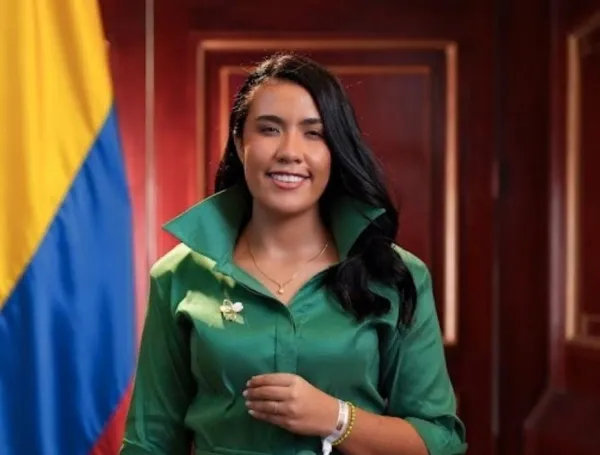
Despite intense pressure from her own political allies, who have explicitly demanded that she step down from her legislative seat, Estrada has steadfastly refused to resign. Instead, she announced that high-profile defense attorney Santiago Trespalacios will lead her legal defense team. Communicating exclusively via her official social media channels under the advisement of her legal counsel, Estrada stated, "I will be attentive to the call of the authorities," while declining to offer further public commentary on the unfolding scandal.
The ramifications of this scandal extend far beyond a single falsified document. Investigators are now scrutinizing a widening web of questionable credentials, including supplementary diplomas allegedly issued by the University of Antioquia (Universidad de Antioquia), high school completion certificates, and professional identification cards. As regulatory bodies and judicial authorities step in, the case has transformed into a critical test of ethics, transparency, and accountability within the highest echelons of the Colombian government.

Chronology of Events
To understand how a routine legislative term transformed into a profound constitutional crisis, it is essential to trace the timeline of events leading up to the public unmasking of Representative Estrada’s academic credentials.
- Late 2021 (The Claimed Graduation): According to the disputed documents presented by Luz Verónica Estrada, this period marked the culmination of her higher education studies, resulting in a degree in Mines and Metallurgy from the National University of Colombia.
- Early Legislative Term: Estrada assumes her role as a Representative to the Chamber under the Pacto Histórico banner, actively participating in high-profile debates, legislative committees, and political oversight initiatives—including public clashes with executive ministers over economic and defense policies.
- Mid-November 2026: Investigative journalists and academic auditors begin receiving anonymous tips concerning discrepancies in Estrada’s publicly registered resume and educational credentials. Initial inquiries are launched into her collegiate and secondary education records.
- November 18–19, 2026: Digital archives and social media platforms begin circulating archived videos and statements of Estrada discussing her educational background, heightening public interest and skepticism. Investigative reports highlight glaring inconsistencies in her professional history.
- November 21, 2026: The National University of Colombia issues a definitive public statement confirming that Estrada’s diploma is fraudulent. The university files a formal complaint with the Office of the Attorney General (Fiscalía General de la Nación). Hours later, the Inspector General’s Office (Procuraduría General de la Nación) announces a formal disciplinary investigation.
- November 21, 2026 (Afternoon): Facing an avalanche of public condemnation and internal pressure, Estrada breaks her silence via X (formerly Twitter). She confirms that attorney Santiago Trespalacios will handle her defense but ignores widespread demands from her own party to surrender her congressional seat.
Supporting Data and Evidence of Fraud
The weight of the evidence assembled against Representative Estrada centers heavily on institutional discrepancies and verifiable administrative records. Educational fraud in public service undermines the democratic social contract, making the granular details of this case vital to the public interest.
1. The National University Discrepancy
The cornerstone of the allegations rests on the bachelor’s degree in Mines and Metallurgy that Estrada reportedly used to validate her technical expertise for public office. When university administrators cross-referenced the serial numbers, signatures, and graduation dates on Estrada’s certificate, the findings were damning:
- Absence of Registry: No student file, grade transcript, or financial clearance record exists under Estrada’s name or national identification number in the institution’s historical database.
- Identity Hijacking: The registration number printed on Estrada’s diploma belongs to a bona fide alumnus who graduated from the National University in 2011. Estrada’s certificate, conversely, bears a graduation year of 2021—a ten-year discrepancy that exposed the fabrication.
2. Secondary Education and Supplementary Credentials
As investigative units expanded their scope, doubts quickly cascaded into other areas of Estrada’s academic history:
- High School Incompleteness: Verification requests sent to the secondary institution Estrada claimed to have graduated from revealed that while she did attend classes for a period, she never successfully completed her high school education (educación media). Consequently, questions immediately arose regarding how she could have legally accessed higher education without a valid high school diploma.
- University of Antioquia and Professional Cards: Preliminary checks by investigative journalists have also flagged secondary diplomas allegedly tied to the University of Antioquia and professional registration cards, which are now undergoing rigorous forensic auditing by state investigators.
Official Responses and Institutional Reactions
The swift and severe reaction from both political allies and state regulatory bodies underscores the gravity of the accusations against Representative Estrada.
The Pacto Histórico Coalition
In a rare and decisive internal rebuke, leaders of the Pacto Histórico did not hesitate to distance themselves from their congressional colleague. Recognizing the potential damage to the coalition’s anti-corruption platform, party leadership issued a formal statement expressing their "absolute rejection of any act of falshood."

Going beyond mere rhetoric, the coalition officially requested that Estrada voluntarily relinquish her seat in the Chamber of Representatives to preserve the ethical integrity of the legislative body. Simultaneously, the political movement referred the entire dossier to its internal Ethics Committee (Comité de Ética) to initiate disciplinary proceedings aimed at potential expulsion from the party ranks.
The National University and the Judicial System
Educational institutions in Colombia have increasingly taken a zero-tolerance approach to the proliferation of fake academic titles among public figures.

- Criminal Referral: Upon verifying the forgery, the National University of Colombia formally announced that it had transferred all evidentiary files directly to the Office of the Attorney General (Fiscalía General de la Nación). This move opens the door for criminal charges, which may include document falsification (falsedad en documento público y privado) and the fraudulent acquisition of public office (fraude en resolución judicial o administrativa).
- Disciplinary Action: Parallel to the criminal proceedings, the Inspector General’s Office (Procuraduría General de la Nación) formally opened a disciplinary investigation. The inquiry aims to determine whether Estrada utilized fraudulent documents to secure employment benefits, prestige, or administrative advantages associated with her congressional post, which could result in her suspension or permanent disqualification from holding public office.
Broader Implications for Colombian Politics
The unfolding scandal surrounding Representative Luz Verónica Estrada transcends an individual legal battle; it strikes at the heart of institutional trust and the vetting mechanisms governing Colombia’s legislative branch.
1. The Crisis of Legislative Vetting
The incident has reignited fierce national debates regarding the adequacy of background checks and credential verification processes for candidates seeking public office. Critics from across the political spectrum have pointed out systemic vulnerabilities in how political parties vet their candidate lists. When individuals can ascend to the halls of Congress bearing fabricated academic titles without immediate detection by electoral authorities, public faith in democratic institutions erodes significantly.

2. Impact on the Pacto Histórico
For the ruling Pacto Histórico coalition—which swept into power on a wave of promises centered on moral renewal, social justice, and institutional transparency—the scandal represents a profound political liability. Opponents of the administration have seized upon the case to challenge the coalition’s ethical high ground, arguing that internal accountability measures are insufficient when caught officials refuse to step down voluntarily.
3. Legal Precedents for Academic Fraud in Public Service
As attorney Santiago Trespalacios prepares Estrada’s defense strategy, legal analysts note that the case could establish an important judicial precedent. Colombia has seen a steady rise in investigations targeting public officials for resume padding and fake degrees. A firm, unyielding prosecution by the Attorney General’s Office and the Procuraduría would send an unmistakable message to the nation’s political class: the falsification of academic credentials is not merely an ethical lapse, but a serious criminal offense carrying severe penal and professional consequences.

As the judicial calendar moves forward, all eyes remain fixed on the courts, the investigative desks of Colombia’s leading journalists, and the Chamber of Representatives, where Luz Verónica Estrada continues to cling to her curul amidst an intensifying storm of accountability.