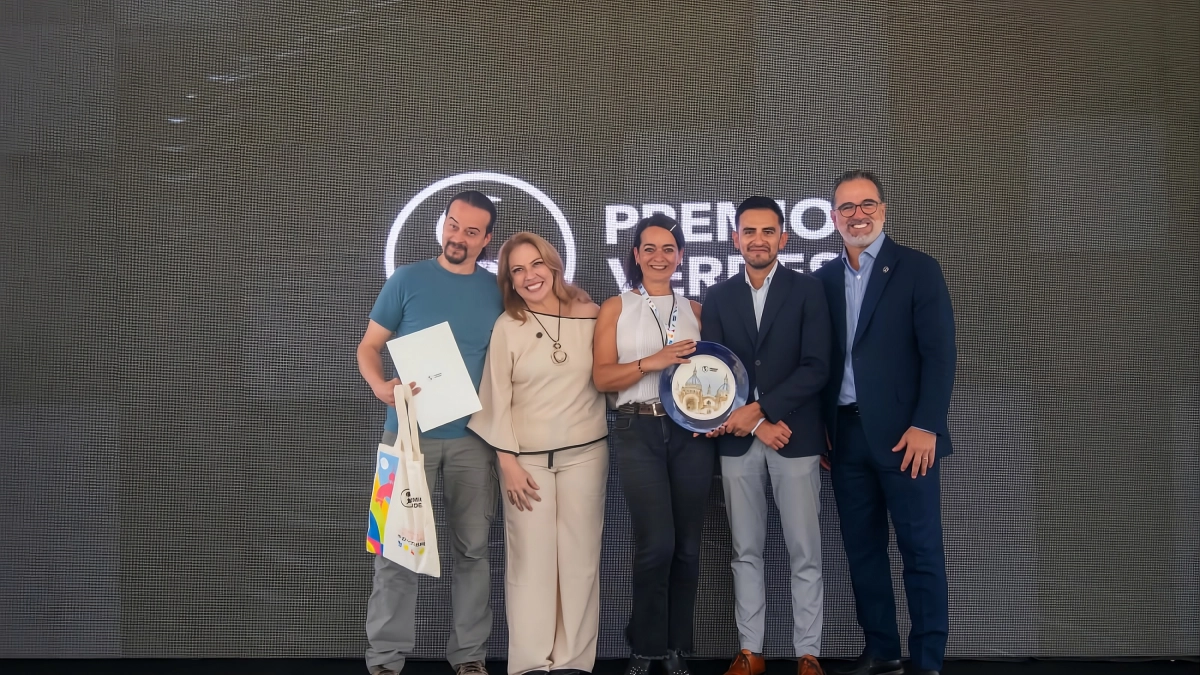
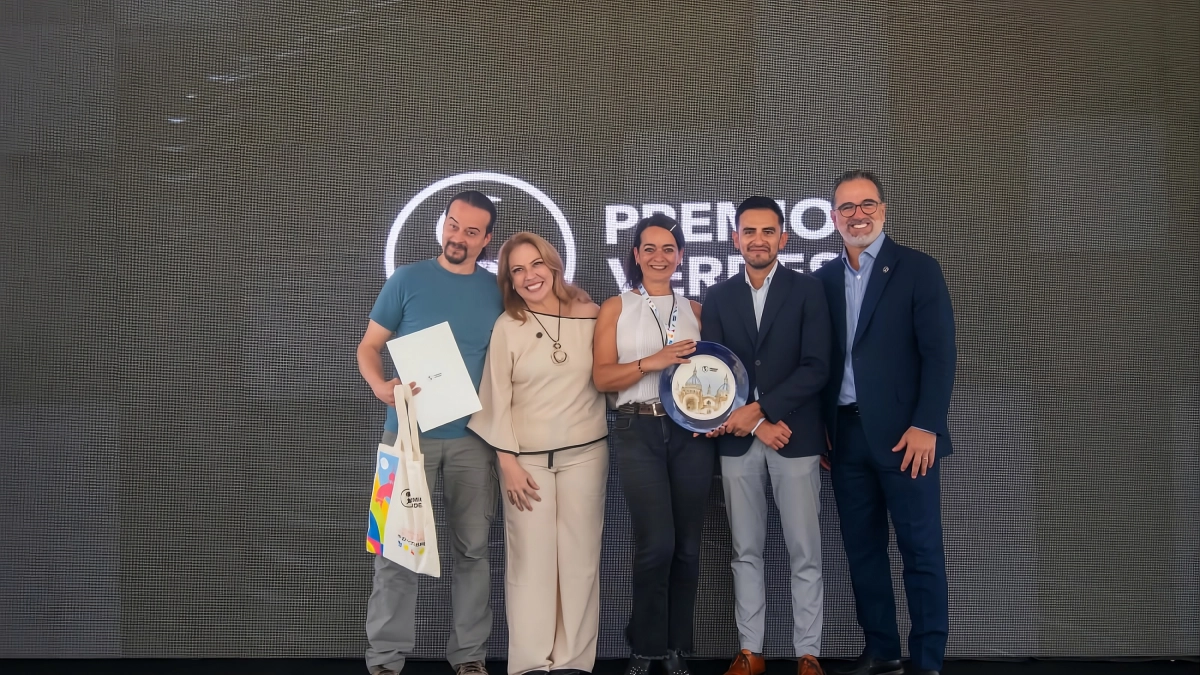
In the quiet municipality of Cota, Cundinamarca, a quiet revolution is taking place—one that relies on the smallest of laborers. Wise Feed System (WFS), a pioneering Colombian biotechnology initiative, has captured international attention by proving that the future of sustainable food production lies in the biological efficiency of insects. Recently, the project achieved a prestigious third-place ranking in the "Agriculture and Food Production" category at the Premios Verdes 2026 in Cuenca, Ecuador, distinguishing itself among over 2,400 global entries.
Founded by siblings María del Pilar and Carlos Andrés Castro, WFS is more than just an agricultural startup; it is a sophisticated platform for technological bioconversion that aims to bridge the gap between waste management and soil regeneration.
The Genesis of WFS: A Convergence of Passions
The birth of WFS is a story of serendipity and shared values. María del Pilar Castro, deeply rooted in the world of community agriculture, had long been a proponent of healthy eating and the preservation of traditional culinary practices. Her work with local seed custodians in Cota fostered a deep appreciation for organic cultivation and the urgent need to reclaim small-scale food production.
Parallel to her journey, her brother, Carlos Andrés—a professional in the audiovisual field—had spent the better part of a decade conducting independent research into the untapped potential of insects. His fascination wasn’t merely academic; he saw in the life cycles of insects a biological machine capable of solving human-made problems.

The "match," as the siblings describe it, occurred through a local organic garden, Küa. After Carlos Andrés gifted larvae and frass (the nutrient-rich byproduct of insect metabolism) to the garden’s manager, he urged his sister to investigate the material. Recognizing its potential as a regenerative fertilizer, they began a collaborative exploration that would eventually evolve into Wise Feed System.
Chronology of a Sustainable Vision
- 2016–2025: The Research Phase: Carlos Andrés spends nearly a decade studying insect biology, specifically focusing on how they can process organic matter. During this period, the siblings experiment with small-scale production in Cota.
- Early 2026: Regional Validation: The project receives vital local support through the FONDEC program in Cota, allowing the siblings to scale their cultivation methods and refine the quality of their organic fertilizer.
- Mid-2026: The International Leap: After being introduced to the Premios Verdes competition via the Cundinamarca Governor’s office, the project enters a rigorous vetting process.
- November 2026: The Global Spotlight: Out of 2,400 initial participants, WFS is selected as one of the 50 finalists. They travel to Cuenca, Ecuador, where they present their work, ultimately securing third place in their category.
- Present Day: The company is currently in the process of obtaining formal registration with the Instituto Colombiano Agropecuario (ICA) to facilitate expansion beyond local markets.
The Science of Frass: Turning Waste into Nutrient Gold
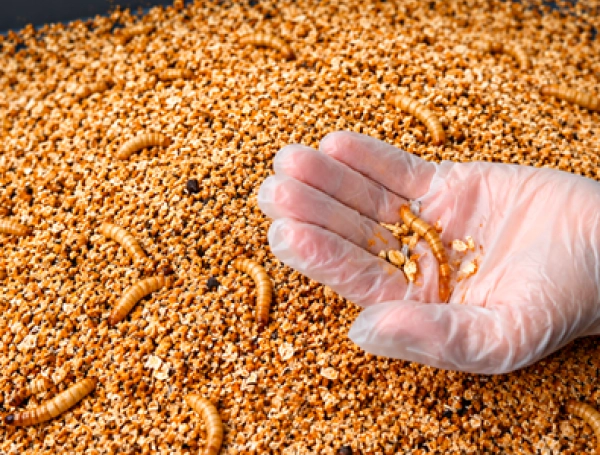
At the heart of the WFS operation is the production of frass. While often overlooked in industrial agriculture, frass is a potent cocktail of insect excreta and partially processed organic substrate.
Why Frass Matters
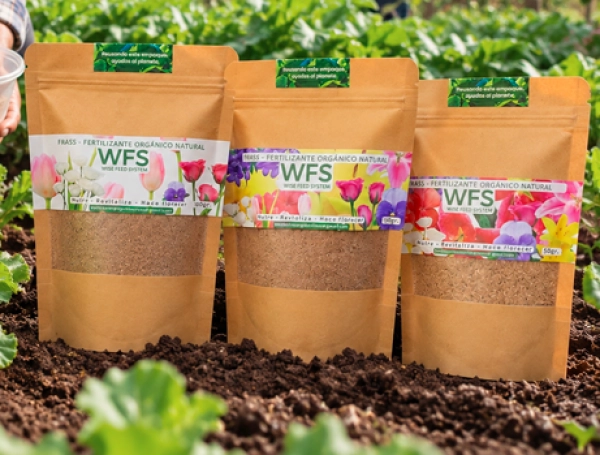
WFS positions its product as a "regenerative organic fertilizer." The production process involves collecting the material after the insect larvae have completed their cycle, followed by meticulous sieving and conditioning for agricultural use.
Scientific analysis of the product reveals three core benefits:
- Nutrient Density: It provides a balanced NPK (nitrogen, phosphorus, and potassium) profile.
- Chitin Content: Traces of chitin, a structural component of insect exoskeletons, act as a natural elicitor for plants, triggering biological defense mechanisms against pests and environmental stress.
- Microbial Health: The presence of beneficial microorganisms helps restore the biological vitality of soils that have been degraded by long-term reliance on synthetic, petroleum-derived chemicals.
Field trials have yielded promising results. In comparative studies with spinach crops, the application of WFS fertilizer resulted in harvests occurring two weeks ahead of schedule. Furthermore, observations in fruit crops in La Vega suggest that the product enhances the soil’s water-retention capacity, a critical factor in the face of increasingly unpredictable climate patterns.
Economic and Environmental Implications
The broader implications of WFS extend far beyond the garden fence. The project addresses two of the most pressing challenges of the modern era: the carbon footprint of industrial farming and the proliferation of organic waste in landfills.
Breaking the Chemical Dependency
María del Pilar notes that synthetic fertilizers are effectively "liquid petroleum," carrying a massive carbon footprint. By replacing these with organic, insect-derived alternatives, farmers can significantly lower their emissions. "The goal is not just to feed the plant, but to heal the soil," she explains.
Circular Economy and Waste Management
The initiative aims to implement a decentralized model. By using the Black Soldier Fly (Hermetia illucens)—a species renowned for its voracious appetite for organic waste—WFS plans to install modular systems within local gardens and farms. This creates a circular loop: kitchen and agricultural waste are fed to the larvae, which produce high-quality fertilizer, which then returns to the soil to grow more food.
This approach prevents organic waste from entering landfills, where its anaerobic decomposition would otherwise generate methane, a greenhouse gas significantly more potent than CO2.
Scaling the Future: Challenges and Opportunities
While the accolades from Premios Verdes have provided a massive boost in credibility, the siblings remain grounded in the realities of entrepreneurship.
The Business of Sustainability
One of the most profound lessons learned during the competition was the necessity of financial viability. "We believe that an environmental project must be economically self-sustaining," says María del Pilar. "You cannot build a scalable solution if it is purely an act of charity."
Current Limitations and Future Roadmap
Currently, WFS operates on a small scale, serving local farmers and gardeners in Cota. The lack of ICA certification limits their reach into large-scale commercial retail, a hurdle they are currently working to clear.

Their roadmap, however, is ambitious:
- Protein Production: Beyond fertilizer, the siblings are researching the use of insect biomass as a sustainable protein and oil source for animal feed (poultry, swine, and aquaculture).
- Community Integration: They are developing a pilot program for a collective of local farmers to manage their own waste using WFS-designed modules, effectively democratizing the technology.
- Human Consumption: While still a distant goal, the team is keeping a close watch on global regulatory shifts regarding the use of insect protein in human food.
Official Responses and Industry Outlook
The success of WFS in Cuenca was met with enthusiasm from the international panel of judges, who highlighted the project’s scalability and its alignment with the UN Sustainable Development Goals.

Experts in circular economy note that Colombia is uniquely positioned to lead in this sector due to its tropical climate, which allows for the year-round breeding of insects like the Black Soldier Fly. By harnessing this natural advantage, startups like WFS are providing a roadmap for other nations in the Global South to modernize their agricultural sectors without repeating the environmental mistakes of the 20th century.
"The insects are not the enemy; they are the partners we have been ignoring," Carlos Andrés told attendees at the awards ceremony. "When we provide the right environment for them to thrive, they give back to the soil tenfold."

Conclusion: A Model for the Future
Wise Feed System stands at a critical juncture. Having moved from the curiosity of a backyard experiment to the rigor of international competition, the siblings now face the challenge of scaling their impact.
By prioritizing scientific rigor, community collaboration, and economic pragmatism, WFS has proven that the path to sustainable agriculture is not necessarily found in high-tech machinery or synthetic laboratories. Sometimes, the most advanced technology is found in the smallest creatures, and the most effective solutions are those that return nutrients to the earth from which they came.

As the project continues its expansion, the lessons learned in Cota may well serve as a blueprint for a more resilient, circular, and productive global food system. Through the dedication of the Castro siblings, we are reminded that in nature, nothing is truly waste—it is merely a resource waiting for the right cycle to begin again.