Executive Summary: A Crisis of Credibility
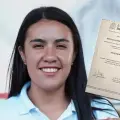
The integrity of Colombia’s legislative body is under intense scrutiny following explosive revelations regarding the academic credentials of Representative Luz Verónica Estrada Holguín. A member of the Pacto Histórico party representing Antioquia, Estrada now faces mounting evidence suggesting that her professional titles—specifically those related to mining engineering—are fraudulent.
The scandal, which has transitioned from political gossip to a serious legal matter, gained national attention following a confrontational exchange between the congresswoman and Foreign Minister Omar Bula during a debate on national defense and resource management. The fallout has prompted formal interventions from the Universidad Nacional de Colombia, which has categorically denied issuing the documents Estrada presented to public authorities.
The Genesis of the Controversy
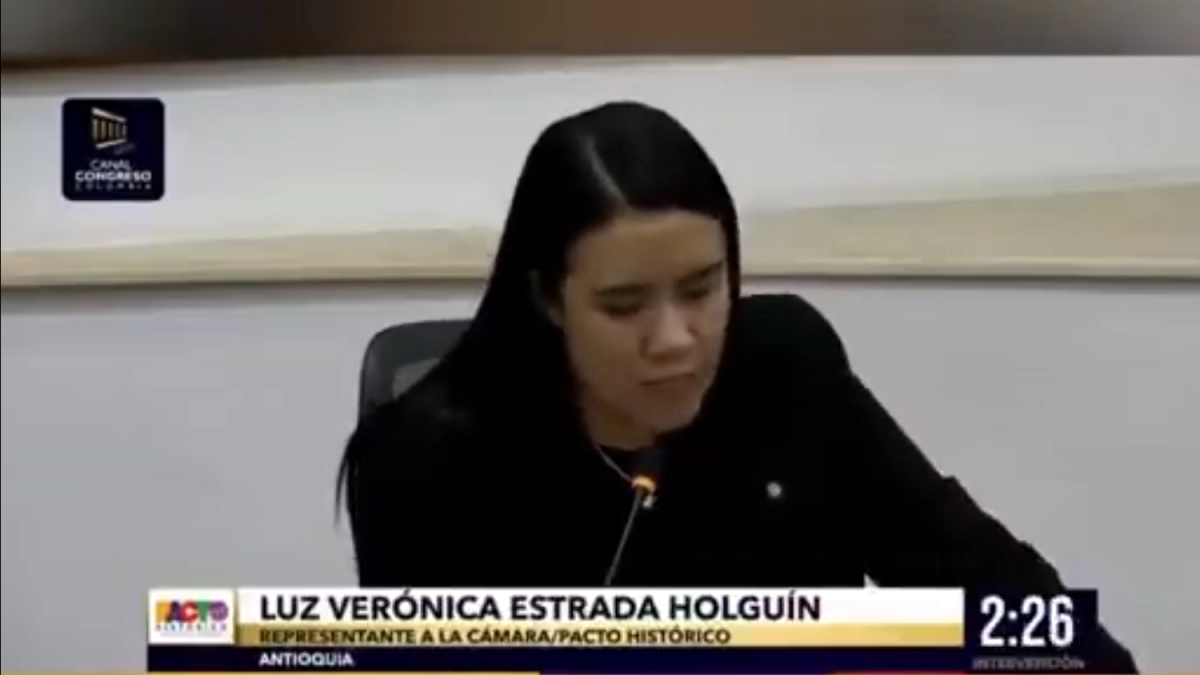
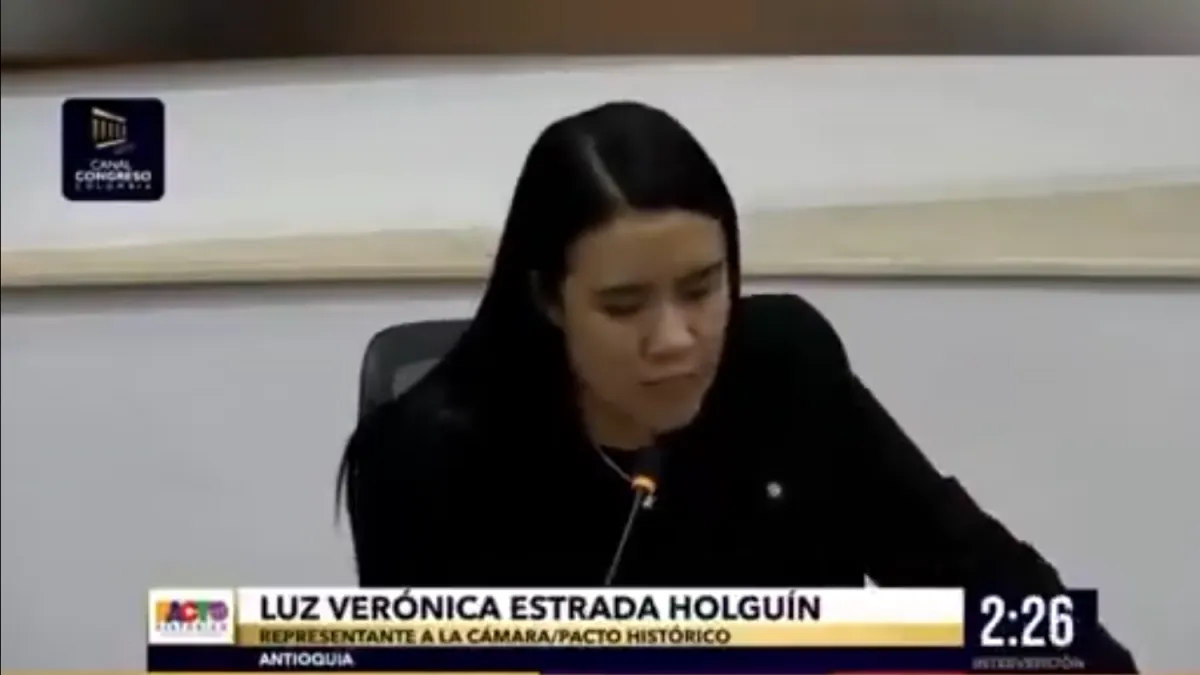
The skepticism surrounding Representative Estrada’s credentials did not emerge in a vacuum. It was the result of a performance in the Chamber of Representatives that raised immediate red flags among technical experts and academic observers. During a November 17, 2026, session of the Second Commission of the Chamber of Representatives, Estrada engaged in a heated debate with Minister Bula. Her commentary on the technical nuances of manganese extraction and national defense policy appeared to lack the rigor and foundational knowledge expected of an individual claiming a degree in Mining and Metallurgy.
Verónica Botero, former Dean of the Faculty of Mines at the Universidad Nacional, was among the first to publicly highlight the discrepancy. "With that exchange with the chancellor, it was obvious to anyone with a background in the field that this woman is not a mining engineer," Botero stated. This public critique served as the catalyst for an investigative dive into the archives of one of Colombia’s most prestigious academic institutions.

Chronology of the Fraud Allegations
The timeline of the deception appears to span several years, suggesting a calculated attempt to legitimize her professional standing through falsified documentation.
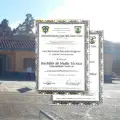
- November 16, 2021: The date inscribed on the primary, allegedly fraudulent, diploma presented by Estrada, claiming a degree in Mining and Metallurgy from the Universidad Nacional de Colombia.
- 2024: Initial reports indicate that the university began detecting irregularities in the documentation presented by the congresswoman, leading to internal alerts being raised within the institution’s administrative offices.
- 2025: The university intensified its scrutiny. On October 16, 2025, a formal verification request was submitted to the institution’s academic registry.
- October 23, 2025: The Universidad Nacional issued a formal clarification confirming that the documentation presented to the Consejo Profesional Nacional de Ingeniería (COPNIA) did not originate from their offices.
- November 17, 2026: The public debate in the Chamber of Representatives brings the issue to the national spotlight, prompting a renewed surge of institutional pressure.
- November 19, 2026: The scandal reaches a boiling point as the university confirms that both the diploma and the physical signatures are verified as forgeries.
The Anatomy of the Forgery
The investigation conducted by the Universidad Nacional has been thorough and devastating for the representative’s reputation. By cross-referencing physical and digital archives, the university concluded that Estrada Holguín’s name does not appear in the registry of graduates for the Engineering of Mines and Metallurgy program at the Medellín campus.
The "Signature" Scandal
One of the most damning pieces of evidence involves the signature of former Dean Verónica Botero. In a bold move on the social media platform X, Botero directly addressed the document bearing her name. "Presumably not, it is completely false. That is not my signature," she wrote.
This act of forgery carries significant weight. In the context of academic administration, the diploma serves as a vital public document. The fabrication of such a document involves not only the creation of a fake title but the misappropriation of a public official’s signature, which is a criminal offense under the Colombian penal code.
The Role of Administrative Oversight
Botero explained that the university’s verification process is standardized and rigorous. It involves checking specific serial numbers, diploma records, and degree acts against the central database. When the COPNIA—the regulatory body for engineering in Colombia—received the documents, they were unable to validate the credentials, prompting the university to declare that the paperwork had never been issued by their institution.
Official Institutional Responses
The Universidad Nacional has adopted a zero-tolerance policy regarding the misuse of its name and reputation. The administration has confirmed that they have formally referred the case to the Office of the Attorney General (Fiscalía General de la Nación).
"When a university discovers a potential crime related to its documents, it is our duty to inform the authorities," stated a university spokesperson. The institution is now conducting a comprehensive audit of its security protocols to determine how such a convincing forgery could have been generated and to ensure that, in the future, the verification of academic degrees is even more shielded from external manipulation.
Furthermore, reports suggest that this is not an isolated incident. Emerging information indicates that a secondary document—a high school diploma (bachiller)—presented by the representative may also be subject to investigation for similar signs of forgery.

Legal and Political Implications
The implications for Representative Estrada are severe. Under Colombian law, "Falsedad en documento público" (falsification of a public document) is a serious crime that carries significant prison time.
Ethical and Legislative Consequences
Beyond the criminal implications, the political fallout is immense. The Pacto Histórico, the party that counts Estrada among its ranks, now faces a crisis of ethics. The presence of a lawmaker in the legislative branch whose foundational credentials are built on a lie undermines the public’s trust in the institution.

Political analysts argue that even if legal proceedings take time to reach a verdict, the moral authority of the representative has been irreparably damaged. The use of fake titles to gain professional or political status is a direct affront to the thousands of legitimate professionals who have earned their degrees through years of rigorous academic effort.
The Precedent of Accountability
The case of Luz Verónica Estrada will likely set a precedent for how the Colombian government handles the verification of credentials for elected officials. Calls are already mounting for a mandatory, centralized digital verification system for all professional degrees presented by candidates running for public office. By requiring candidates to undergo a background check regarding their education, the electoral process could be protected from individuals seeking to bypass meritocracy.

Conclusion: A Demand for Transparency
As the Fiscalía General de la Nación begins its investigation into the documents, the Colombian public remains expectant. The defense of academic integrity is not merely an institutional matter for the Universidad Nacional; it is a matter of national importance. If a representative is willing to falsify their own educational history, it raises questions about the legitimacy of their legislative agenda and their fitness to hold public office.
For now, Representative Estrada remains under the microscope. The evidence presented by the university, the disavowal of signatures by former deans, and the ongoing criminal inquiry suggest that the path forward will be difficult. This case stands as a stark reminder of the importance of transparency, the power of institutional oversight, and the enduring necessity of truth in the halls of government.

As the legal proceedings unfold, the focus will remain on whether the rule of law will be applied equally to those who create the laws, ensuring that the legislative body remains a place of integrity, honor, and verifiable service.