Published: November 10, 2026
Section: Life & Wellness / Nutrition
Main Facts
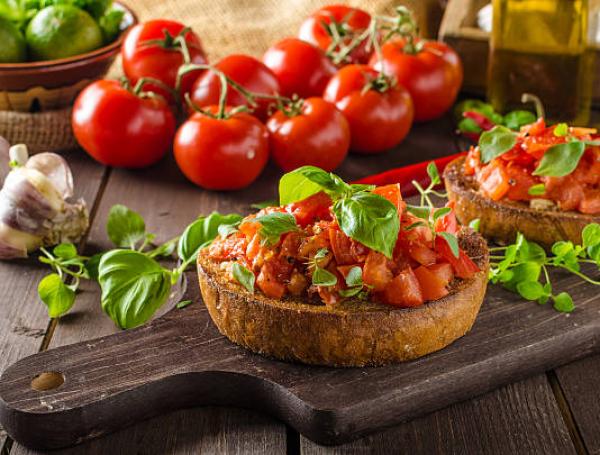
In an era dominated by hyper-elaborated culinary trends, aesthetic social media brunch boards, and complex superfood smoothie bowls, the foundation of a nutritionally sound morning meal may be much simpler than society believes. According to prominent nutritionist Fran Susín, a quality breakfast does not require an exhaustive roster of expensive ingredients or complicated preparation methods. Instead, Susín advocates for a return to minimalist Mediterranean roots—specifically, a classic combination of quality bread, ripe tomatoes, and cured ibérico ham.

However, nutritionists and public health bodies emphasize that not all breakfast toasts are created equal. The overall nutritional value of this morning staple relies heavily on three pivotal variables:
- The processing level and biological quality of the bread chosen.
- The fiber and antioxidant contributions of the tomato component.
- The selection and moderation of the protein and fat source, keeping in mind the distinction between whole foods and processed meats.
While this traditional three-ingredient combination offers a balanced macronutrient profile—delivering clean carbohydrates, fats, and proteins—experts urge consumers to scrutinize food labels closely. The modern supermarket is saturated with refined substitutes, heavily salted alternatives, and industrial ultra-processed products that can quietly sabotage an otherwise health-conscious diet. Ultimately, nutrition science dictates that variety, ingredient integrity, and mindful consumption remain the true cornerstones of long-term metabolic health.

Chronology of a Dietary Trend
The Evolution of the Morning Meal
To understand why simple toasts like Susín’s have captured public attention, one must examine how breakfast habits have evolved over the last several decades.
- The Mid-20th Century Shift: Breakfast transitioned from heavy, labor-intensive agrarian meals to quick, convenience-driven options. This era gave rise to heavily processed breakfast cereals stripped of their natural fiber and heavily fortified with synthetic vitamins, accompanied by white sliced bread.
- The Rise of the "Superfood" Era (2010s): Social media platforms revolutionized food culture. Breakfast became an aesthetic exercise. Elaborate avocado toasts smothered in microgreens, chia seed puddings, and acai bowls loaded with hidden sugars dominated digital feeds, often leading consumers to believe that a healthy morning meal required specialized, expensive ingredients.
- The Post-Pandemic Backlash (Mid-2020s): Amid economic tightening and a growing fatigue with complex wellness culture, a counter-movement emerged. Nutritionists and fitness professionals began leveraging social media to promote "back-to-basics" nutrition.
- The Recent Viral Shift (Late 2025–2026): Fran Susín’s viral post demonstrating his post-workout breakfast—a simple, unpretentious toast topped with crushed tomatoes and ibérico ham—resonated widely. It challenged the notion that wellness must be complicated, reminding consumers of the power embedded in traditional Mediterranean dietary patterns.
Supporting Data and Nutritional Breakdown
To accurately assess the health impact of a tomato, bread, and ham toast, nutrition science requires a granular look at each component.
1. The Bread: The Foundation of Carbohydrates and Fiber
The nutritional value of a piece of toast begins fundamentally with the flour and fermentation process.
- Refined vs. Whole Grains: Traditional white bread undergoes a milling process that strips away the grain’s nutrient-dense outer layer (the bran) and the reproductive core (the germ). What remains is primarily endosperm, which digests rapidly and causes sharp spikes in blood glucose levels.
- The Whole Grain and Sourdough Advantage: In contrast, whole-grain and authentic sourdough varieties preserve these essential components. According to research from the Harvard T.H. Chan School of Public Health, dietary fiber plays a vital role in human physiology by physically slowing down the enzymatic digestion and absorption of carbohydrates. This attenuation prevents glycemic rollercoasters, enhances satiety hormones, and supports a diverse gut microbiome. Furthermore, traditional slow-fermentation sourdough methods break down phytic acid, making minerals like magnesium, iron, and zinc more bioavailable to the human body.
2. The Tomato: Hydration, Antioxidants, and Micronutrients
Serving as both a flavor enhancer and a moisture source, the tomato replaces heavy, fat-laden commercial spreads and sauces.

- Nutritional Profile: Tomatoes are rich in vitamin C, potassium, folate, and vitamin K.
- The Power of Lycopene: More importantly, they contain high concentrations of lycopene, a potent carotenoid antioxidant associated with a reduced risk of cardiovascular disease and certain types of cancer. Integrating fresh or crushed tomatoes into a morning meal allows individuals to achieve high flavor profiles without the hidden sodium, high-fructose corn syrup, or emulsifiers found in store-bought condiments.
3. The Protein Source: Balancing Ibérico Ham and Alternative Proteins
The inclusion of ibérico ham provides essential proteins and fats, but it also opens a broader conversation regarding morning protein sources.
- Macronutrient Balance: Proteins are essential for muscle repair, especially for individuals who exercise in the morning, as Susín does. They also stimulate peptide YY and cholecystokinin, hormones that signal fullness to the brain.
- The Egg vs. Ham Debate: While Susín highlights ham, nutritionists point out that eggs remain an exceptional gold standard for breakfast proteins, offering a complete amino acid profile alongside choline (crucial for brain health) without the sodium baggage associated with cured meats.
Official Responses and Public Health Perspectives
While culinary influencers praise the minimalist toast, public health organizations urge caution regarding certain components of this popular dish.

The World Health Organization (WHO) and Processed Meats
A critical point of discussion centers on the classification of ibérico ham. While prized globally for its rich flavor, monounsaturated fat profile (oleic acid, similar to olive oil), and artisanal curing methods, it remains a form of cured meat.
- WHO Guidelines: The World Health Organization classifies processed meats—including ham, bacon, salami, and sausage—as carcinogenic to humans (Group 1) based largely on epidemiological data linking high consumption to colorectal cancer. Furthermore, the curing process requires significant amounts of sodium.
- Medical Consensus: Public health agencies advise that while traditional, high-quality ibérico ham is superior to mass-produced, chemically preserved deli meats, its consumption should still be approached with moderation. It should not automatically become a daily dietary staple, nor should individuals assume it poses zero metabolic risk simply because it is a culinary delicacy.
Insights from Clinical Dietitians
Independent clinical dietitians support Susín’s philosophy of simplifying meals, but they issue broad warnings against dogmatic eating.

- "There is no singular blueprint for a healthy breakfast," notes a leading clinical nutritionist based in Madrid. "While a whole-grain toast with tomato and quality protein can be part of a stellar morning routine, the human body thrives on dietary rotation. Swapping proteins between plant-based options, eggs, fish, and occasional quality meats ensures a broader spectrum of micronutrients."
Implications for Daily Life and Long-Term Wellness
Transitioning to a smarter, more balanced breakfast framework carries profound implications for personal health, household budgeting, and culinary culture.
1. Metabolic Stability and Energy Regulation
By upgrading from white refined toast to a fiber-dense, slow-fermented alternative topped with fresh produce and balanced proteins, individuals can dramatically alter their morning energy curve. Avoiding glycemic spikes prevents the mid-morning brain fog and reactive hypoglycemia that frequently drive people toward sugary emergency snacks.

2. Economic and Practical Sustainability
The minimalist approach champions financial pragmatism. Consumers do not need to spend exorbitant sums on exotic superfoods, imported powders, or complicated kitchen appliances to eat well. Traditional staples—flour, water, salt, seasonal tomatoes, and a modest portion of quality protein—are often more accessible, sustainable, and economically viable.
3. Cultivating Mindful Eating Habits
Beyond biochemistry, the simplicity of a Mediterranean-style breakfast encourages mindfulness. Preparing a piece of toast, slicing a fresh tomato, and plating a few delicate slices of cured ham requires intention. It slows down the morning ritual in an age of hyper-accelerated consumption.

4. Expanding the Horizon: Alternative Morning Pairings
For those looking to diversify beyond ham and tomato, nutritional experts recommend experimenting with other nutrient-dense additions:
- Extra Virgin Olive Oil (EVOO): A cornerstone of the Mediterranean diet, offering high amounts of polyphenol antioxidants and healthy monounsaturated fats.
- Avocado: Provides potassium and creamy texture, acting as a vehicle for healthy plant-based fats.
- Nuts and Seeds: Walnuts, almonds, or chia seeds sprinkled on yogurt or side bowls offer alpha-linolenic acid (ALA), a plant-based omega-3 fatty acid beneficial for heart health.
- Fermented Dairy: Plain, unsweetened Greek yogurt or kefir provides probiotics that nourish the gut-brain axis.
Conclusion
Ultimately, the viral breakfast debate championed by experts like Fran Susín serves as a timely reminder: healthy eating does not require over-engineering. By prioritizing ingredient integrity over marketing labels, embracing dietary variety, and listening to clinical public health guidelines regarding processed items, individuals can transform their morning routine into a powerful engine for long-term vitality.