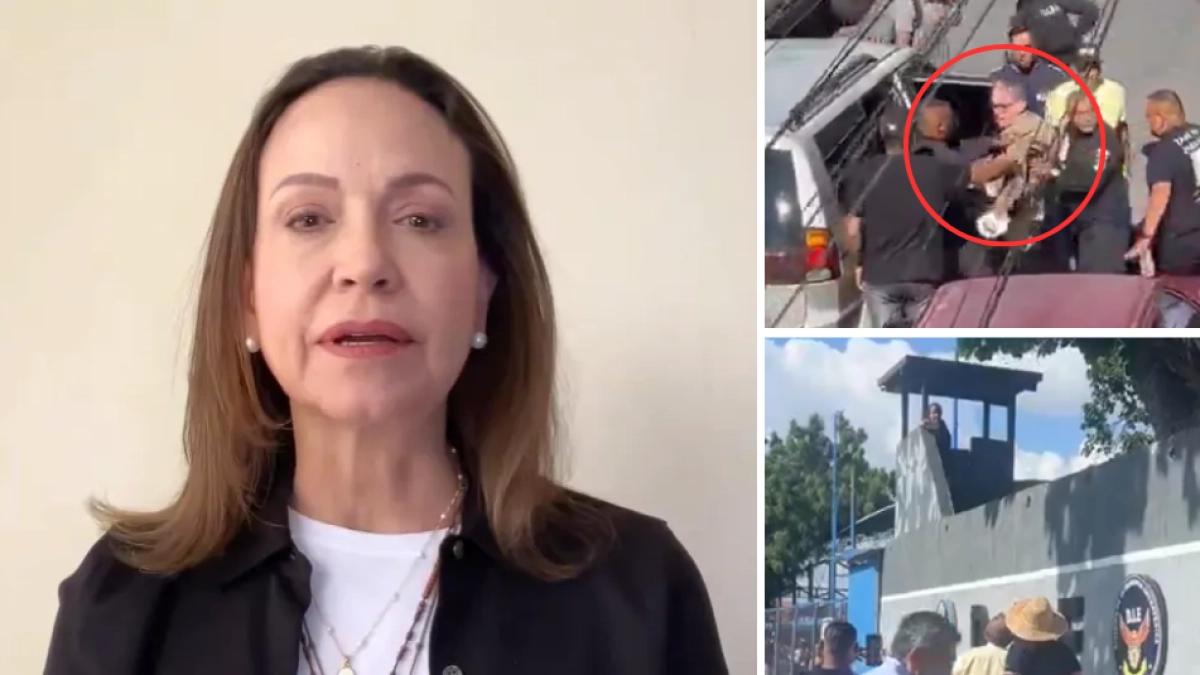
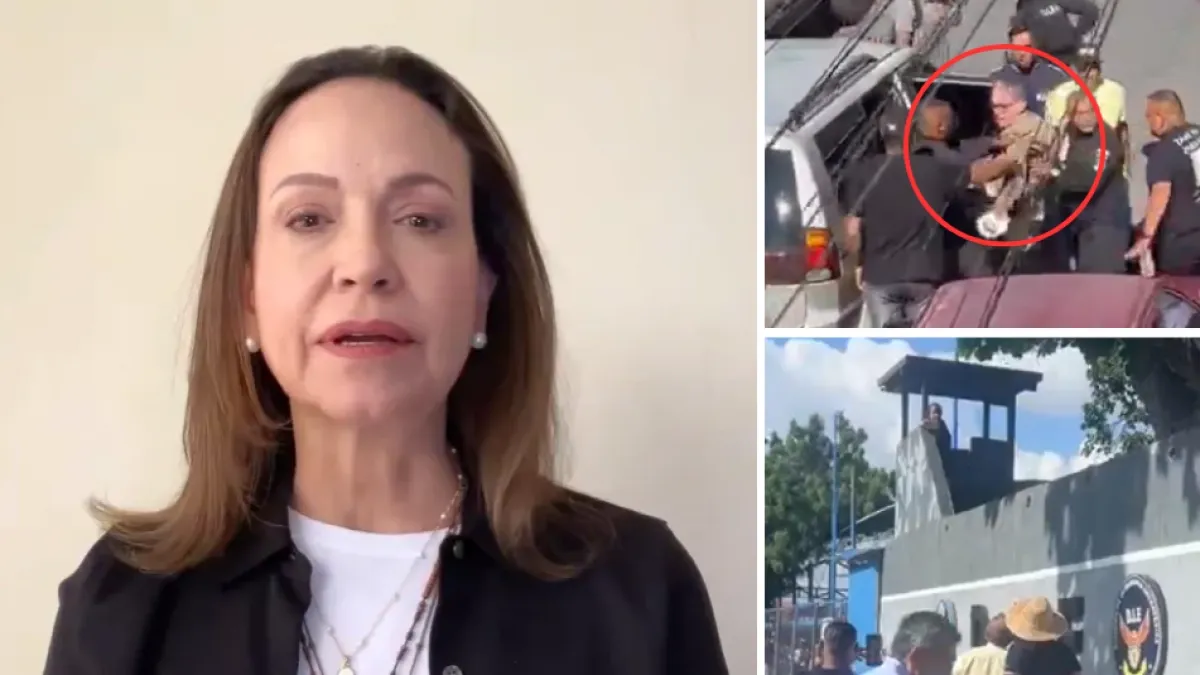
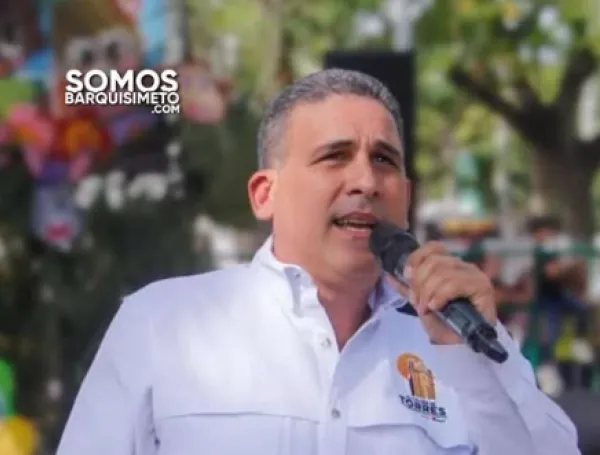
The political landscape of Venezuela has once again been cast into turmoil following the detention of former mayor Javier Oropeza. Oropeza, a prominent opposition figure who recently returned to his homeland after spending two years in exile in Spain, was taken into custody on Thursday, September 17, 2026. The arrest occurred merely a day after a local court officially granted the dismissal and over-sealing (sobreseimiento) of the long-standing, politically motivated legal case against him.
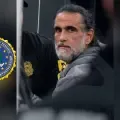
According to statements released by the country’s premier opposition coalition, the Plataforma Unitaria Democrática (PUD), Oropeza was apprehended by tactical units inside the offices of the regional newspaper El Informador, located in Barquisimeto, the capital of the western state of Lara. Eyewitness accounts and reports from allied political parties confirmed that agents from the Criminal Investigation Division (DIP) of the National Police executed the operation.
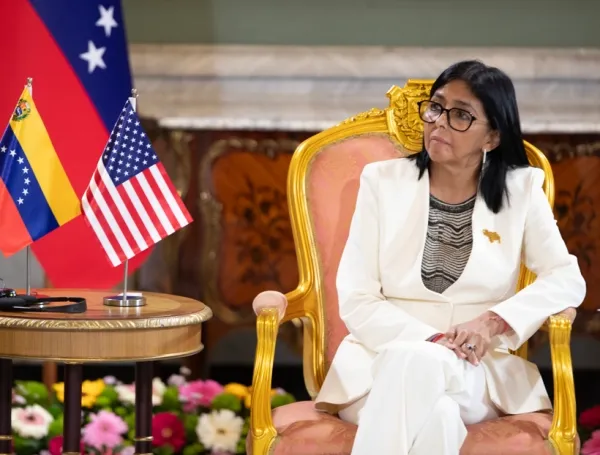
The timing of Oropeza’s detention has sent shockwaves through diplomatic and domestic circles. It coincided precisely with the inauguration of the second cycle of mediated political talks—sponsored and promoted by the United States—between representatives of the current Venezuelan government under interim President Delcy Rodríguez and a contingent of exiled and local opposition politicians. These crucial negotiations are ostensibly designed to chart a roadmap toward a peaceful democratic transition, focusing heavily on the establishment of basic civil and political guarantees, institutional reforms, and the absolute safeguarding of freedom of expression.
Instead of signaling an era of reconciliation, the arrest has provided immediate ammunition to critics who argue that the state’s repressive apparatus remains fully functional, operating with impunity despite ongoing international dialogues.
Chronology of Events
To understand the gravity of Javier Oropeza’s detention, it is necessary to examine the rapid sequence of events that preceded and followed his return to Venezuela:
September 2024 – August 2026: Javier Oropeza remains in forced exile in Spain, acting as a vocal critic of the administration and maintaining his ties to regional opposition networks in the state of Lara, where he previously served as the mayor of the sprawling municipality of Torres.
Early September 2026: Oropeza announces his decision to repatriate, trusting preliminary legal signals and back-channel discussions regarding the normalization of political statuses for returning dissidents.
Wednesday, September 16, 2026: A Venezuelan court formally issues a legal over-sealing (sobreseimiento), officially dropping the politically charged criminal charges that had forced Oropeza into exile years prior. The move is initially celebrated by his legal team as a step toward legal security.
Thursday, September 17, 2026 (Morning): The second cycle of the U.S.-promoted political transition dialogue between the Rodríguez administration and opposition representatives kicks off, aiming to address human rights and civil liberties.
Thursday, September 17, 2026 (Afternoon): Agents from the National Police’s Criminal Investigation Division (DIP) raid the offices of El Informador in Barquisimeto and take Javier Oropeza into custody, ignoring the court’s dismissal order issued less than 24 hours prior.
Thursday, September 17, 2026 (Evening): Prominent opposition leaders, including former lawmakers Juan Pablo Guanipa and Freddy Superlano, march to the DIP headquarters in Barquisimeto to demand answers, while digital platforms explode with condemnation from María Corina Machado and major political parties.
Friday, September 18, 2026: Human rights organizations and international observers intensify calls for immediate answers regarding Oropeza’s exact whereabouts and physical condition, as mounting pressure targets the interim government of Delcy Rodríguez.
Supporting Data and Institutional Context
The arrest of Oropeza does not occur in a vacuum; it is part of a systemic pattern of harassment that has persisted well into the post-Maduro transitional phase. Following the dramatic U.S. military and intelligence intervention on January 3, 2026, which led to the capture and removal of Nicolás Maduro, expectations soared regarding an immediate democratization of the country’s public institutions. However, empirical data and international monitoring reports paint a sobering picture.
Just one day prior to Oropeza’s capture, the United Nations Independent International Fact-Finding Mission on Venezuela released an exhaustive evaluation of the nation’s human rights climate for 2026. The UN panel delivered a stark warning: while certain cosmetic, surface-level improvements have been permitted by the state, the core machinery of political repression remains entirely "intact."
According to the UN report:
Legal Arsenal: The vast array of draconian laws utilized historically to criminalize political dissent, civil activism, and independent journalism remains completely active in the national legal code.
Security Structures: The intelligence services (such as the SEBIN and DGCIM) and specialized police units (like the DIP) retain their original command hierarchies, operational doctrines, and patterns of arbitrary detention.
Paramilitary Elements: No substantive actions have been undertaken by the interim government to disarm, dismantle, or prosecute the pro-government paramilitary groups known locally as colectivos, which continue to function as instruments of localized terror and intimidation.
This systemic continuity is further evidenced by recent localized crackdowns. For instance, in May 2026, Yoel Sucre—a prominent local activist affiliated with María Corina Machado’s political network—was arbitrarily detained and subsequently released under draconian bail conditions requiring mandatory court presentations every 30 days. Fundehullan (the Foundation for Human Rights of Los Llanos) documented that prosecutors repeatedly attempted to slap Sucre with fabricated terrorism charges under a legal docket that had supposedly been closed.
Furthermore, the country continues to grapple with staggering economic and infrastructural crises. Recent estimates indicate that Venezuela requires upwards of $21 billion merely to rebuild and stabilize basic infrastructure following a compounding series of natural disasters, including severe seismic events, highlighting an administration stretched thin and heavily reliant on authoritarian control mechanisms to maintain internal stability.
Official Responses and Political Condemnations
The backlash against Oropeza’s detention was swift, unified, and scathing across the entire spectrum of Venezuela’s democratic opposition.
María Corina Machado, the Nobel Peace Prize laureate and primary unifying figure of the anti-regime movement, did not mince words when addressing the incident. Taking to social media platform X (formerly Twitter), Machado stated unequivocally:
"This is the true nature of this regime. That is why the entire country detests them, and that is why we are going to defeat them. Stay strong, Javier! There will be justice."
Major political formations quickly amplified her sentiments. Parties such as Voluntad Popular (VP) and Vente Venezuela (VV) issued joint and individual communiqués demanding the immediate, unconditional release of the former mayor of Torres. The Human Rights Committee of Vente Venezuela explicitly blamed the interim administration, warning that state-sponsored persecution has not skipped a beat under Delcy Rodríguez’s watch.
Demonstrating personal solidarity and defiance, high-profile opposition figures Juan Pablo Guanipa and Freddy Superlano traveled directly to the Barquisimeto headquarters of the DIP. Videos circulated widely on digital networks showing the leaders demanding entry and accountability from the police officials guarding the facility, turning Oropeza’s detention into an immediate focal point for physical mobilization.
Conversely, as of the publication of this report, representatives of the interim government and the Ministry of Interior Affairs have maintained a strategic silence, refusing to issue a formal justification for why a citizen with a court-ordered over-sealing was apprehended by elite police units hours after returning from legal exile.
Implications for the Venezuelan Transition
The apprehension of Javier Oropeza carries profound, far-reaching implications for the viability of the ongoing political transition in Venezuela:
Undermining Diplomatic Mediation: By arresting a high-profile returning exile on the exact day that U.S.-backed negotiations recommenced, the security forces have sent an unmistakable signal that hardline factions within the state apparatus possess veto power over diplomatic agreements. This directly threatens the credibility of the dialogue table.
The Illusion of Reform: The incident shatters the narrative promoted by some international actors that Venezuela is undergoing a genuine, institutional democratization. It proves that possessing a legal court order or participating in transitional agreements offers no real protection against arbitrary state power.
Chilling Effect on Exiles: One of the primary goals of the transitional framework was to encourage the safe return of millions of displaced Venezuelans, including political dissidents, business leaders, and intellectuals, to help rebuild the nation. The targeting of Oropeza immediately upon his return acts as a severe psychological deterrent, likely freezing further repatriation efforts.
Heightened Domestic Tensions: With leaders like Machado calling for renewed resistance and opposition heavyweights confronting police stations directly, the incident risks catalyzing fresh waves of social unrest. The fragile peace bought by the post-Maduro restructuring is being severely tested by institutional lawlessness.
Ultimately, the case of Javier Oropeza stands as a litmus test for the international community and domestic stakeholders alike. Whether the transitional process can overcome the entrenched, repressive reflexes of Venezuela’s security apparatus remains one of the defining questions of the geopolitical landscape in late 2026.
Washington D.C. — In an escalating political standoff that underscores growing fractures within the conservative coalition, U.S. Representative María Elvira Salazar has issued a direct and scathing critique of President Donald Trump’s immigration agenda. Standing…
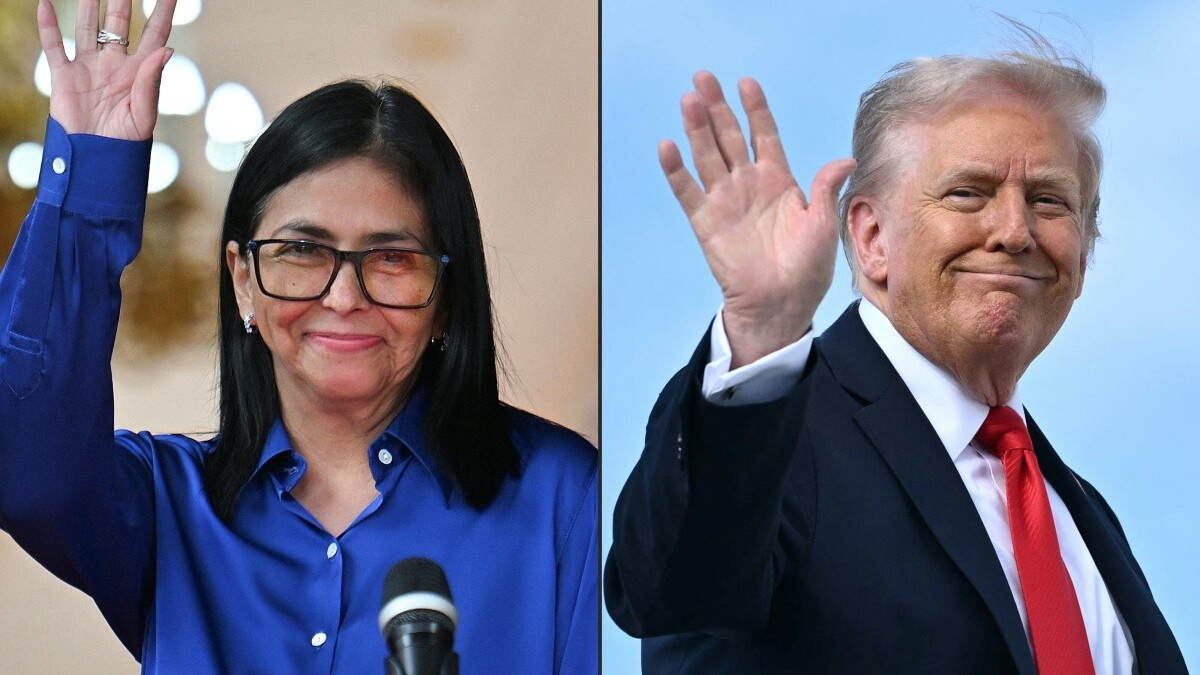
NEW YORK — In a diplomatic development that has immediately captured global attention, the White House announced on Friday, September 18, 2026, that United States President Donald Trump is scheduled to hold a high-level meeting…
By International Desk Published: September 25, 2026 Main Facts In a landmark legal development that could redefine corporate accountability in the digital age, a state court jury in New Mexico determined on Friday that Meta—formerly…