By Angie Rodríguez / Environmental Journalism Desk
Updated: September 25, 2026
Main Facts
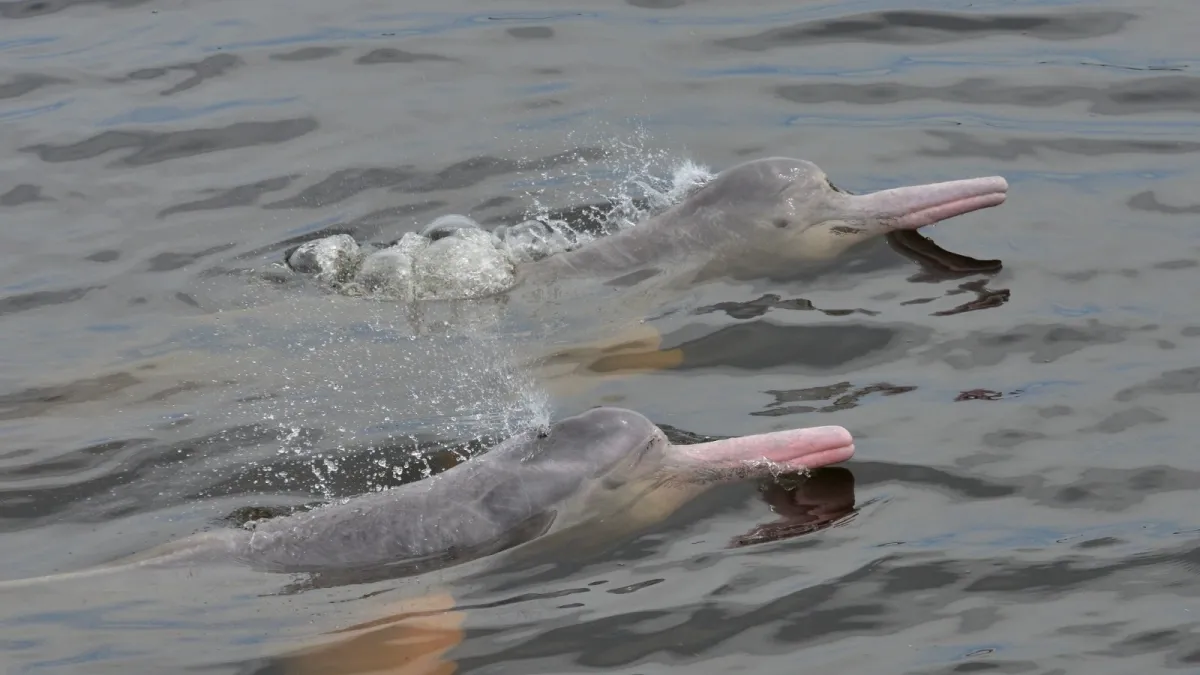
In anticipation of the severe hydrological disruptions brought on by the arrival of the El Niño phenomenon, the Ministry of Environment and Sustainable Development has enacted a binding directive establishing proactive measures to safeguard four highly threatened aquatic mammal species. The species prioritized under this sweeping conservation framework include the Antillean manatee (Trichechus manatus manatus), the Amazonian manatee (Trichechus inunguis), the pink river dolphin (Inia geoffrensis), and the tucuxi (Sotalia fluviatilis).
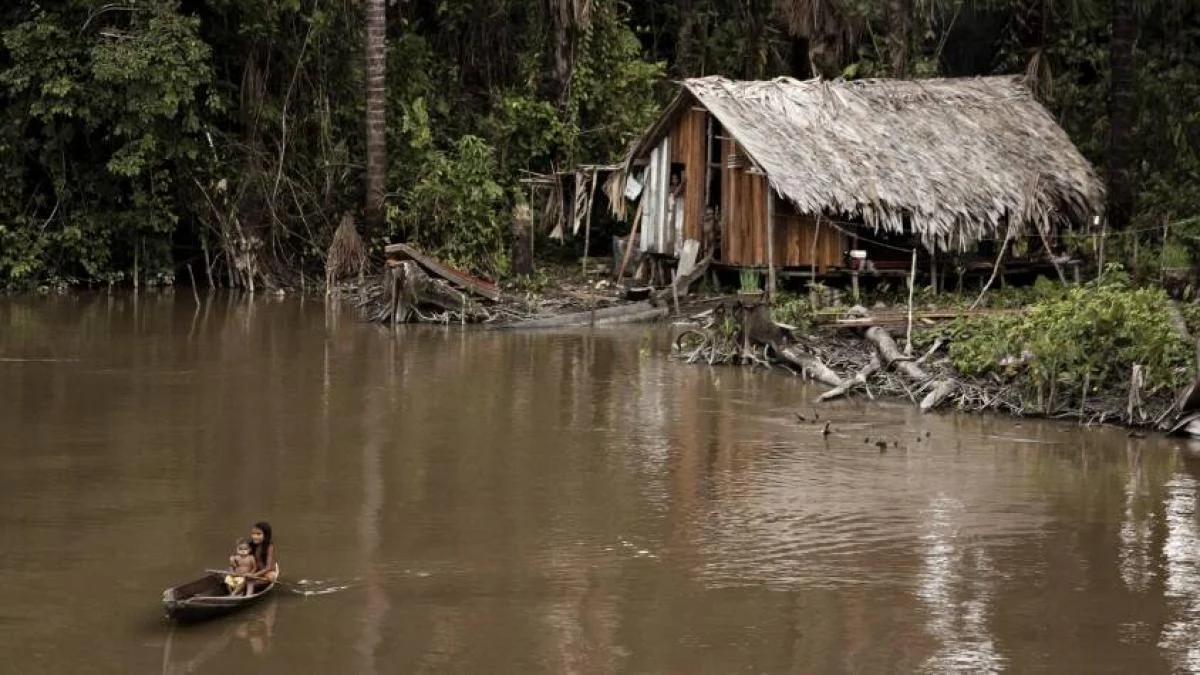
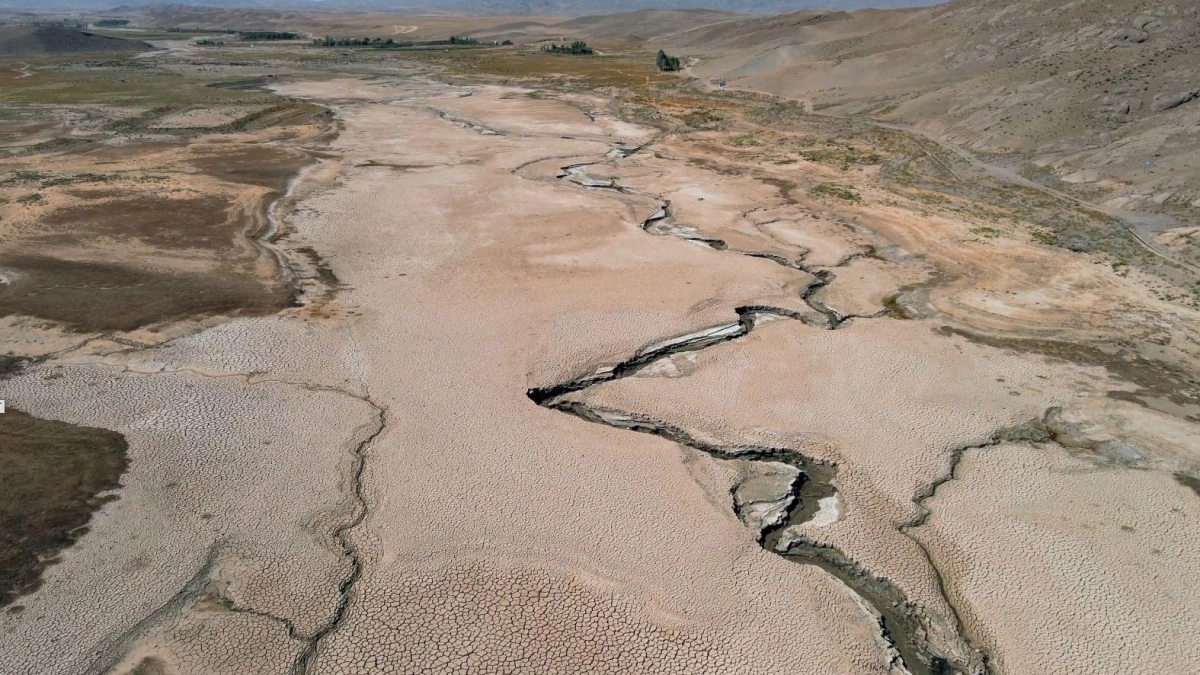
As prolonged droughts threaten to deplete critical water levels across rivers, ciénagas (swampy wetlands), and tropical floodplains, these flagship species face immediate risks. The government’s new guidelines aim to preemptively address scenarios such as habitat fragmentation, animal isolation in critically shallow pools, dangerous physical atrapments, mass strandings, and potential mortalities.
The strategy mandates robust collaboration among regional autonomous corporations, members of the National Environmental System (SINA), specialized research institutes, local communities, and traditional fishermen. Key operational measures include continuous ecosystem monitoring, the temporary restriction of commercial and industrial fisheries in designated critical refuges, the prevention of nearby forest fires, and the implementation of a standardized three-tier intervention protocol for distressed wildlife—ranging from passive monitoring to active rescue and, under strict veterinary supervision, humane euthanasia.
Chronology: The Escalation of El Niño and Institutional Preparedness
The timeline leading up to the September 2026 ministerial directive highlights a growing institutional awareness regarding the escalating vulnerability of tropical aquatic ecosystems to climate anomalies.
- Early 2025 – Mid-2025 (Early Climate Signals): Climatological models begin to detect the initial oceanic and atmospheric anomalies pointing toward the cyclical return of the El Niño-Southern Oscillation (ENSO). Environmental agencies across the Caribbean, Orinoco, and Amazon basins register abnormal precipitation drops and early temperature spikes.
- Late 2025 (Grassroots Alerts): Regional environmental networks, including the Middle Magdalena Manatee Stranding Network, report localized distress among aquatic mammal populations due to premature drying in secondary tributaries. Conservationists lobby the national government for systemic, preemptive protocols rather than reactive, ad-hoc responses.
- January – August 2026 (Inter-Institutional Drafting): Recognizing the impending severity of the drought cycle, the Ministry of Environment collaborates with specialized research centers—such as Invemar, the Sinchi Institute, the IIAP, and the Humboldt Institute—to map historical stranding zones and identify critical ecological refuges.
- September 25, 2026 (Official Issuance of the Directive): Minister of Environment and Sustainable Development Fabio Arjona officially signs and issues the comprehensive circular. The framework establishes mandatory monitoring routines, emergency response protocols, and multi-agency coordination pathways to protect the four target species before catastrophic mortality events materialize.
Supporting Data and Ecological Metrics
To understand the gravity of the Ministry’s intervention, one must examine the baseline vulnerabilities of the species involved and the specific parameters defining a localized environmental disaster.

The Target Species
- Antillean Manatee (Trichechus manatus manatus): Inhabiting coastal areas, large rivers, and estuarine systems of the Caribbean basin, this subspecies is highly susceptible to being trapped in shrinking oxbow lakes as water levels recede.
- Amazonian Manatee (Trichechus inunguis): Confined entirely to the freshwater systems of the Amazon basin, these mammals rely heavily on flooded forests (varzea). Extended dry periods trap them in isolated lagoons devoid of adequate aquatic vegetation and vulnerable to poaching and high water temperatures.
- Pink River Dolphin or Boto (Inia geoffrensis): As South America’s largest river dolphin, its reliance on main river channels and flooded plains makes it vulnerable when rapids and shallow stretches become impassable barriers.
- Tucuxi (Sotalia fluviatilis): A smaller freshwater dolphin sharing habitats with the boto in the Amazon and Orinoco basins, facing identical threats of spatial confinement and depleted fish stocks.
Thresholds for Crisis Intervention
The ministerial circular establishes strict quantitative criteria to trigger inter-agency emergency responses:
- Mass Mortality Threshold: Formally defined as any event involving three or more affected individuals discovered within a 10-kilometer radius over a continuous 30-day period.
- Intervention Tiers:
- Passive Monitoring: Deployed when animals are in shallow water but show normal behavior, adequate mobility, and access to food.
- Active Rescue and Relocation: Executed when an animal is completely isolated in a rapidly drying pool or exhibits signs of distress requiring human intervention to transfer it to deeper, safer waters.
- Euthanasia: Authorized exclusively by a certified wildlife veterinarian, backed by the written consent of the competent environmental authority, and strictly limited to cases of severe, irreversible suffering where survival is biologically impossible.
Official Responses and Stakeholder Perspectives
The rollout of the new measures has drawn coordinated backing from government leadership, scientific entities, and regional conservation networks.
Highlighting the necessity of a paradigm shift from crisis management to proactive mitigation, Environment Minister Fabio Arjona emphasized the core philosophy behind the policy:

"El Niño requires us to anticipate, to bring the state’s capacity directly into the territories, and to work in a coordinated manner with local communities and environmental authorities."
Complementing the Ministry’s stance, research directors from the SINA network have underscored the importance of unified data pooling. Institutes like Invemar and the Humboldt Institute will serve as analytical hubs, integrating field reports on water levels, temperature anomalies, and mortality counts in real-time.
Furthermore, local authorities in high-risk departments across the Amazon, Orinoquía, and Caribbean regions have been instructed to set up dedicated emergency hotlines. Concurrently, public awareness campaigns are being deployed to urge fishers and riverine communities against attempting amateur rescues, which often induce fatal stress in wild marine and freshwater mammals, stressing that citizens must act solely as observers and reporters.

Broader Implications for Conservation and Disaster Risk Management
The implications of this ministerial framework extend far beyond the immediate welfare of the four targeted mammal species. By tying localized wildlife preservation to broader climate adaptation strategies, Colombia is setting a new precedent for handling climate-induced ecological strain.
1. Inter-Sectoral Disaster Response
For the first time in such specific wildlife contexts, severe mortality events automatically invoke the operational machinery of the National Unit for Disaster Risk Management (UNGRD) and the Ministry of Health. This cross-sectoral integration ensures that environmental crises are treated not merely as biological incidents, but as holistic public health and regional stability challenges—particularly given that drying riverbeds also threaten human water supplies, sanitation, and regional food security.
2. Habitat Protection and Fire Prevention
The circular recognizes that droughts do not occur in a vacuum. By explicitly ordering the reinforcement of wildfire prevention measures around rivers, wetlands, and ciénagas, the government is addressing secondary environmental threats. Forest fires near water bodies drastically elevate water temperatures, reduce dissolved oxygen levels, and introduce toxic ash runoff, transforming potential wildlife refuges into lethal chemical traps.

3. Economic and Social Trade-offs
The implementation of temporary commercial and industrial fishing bans in critical refuges underscores the difficult socio-economic choices required during intense El Niño cycles. While these restrictions may cause temporary hardships for local fishing economies, they are vital to preserve dwindling fish stocks—ensuring both the survival of apex predators like dolphins and manatees, and the long-term sustainability of regional artisanal fisheries.
Ultimately, the comprehensive strategy deployed by the Colombian government represents an evolving blueprint for tropical biodiversity conservation in an era of accelerating climate change, demonstrating that institutional foresight and community engagement remain the most effective buldrworks against ecological collapse.