
By Editorial Staff
Published: July 16, 2026
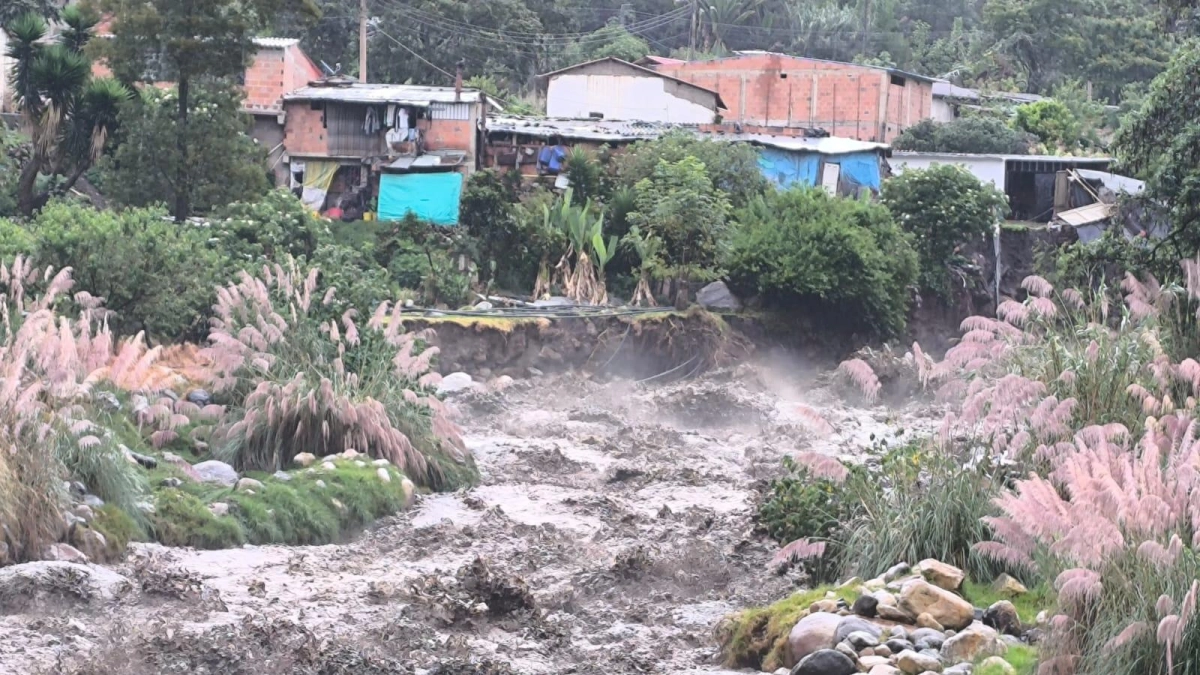
Colombia is currently grappling with a complex environmental paradox that has baffled citizens and tested the limits of disaster management agencies. While massive regions of the country remain under emergency protocols due to severe flooding, other departments are simultaneously battling the dry, tinderbox conditions that fuel forest fires. This climatic duality—where extreme precipitation and extreme aridity coexist—has prompted a wave of questions regarding the predictability of weather patterns under the influence of the El Niño-Southern Oscillation (ENSO).
The Institute of Hydrology, Meteorology, and Environmental Studies (Ideam) has issued a series of urgent alerts, mapping a nation divided by competing threats. While the Orinoquia region struggles with rising waters, the departments of Tolima and Cundinamarca are leading the nation in forest fire risks, and Casanare reports the highest number of red alerts for landslides.
The Geography of Risk: A Nationwide Breakdown
The complexity of Colombia’s current meteorological state is best illustrated by the distribution of alerts across its five natural regions.
The Orinoquia and the Threat of Inundation
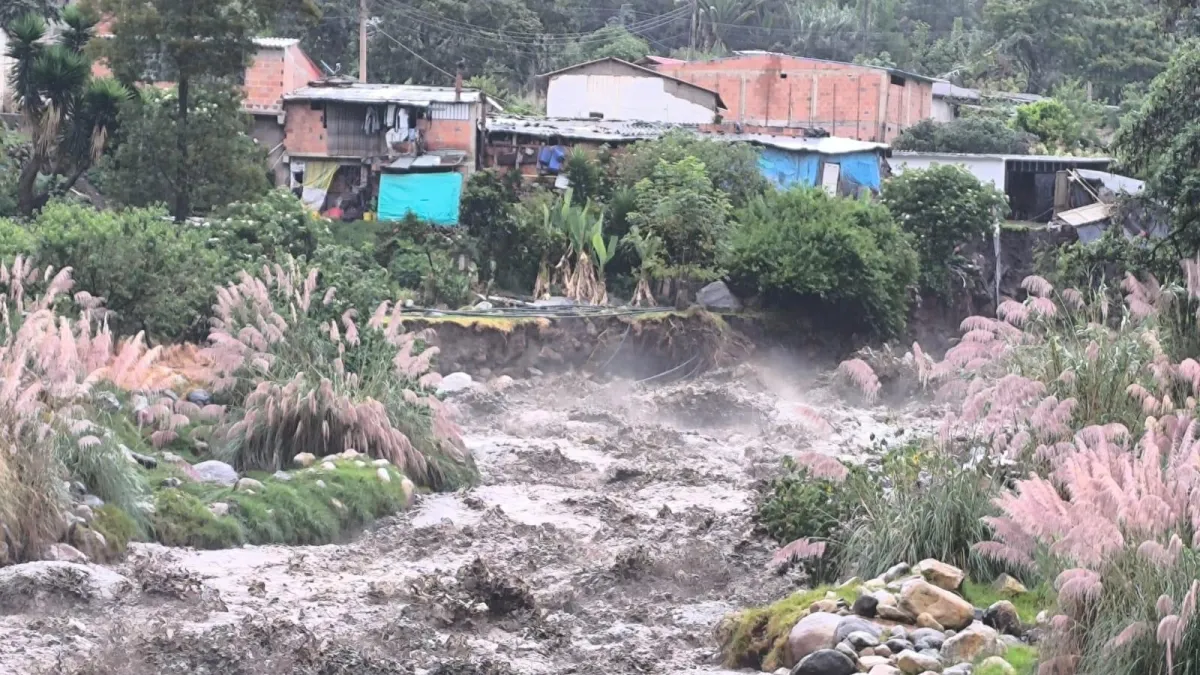
The Orinoquia region currently stands as the most vulnerable zone regarding water-related emergencies. Out of the 19 hydrographic zones currently under red alert, 16 are located within this territory, with the remainder scattered across the Amazon and the Magdalena-Cauca basin. The sheer volume of water currently affecting this area is testing the resilience of local infrastructure, which was perhaps ill-prepared for such intense saturation.
Beyond the red alerts, the Orinoquia, the Caribbean, the Pacific, and sections of the Amazon and Magdalena-Cauca are under orange alerts, signaling that local authorities must remain on high-frequency monitoring status.

The Landslide Corridor
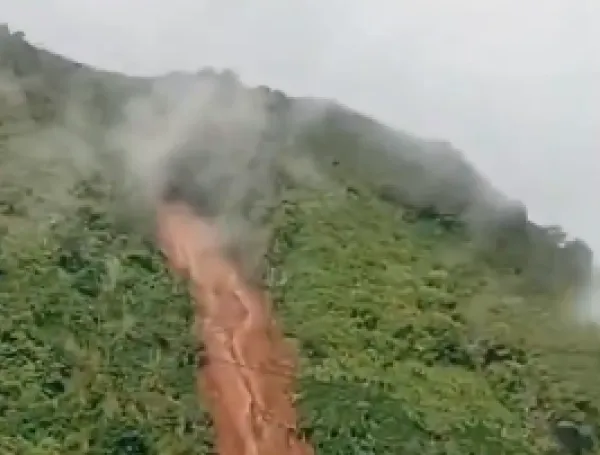
The threat of soil instability is perhaps the most dangerous variable in this equation. Landslides and mass movements are frequently triggered by the combination of oversaturated earth and geological fragility. Casanare leads the country with six sectors under red alert for landslides, followed closely by Arauca, Boyacá, and Putumayo. The geographic spread—affecting the Andes, the Pacific slopes, and the Orinoquia—suggests that no terrain is immune to the effects of the current weather volatility.
The Fire Front: Tolima and Cundinamarca
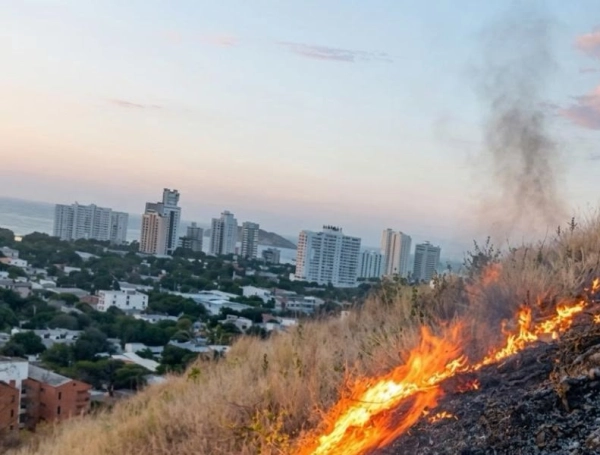
Contrasting sharply with the flooded regions, central Colombia is facing a severe dry spell. Tolima and Cundinamarca have become the focal points for forest fire prevention, with 33 and 23 sectors respectively under red alert. These areas are suffering from a lack of consistent rainfall, turning vegetation into fuel and creating a dangerous environment for both biodiversity and human settlement.
Chronology of a Climate Crisis
To understand the current situation, one must look back at the shift in atmospheric conditions that began in late 2025 and matured into the current 2026 cycle.
- Late 2025: Initial signs of the ENSO phase shift began to manifest. While forecasts predicted a standard El Niño pattern—typically characterized by warmer, drier weather—the expected drought did not materialize uniformly.
- January–March 2026: A transition period saw localized extreme weather. While some areas experienced the anticipated heat, others saw unseasonal storm systems fueled by warmer surface temperatures in the surrounding oceans.
- April–June 2026: The current "dual-threat" scenario solidified. The influence of the Intertropical Convergence Zone (ITCZ) and periodic tropical waves began interacting with the El Niño background, creating "bursts" of extreme rain in regions already under stress.
- July 2026: As of the current date, the country remains in a state of high alert. The government has had to manage two distinct crisis response frameworks: one for hydrological relief and another for wildfire suppression.
The Scientific Perspective: Decoding El Niño
The confusion among the public stems from a long-standing simplification of El Niño as a synonym for "drought." Meteorologists are working to clarify that while El Niño is a global driver of climate, its local manifestations are far more nuanced.
Eliecer Díaz: The Role of Tropical Waves
Meteorologist Eliecer Díaz explains that while we are in an El Niño phase, the atmosphere is not a static environment. "It is a common misconception that El Niño acts as a total shield against rain," Díaz notes. "We are seeing the passage of tropical waves and the influence of the Intertropical Convergence Zone, which can override the general drying trend of El Niño in specific regions."
Díaz emphasizes that Casanare, for example, is currently in its primary rainy season, which historically runs until mid-December. The current atmospheric configuration is forcing the El Niño effects to compete with seasonal norms, resulting in an unpredictable and often volatile outcome.
Benjamín Quesada: Non-Homogeneous Effects
Researcher Benjamín Quesada, who has studied the regional impacts of ENSO for years, points out that the impact of El Niño on Colombia is fundamentally heterogeneous. "The precipitation patterns in the Orinoquia and Casanare do not respond to El Niño in the same way they do in the Caribbean or the Andean regions," Quesada says. "You cannot apply a one-size-fits-all model to a country as geographically diverse as Colombia."
Quesada adds a crucial warning: even when a region experiences a general reduction in average rainfall, it does not preclude the occurrence of extreme precipitation events. "A lower average does not mean the absence of storms. It simply means that when the rain does come, it may be more intense or concentrated."
Beyond Weather: The Human and Structural Factor
Experts are quick to remind the public that weather is only half of the equation. Many of the current disasters, particularly the landslides and severe flooding, are exacerbated by human-driven environmental degradation.

- Soil Degradation: Years of intensive agricultural practices have left the soil less capable of absorbing water, leading to rapid runoff and flash flooding.
- Deforestation: The removal of forest cover on mountain slopes has removed the natural anchors that prevent landslides.
- Urban Encroachment: The occupation of riparian zones (riverbanks) has left communities directly in the path of rising waters, transforming a natural hydrological cycle into a human tragedy.
- Infrastructure and Waste: The improper disposal of solid waste is clogging drainage systems in urban centers, turning moderate rainfall into street-level floods.
Official Responses and Strategic Implications
The Colombian government, through the National Unit for Disaster Risk Management (UNGRD) and the Ideam, is currently coordinating a multi-sector response. The challenge is the logistical strain of shifting resources between fire-fighting equipment in the central regions and flood-relief supplies in the Orinoquia.
Strategic Recommendations
- Strengthened Monitoring: Authorities are urging regional committees to maintain 24/7 surveillance of river levels and mountain slopes.
- Public Awareness: Citizens are being reminded to avoid burning vegetation for agricultural clearing, a practice that is strictly prohibited during high-risk periods for forest fires.
- Community Resilience: Local governments are being urged to clear drainage systems and reinforce infrastructure in flood-prone areas as a preventative measure.
The Outlook for the Coming Months
As the country looks toward the remainder of 2026, the scientific consensus suggests that flexibility is key. The current climate reality is a reminder of the "New Normal"—a world where extreme weather events are becoming more frequent and where the traditional, predictable patterns of the past are being overwritten by the complex dynamics of a changing climate.
The dual threat of fire and flood is a test of Colombia’s institutional capacity. As experts like Quesada and Díaz have emphasized, the path forward requires not only better meteorological forecasting but also a fundamental change in how the nation interacts with its land—moving away from the degradation that turns a seasonal climate event into a recurring catastrophe.

For the millions of Colombians living in high-risk zones, the coming months will be a time of vigilance. The message from the experts is clear: respect the power of the weather, stay informed through official channels, and understand that in a changing world, the climate is no longer a fixed script, but a volatile and ever-evolving reality.