
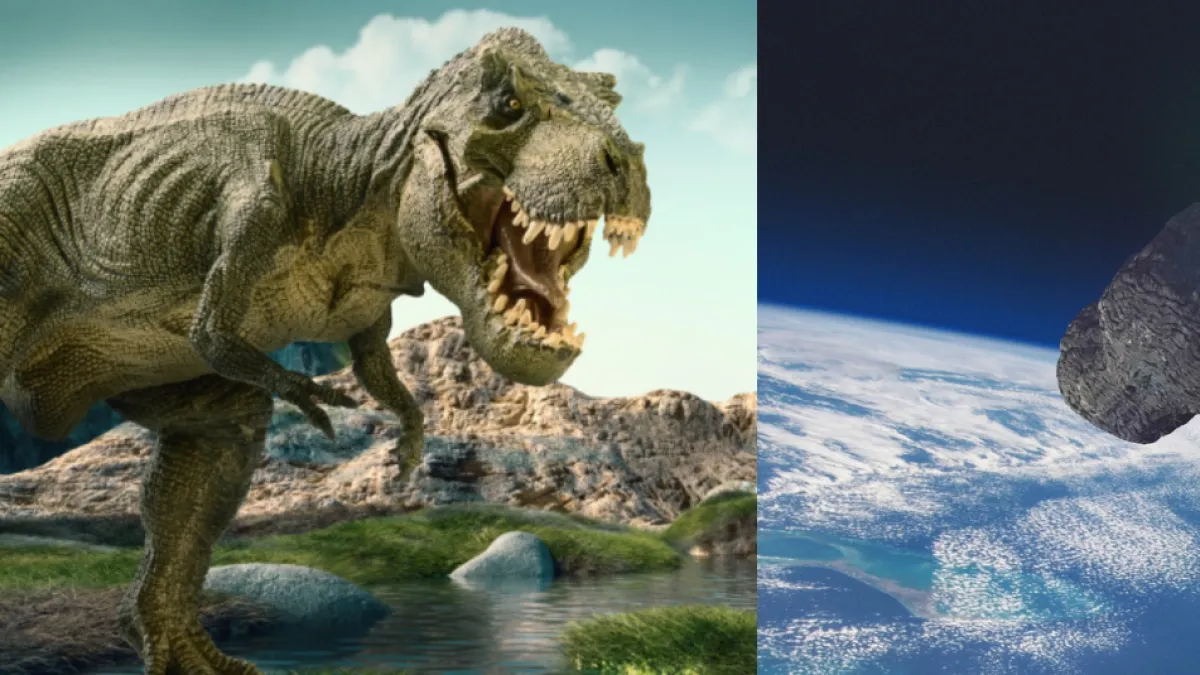
Sixty-six million years ago, the Earth was a vastly different place. The landscape was dominated by the colossal silhouettes of non-avian dinosaurs, thriving in a world that showed no signs of an impending global catastrophe. Yet, in a single, violent instant, the trajectory of life on our planet was irrevocably altered. A massive object from the outer reaches of our solar system struck the Yucatan Peninsula, triggering a chain reaction that resulted in the extinction of 75% of all species.
For decades, the nature of this "death from above" has remained a subject of intense scientific inquiry. Now, a groundbreaking study published in Science Advances by an international team of researchers, led by the University of Paris, has finally identified the culprit: a rare class of carbonaceous chondrite known as the Ornans (CO) type. This revelation not only refines our understanding of the Chicxulub impact but also highlights the sheer, improbable misfortune that befell the dominant creatures of the Cretaceous period.
The Chemical Fingerprint of Extinction
To understand the nature of the object that destroyed the dinosaurs, scientists had to look at the only evidence that remained: a thin, global layer of debris deposited in marine clay immediately following the impact. Because the asteroid vaporized upon collision, it left no physical remnants of its structure. Instead, researchers performed a high-precision analysis of nickel isotopes found within this geological layer.
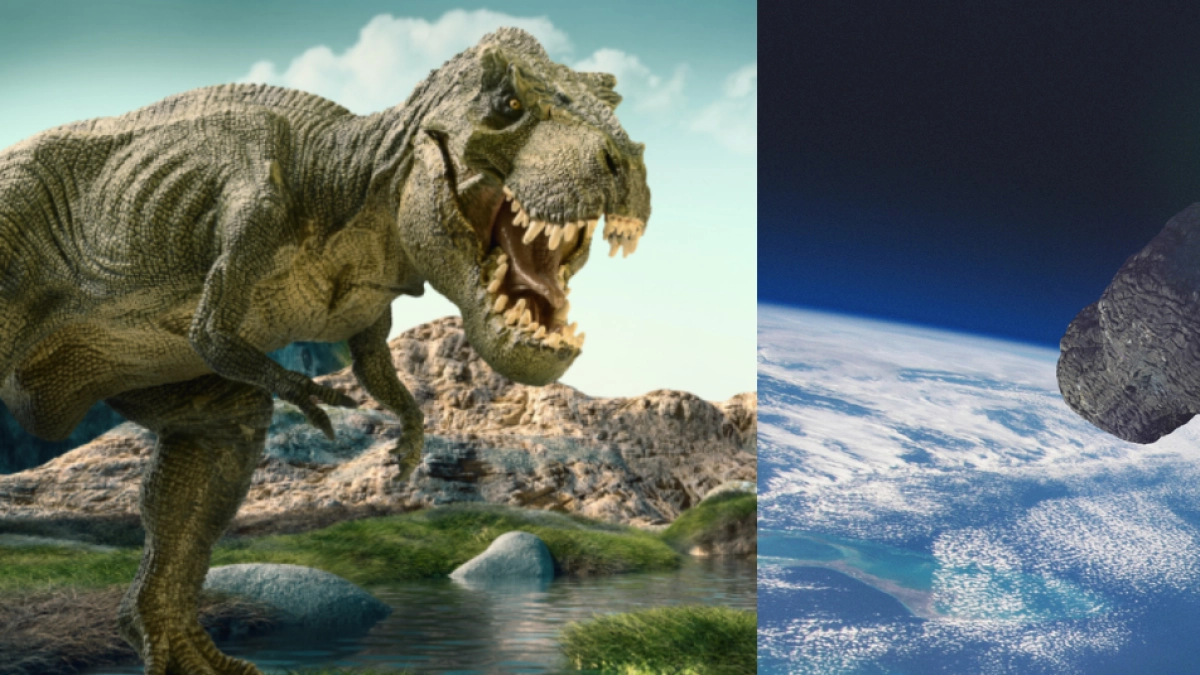
Nickel is a key indicator of extraterrestrial matter, as its isotopic signature in meteorites differs significantly from that of terrestrial rocks. By meticulously analyzing the isotopic ratios in samples collected over several years, the team was able to reverse-engineer the composition of the impactor. The results were startling. The data confirmed that the object was a carbonaceous chondrite—specifically, a rare subset known as an Ornans chondrite.
"These are not like the typical meteorites found in museum collections," explains Philippe Claeys, a researcher at the University of British Columbia and a co-author of the study. "They are incredibly primitive, pristine materials from the dawn of the solar system, containing a unique chemical profile that distinguishes them from the more common stony meteorites we are accustomed to studying."
Chronology of a Planetary Catastrophe
The narrative of the end of the Cretaceous period can be reconstructed through a terrifying timeline of events:

- The Approach (66 Million Years Ago): A celestial body, measuring between 10 and 15 kilometers in diameter, accelerated toward Earth. Traveling at an estimated velocity of 64,000 kilometers per hour, the asteroid originated from the outer reaches of the solar system, potentially from the regions surrounding Jupiter or the outer edges of the asteroid belt.
- The Impact (The Chicxulub Event): The object struck the Yucatan Peninsula with the force of billions of Hiroshima-sized atomic bombs. The kinetic energy released was catastrophic, immediately vaporizing the projectile and excavating the massive Chicxulub crater.
- The Global Aftermath: The impact injected massive quantities of pulverized rock, soot, and sulfur into the atmosphere. This created a "nuclear winter" effect, blocking out sunlight for years. Photosynthesis ceased, food chains collapsed, and the global climate plummeted, leading to the rapid extinction of the dinosaurs.
- The Geological Signature: The vaporized material settled as a fine, distinct layer of clay across the globe. It is this "K-Pg boundary" layer that serves as the silent witness to the event, preserving the isotopic clues that researchers are only now deciphering with modern technology.
Supporting Data: What Makes the Ornans Chondrite Unique?
The classification of the impactor as an Ornans (CO) chondrite provides profound insights into the chemistry of the early solar system. Carbonaceous chondrites account for only about 5% of all meteorites discovered on Earth, and within that rare group, the CO class represents a tiny, specialized fraction.
A Primitive Progenitor
Unlike the more common metallic or stony meteorites that have been altered by heat or pressure within their parent bodies, CO chondrites are "pristine." They contain fewer volatile elements—such as carbon, zinc, and sulfur—than other types of meteorites. Their composition is remarkably similar to the raw material from which the planets themselves formed.
The Role of Isotopes
The use of nickel isotopes as a proxy for the asteroid’s identity is a triumph of modern analytical geochemistry. By isolating these isotopes from the marine clays, the researchers were able to filter out the "noise" of terrestrial contamination. The resulting signature did not match the more common asteroids found in the inner solar system, effectively ruling out those as the primary suspects.

Expert Perspectives and Official Implications
The scientific community has lauded this study as a definitive step forward in planetary science. The findings have shifted the consensus regarding the "randomness" of the extinction event.
"The fact that the Earth was struck by such a rare and distant projectile really highlights how incredibly unlucky the dinosaurs were," Claeys noted in a university press release. This perspective challenges previous, more fatalistic theories that suggested the dinosaurs were already in a state of ecological decline or that their extinction was an inevitable consequence of long-term climatic trends.
Debunking the ‘Decline’ Myth
For years, some paleontologists debated whether the dinosaurs were already on the path to extinction due to volcanic activity or shifting sea levels. This study suggests that the Chicxulub impact was an exogenous, external event of such magnitude that it effectively reset the clock on biological evolution regardless of the state of the biosphere at the time. Without this specific, rare impact, the Cenozoic Era—and the eventual rise of mammals—might have taken a radically different, or much delayed, course.

The Broader Implications for Earth’s Future
The identification of this specific asteroid type serves as a sobering reminder of the hazards inherent in our solar system. If a "rare" object from the outer solar system was responsible for the most significant extinction event of the last 100 million years, it underscores the need for continued vigilance in Near-Earth Object (NEO) monitoring.
Planetary Defense
While the technology to detect asteroids has improved exponentially, the diversity of potential impactors—ranging from stony asteroids to rare carbonaceous chondrites—means that our defense strategies must be robust. Understanding the composition of potential threats is vital. For instance, the physical properties of a CO chondrite, which is structurally different from a typical iron-rich asteroid, would influence how a kinetic deflection mission might perform.
A Window into the Past
Beyond the threat of impact, the study of these materials provides a window into the building blocks of our solar system. Because CO chondrites are remnants of the early, volatile-poor environment near the outer planets, they help scientists map the distribution of materials in the solar nebula. By studying the "murder weapon," we are inadvertently learning the history of our own planetary neighborhood.

Conclusion: A Chance Encounter
As we stand in the present, looking back through 66 million years of history, the story of the dinosaurs has been updated from a tragedy of systemic failure to a narrative of cosmic bad luck. The Earth was hit by a "needle in a haystack"—a rare, primitive projectile that had traveled billions of kilometers from the outer fringes of the solar system, only to intersect with our planet at the worst possible moment.
This research, spearheaded by the University of Paris, is a testament to the power of forensic science. By analyzing the isotopic remnants of a disaster that occurred long before humans walked the Earth, we have gained a clearer picture of our origins and the precarious nature of life on a planet susceptible to the whims of the cosmos. The dinosaurs may have been silenced, but through these microscopic isotopic signatures, they continue to tell us the story of the universe that claimed them.