By: Editorial Staff, International Business Desk
Date: November 10, 2026
In a significant move for the Colombian coffee sector, the Serranía del Perijá and the Sierra Nevada de Santa Marta—two of the nation’s most geographically distinct and culturally rich coffee-growing regions—are set to undergo a major transformation. David Neumann, CEO of the Germany-based Neumann Kaffee Gruppe (NKG), one of the world’s most influential figures in the global coffee trade, has formally committed to a pilot program aimed at boosting the production and international exportation of specialty coffees from these northern territories.
The initiative, announced in conjunction with the Colombian Ministry of Agriculture and Rural Development, represents a bridge between high-altitude, traditional farming and the sophisticated demands of the global specialty market. By focusing on smallholder farmers with units of at least five hectares, the program seeks to provide the necessary infrastructure, expertise, and market access to ensure that the unique flavor profiles of these regions reach the cups of connoisseurs worldwide.
Main Facts: A Partnership for Global Reach
The core of this initiative lies in the strategic partnership between the Colombian government and NKG. As a titan in the global coffee supply chain, with operations spanning 28 countries, NKG holds a massive footprint in Colombia, purchasing over 1.5 million sacks of local coffee annually. This volume cements the group as a critical pillar of the national economy.

The pilot project is specifically designed to address the challenges faced by small producers in the northern departments. Despite the high quality of the coffee grown in the Sierra Nevada and the Perijá mountains, these producers often struggle with the logistical complexities of international certification, market entry, and the technical requirements of "specialty" grading.
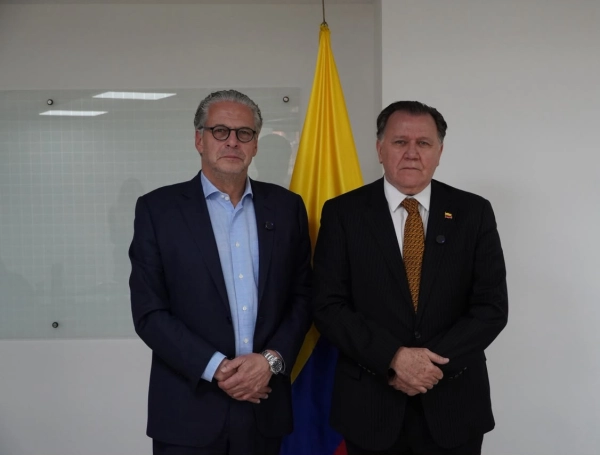
Under the guidance of David Neumann and Minister of Agriculture Indalecio Dangond Baquero, the program will provide targeted support to farmers holding at least five hectares of land. This threshold is strategic: it targets the "medium-small" producers who have the capacity to scale their operations but currently lack the investment to upgrade their processing facilities or improve their export logistics.

Chronology of the Initiative
The development of this agreement follows months of diplomatic and commercial negotiations aimed at revitalizing rural agricultural economies.
- Mid-2026: Discussions began between the Colombian Ministry of Agriculture and international stakeholders regarding the need to incentivize specialty crop production. The focus shifted to the northern regions due to their unique microclimates.
- October 2026: Preliminary assessments were conducted by NKG technicians in the Sierra Nevada de Santa Marta to evaluate the potential for specialty bean expansion.
- November 10, 2026: Minister Indalecio Dangond officially announced the agreement with David Neumann. The announcement was presented as a cornerstone of the current administration’s efforts to increase the profitability and competitiveness of the Colombian countryside.
- Future Outlook (Late 2026 – 2027): The pilot phase is expected to begin in the coming months, with the selection of producer groups and the establishment of technical assistance centers in the Perijá and Sierra Nevada corridors.
Supporting Data: Why the North?
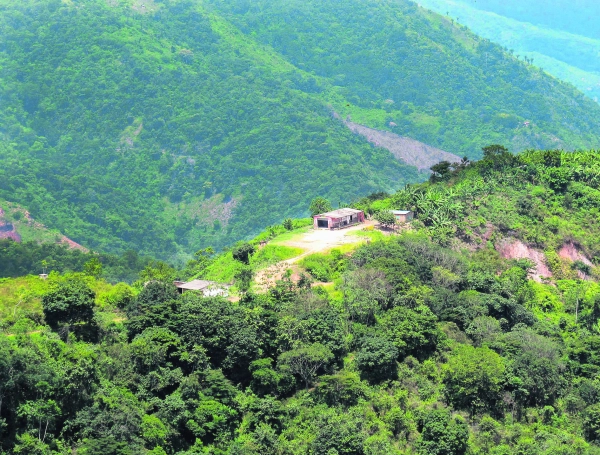
The decision to focus on the Serranía del Perijá and the Sierra Nevada de Santa Marta is not arbitrary. These regions possess specific biological and geographical advantages that make them ideal for specialty coffee:
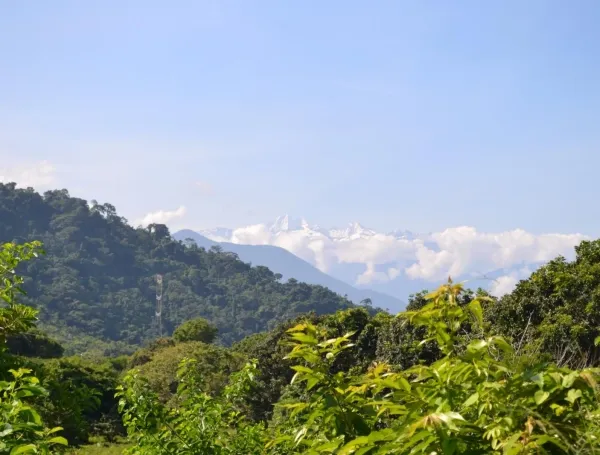
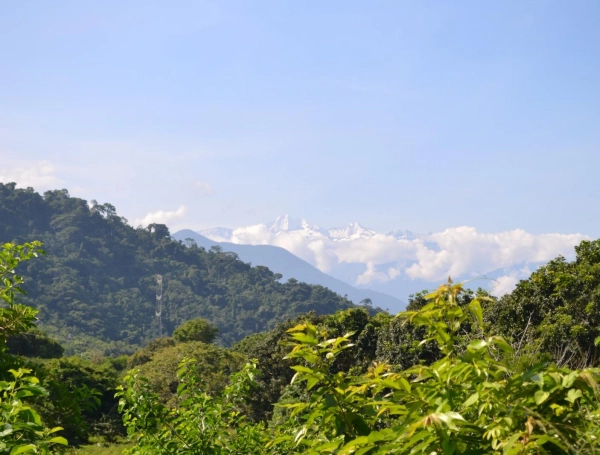
- Unique Microclimates: The proximity to the Caribbean Sea, combined with the high altitude of the Sierra Nevada—which rises from sea level to snow-capped peaks in just a few dozen kilometers—creates a diverse array of temperatures and soil conditions. This allows for the cultivation of beans with complex, nuanced flavor profiles that are highly sought after by specialty roasters.
- Market Demand: Globally, the demand for specialty coffee—often defined by a cupping score of 80 points or higher—has grown consistently by 5–7% annually. As traditional commodity coffee prices remain volatile, transitioning to specialty products offers farmers a crucial "safety net" through premium pricing.
- Economic Volume: NKG’s existing infrastructure in Colombia, which handles over 1.5 million sacks, provides a ready-made logistics network. This ensures that the transition from a local harvest to an international shipment is more efficient, reducing the intermediaries that often erode the profit margins of small producers.
Official Responses and Strategic Vision
Minister of Agriculture Indalecio Dangond Baquero has framed this partnership as part of a broader "open-door" policy for international investment. During the announcement, the Minister highlighted that the interest from global entities is reaching an all-time high.
"Every day, we see international companies approaching the Ministry, eager to offer investment and cooperation," Dangond stated. "They aren’t just looking for volume; they are looking for quality and sustainability. They want to help our coffee growers become more competitive, and this partnership with Neumann is a clear manifestation of that vision."

For David Neumann, the move is consistent with NKG’s long-term strategy of securing high-quality supply chains while fostering development in origin countries. By investing directly in the capacity of the farmers, NKG is ensuring a stable supply of the premium-grade coffee that is increasingly the growth engine of the global coffee market.
The Implications: Moving Beyond the Commodity Market
The implications of this pilot program extend far beyond the immediate economic benefit to the participating families. There are three key areas where this project could reshape the landscape:
1. Elevating the "Specialty" Standard
For years, much of the coffee produced in Colombia was exported as a standard commodity. By shifting the focus toward specialty beans, the program forces an improvement in agricultural practices—from soil management to the wet-milling process. This creates a "rising tide" effect, where the quality standards of the entire region begin to shift upward.
2. Improving Socio-Economic Stability in Conflict-Prone Zones
The Serranía del Perijá has historically faced challenges related to security and economic development. By providing a clear, profitable pathway through legal agricultural exports, the program serves as a tool for regional stabilization. Providing farmers with a viable, internationally linked business model is one of the most effective ways to foster long-term peace and prosperity in rural areas.

3. Sustainability and Environmental Stewardship
Specialty coffee production is often intrinsically linked to agroforestry and sustainable farming. Because specialty markets value the environment in which the coffee is grown, producers are more likely to protect the biodiversity of the Sierra Nevada and the Perijá, which are fragile ecosystems. The partnership is expected to integrate best practices for water conservation and soil health, ensuring that the land remains productive for future generations.
Challenges Ahead: What Remains to be Seen?
While the promise of the partnership is significant, the path to implementation remains complex. Observers have noted that while the high-level commitment is in place, the operational details are still in the development phase. Specifically:
- Resource Allocation: The total investment amount has not yet been finalized. Experts suggest that the success of the pilot will depend heavily on the availability of credit lines for farmers to upgrade their equipment.
- Infrastructure: Both the Perijá and the Sierra Nevada regions present logistical challenges regarding transportation. Improving the roads from the farms to the processing centers will be as critical as the agricultural assistance itself.
- Farmer Adoption: Successfully transitioning smallholders from traditional farming methods to the rigorous standards of specialty production requires intensive training. The speed at which the farmers can adopt these new techniques will determine the success of the pilot.
Conclusion: A New Chapter for Colombian Coffee
The alliance between David Neumann and the Ministry of Agriculture marks a pivotal moment for the northern Colombian coffee industry. By betting on the talent of small producers and the unique terroir of the Perijá and Sierra Nevada regions, the program is setting a new standard for how international corporations can engage with local agricultural sectors.
As the industry moves toward 2027, the success of this pilot will likely serve as a blueprint for future public-private partnerships. In an era where consumers are increasingly curious about the story behind their morning cup, the ability to bring the unique, high-altitude coffees of northern Colombia to the world stage is not just a business win—it is a vital contribution to the sustainable development of the country.

The world’s appetite for high-quality, ethically sourced coffee is growing, and with this agreement, Colombia is positioning itself to lead the charge, one harvest at a time.