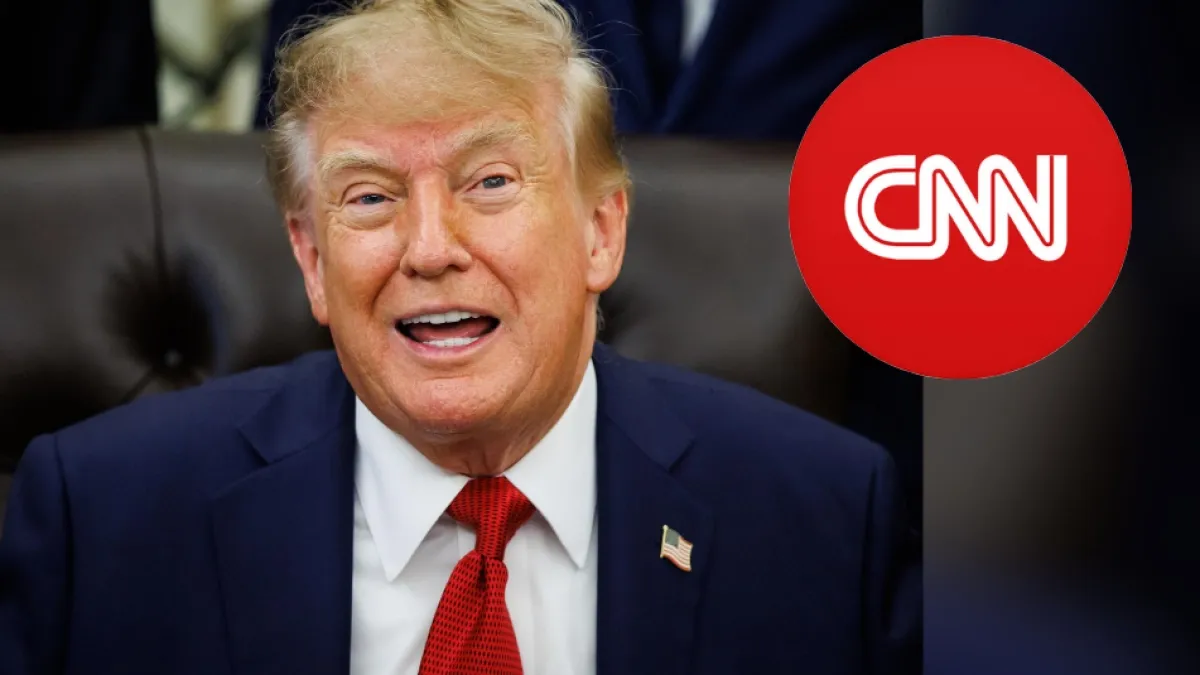
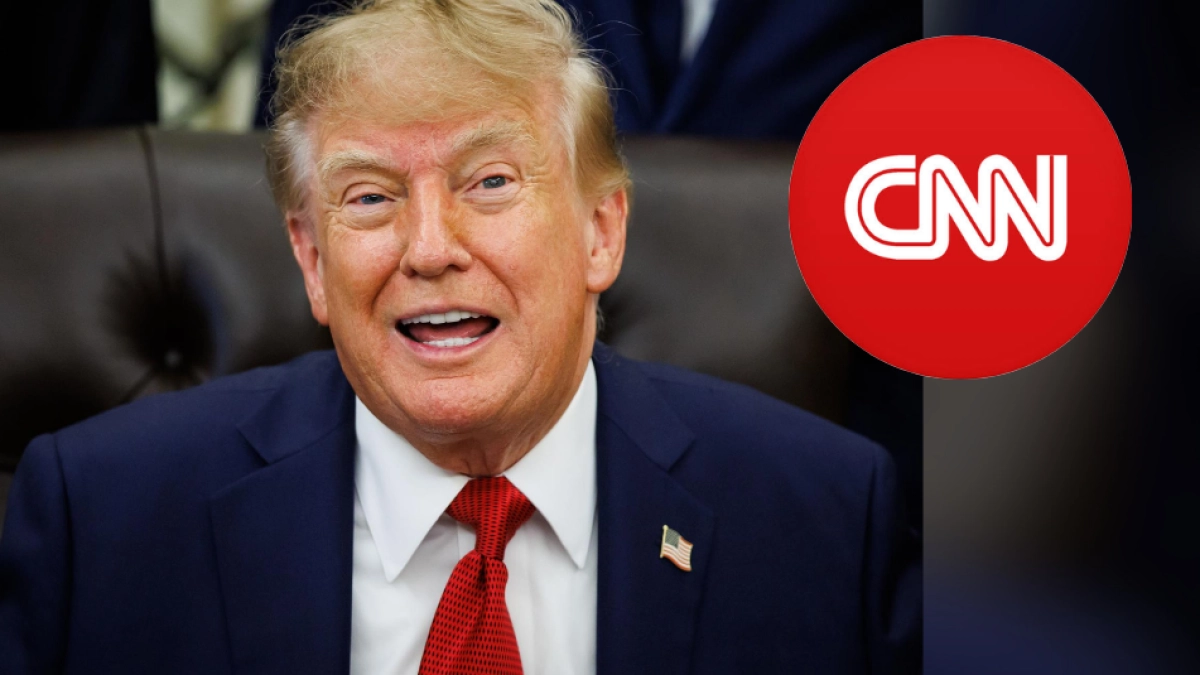
International Desk — A profound constitutional crisis is unfolding in the United States between the executive branch and the nation’s leading independent media organizations. In an unprecedented display of professional solidarity, the country’s major television networks have announced they will jointly halt their participation in the traditional shared press coverage—known as the "pool"—of President Donald Trump’s public events.
This collective action comes in direct response to a controversial White House directive issued late last week that banned reporters and staff from CNN, MS NOW, and Politico from entering the presidential complex. Simultaneously, the three targeted media companies have launched a joint federal lawsuit against the Trump administration, alleging a blatant violation of the First Amendment and a direct assault on the freedom of the press.
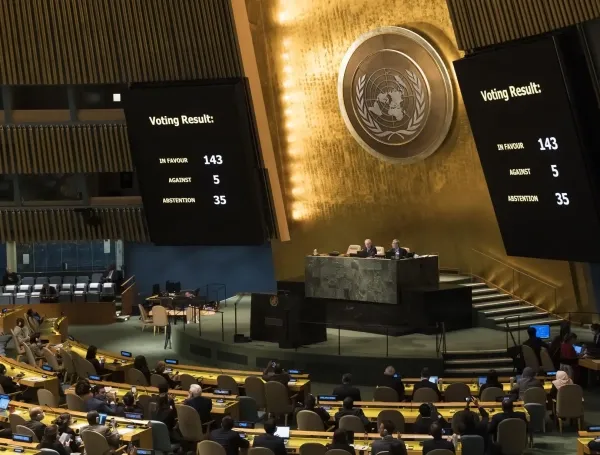
The unfolding standoff threatens to paralyze the logistical framework of political journalism in Washington, complicating coverage of vital diplomatic missions, including President Trump’s high-profile participation in the United Nations General Assembly in New York.
Main Facts: The Veto, the Boycott, and the Legal Challenge
The roots of the current crisis trace back to an executive decree announced on Friday, wherein President Trump formally revoked the press credentials and entry rights of CNN, MS NOW, and Politico. The administration justified the drastic measure by accusing the outlets of persistently broadcasting and publishing "fake news" and exhibiting what the White House characterizes as a near-total negative bias toward the current administration.

The reaction from the broader journalistic community was swift and uncompromising:
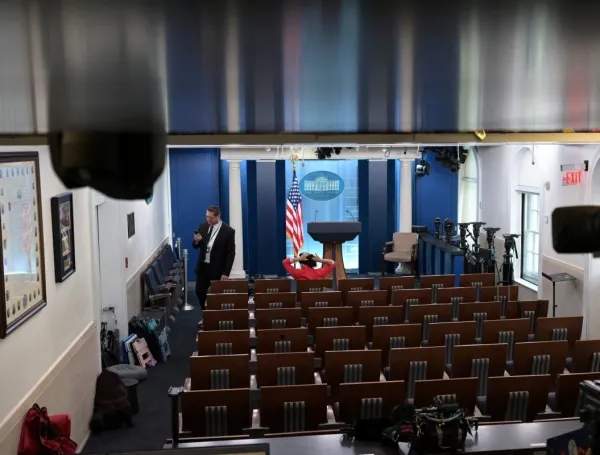
- The Media Boycott: Major networks—including CBS, ABC, NBC, and Fox—informed the White House that they would withdraw from the rotating press pool system. Under this long-standing mechanism, a single network covers specific presidential movements and shares its video and photographic assets with all other subscribing organizations.
- The Photographic Blackout: In a further escalation of solidarity, The Washington Post announced it would refuse to publish photographs of President Trump’s engagements in New York tied to the UN General Assembly.
- The Lawsuit: CNN, MS NOW, and Politico filed an immediate joint lawsuit in federal court, arguing that the administration’s actions constitute an unconstitutional retaliation against protected editorial stances and a denial of basic due process.
Chronology of Events: From Presidential Decree to Federal Court
The rapid escalation of tensions over the past several days highlights a deteriorating relationship between the executive office and the Fourth Estate:

- Friday: President Trump announces via digital platforms and official statements that CNN, MS NOW, and Politico are barred from the White House, branding their coverage a national security threat.
- Saturday: The confrontation escalates physically when the U.S. Secret Service blocks journalists from the three blacklisted outlets from entering the White House complex. Security personnel confiscate press credentials from reporters representing MS NOW, Politico, and CNN.
- Sunday: Network executives hold emergency consultations. Major broadcasting competitors—despite historical rivalries—decide to suspend the shared pool system to protest the executive overreach.
- Monday: The affected outlets formally file their joint lawsuit. Concurrently, President Trump doubles down on his rhetoric through his preferred communication channels, defending the ban as a necessary defense against systematic misinformation.
Official Responses and Stakeholder Declarations
The executive branch has remained steadfast in its position, while legal and international defenders of journalism have lined up to condemn the White House’s actions.
The White House Defense
President Trump defended the ban vigorously, characterizing the targeted outlets as a corrosive influence comparable to a "cancer" within American society. Writing on Truth Social, the president claimed his administration routinely receives a "100% negative" media environment and insisted that the press should not be permitted to "constantly write fiction and lies when they are covering the president of the United States."
When pressed by reporters on whether other critical publications—such as The New York Times or The Washington Post—might face similar bans, Trump did not rule out future exclusions, pointing directly to their ongoing critical coverage of his administration.
The Media’s Legal Position
In their joint legal filing, the media organizations assert that the White House’s decision violates foundational legal principles:
- Absence of Due Process: The lawsuit underscores that the ban was enacted without clear criteria, formal advance notice, or any administrative mechanism allowing the outlets to appeal or defend themselves against the "fake news" allegations.
- First Amendment Protections: Lawyers for the plaintiffs argue that the executive branch cannot utilize access to government property—which is funded by taxpayers—as a disciplinary tool to punish disfavored viewpoints.
"The White House belongs to the American people, and the decisions made within its walls are funded by our taxes," MS NOW stated in a public release. "We will vigorously defend our rights protected by the First Amendment."
International Condemnation: The SIP
The Inter American Press Association (IAPA/SIP), which represents over 1,300 media outlets across the Americas, issued a stern denunciation of the White House directive.
Pierre Manigault, president of the organization, argued that public authority cannot be weaponized to penalize independent journalism. "The function of the press is to inform and scrutinize power, not to appease it," Manigault stated. Echoing these concerns, Martha Ramos, chair of the IAPA’s Committee on Freedom of the Press and Information, warned that excluding journalists based on editorial output is fundamentally incompatible with a free society and sets a dangerous global precedent.
Implications: Logistical Disruption and Historical Parallels
The suspension of the journalistic pool system has created immediate, tangible operational challenges for reporting on the presidency.
The UN General Assembly Complications
The timing of the ban coincides with President Trump’s arrival in New York for the United Nations General Assembly. Typically, a rotating pool television crew—scheduled in this instance to be CNN—would accompany the president to document bilateral meetings with world leaders, including representatives from Venezuela, France, the United Kingdom, and Japan.
Because the Secret Service barred the assigned pool team from traveling, the executive entourage departed Washington without an integrated television crew. While the United Nations will distribute the official feed of Trump’s address to the General Assembly, the lack of an independent American press pool severely curtails the visual documentation of high-stakes diplomatic negotiations and informal encounters.
Echoes of Past Conflicts
This crisis is not entirely unprecedented. During his first term, Trump engaged in frequent public clashes with the press corps, most notably when the White House temporarily revoked the press pass of CNN chief White House correspondent Jim Acosta—a move that was ultimately overturned by a federal judge. More recently, Trump has openly targeted prominent anchors like CNN’s Kaitlan Collins during Oval House press briefings.
However, the current combination of a multi-outlet legal challenge, a total freeze on the shared pool system by competing networks, and the physical confiscation of credentials marks a severe escalation in the ongoing war of words between Washington power players and the media.
As the federal courts begin reviewing the joint lawsuit filed by CNN, MS NOW, and Politico, the nation’s capital finds itself navigating uncharted constitutional waters, where the boundaries of executive authority and the sacred protections of the First Amendment are once again put to the test.