By Global Affairs & Environmental Desk
Updated: September 21, 2026
Main Facts
In an era defined by compounding global challenges—ranging from accelerating climate change and supply chain volatility to biodiversity loss—the United Arab Emirates (UAE) continues to position itself as a pioneer in integrating advanced technology into public policy. In a recent strategic development, the Environment Protection and Climate Change Authority of Dubai and Dubai Customs officially announced a landmark cooperative agreement aimed at safeguarding local and regional biodiversity while systematically dismantling the illegal wildlife trade.

This partnership transcends traditional bureaucratic boundaries by heavily incorporating cutting-edge technologies. The framework relies on artificial intelligence (AI), sophisticated big data analytics, and high-precision image recognition software to monitor ports of entry, flag suspicious shipments, and predict illicit trafficking routes. Rather than treating technology as an isolated commercial sector, the Emirati model weaves digital innovation directly into the fabric of governance, linking environmental stewardship with customs enforcement.
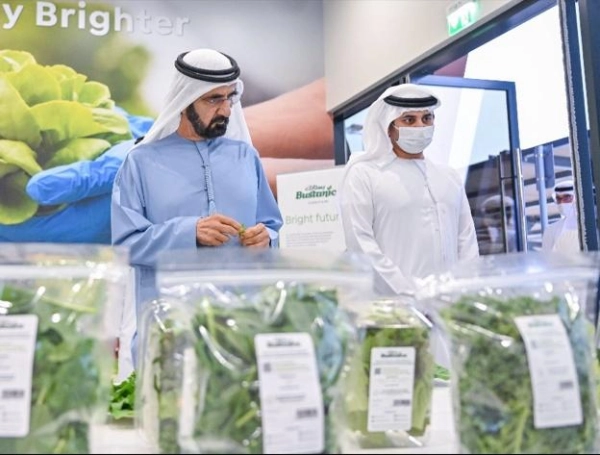
Simultaneously, this proactive technological integration forms the backbone of the UAE’s broader national security frameworks, most notably food security. Given its arid geography and demanding climatic conditions, the UAE has elevated food supply stability and resource diversification to the upper echelons of its national strategy. By coupling strategic food reserves with advanced agricultural technology (agritech), diversified global supply chains, and real-time market tracking, the federation has successfully insulated its internal market from external geopolitical shocks and disruptions in international maritime logistics.

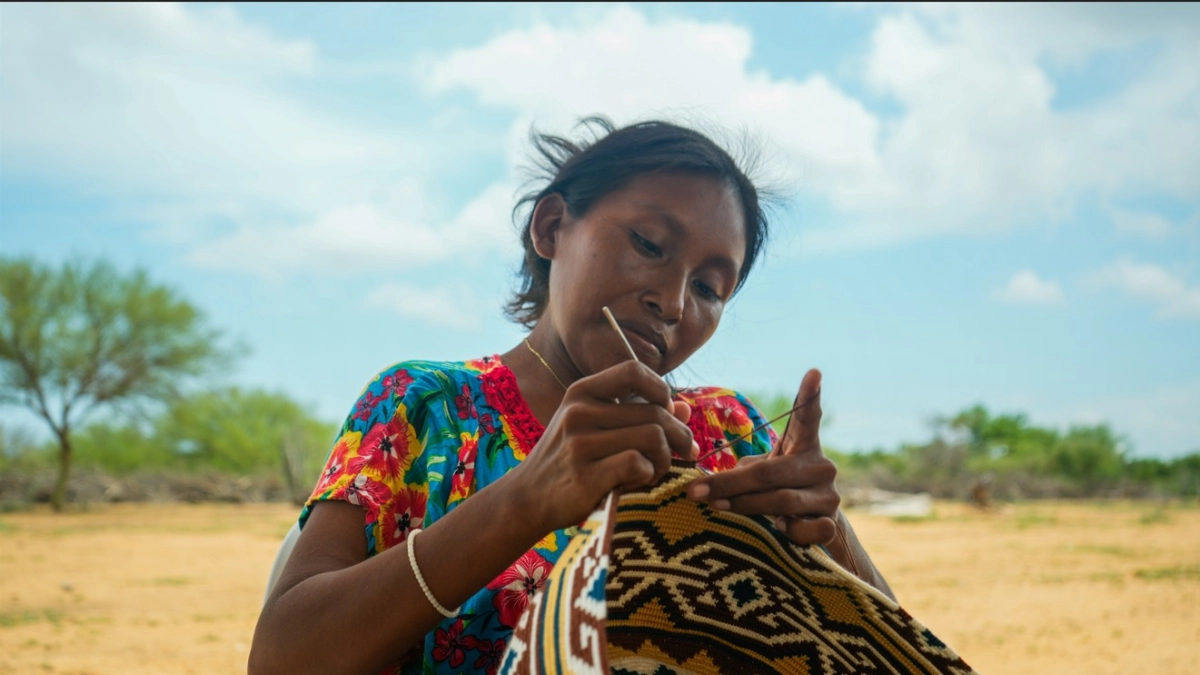
As the UAE and Colombia celebrate 50 years of diplomatic relations in 2026, these forward-looking policies have opened unprecedented avenues for bilateral cooperation. Colombia, renowned as one of the most biodiverse nations on earth with abundant water resources and rich agricultural lands, presents an ideal counterpart. The synergy between Dubai’s advanced digital monitoring, logistical prowess, and agritech investments, paired with Colombia’s unmatched natural capital, marks a significant shift toward highly specialized, future-oriented international cooperation.
Chronology of Events and Strategic Evolution
The convergence of technology, environmental conservation, and trade security in the UAE did not happen overnight. It is the result of a deliberate, long-term policy evolution designed to anticipate crises rather than merely react to them.

- Early 2010s – The Digital Governance Shift: The Emirati government initiates a sweeping modernization program across public sectors, gradually embedding digital infrastructure not just in finance and energy, but in resource management and infrastructural planning.
- The Mid-2010s to 2020 – Elevating Food Security as National Security: Recognizing vulnerabilities in global supply chains, the UAE appoints specialized ministers for food security, establishing legislative frameworks that combine stockpiling with direct investments in international agricultural hubs and vertical farming technologies.
- 2021–2023 – Post-Pandemic Supply Chain Resilience: Global trade disruptions stress-test the UAE’s supply networks. The state successfully deploys alternative maritime and overland trade routes, heavily backed by predictive analytics and automated logistics management, proving the viability of its crisis-mitigation models.
- Late 2024 to 2025 – AI Integration in Environmental Sectors: Regulatory bodies begin testing machine-learning algorithms to monitor illegal trafficking of endangered species and protected flora and fauna across major commercial hubs like Dubai.
- September 2026 – The Dubai Customs and Environment Authority Partnership: Marking a formal institutional alignment, Dubai Customs and the Environment Protection Authority announce their joint initiative to deploy image-recognition AI and shared intelligence platforms to combat wildlife smuggling.
- September 2026 – The Golden Jubilee of UAE-Colombia Relations: As both nations mark 50 years of formal diplomatic ties, discussions intensify regarding bilateral partnerships in agritech, logistics, and sustainable resource management, bridging the gap between Middle Eastern technological infrastructure and South American biodiversity.
Supporting Data and Technical Frameworks
To understand the weight of the new cooperative agreement between Dubai Customs and the Environment Protection and Climate Change Authority, one must examine the specific mechanisms driving modern environmental enforcement:
- Artificial Intelligence and Image Recognition: Modern container scanners outfitted with deep-learning algorithms can instantly analyze millions of cargo images passing through Dubai’s ports. These systems are trained to detect organic anomalies, hidden compartments, and specific silhouettes associated with live animals, ivory, and protected plant species, drastically reducing human error and physical inspection times.
- Data Interoperability: The agreement bridges data silos between environmental watchdogs and customs officers. By creating a unified digital ledger and real-time intelligence-sharing network, authorities can trace suspicious cargo from origin to destination across multi-modal transport lines.
- Food Supply Diversification Metrics: The UAE’s National Food Security Strategy relies on a multi-pronged matrix:
- Strategic Reserves: Maintenance of staple food reserves capable of sustaining the population for extended periods during international emergencies.
- Global Sourcing: Active partnerships with over 50 agricultural producing countries.
- Agritech Investment: Significant financial backing for hydroponics, vertical farming, and drought-resistant crop development domestically and abroad.
- Colombia’s Natural Wealth: As a point of comparison that underscores the partnership’s value, Colombia houses roughly 10% of the planet’s biodiversity. It ranks first globally in bird and orchid species diversity and second in plants, amphibians, butterflies, and freshwater fish. Integrating Emirati digital monitoring tools with Colombian conservation efforts offers a powerful technological shield against transnational biopiracy and illegal trafficking.
Official Responses and Institutional Perspectives
The announcement of the enhanced framework between Dubai’s regulatory bodies has drawn commendation from environmental analysts and trade experts alike, who view the move as a blueprint for modern municipal and national governance.
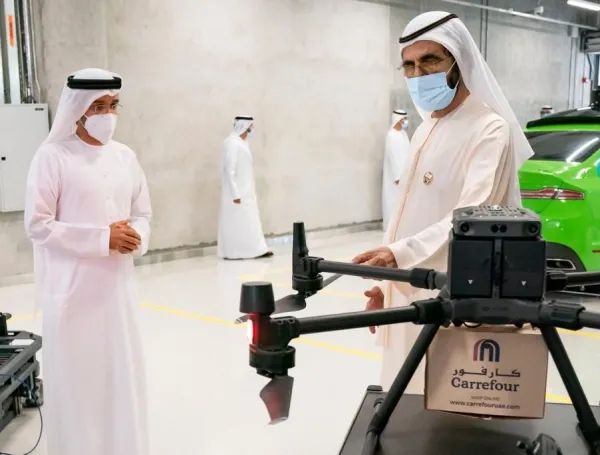
Speaking on the integration of digital tools into ecological preservation, senior officials from the Environment Protection and Climate Change Authority of Dubai emphasized that environmental protection can no longer rely solely on physical patrols and reactive policing. "Nature conservation in the 21st century requires a digital architecture that matches the sophistication of global criminal syndicates," an agency spokesperson noted. "By combining artificial intelligence with predictive data analytics, we are shifting from a posture of catching smugglers after the fact to neutralizing trafficking networks before they even breach our borders."
Concurrently, representatives from Dubai Customs highlighted the economic and security dividends of the partnership. Officials underscored that the illegal trade of wildlife is frequently intertwined with broader illicit financial flows, money laundering, and contraband smuggling. "Our collaboration with environmental authorities is a testament to the UAE’s holistic approach to security," a Dubai Customs representative stated. "When we protect endangered species using advanced image recognition, we are simultaneously fortifying the integrity of our global trade gateways."
International observers, including trade attachés monitoring the 50th anniversary of UAE-Colombian diplomatic ties, have pointed to this technological synergy as a prime template for South-South and cross-continental cooperation. Colombian trade and environmental delegates have expressed keen interest in adopting similar AI-driven customs frameworks to protect their porous borders and vast rainforest reserves from transnational environmental crimes, while concurrently boosting agricultural export efficiencies toward Middle Eastern markets.
Global Implications and Future Outlook
The strategic alignment between the UAE and its international partners signals a profound philosophical shift in how contemporary nation-states must confront transnational crises. The traditional division between economic development and ecological preservation is increasingly obsolete; instead, sustainable viability has become a strict prerequisite for long-term economic prosperity.

1. Re-engineering Global Trade and Conservation
The integration of AI into wildlife protection serves as a warning shot to international smuggling rings. As ports like Dubai—one of the world’s busiest logistics hubs—deploy automated visual diagnostics and machine-learning anomaly detection, the margins for error for illicit traders shrink dramatically. This sets a high compliance benchmark for global shipping and logistics operations worldwide.
2. The Nexus of Food Security and Climate Resilience
The regional disruptions that recently forced the UAE to reroute maritime supply lines and pivot to secondary markets exposed the fragility of unchecked globalization. By demonstrating that agile data tracking and diversified sourcing can mitigate geopolitical shocks, the UAE offers a practical roadmap for other import-dependent nations.

3. Deepening UAE-Colombia Bilateral Horizons
As the UAE and Colombia look past their half-century milestone of diplomatic relations, the path forward is marked by specialization. Rather than relying solely on traditional diplomatic exchanges, the next phase of bilateral relations is poised to be anchored in concrete technological transfers:
- Agricultural Technification: Emirati investments in Colombian agritech can optimize yield outputs while safeguarding local soil health and water basins.
- Logistical Corridors: Enhancing port-to-port efficiencies between South American agricultural breadbaskets and Middle Eastern consumer markets.
- Biodiversity Data Sharing: Establishing joint research initiatives utilizing AI to catalog, map, and protect fragile ecosystems across both territories.
Ultimately, the Emirati experience demonstrates that foresight, institutional adaptability, and technological integration are the ultimate safeguards against an unpredictable future. By exporting these models and collaborating with biodiversity-rich nations like Colombia, the UAE is helping forge an interconnected, resilient global community capable of preserving natural resources while ensuring human prosperity for generations to come.