By: Editorial Staff, in collaboration with Connectas
While the world turns its gaze toward the spectacle of the 2026 World Cup—a global celebration of sport, unity, and national pride—a shadow looms over the streets of Latin America. Beneath the roar of stadiums and the fervor of victory, a different, more chilling reality persists: the systematic erasure of women’s lives. In the region that accounts for 14 of the 25 countries with the highest rates of feminicide globally, the "beautiful game" often masks a brutal, structural crisis that shows no signs of abating.
A Contrast of Realities: The World Cup vs. The Streets
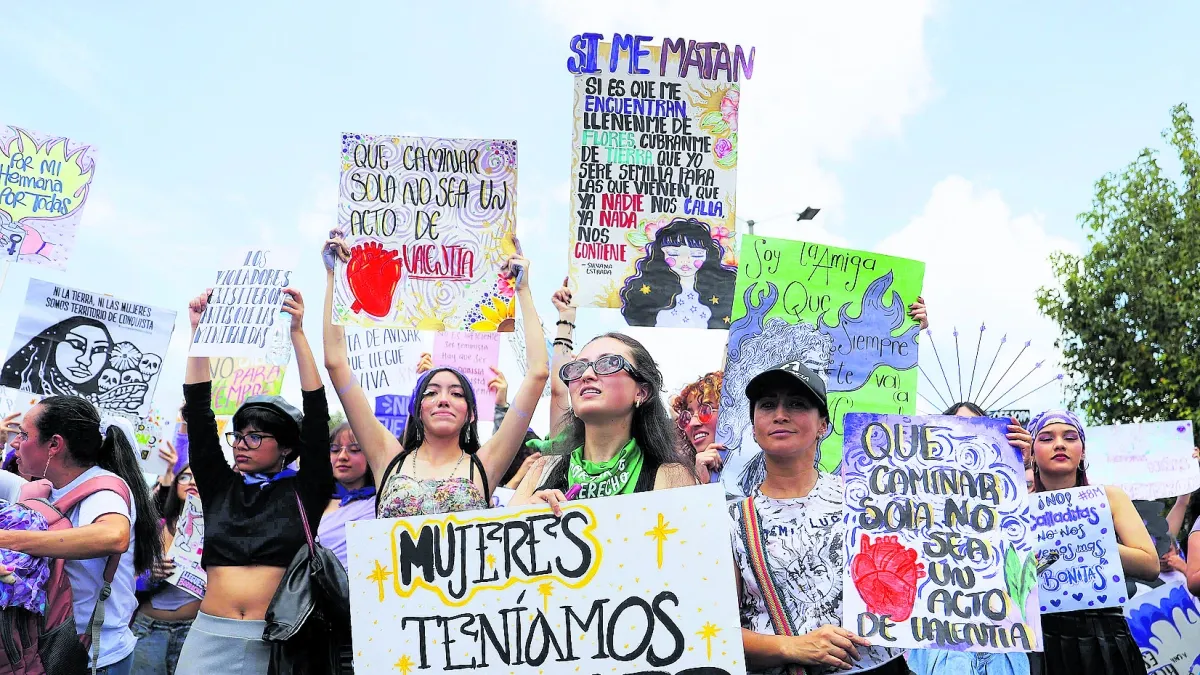
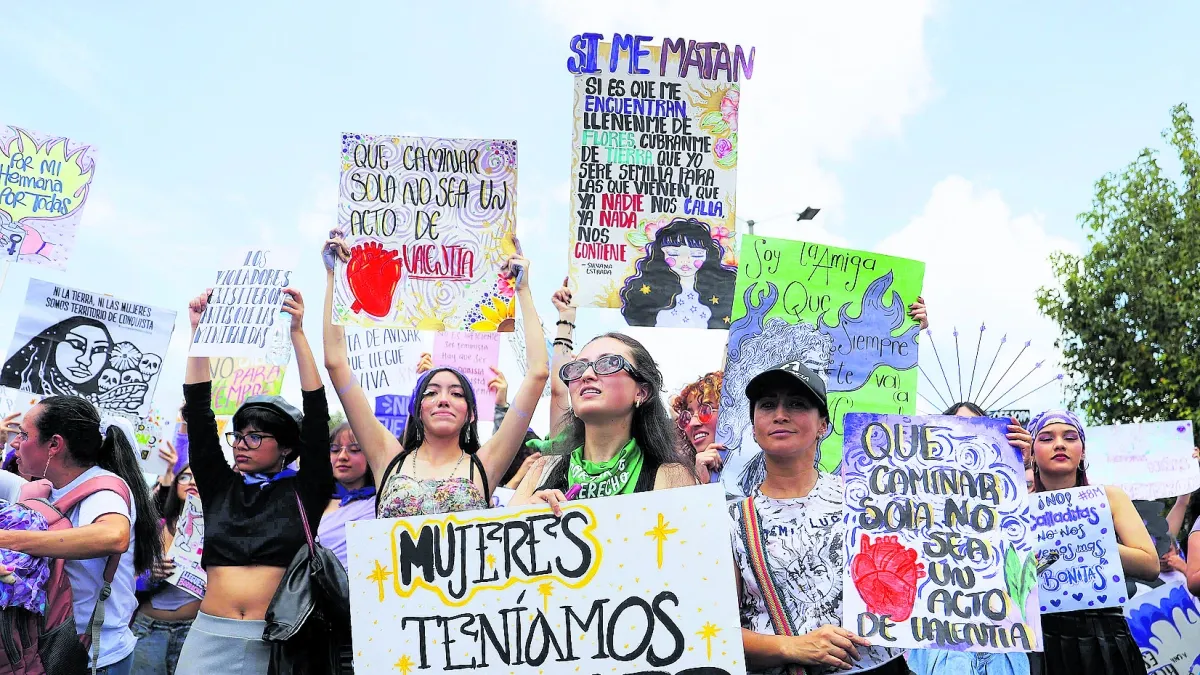
In Mexico, the inaugural matches of the World Cup were marked by a jarring juxtaposition. While the historic Estadio Azteca radiated with music, color, and athletic competition, the perimeter of the stadium served as a stage for stark dissent. Groups of "madres buscadoras" (searching mothers) faced off against police lines, their voices raised in a desperate clamor for the more than 130,000 people currently reported as missing in the country.
Simultaneously, a digital movement gained momentum under the banner: "Violence against women is not part of the game." The campaign seeks to highlight the alarming spikes in gender-based violence that coincide with major sporting events. According to the National Network of Shelters in Mexico, approximately 43.9% of women in the country have suffered aggression at the hands of their spouses or partners. During the first 21 days of the 2026 World Cup, feminist collectives tallied 289 feminicides, averaging 14 deaths per day—a significant increase from the already harrowing baseline of 10 per day.

Chronology of a Crisis: From Bogota to Buenos Aires
The violence is not localized; it is a regional epidemic. In Colombia, the national psyche was shaken on June 22, 2026, when the lifeless body of 36-year-old Natalia Villalba Angarita was discovered inside a suitcase in a luxury apartment in northern Bogota. Her death, part of the 41 feminicides recorded in the country between January and April 2026, serves as a grim reminder that violence against women transcends socioeconomic status and urban geography.
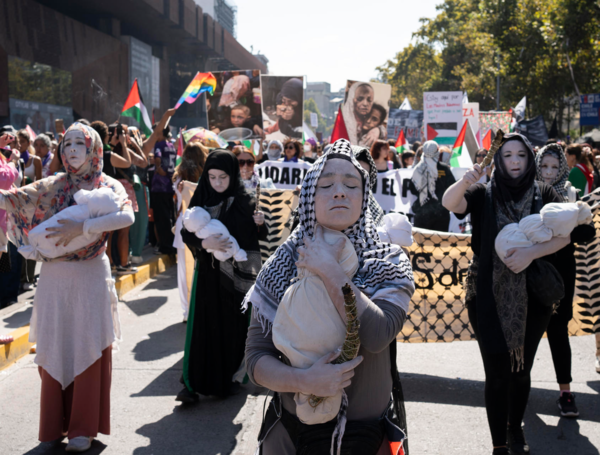
Similarly, in Argentina, the nation was gripped by grief and outrage following the brutal murder of 14-year-old Agostina Vega. Her death triggered mass protests across the country, yet the official response remained lukewarm at best. While the Argentine National Registry of Femicides claimed a 12.3% decrease in cases for 2025 compared to the previous year, activists and international observers have cast severe doubt on these figures, characterizing them as a deliberate attempt to minimize a structural crisis.
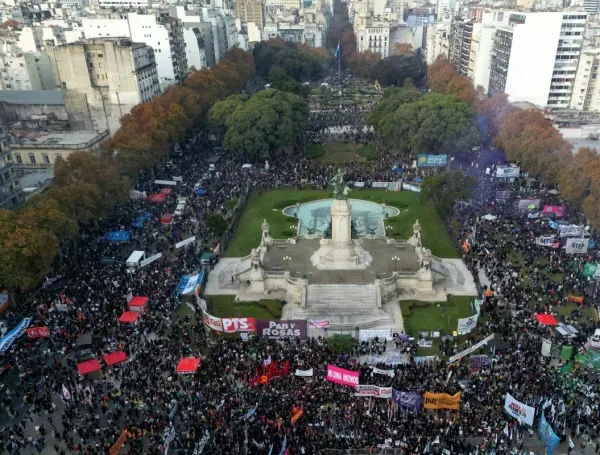
The handling of Agostina’s case by Cordoba prosecutor Raúl Garzón became a flashpoint for national fury. By initially refusing to classify the crime as a feminicide and focusing on the forensic success of tracking dogs rather than the systemic failure to protect a minor, the authorities effectively re-traumatized the victim’s family and the public. Aimée Zambrano, coordinator of the Monitor de Feminicidios Utopix in Venezuela, draws a direct parallel between the current atmosphere in Argentina and the 2015 murder of Chiara Páez, which birthed the "Ni Una Menos" movement. "The prosecutor’s attitude," Zambrano notes, "is an indicator of a new, dangerous ideological shift in Argentina—one that denies women’s rights and reinforces a patriarchal state structure."
The Anatomy of Desfinanciación: Dismantling Protection
The political climate in Argentina has shifted dramatically under the administration of Javier Milei. His government has implemented a 90% budget cut for gender-based violence prevention programs, including the dissolution of the "Acompañar" program and the Undersecretariat for Protection Against Gender-Based Violence.

"The government has opted to defund and suppress these entities, ignoring that these programs were created as a direct response to a persistent, structural problem that requires state presence," notes a recent analysis by El País. María Elena Martin, a researcher at the National University of Misiones, echoes this concern, explaining that since Milei took office, policies for gender equality and state-run observatories have been virtually dismantled. Only the Supreme Court’s observatory remains, though it lacks the broader social reach required to intervene effectively.
In response, Argentine Congressman Esteban Paulón introduced a bill on June 10, 2026, to declare a "National Public Emergency regarding gender-based violence." With an attempted feminicide occurring every 26 hours in the country, the legislation aims to combat the culture of denialism that has taken root within the state apparatus.

Supporting Data: The Regional Picture
The crisis is quantified in the 2025 Annual Report by the civil association MundoSur, which revealed that Latin America recorded over 3,700 violent deaths of women and girls in 2025—an average of 315 per month and an 18% increase over 2024.
The United Nations Population Fund (UNFPA) highlights that 14 of the world’s 25 countries with the highest rates of feminicide are located in this region. According to the Economic Commission for Latin America and the Caribbean (CEPAL), the highest rates in 2024 were found in Honduras (4.3 per 100,000 women), Guatemala (1.9), and the Dominican Republic (1.4).
In Honduras, the situation is dire. The Center for Women’s Rights reported 111 murders in the first five months of 2026, averaging one feminicide every 32 hours. While the government attempted to address the crisis by increasing sentences for feminicide to up to 60 years in aggravated cases, human rights organizations argue that this is a superficial solution. "Criminal investigation is deficient," the organization stated. "The lack of a gender perspective among justice operators and the institutional revictimization of those who report crimes mean the biggest obstacle is not the length of sentences, but the near-zero probability that aggressors will actually be prosecuted."
Official Responses and the "Hidden" Costs
There is a massive, intentional vacuum in the data. More than half of the countries in Latin America do not publish official, reliable information regarding gender-based violence. This forces non-governmental organizations like MundoSur to rely on media reports to build their annual maps of violence.
"The press has become an invaluable tool for keeping these issues on the agenda," says Eugenia D’Angelo, founder of MundoSur. "However, the absence of a harmonized legal definition of feminicide across the region makes it nearly impossible to hold governments accountable."
Furthermore, the economic impact is staggering. A report titled Measuring to Transform: The Cost of Violence Against Women in Ibero-America, presented by the Ibero-American General Secretariat (SEGIB) and the Development Bank of Latin America (CAF), reveals that in countries like Paraguay and Ecuador, gender-based violence accounts for up to 5% of the national GDP. These costs are reflected in overburdened healthcare systems, judicial expenses, lost productivity, and the collapse of women-led micro-enterprises.

"It is not just an economic cost," explains Azul Picón, an expert in gender and labor at Grow-Género y Trabajo. "It has a profound human impact on the autonomy and labor participation of women."
Implications: A Dangerous "Backlash"
The current trend in Latin America is described by experts as a "backlash" against the progress made over the last decade. D’Angelo suggests that many regional leaders are increasingly aligning with foreign agendas—specifically those of the United States—that promote anti-feminist rhetoric. This alignment is facilitating the erosion of institutional protections for the most vulnerable: Indigenous, Afro-descendant, migrant, rural, and transgender women.

The existence of international legal frameworks means little when domestic enforcement is non-existent. "There is no one to monitor compliance," says Picón.
As the World Cup continues, the disconnect between the celebration on the field and the tragedy in the streets remains palpable. For millions of women, the tournament is not a time for joy, but a time of heightened anxiety and isolation. The consensus among human rights experts is clear: without a fundamental shift in state policy—moving from empty rhetoric to concrete, funded, and protected prevention programs—the region will continue to lose its women to a violence that is as systemic as it is preventable. The true test of a nation’s strength is not found in its ability to score goals, but in its capacity to protect the lives of those who sustain its society.