By: Jesús Antonio Blanquicet | Justice Desk
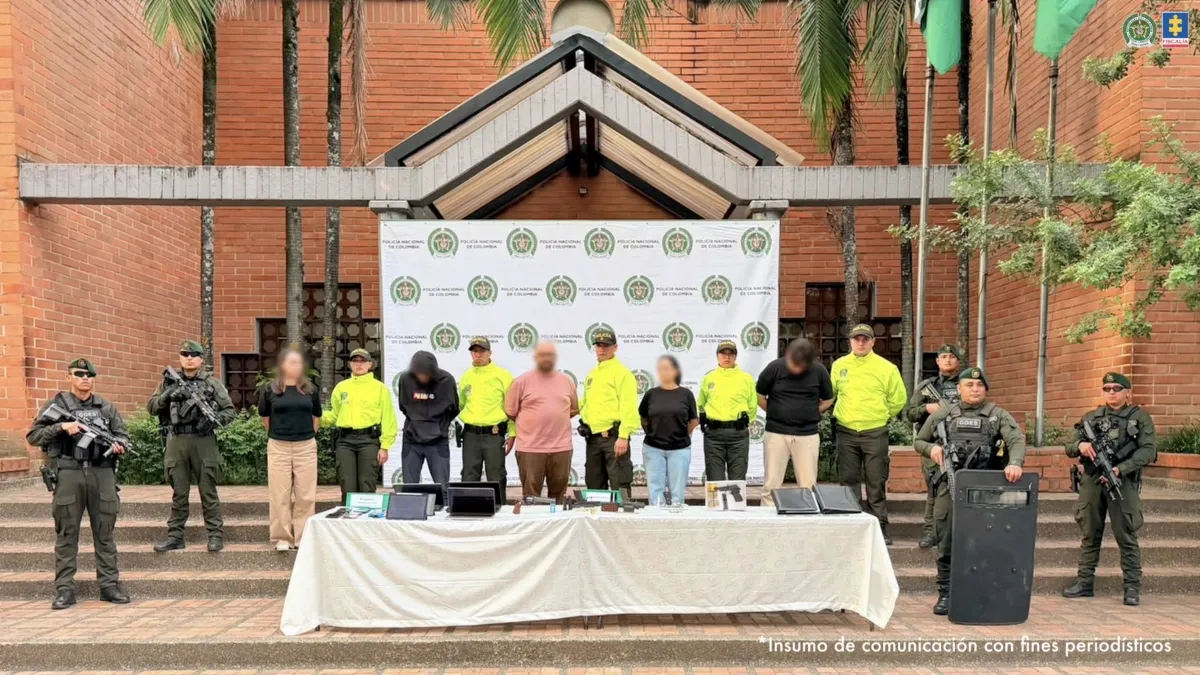
The landscape of conflict in Colombia is undergoing a structural metamorphosis. For months, intelligence reports arriving at the headquarters of the Colombian Public Force have signaled a disturbing shift in tactical operations. The days of large, static insurgent units are fading, replaced by a fluid, multi-layered, and technologically sophisticated network of criminal enterprises. This new reality is most visible in a critical strategic corridor stretching through the southern reaches of the Cesar department, a territory that now serves as the heartbeat of a complex web involving cocaine trafficking, illegal fuel extraction, and pervasive extortion networks.
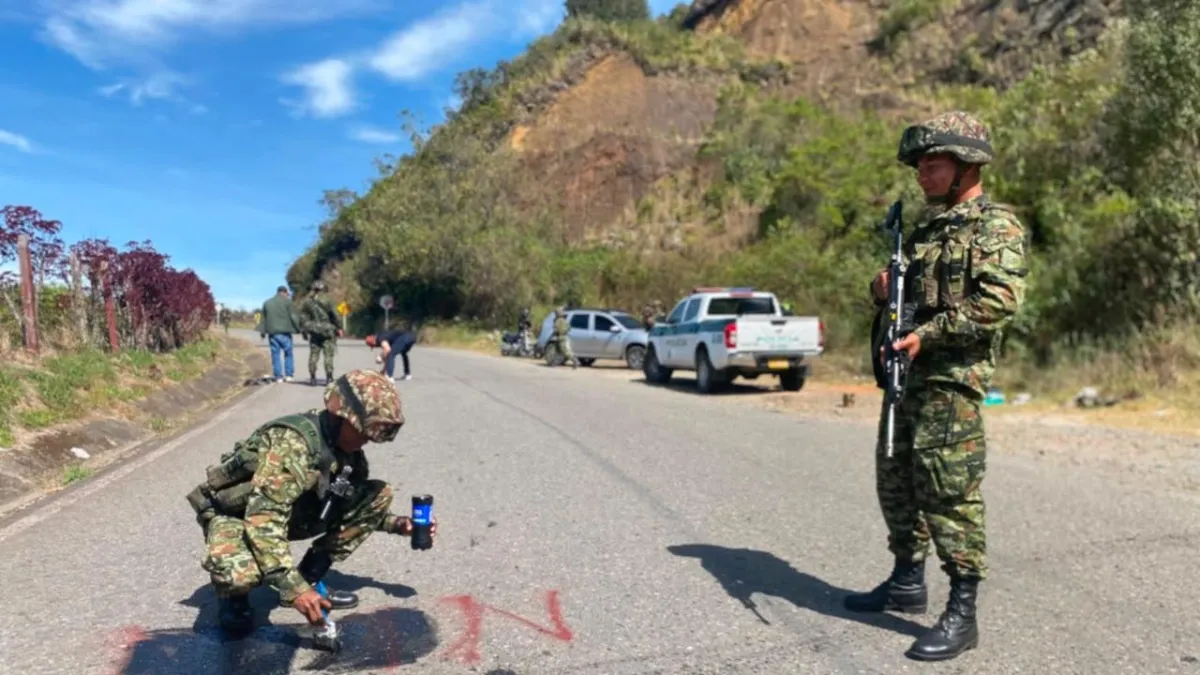
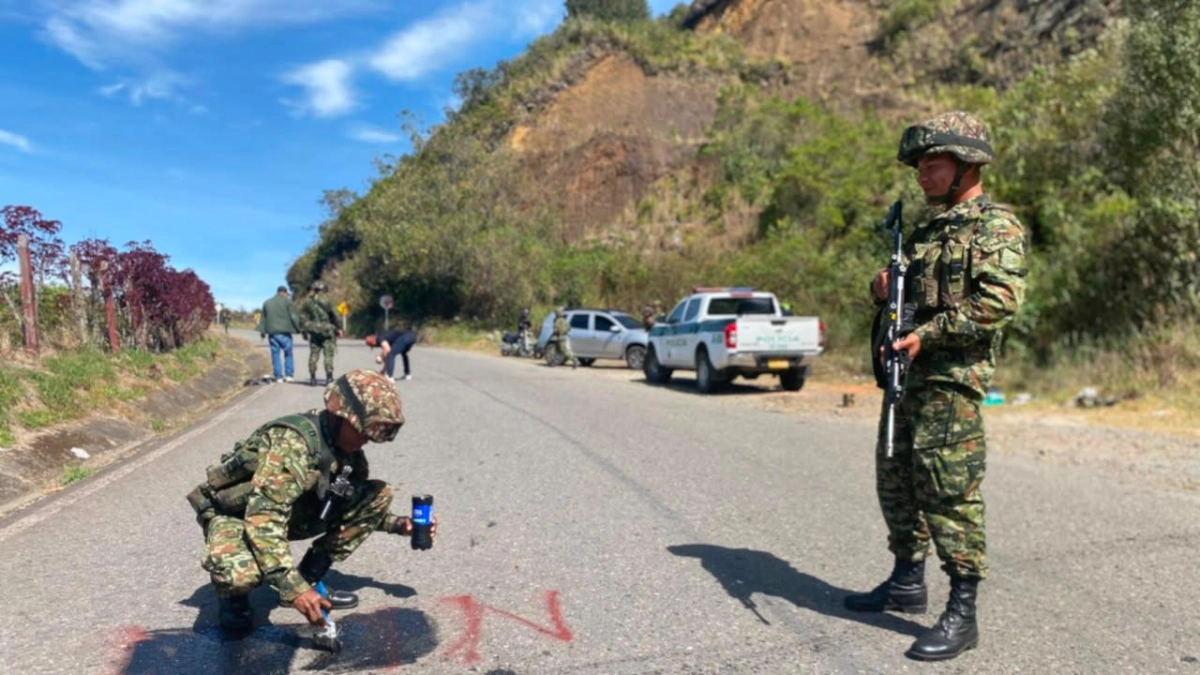
As the government of President Abelardo De La Espriella recalibrates its security strategy, it has identified this region not merely as a local flashpoint, but as a vital artery connecting the Magdalena Medio and southern Bolívar with the Catatumbo region, the Perijá mountain range, and, ultimately, the Caribbean coast and Venezuela. To confront this, the state is launching the “Urano” Joint Task Force—a comprehensive operational model designed to dismantle not just the men in uniform, but the invisible infrastructure that sustains them.
The Anatomy of an Illegal Corridor
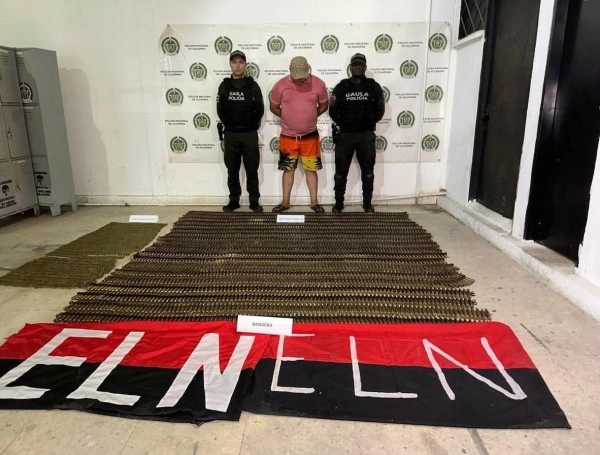
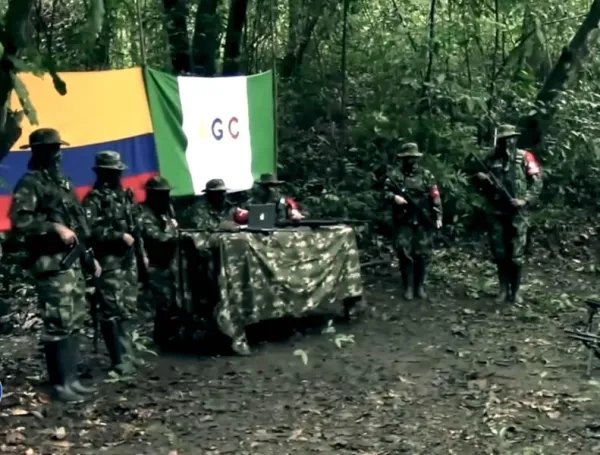
For years, the southern Cesar region—specifically the municipality of Aguachica—has functioned as a logistical hub for armed groups. The intelligence community has observed that the ELN (Ejército de Liberación Nacional), the ‘Clan del Golfo,’ and the ‘Autodefensas Conquistadoras de la Sierra Nevada’ (ACSN) are no longer operating in isolated pockets. Instead, they have coalesced into a competitive but interconnected ecosystem of illegal economies.

The primary commodities fueling this machine are varied. Illegal extraction of hydrocarbons remains a lucrative source of income; stolen fuel is transported through clandestine routes toward the Catatumbo, where it is repurposed for cocaine laboratories and illegal mining operations. Simultaneously, the region acts as a high-speed transit zone for cocaine produced in the volatile southern Bolívar and Magdalena Medio regions, destined for the porous border with Venezuela or maritime exit points on the Caribbean coast.
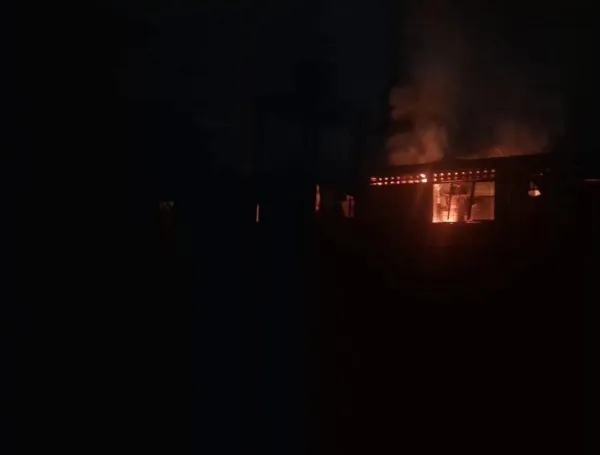
However, it is the evolution of threat tactics that has alarmed military planners. The deployment of drones to harass and strike military and police installations has moved the conflict into a new, asymmetric phase. These technological threats, combined with sophisticated extortion schemes targeting the cattle, palm oil, coal, and retail sectors, have created an environment where the civilian population is perpetually squeezed by overlapping criminal hierarchies.
A Chronology of Escalation
The current crisis did not emerge in a vacuum; it is the culmination of years of shifting power dynamics.
- Late 1980s – 2006: The region was dominated by paramilitary structures that consolidated control over rural corridors until the mass demobilizations of the mid-2000s.
- 2007 – 2024: Following the power vacuum left by demobilized groups, the ELN began a methodical effort to reclaim territory, often competing with emerging criminal bandas.
- January 2025: A significant uptick in violence in the Catatumbo region triggered a spillover effect. As military pressure mounted in the north, armed groups sought to open new pressure points in the south to force the state to disperse its resources.
- March 2026: The Ombudsman’s Office issued Early Warning 006 of 2026, explicitly detailing the risk of expansion by the ACSN into the southern Cesar region, targeting the "Ruta del Sol" highway and key mining sectors.
- September 2026: With the activation of Task Force ‘Urano,’ the government formally shifts to a new doctrine: a coordinated, intelligence-driven, and technological response to dismantle the logistical and financial support networks that keep these groups alive.
The ‘Urano’ Strategy: A New Approach to Counter-Insurgency
The core premise of the ‘Urano’ Task Force is that kinetic action against armed combatants is insufficient if the financial and logistical pipelines remain untouched. Intelligence assessments indicate that for every armed insurgent in groups like the ACSN, there is a significant support network—often civilians or non-combatant affiliates—managing the money, the fuel, and the intelligence gathering.
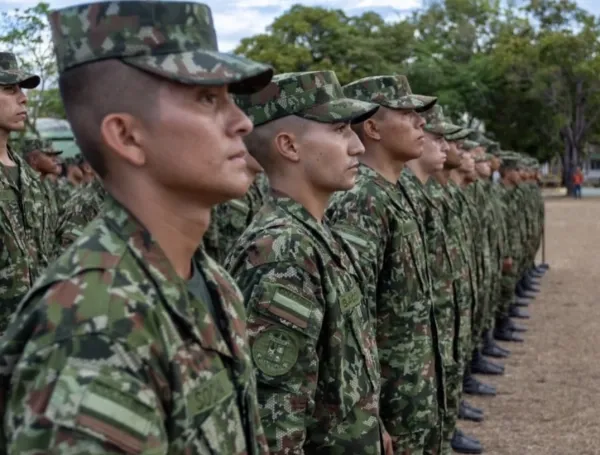
Gerson Arias, an associate researcher at the Fundación Ideas para la Paz (FIP), notes that the southern Cesar region is a textbook case of territorial control for the purpose of financial exploitation. “The ELN and other groups have mastered the art of mobility,” Arias explains. “By keeping their armed components small and dispersed, and relying on local militias and drones, they can exert pressure on the Public Force without exposing themselves to large-scale military defeat.”
To counter this, ‘Urano’ will implement a "pincer" strategy—a concept endorsed by security experts like Luis Saavedra. The goal is to avoid the "balloon effect," where squeezing one area simply pushes crime into another. By simultaneously intervening in the financial centers, the transport corridors, and the logistical nodes, the state hopes to suffocate the groups rather than chase them.
Technological and Intelligence Assets
The strategy includes:
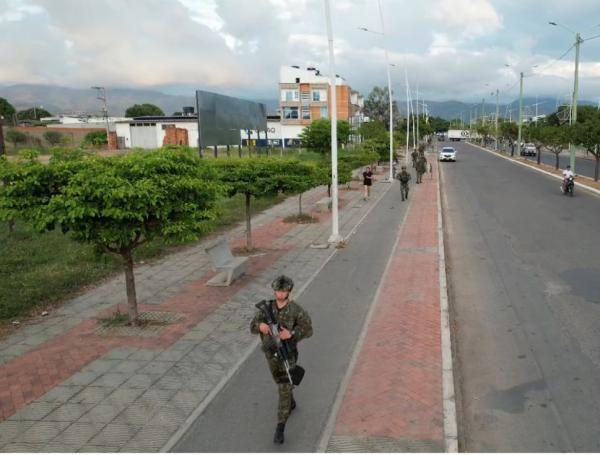
- Biometric Surveillance: Utilizing cameras with advanced facial recognition to track high-value targets across the corridor.
- Anti-Drone Defense: Deploying specialized jamming and interception technology to neutralize the aerial threats currently plaguing military bases.
- Inter-Agency Intelligence: Integrating police, military, and financial intelligence to freeze assets and dismantle the "support structures" that comprise nearly 40% of the total headcount of these criminal organizations.
Mapping the Adversaries: The ‘Cóndor’ Block
Intelligence dossiers obtained by the authorities provide a chillingly detailed map of the opposition. The ACSN, for instance, operates through the "Cóndor" Block, which exerts influence across San Martín and San Alberto in Cesar, and La Esperanza in Norte de Santander.
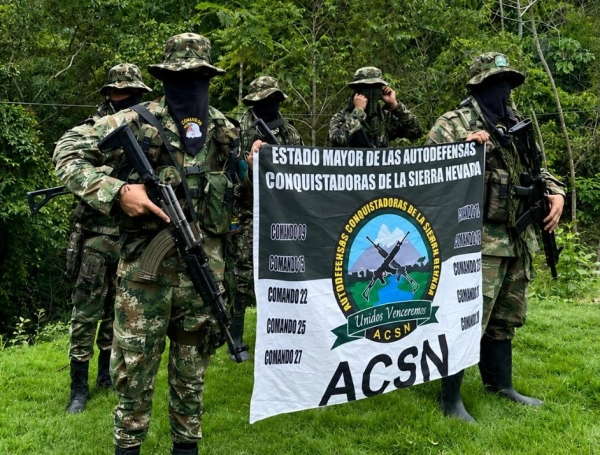
The structure is clearly defined:
- Strategic Leadership: Fredy Castillo Carrillo, alias ‘Pinocho,’ is identified as the overarching leader of the block.
- Regional Coordination: Raoul Prada Lamus (alias ‘Raúl’) acts as the regional coordinator, while Isandro Gonzales Mesa (alias ‘Guajiro’) manages the financial components.
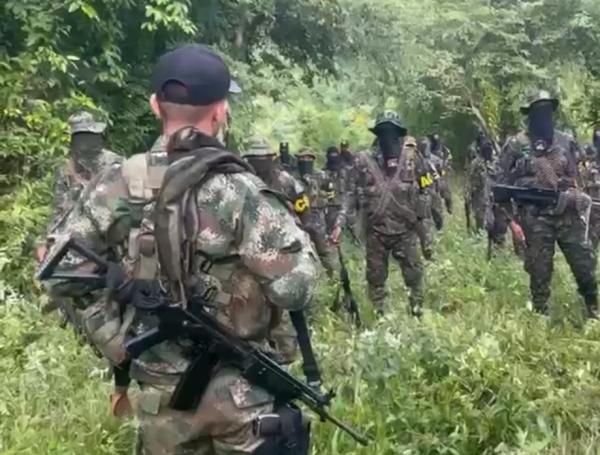
- The Combatants: The Front ‘Resistencia Campesina’ is estimated to have 102 members—62 armed fighters and 40 logistical support personnel. This high ratio of support personnel confirms the group’s heavy reliance on the local civilian economy to sustain its war effort.
Official Responses and International Cooperation
The government’s shift toward a more aggressive stance is not being undertaken in isolation. The recent rescue of eight hostages in the rural area of Convención, Norte de Santander, served as a proof-of-concept for the new inter-agency cooperation. This mission, which included support from the United States Southern Command, marked a milestone in the "Coalition of the Americas Against Cartels" (A3C).
This international synergy is critical. By treating the threat as a transnational criminal enterprise rather than just a localized insurgency, the Colombian government aims to close the gaps that have historically allowed these groups to flourish.
Implications: The High Cost of the Corridor
The path ahead is fraught with difficulty. The fundamental challenge remains the "dispersal effect." If the Public Force is not sufficiently nimble, the very pressure applied by ‘Urano’ could lead to a temporary spike in violence as armed groups attempt to fight their way out of the tightening net.
Moreover, the entanglement of these groups with legitimate sectors—such as the regional coal and cattle industries—means that every tactical victory has a socioeconomic ripple effect. The state must tread carefully to protect the productive capacity of the region while excising the criminal tumor that has grown around it.
As ‘Urano’ begins its operations, the eyes of the nation remain fixed on southern Cesar. The success of this task force will be measured not by the number of battles won, but by the tangible disruption of the illicit networks that have turned a vital Colombian corridor into a theater of conflict. The government is betting that by targeting the "support architecture" of these groups, it can finally break the cycle of violence that has defined the region for nearly four decades.
Whether this strategy of precision, technology, and inter-agency coordination will be enough to permanently secure the region remains to be seen. However, the message from the administration is clear: the era of static, reactive policing is over. The state is no longer just defending the territory; it is systematically attempting to dismantle the infrastructure of the illegal state that has challenged its sovereignty for too long.