International Desk
Published: September 20, 2026 | Updated: September 20, 2026
Main Facts
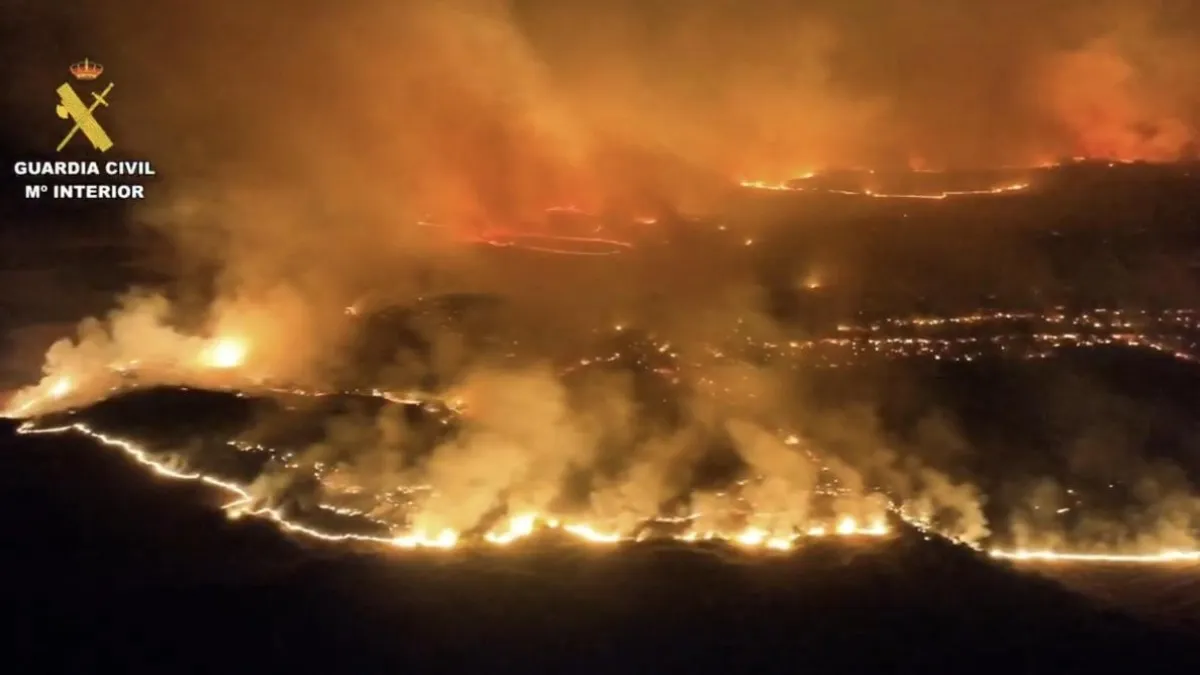
In what authorities have officially labeled an unprecedented escalation of the ongoing war, a historic and massive drone offensive targeted Moscow and multiple regions across Russia. The coordinated aerial assault struck during the third and final day of high-stakes parliamentary elections orchestrated by Vladimir Putin’s administration.
The offensive, which lit up the night skies over the Russian capital and key industrial zones, tested the limits of the nation’s air defense networks. According to official reports released by the Russian Ministry of Defense, national air defense systems successfully intercepted and destroyed a staggering 1,100 Ukrainian drones across various territories, including the Crimean Peninsula and the Black Sea basin.
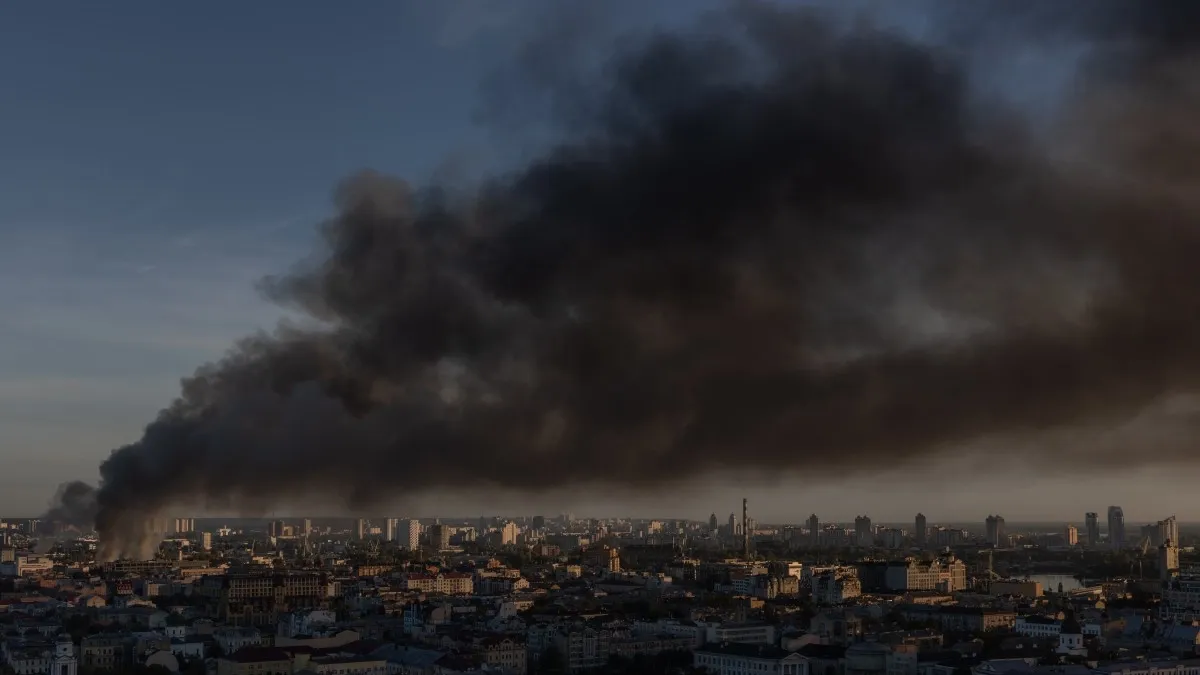
Despite the high interception rate, the sheer volume of the incoming unmanned aerial vehicles overwhelmed certain defensive sectors. In Moscow alone, hundreds of drones were neutralized in mid-air, yet infrastructural damage could not be entirely averted. The capital’s mayor, Serguéi Sobianin, confirmed that the sprawling Moscow Oil Refinery and a multi-story residential building sustained direct hits and structural damage from falling debris and explosive impacts.

Tragically, the human toll of the offensive was confirmed by local officials. Andrei Vorobyov, a regional governor, verified that two civilians—a 74-year-old man and a 44-year-old woman—lost their lives during the barrage, marking a grim escalation in the direct impact of the war on Russian domestic soil.
Chronology of the Assault
The coordinated aerial operation unfolded in several intense phases throughout the weekend, culminating in Sunday’s pre-dawn strikes on the capital region:

- Friday (Day 1 of Elections): As citizens cast their votes in the opening hours of the parliamentary elections, border regions reported localized skirmishes and minor drone surveillance activity, which security forces initially dismissed as routine tactical probes.
- Saturday (Day 2): Intelligence services detected a significant massing of unmanned aerial assets near the northern Ukrainian border and maritime launch points. Air defense units across western Russia were placed on high alert.
- Sunday Midnight to 4:00 AM (Day 3): The primary assault wave was launched. Radar networks tracked hundreds of low-flying drones converging simultaneously on multiple vectors toward Moscow, Voronezh, Rostov, and the Black Sea coast.
- Sunday 4:30 AM – 7:00 AM: Explosions rattled suburban and central districts of Moscow as surface-to-air missile batteries engaged incoming targets. The Moscow Oil Refinery caught fire, prompting immediate mobilization of emergency response teams.
- Sunday Afternoon: The Russian Ministry of Defense released its cumulative tally, asserting that 1,100 drones had been downed nationwide over a 24-hour window, while local election authorities rushed to secure polling stations and assure the public that voting would continue uninterrupted.
Supporting Data and Geopolitical Context
The unprecedented scale of this weekend’s drone onslaught underscores a rapid technological and tactical shift in the war. The utilization of thousands of low-cost, long-range loitering munitions highlights a deliberate strategy to saturate and exhaust sophisticated, high-cost air defense batteries.
This dramatic escalation occurs against a backdrop of intensifying international friction and financial maneuvering:

- The Military-Industrial Pipeline: Just days prior to the assault, the United States approved a monumental $2.68 billion military aid package for Ukraine, featuring advanced air defense systems, tactical radars, and precision missile launchers designed specifically to counter Russian aerial dominance.
- Sanctions and Economic Pressures: Simultaneously, Western powers have ramped up economic penalties. Recent trade policies enforced by the West target secondary markets, threatening strict retaliatory measures against any international entities or sovereign nations continuing to purchase Russian energy exports.
- Electoral Controversies: The timing of the drone strikes directly coincided with Russia’s first parliamentary elections held entirely under wartime conditions. The Kremlin utilized the vote to project national unity and stability; however, international observers and the government in Kyiv swiftly condemned the inclusion of polling stations in Crimea—annexed in 2014—and four newly occupied Ukrainian territories, labeling the electoral process a violation of international law.
Official Responses
The dual pressure of an existential military assault and a critical domestic election prompted swift, sharp rhetoric from Russian state officials.
Serguéi Sobianin, the Mayor of Moscow, addressed the media regarding the unprecedented nature of the capital’s bombardment. He explicitly linked the timing of the strike to the ongoing political calendar, stating that the barrage was an intentional attempt by Kyiv to disrupt the final hours of the parliamentary elections.
"This was an unprecedented attack directed at the heart of our capital," Sobianin declared via state-affiliated channels. "The clear objective of the enemy was to sow terror, destabilize public order, and interrupt our democratic process. However, we state unequivocally that the enemy failed in this endeavor."
In tandem, the Russian Ministry of Defense emphasized the resilience and readiness of the armed forces, pointing to the interception statistics as proof of strategic preparedness. Meanwhile, Ukrainian authorities maintained a measured official silence regarding the specifics of the operation, though military spokespersons in Kyiv repeatedly reiterated that all strikes within internationally recognized Russian borders are legitimate countermeasures against an invading aggressor state.

Broader Implications
The events of this weekend mark a dangerous psychological and strategic turning point in the European security landscape. By bringing the realities of modern drone warfare directly to the doorsteps of everyday citizens in Moscow, the conflict has shed any lingering illusions of geographical insulation for the Russian populace.
1. The Vulnerability of Energy Infrastructure
The targeting of the Moscow Oil Refinery signals a calculated focus on Russia’s critical economic lifelines. Repeated precision strikes on refining and storage facilities threaten to disrupt domestic fuel supplies and squeeze export revenues, forcing Moscow to divert precious air defense assets away from the front lines to protect domestic industrial hubs.

2. The Domestic Political Calculus for the Kremlin
While the Kremlin sought to use the parliamentary elections to showcase total political consolidation and popular backing for Vladimir Putin’s leadership, the simultaneous drone attack exposed the inherent friction of holding a wartime election. The psychological impact on urban voters who previously viewed the conflict as a distant frontier event could gradually erode domestic complacency.
3. Deepening Western Involvement and Escalation Risks
With Washington delivering multi-billion-dollar defense packages and tightening the economic noose around Moscow’s energy trade, the line between proxy support and direct confrontation continues to blur. European and North American capitals are closely monitoring the fallout of the weekend strikes, aware that any miscalculation could trigger a wider continental crisis.

As the smoke clears over the Moscow skyline and election results are tabulated under heavy security, the message from the front lines is unmistakable: the war has entered a deeper, more volatile phase where no region remains entirely out of reach.